After Death Cleaning Liverpool
Need discreet support for specialist after death cleaning in Liverpool? Discover the process and factors affecting cost for after death cleaning Liverpool.
✓ Fully Insured
✓ Insurance Claims Welcome
✓ Nationwide Coverage
✓ Commercial & Domestic
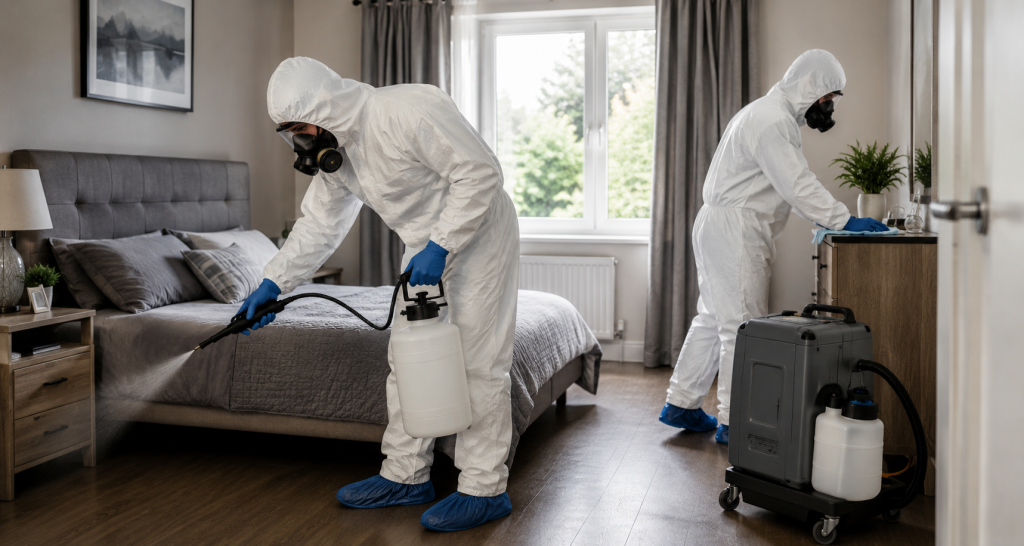
TrustedCare provides discreet, professional after death cleaning in Liverpool for properties affected by trauma, bodily fluids, decomposition, biohazard contamination or persistent odours. Every situation is different, and our approach is based on the condition of the property, the level of contamination and the practical needs of the people involved.
Following the death of a loved one, families and property professionals are often faced with difficult decisions at an already emotional time. Alongside funeral arrangements, probate, estate administration and supporting relatives, there may also be the responsibility of dealing with a property that requires specialist cleaning before it can be safely entered, repaired, sold or occupied again.
TrustedCare supports homeowners, families, landlords, letting agents, housing associations, solicitors, executors, care providers and commercial organisations throughout Liverpool and the surrounding Merseyside area. Every enquiry is handled with compassion, professionalism and complete confidentiality, recognising that no two situations are ever the same.
Properties requiring after death cleaning can range from modern apartments in Liverpool city centre and student accommodation around Kensington and Wavertree to traditional terraced homes in Anfield, Walton and Everton, suburban family homes in Allerton and Woolton, retirement accommodation, supported living schemes and commercial premises. Each property presents different challenges depending on the circumstances and the amount of time before discovery.
Where biological contamination is present, specialist cleaning is often required to safely remove affected materials, disinfect contaminated areas and deal with lingering odours. The objective is not simply to make the property appear clean, but to restore it to a condition suitable for the next stage, whether that involves probate, refurbishment, re-letting, sale or future occupation.
What After Death Cleaning Involves
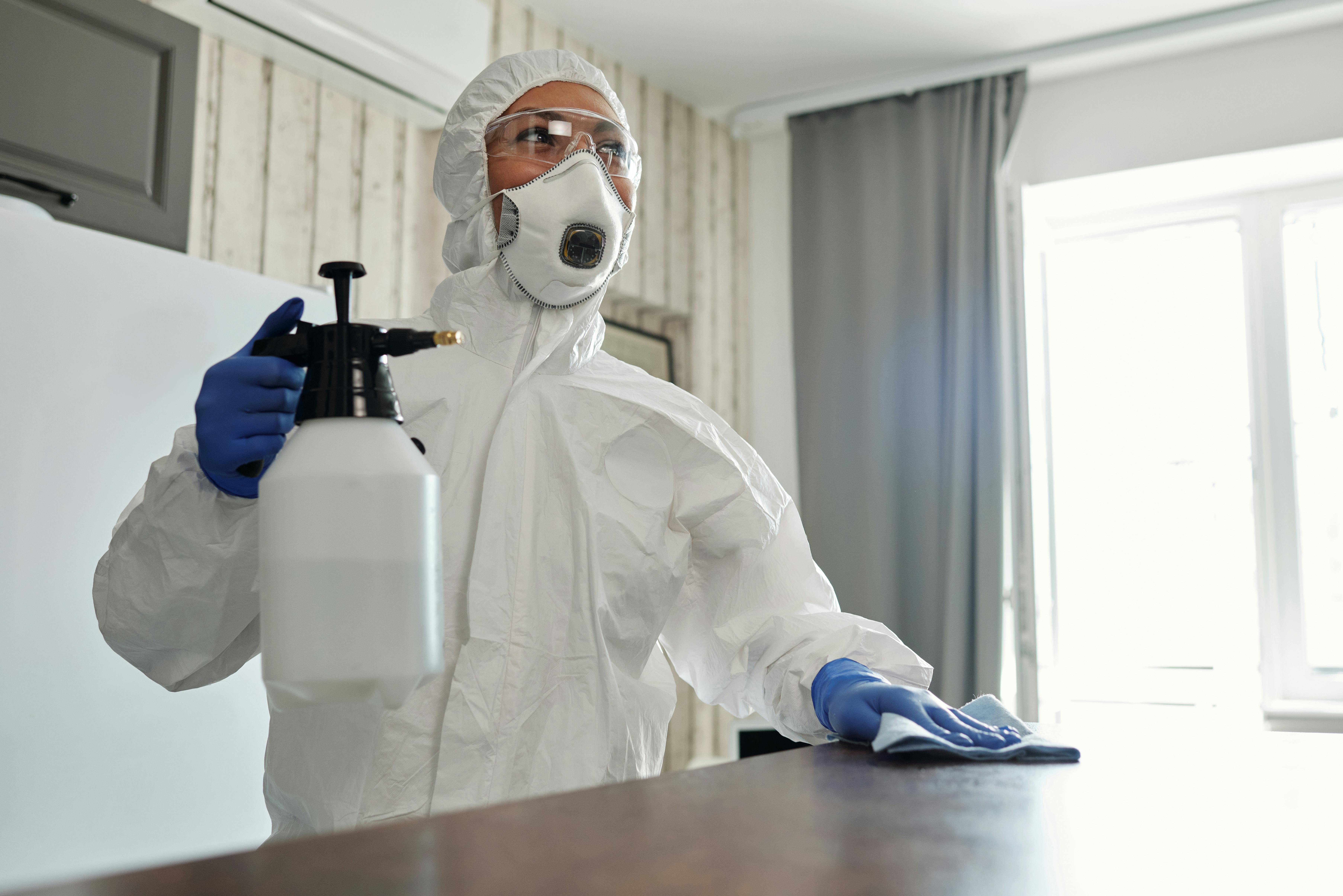
After death cleaning is very different from ordinary domestic or commercial cleaning. Depending on the circumstances, specialist work may include biological decontamination, blood and bodily fluid cleaning, decomposition cleanup, removal of contaminated furnishings, deep disinfection, odour neutralisation and the safe handling and disposal of biohazardous waste.
Some incidents involve only a small contained area, while others require extensive cleaning across multiple rooms following an unattended death or where contamination has spread into flooring, furnishings or structural materials. Every property is individually assessed so the most appropriate cleaning methods can be used.
Many people are unsure whether specialist cleaning is actually necessary. Where biological contamination or decomposition has occurred, ordinary household cleaning products are generally not sufficient to deal with hidden contamination or persistent odours that may remain within porous materials.
For a national overview of specialist cleaning costs across a range of services, visit our Specialist Cleaning Costs UK guide.
If you would prefer to discuss your circumstances confidentially, you can request a private callback or call 0330 633 5334 to speak with our team.
Who May Need After Death Cleaning in Liverpool?
Specialist after death cleaning is often required by people who suddenly find themselves responsible for a property following the death of a family member, tenant or occupant. In Liverpool, enquiries come from both private individuals and organisations needing practical support during what is usually a stressful and emotional time.
TrustedCare regularly assists:
- Families dealing with the loss of a loved one.
- Executors administering an estate.
- Landlords and private property owners.
- Letting agents managing rented accommodation.
- Housing associations and local housing providers.
- Solicitors acting on behalf of an estate.
- Care providers and supported living organisations.
- Property managers and commercial organisations.
Many people contacting us have never experienced a situation like this before. They are often unsure what cleaning is required, whether contaminated items need removing or how the property can be made ready for probate, valuation, refurbishment or sale. Our role is to provide clear advice based on the individual circumstances rather than offering a one-size-fits-all solution.
Where relatives live outside Merseyside, it is common for arrangements to be made remotely through an executor, solicitor, estate agent or authorised keyholder. This allows specialist cleaning to be organised without placing additional pressure on grieving family members who may be travelling from elsewhere in the UK.
Situations We Commonly Help With
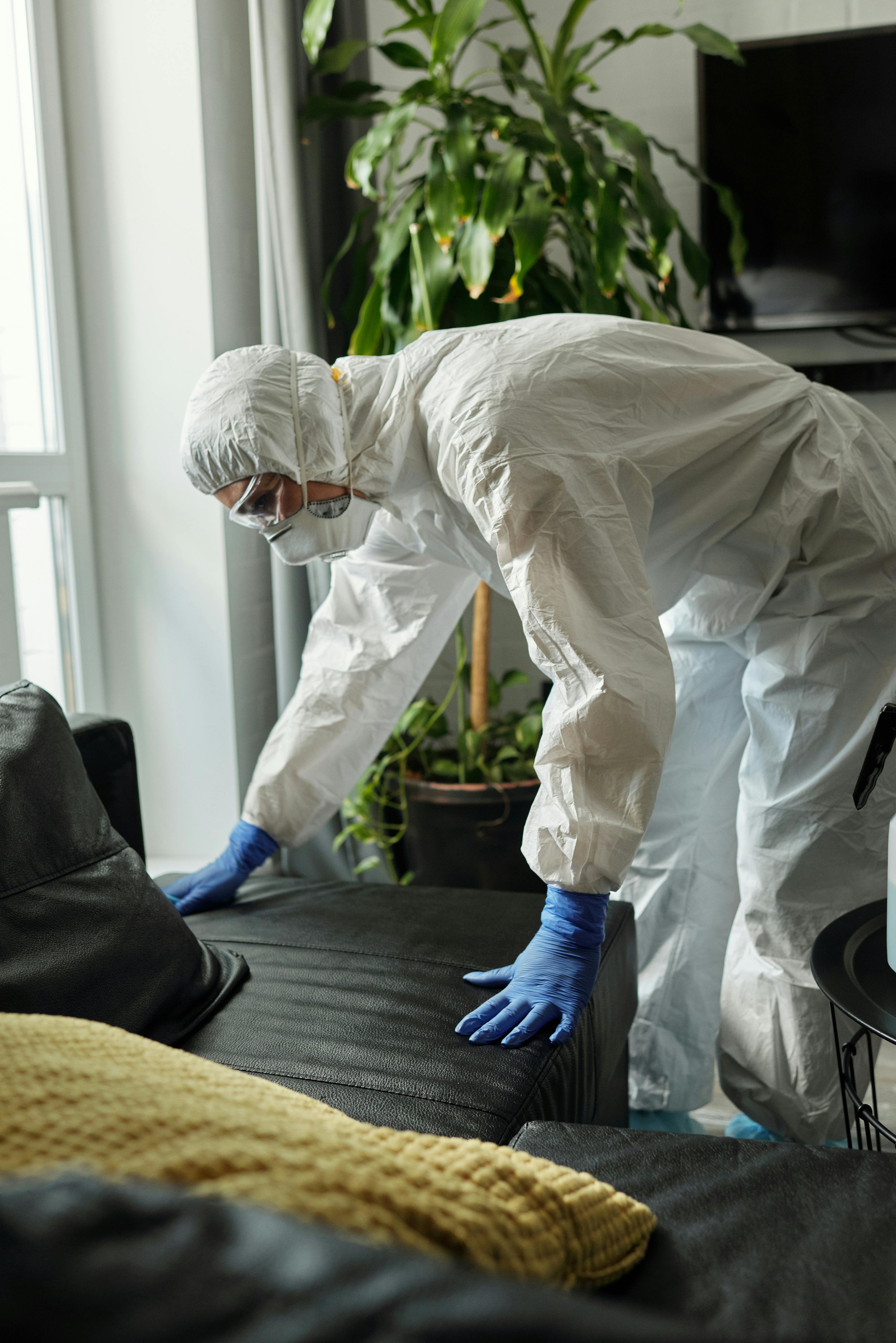
Every after death cleaning project is different. Some involve only a small area requiring specialist decontamination, while others require more extensive work because contamination has spread into furnishings, flooring or multiple rooms. The amount of cleaning required depends entirely on the circumstances rather than simply the type of property.
TrustedCare commonly provides specialist cleaning following:
- Deaths in private houses and family homes.
- Unattended deaths where decomposition has occurred.
- Deaths in flats and apartment buildings.
- Incidents within rented accommodation.
- Supported living and care environments.
- Traumatic incidents involving blood or bodily fluids.
- Properties affected by decomposition odours.
- Probate properties awaiting sale or refurbishment.
Each property is assessed individually so that the appropriate cleaning, disinfection and odour treatment methods can be recommended. This ensures that any work carried out reflects the actual condition of the property rather than assumptions made before an assessment has taken place.
Why Specialist After Death Cleaning Matters
Following a death, biological contamination is not always immediately obvious. Blood, bodily fluids and decomposition can penetrate carpets, underlay, timber flooring, plasterboard, upholstery and other porous building materials where contamination cannot simply be wiped away using conventional cleaning products. What appears clean on the surface may still contain biological hazards beneath.
Professional after death cleaning focuses on identifying affected areas, removing materials that cannot be safely restored where necessary, thoroughly disinfecting salvageable surfaces and treating persistent odours. Every property requires an individual assessment because no two incidents are ever identical.
Where an unattended death has occurred, specialist cleaning often forms just one stage of preparing the property for probate, valuation, refurbishment or future occupation. Our aim is to help families and responsible parties move forward while ensuring contaminated areas are managed safely and discreetly.
To understand more about the wider process, read our guide After Death Cleaning in the UK – What It Is, When It’s Needed and What Happens Next.
If you would like confidential advice about a property in Liverpool, request a private callback or call 0330 633 5334 to discuss your circumstances with our team.

Supporting Families and Property Professionals Across Liverpool
Liverpool has a diverse mix of residential and commercial properties, from Georgian townhouses around the city centre and Victorian terraces in Kensington, Toxteth and Anfield to modern waterfront apartments, student accommodation, housing association properties and suburban family homes in areas such as Allerton, Woolton, Mossley Hill and Childwall. Specialist after death cleaning requirements can vary considerably depending on the type, age and layout of the building.
We regularly receive enquiries relating to probate properties, privately rented homes, supported living accommodation and social housing across Liverpool and the wider Merseyside area. In many cases, relatives live elsewhere in the country and need a trusted company to assess the property, explain what work may be required and provide a clear plan for returning the property to a suitable condition for its next use.
Properties close to the city centre often present different practical considerations to larger suburban homes. Apartment blocks may require controlled access, parking arrangements or liaison with managing agents, while older terraced properties can contain absorbent building materials that require careful assessment where contamination has spread beneath flooring or behind fitted furnishings. Every recommendation is based on the individual property rather than assumptions about its location.
Questions Around Responsibility, Landlords and Housing Associations
One of the most common questions following a death is who is responsible for arranging specialist cleaning. The answer depends on the circumstances, including whether the property is privately owned, rented, managed by a housing association or forms part of a deceased person’s estate. Every situation is different, which is why professional advice is often helpful before any work begins.
Across Liverpool, we regularly assist private landlords, letting agents, housing associations, solicitors, executors and family members who need to make arrangements following the death of an occupant. The cleaning process is often coordinated alongside probate, property inspections, maintenance works or preparations for sale or re-letting.
Where the death has occurred in rented accommodation, responsibility may involve several parties depending on tenancy agreements, estate administration and the circumstances surrounding the property. In many cases, landlords need the property professionally cleaned before repairs, decorating or new tenancy preparations can begin.
You can read more in our guides After Death Cleaning in Rented Properties and Who Is Responsible for After Death Cleaning?.
Decomposition Odours and Hidden Contamination
Persistent odours are often one of the biggest concerns following an unattended death. Unfortunately, unpleasant smells rarely disappear simply by ventilating the property or using household cleaning products. Decomposition fluids can penetrate carpets, timber flooring, plasterwork, insulation and soft furnishings, allowing odours to remain long after visible contamination has been removed.
Successful odour removal normally depends on identifying and treating the original source of contamination. This may involve removing affected materials, carrying out specialist cleaning and using professional deodorisation techniques designed to treat the property rather than simply masking lingering smells.
Every property is different, and the amount of work required depends on factors such as temperature, ventilation, the length of time before discovery and the construction of the building itself.
What Can Affect the Cost of After Death Cleaning?
The cost of after death cleaning in Liverpool depends on the individual property rather than a fixed price list. Factors that commonly influence the quotation include the size of the affected area, the severity of biological contamination, whether decomposition has occurred, the number of rooms involved, access arrangements, waste disposal requirements and whether contaminated flooring, furniture or other materials need to be removed.
A single-room incident is naturally very different from a property where contamination has spread into multiple areas. Because every case is unique, TrustedCare assesses each enquiry individually before recommending the most appropriate course of action.
For more information about pricing, read our guide How Much Does After Death Cleaning Cost in the UK? Pricing, Factors and What to Expect.
The After Death Cleaning Process
Every property presents its own challenges, so no two after death cleaning projects follow exactly the same process. Before any work begins, TrustedCare gathers information about the circumstances, the type of property, the number of affected rooms and any known contamination. This helps determine the most appropriate response while ensuring the work carried out reflects the condition of the property rather than assumptions.
Depending on the circumstances, specialist after death cleaning may include:
- Assessment of contaminated areas.
- Removal of contaminated furnishings or materials where necessary.
- Specialist biohazard cleaning and disinfection.
- Treatment of blood, bodily fluids and decomposition contamination.
- Professional odour neutralisation.
- Safe handling and disposal of biohazardous waste.
- Preparation of the property for repairs, refurbishment, sale or future occupation.
Throughout the process, our objective is to minimise disruption while carrying out specialist cleaning safely, discreetly and with respect for everyone involved. Many clients are arranging several aspects of an estate at the same time, so clear communication and practical guidance are just as important as the cleaning itself.
Preparing a Liverpool Property for Its Next Stage
Once specialist cleaning has been completed, many Liverpool properties continue into the next phase of probate or property management. Some require inspections by insurers, surveyors or estate agents, while others proceed to repairs, decorating, flooring replacement or clearance before being placed on the market or returned to occupation.
We regularly assist with properties across Liverpool, including city centre apartments, traditional terraced housing, student accommodation, housing association homes and privately rented properties. Whether the property is located in Aigburth, Childwall, Fazakerley, Kirkdale, Old Swan, Speke, Walton or elsewhere across Merseyside, every recommendation is based on the property’s condition and the work required rather than its location alone.
Where relatives live outside the area, arrangements can often be coordinated through an executor, solicitor, estate agent, landlord or authorised keyholder. This enables essential work to move forward without placing unnecessary pressure on family members who may already be managing funeral arrangements, legal matters and estate administration.
TrustedCare understands that after death cleaning is about much more than specialist cleaning alone. It is about helping families, landlords and property professionals move a difficult situation towards a practical resolution with discretion, professionalism and compassion.
Specialist Cleaning Following a Death in a Liverpool Property
When a person dies unexpectedly at home, the condition of the property afterwards can vary considerably. If the person was discovered quickly there may be little or no biological contamination requiring specialist treatment. Where a death remained undiscovered, however, decomposition can create a much more difficult cleaning situation.
TrustedCare provides after death cleaning in Liverpool for families, property owners, landlords, letting agents and housing providers who need professional help dealing with an affected property.
The work is based on the actual condition of the property, with particular attention given to areas affected by blood, bodily fluids, decomposition and persistent odours.
Can Contamination Spread Beyond the Room Where the Death Occurred?
The main contamination is often concentrated around the location where the person died, but the effects are not necessarily restricted to that exact spot.
Bodily fluids can penetrate absorbent materials and travel beneath carpets, underlay or flooring. Items moved from an affected area can also transfer contamination elsewhere if they are not handled appropriately.
Odours can travel further still.
In apartments, terraced properties and other closely occupied buildings, strong decomposition odours can sometimes become noticeable outside the immediate room or property.
Finding and treating the source is therefore more important than simply deodorising the air.
After Death Cleaning in Liverpool Flats and Managed Housing
Deaths within rented flats, supported accommodation and other managed properties can require several parties to become involved.
A landlord, letting agent, housing provider or property manager may need to arrange specialist cleaning before maintenance teams, clearance contractors or other trades can safely begin their work.
This is different from an ordinary end-of-tenancy clean.
Where biological contamination is present, affected materials need to be identified and dealt with before the property moves into the normal repair, refurbishment or re-letting process.
Depending on the circumstances, specialist work can include:
- Blood and bodily fluid cleaning
- Decomposition cleaning and disinfection
- Removal of contaminated porous materials
- Treatment underneath affected flooring where necessary
- Cleaning of surrounding surfaces
- Specialist treatment of persistent odours
- Appropriate handling of contaminated waste
When Is It Safe to Go Back Into the Property?
Families understandably want to know when they can return to collect possessions or begin dealing with the home.
There is no single timescale that applies to every after death clean.
A small, contained area may be dealt with relatively quickly, while extensive decomposition contamination can require more involved cleaning and removal of affected materials.
Until the extent of contamination is understood, unnecessary access to the affected area is best avoided.
Once the specialist cleaning work has been completed, we can explain what has been treated, what materials have been removed and whether further property repairs or reinstatement are still required.
Helping Liverpool Families Move Forward With the Property
Cleaning following a death is often just one practical responsibility amongst many.
Families may subsequently need to locate documents, sort possessions, arrange a house clearance or prepare the property for probate, sale or return to a landlord.
Dealing with the contaminated areas professionally means relatives do not have to undertake this particularly difficult part of the process themselves.
Our role is to address the specialist cleaning requirements respectfully and discreetly so that the property can progress to whatever needs to happen next.
If you need confidential advice regarding after death cleaning in Liverpool, visit our contact page, request a private callback or call 0330 633 5334 to discuss your circumstances.
Frequently Asked Questions About After Death Cleaning in Liverpool
What does after death cleaning in Liverpool involve?
After death cleaning may involve assessing contaminated areas, removing affected materials, specialist deep cleaning, disinfecting suitable surfaces, biohazard waste disposal, decomposition odour treatment and preparing the property for repairs, sale or future occupation. The exact work required depends on the condition of the property.
Can you clean a property after an unattended death?
Yes. TrustedCare provides specialist cleaning following unattended deaths where biological contamination, decomposition, bodily fluids or persistent odours have affected the property. Every property is individually assessed before work begins so the appropriate cleaning methods can be recommended.
How quickly can after death cleaning be arranged in Liverpool?
Attendance depends on technician availability, access arrangements and the complexity of the cleaning required. Before work begins, the property should normally have been released by the relevant authorities and sufficient information should be available to assess the circumstances.
Should contaminated carpets or furniture be removed before specialist cleaning?
No. It is generally advisable to leave contaminated carpets, flooring, furniture and other affected items in place until they have been professionally assessed. Moving contaminated materials may spread biological contamination into previously unaffected areas.
Can decomposition odours be permanently removed?
In many cases, yes. Once the source of contamination has been identified, contaminated materials removed where necessary and specialist deodorisation completed, persistent decomposition odours can often be significantly reduced or eliminated.
Do you work with landlords and housing associations?
Yes. TrustedCare regularly supports landlords, letting agents, housing associations, supported housing providers and property management companies following the death of a tenant or resident, helping prepare properties for inspection, refurbishment or re-letting.
Can arrangements be made if I live outside Liverpool?
Yes. Many enquiries come from relatives living elsewhere in the UK. Cleaning can often be organised through an executor, solicitor, landlord, managing agent or authorised keyholder without requiring family members to remain at the property.
How much does after death cleaning in Liverpool cost?
Costs vary depending on the size of the affected area, the severity of contamination, odour treatment requirements, waste removal, access arrangements and whether contaminated furnishings or flooring require removal. Every quotation is based on the property’s individual condition.
Which areas around Liverpool do you cover?
We provide after death cleaning throughout Liverpool, including Allerton, Aigburth, Anfield, Childwall, Everton, Fazakerley, Kensington, Kirkdale, Mossley Hill, Old Swan, Speke, Toxteth, Walton, Wavertree, Woolton and surrounding Merseyside communities.
When can repairs or refurbishment begin after cleaning?
This depends on the extent of contamination and the work required. Once specialist biohazard cleaning has been completed, the property can usually progress to inspection, repairs, decoration, flooring replacement or preparation for sale or occupation.
Helpful After Death Cleaning Guides
The following guides explain specialist after death cleaning, legal responsibilities, insurance and pricing in more detail:
- After Death Cleaning in the UK: What It Is, When It’s Needed and What Happens Next
- How Much Does After Death Cleaning Cost in the UK? Pricing, Factors and What to Expect
- How Long Does After Death Cleaning Take? Timeframes and What Affects Them
- Who Is Responsible for After Death Cleaning in the UK? (Landlords, Families & Estates)
- Does Insurance Cover After Death Cleaning in the UK? What You Need to Know
- After Death Cleaning in Rented Properties: Landlord vs Tenant Responsibilities
Related After Death Cleaning Pages
- After Death Cleaning Services UK
- After Death Cleaning Manchester
- After Death Cleaning Leeds
- After Death Cleaning Sheffield
- After Death Cleaning Birmingham
- After Death Cleaning in the UK: What It Is, When It’s Needed and What Happens Next
- How Much Does After Death Cleaning Cost in the UK? Pricing, Factors and What to Expect
- Who Is Responsible for After Death Cleaning in the UK? (Landlords, Families & Estates)
Confidential After Death Cleaning Throughout Liverpool
Following a death, families, executors and property professionals are often faced with practical responsibilities during an already difficult time. Where biological contamination, decomposition or persistent odours are present, specialist after death cleaning helps make the property safer while allowing probate, refurbishment, estate administration or future occupation to move forward.
TrustedCare supports homeowners, relatives, landlords, letting agents, housing associations and property managers throughout Liverpool and the wider Merseyside area. Every enquiry is handled with professionalism, compassion and complete discretion, with recommendations based on the individual condition of the property.
If biological contamination is suspected, it is generally advisable not to disturb the affected area before professional advice has been obtained. This helps minimise unnecessary exposure while ensuring the most appropriate cleaning methods can be used from the outset.
To discuss after death cleaning in Liverpool, visit our contact page, request a confidential callback or call 0330 633 5334.