AFTER DEATH CLEANING GUIDANCE
After Death Cleaning Legal & Procedural Guide UK
Before after death cleaning starts, confirm that access and cleaning are permitted, identify who can authorise the work, and agree the scope and payment arrangements.
A practical guide for families, executors, landlords and property managers arranging after death cleaning, with guidance on property access, insurance and records to keep.
Discreet support across England, Scotland and Wales. Current availability is confirmed when you contact us.
When a death occurs in a property, there are often legal, access and safety matters to resolve before specialist cleaning can begin. This is particularly important where a death has been unattended, where a property is rented or managed, or where the police, coroner, executor, landlord or insurer may be involved.
If the authorities have restricted access or disturbance of the property, confirm that cleaning is permitted before anyone starts work. Separately, establish who has authority to provide access and approve the proposed cleaning and removal of materials.
For information about the cleaning service itself, see our After Death Cleaning Services UK page.
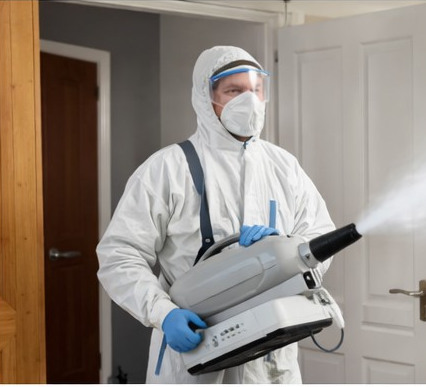
First Steps Before Cleaning Can Begin
Before remediation starts, the property must be legally and practically available for cleaning.
If a death is recent, unexpected or subject to investigation, this can involve:
- emergency services attendance
- police procedures where applicable
- coroner involvement where required in England and Wales, or the Procurator Fiscal in Scotland
- confirmation that the property can be accessed
- identification of the person authorised to arrange the work
Do not disturb an area while official restrictions remain in place. Ask the investigating contact whether the affected area can be accessed and cleaned, and whether any items must remain untouched.
Death investigation arrangements differ across the UK. Coroners investigate relevant deaths in England and Wales; in Scotland, the Crown Office and Procurator Fiscal Service (COPFS) investigates sudden, suspicious, accidental and unexplained deaths. See GOV.UK guidance on coroners and COPFS guidance on death investigations.
This guide focuses on practical arrangements in England, Scotland and Wales, where TrustedCare offers support. It is general information, not a determination of anyone’s legal rights in an individual case.
Who Can Authorise After Death Cleaning?
The appropriate person will depend on the ownership and circumstances of the property. Authority may potentially come from:
- the property owner
- an executor or administrator dealing with an estate
- a landlord or letting agent acting with appropriate authority
- a housing association or housing provider
- a property manager
- another person legally responsible for the property
Where there is uncertainty about ownership, probate, tenancy rights or authority to enter a property, obtain appropriate professional advice before authorising work. Confirm authority to remove belongings separately from permission to enter and clean. Record who approves the quotation and who will receive the invoice; an expected insurance payment should not be treated as confirmed cover.
For more information about financial responsibility, see Who Pays for After Death Cleaning in the UK?
Property and Responsibility Considerations
The exact position varies from case to case. These are common practical situations rather than definitive legal rulings.
Homeowners
Where the deceased owned the property, an executor, administrator or other authorised person may need to arrange access and remediation as part of managing the property or estate.
Landlords
In rented accommodation, establish the tenancy position and permission for access before arranging cleaning or removing belongings. A death should not be treated as automatic permission to repossess the property. Responsibility for costs depends on the circumstances.
Executors & Estates
An executor or administrator may be involved in authorising work and managing property expenses where the deceased owned or was responsible for the property.
Housing Providers
Councils, housing associations and other housing providers may have their own procedures for access, approval, contractor instruction and property handover.
Insurers
Insurance may contribute to remediation or associated property damage in some circumstances. Cover depends on the individual policy and should be confirmed with the insurer.
Managed Properties
Letting agents and property managers should establish who has authority to approve access, expenditure and remediation before instructing work.
Five Checks Before You Book
- Access: where authorities are involved, confirm that entry and cleaning are permitted and note any restrictions.
- Authority: identify the person who can approve cleaning and removal of affected items.
- Scope: agree which rooms, materials and belongings are included, and what must be retained.
- Payment: agree who is instructing the contractor, the quoted price and any insurer approval needed.
- Handover: ask what completion records, waste paperwork and advice about further work will be provided.
For landlords, the rules depend on the country and tenancy circumstances. GOV.UK explains a specific situation in its guidance where a tenant dies without an executor or a will. Use advice relevant to the property before taking possession or disposing of belongings.
When Is Specialist After Death Cleaning Required?
Not every death in a property creates a biohazard cleaning requirement. Where biological contamination is present, however, normal domestic cleaning may not be appropriate.
Specialist cleaning may be required where there is:
- blood or bodily-fluid contamination
- decomposition contamination
- persistent decomposition odour
- affected carpets, underlay, furnishings or flooring
- insect activity associated with decomposition
- contaminated waste requiring controlled handling
More complex unattended-death situations are covered separately in our Unattended Death Cleaning UK guide.
Need to Discuss an After Death Cleaning Situation?
Contact TrustedCare to discuss the property, circumstances and likely next steps in confidence.
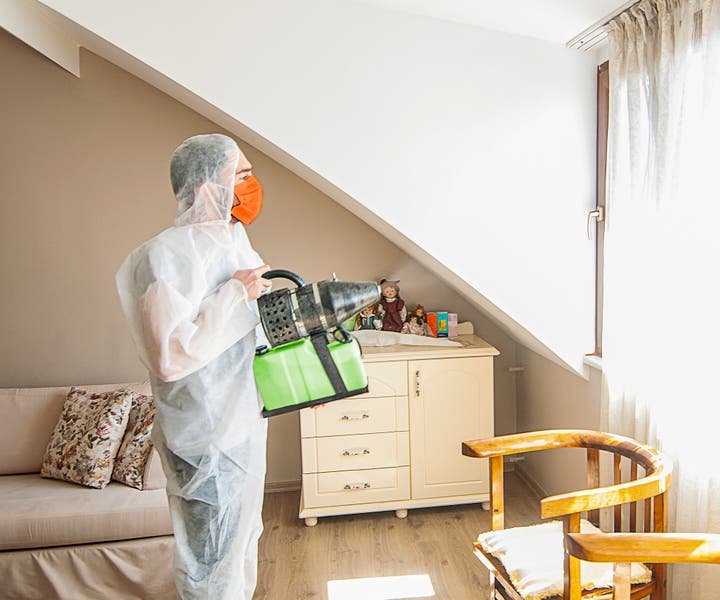
Insurance Considerations
Some insurance policies may provide cover for cleaning, remediation or property damage following a death, but this should never be assumed.
Cover depends on factors such as the policy wording, property type, ownership and circumstances. Where practical, the policyholder should contact the insurer before authorising significant removal or restoration work.
It can be useful to retain photographs, quotations, the proposed scope of work and any relevant reference numbers when discussing remediation with an insurer.
Waste and Contaminated Materials
Some after death cleaning situations involve biological contamination and materials that require appropriate handling and disposal.
Depending on the circumstances, the work may involve:
- identification of affected materials
- appropriate containment and packaging
- removal of contaminated furnishings or flooring where necessary
- appropriate transport and disposal arrangements
- retention of relevant documentation where required
The exact procedure depends on the type and extent of contamination present. Ask the contractor how waste will be classified, who will transport it and what disposal records will be supplied. Do not assume that every removed item belongs in the same waste category. GOV.UK business waste guidance explains responsibilities including secure storage, authorised collection and appropriate records, with links to separate national guidance.
When Can Cleaning Start?
Cleaning can normally be arranged once:
- any official restrictions affecting the proposed cleaning have been lifted or the relevant authority has confirmed it may proceed
- access to the property is permitted
- the person arranging the work has appropriate authority
- the initial scope of cleaning can be assessed
The cleaning itself may then take anything from a relatively short attendance to several stages depending on contamination, affected materials and the condition of the property.
See our How Long Does After Death Cleaning Take in the UK? guide for more information.
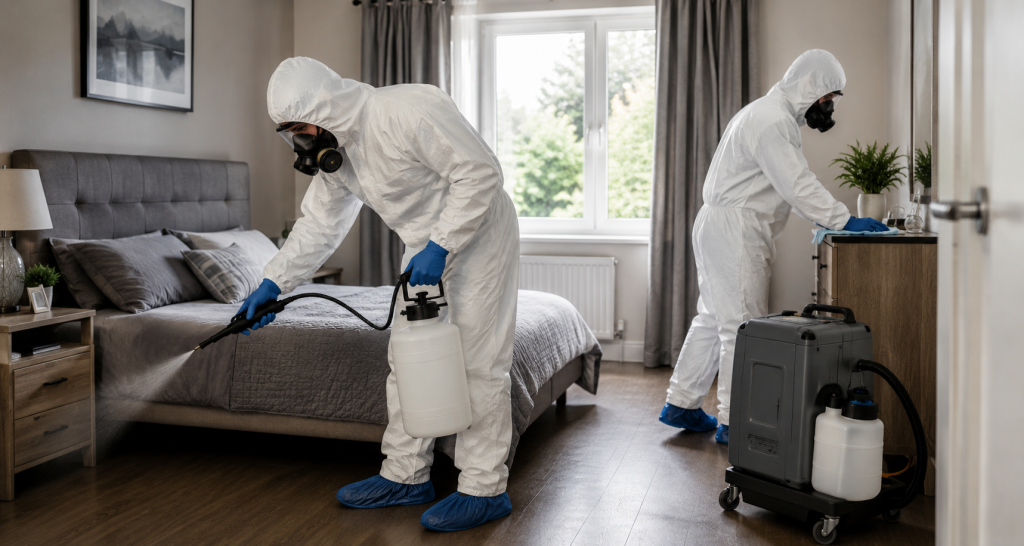
Documentation Worth Keeping
Depending on the circumstances, it can be sensible to retain a basic record of the work and the authority under which it was arranged.
- the date access was provided
- the name or role of the person authorising the work
- property photographs where appropriate
- the quotation and agreed scope of work
- insurance claim or reference numbers where applicable
- relevant disposal or contractor documentation provided
These records may be useful to families, executors, landlords, housing providers, insurers or property managers if questions arise later.
What Affects After Death Cleaning Costs?
After death cleaning is normally priced according to the actual work required rather than a single standard charge.
Factors can include:
- the extent of biological contamination
- how long the property was unattended
- affected flooring, furnishings or other materials
- odour treatment requirements
- waste removal
- property access and layout
- the number of areas requiring treatment
For a fuller explanation, see our After Death Cleaning Pricing UK guide.
Related After Death Cleaning Guides
Frequently Asked Questions
Do police or the coroner need to clear the property first?
Where police or coroner procedures are required, the affected area should not be disturbed until the relevant authorities have finished their work and access is permitted.
Can a landlord arrange after death cleaning?
A landlord or managing agent may be involved in arranging cleaning in a rented property, but access, authority and the individual tenancy circumstances should be established first.
Can insurance pay for after death cleaning?
Possibly. Cover depends on the individual insurance policy and circumstances. The insurer should confirm whether cleaning, remediation or associated property damage is covered.
How long does after death cleaning take?
The time required depends on the extent of contamination, affected materials, waste removal, odour treatment and the condition of the property. Some jobs are relatively contained while more complex remediation can require several stages.
Who normally pays for after death cleaning?
Responsibility can involve the property owner, landlord, estate, housing provider or insurer depending on the circumstances. Each situation should be considered individually.
Confidential After Death Cleaning Support
If you need specialist cleaning following a death in a property, contact TrustedCare to discuss the circumstances and the next practical steps.
England • Scotland • Wales