Trusted Care – Specialist Cleaning & Restoration

  • After Death Cleaning Cost UK – What To Expect & What Affects Pricing

    After Death Cleaning Cost UK – What To Expect & What Affects Pricing

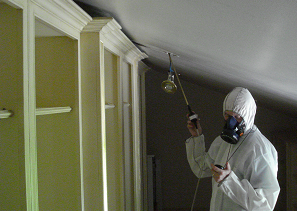
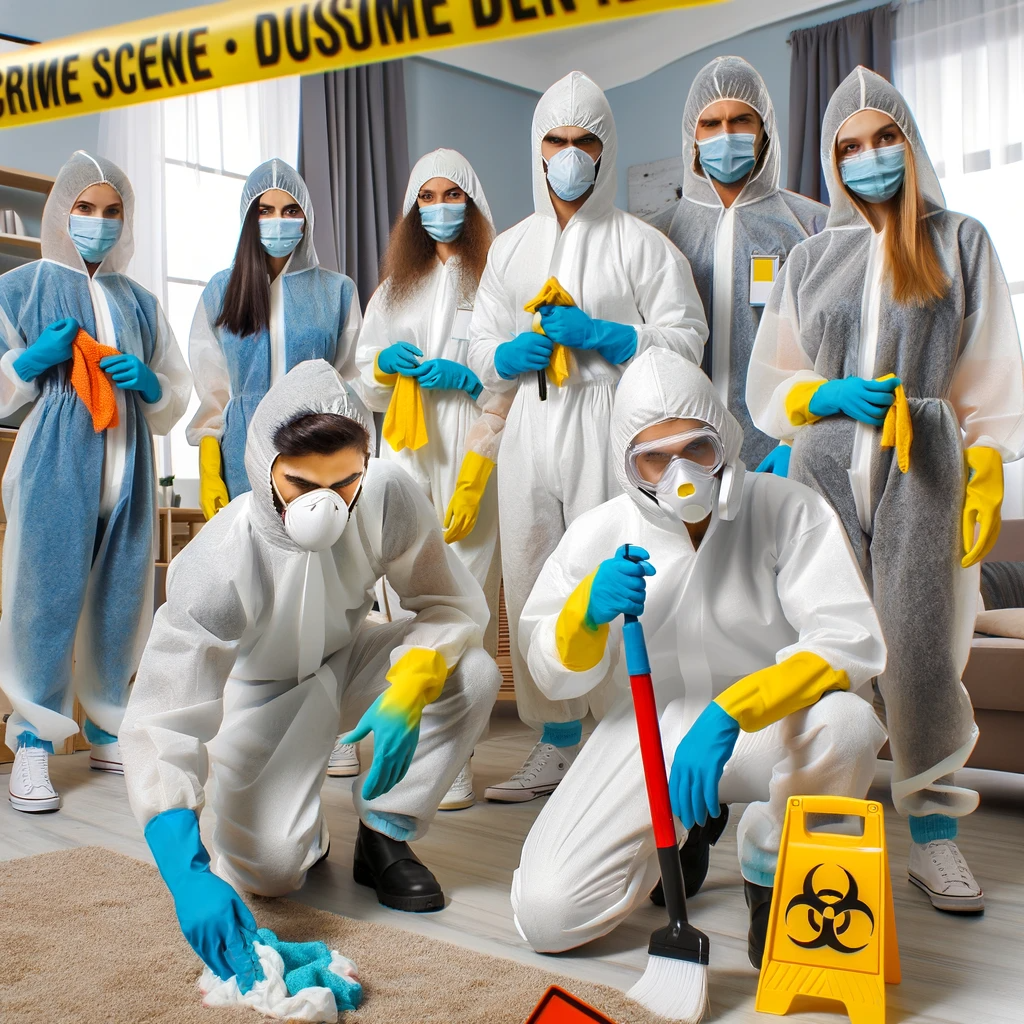
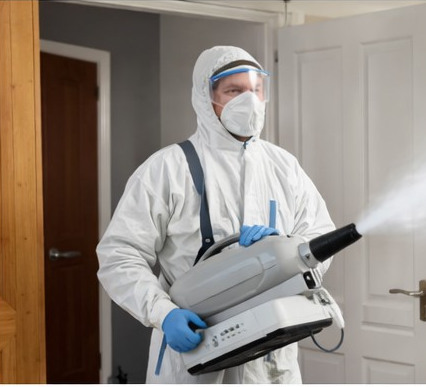
    After death cleaning team carrying out professional biohazard remediation inside a UK property

    When a death occurs in a property, particularly where it has been unattended, specialist remediation may be required. One of the most common questions is:

    How much does after death cleaning cost in the UK?

    The cost depends on the condition of the property, level of contamination, and the work required to restore the area safely and compliantly.

    Trusted Care provides structured assessments and transparent pricing across England, Scotland and Wales.


    Average After Death Cleaning Costs in the UK

    While every situation is different, typical UK pricing ranges are:

    • £800 – £1,200 for contained room remediation
    • £1,200 – £2,500+ where contamination has spread
    • Higher costs where structural materials must be removed or replaced

    These figures reflect professional biohazard remediation, not standard cleaning.

    For an overview of the full service, see:

    👉 https://trustedcare.uk/after-death-cleaning/


    What Affects The Cost?

    After death cleaning is priced based on risk and remediation scope. Factors include:

    1. Time Before Discovery

    The longer a property has been unattended, the greater the likelihood of:

    • Fluid penetration into flooring
    • Odour migration
    • Structural contamination

    See also:
    👉 https://trustedcare.uk/unattended-death-cleaning-uk/


    2. Level of Biohazard Contamination

    Costs increase where there is:

    • Bodily fluid contamination
    • Decomposition odour
    • Insect activity
    • Contaminated furnishings

    Professional PPE, waste disposal compliance and chemical treatment are required.


    3. Structural Damage

    In some cases, remediation may involve:

    • Carpet removal
    • Floorboard removal
    • Plasterboard removal
    • Subfloor treatment

    This moves the project from surface cleaning to restoration-level remediation.


    4. Property Size & Access

    Larger properties or restricted access can affect:

    • Labour time
    • Waste volume
    • Equipment logistics

    Is After Death Cleaning Covered By Insurance?

    In some circumstances, buildings or landlord insurance policies may contribute toward remediation costs.

    This depends on:

    • Policy terms
    • Cause of death
    • Property ownership status

    Landlords, housing associations and executors should check policy wording carefully.

    For responsibility guidance, see:
    👉 https://trustedcare.uk/who-is-responsible-when-a-property-issue-causes-health-or-safety-risks/


    Who Pays For After Death Cleaning?

    Responsibility can vary depending on:

    • Whether the property is rented or privately owned
    • Whether an estate has been established
    • Whether the death occurred in social housing

    Generally:

    • Private homeowners → estate responsibility
    • Rental property → landlord responsibility (in most cases)
    • Social housing → housing provider responsibility

    Each case should be assessed individually.


    Why Professional Remediation Is Essential

    After death cleaning is not standard domestic cleaning.

    It involves:

    • Biohazard control
    • Infection risk management
    • Proper hazardous waste disposal
    • Decontamination certification

    Attempting to manage the situation without professional support can result in ongoing odour issues and health risks.


    How Trusted Care Assesses Cost

    We provide:

    • Initial telephone assessment
    • Photo-based preliminary evaluation where appropriate
    • Clear explanation of scope
    • Written quotation
    • Structured remediation plan

    We operate across England, Scotland and Wales with 24–48 hour mobilisation.


    Request A Confidential Assessment

    If you need guidance on likely costs or next steps:

    👉 https://trustedcare.uk/contact/

    Or call directly: 0330 633 5334

    Confidential support.
    No obligation to proceed.
  • Unattended Death Cleaning UK – Specialist Biohazard & Trauma Cleaning

    Unattended Death Cleaning UK – Specialist Biohazard & Trauma Cleaning


    https://www.completeenvironmentalservices.co.uk/media/images/uploaded/inline/responsibilities-of-forensic-cleaners.1650359675.jpg

    Unattended Death Cleaning UK

    Unattended death cleaning UK services are required when a person has passed away and the property has not been discovered for a period of time. In these circumstances, decomposition can create serious biohazard risks, strong odours, and contamination that must be handled professionally.

    Trusted Care provides specialist unattended death cleaning across England, Scotland and Wales, with discreet response and 24–48 hour mobilisation where required.

    If you require immediate assistance, please contact us directly for confidential support.


    What Is Unattended Death Cleaning?

    An unattended death refers to a situation where a person passes away and is not discovered for hours, days or sometimes longer. During this time, natural biological processes begin.

    This can lead to:

    • Biological contamination
    • Fluid seepage into flooring
    • Odour migration into walls and soft furnishings
    • Insect activity
    • Airborne bacterial risk

    Unattended death cleaning UK services involve the safe removal of biohazard materials, full decontamination, and professional sanitisation in accordance with UK health and safety standards.


    Why Professional Cleaning Is Essential

    Cleaning after an unattended death is not standard domestic cleaning.

    There are serious risks involved, including:

    • Bloodborne pathogens
    • Bacterial contamination
    • Structural material contamination
    • Psychological distress to family members

    Our technicians wear full PPE and use specialist equipment including:

    • Industrial disinfectants
    • HEPA filtration units
    • Ozone or fogging systems
    • Biohazard waste containment procedures

    We ensure the property is restored to a safe and habitable condition wherever possible.


    Our Process

    Our unattended death cleaning UK process includes:

    1. Risk assessment and site evaluation
    2. Safe removal of contaminated materials
    3. Deep sanitisation and decontamination
    4. Odour neutralisation treatment
    5. Final safety inspection

    All biohazard waste is removed in compliance with UK regulations.


    When Is This Service Required?

    Unattended death cleaning may be required in:

    • Private homes
    • Rental properties
    • Housing association properties
    • Care facilities
    • Hotels or temporary accommodation

    If you are unsure whether professional cleaning is required, it is best to seek advice.


    Discreet & Confidential Support

    We understand these situations are distressing. Our team operates with discretion and professionalism at all times.

    For broader guidance on the full process, you can also read our main guide to after death cleaning UK.

    (IMPORTANT: Link this sentence back to your pillar page using anchor text:
    after death cleaning UK)


    Request Support

    If you require unattended death cleaning UK services, contact Trusted Care today for confidential advice and next steps.

    Call 0330 633 5334 or complete our contact form for assistance.

  • Why Timing Matters in Property Issues

    When a problem appears in a property, the instinct is often to react immediately — or, conversely, to ignore it and hope it resolves itself. Both responses can create complications.

    Property issues rarely remain static. They either stabilise through correct intervention or escalate through delay or misjudgement. Understanding timing is often more important than the action itself.


    https://images.openai.com/static-rsc-3/-dCFIO7BStF592or7gzj6EM89Fwmq4FZ8V1ngagzX-z5htQEDPu1ISVq1_qynfB6oYmIjG50_EU52BR72hdb2l3Ikz_B2guX616VAW-Xy7w?purpose=fullsize&v=1

    The Risk of Acting Too Early

    Reacting without structured evaluation can lead to unnecessary disruption and incorrect fixes. For example, treating visible mould without identifying the source of moisture may temporarily improve appearance while allowing the underlying issue to persist.

    Before intervening, a proper risk assessment should determine:

    • Whether health hazards are present
    • Whether structural elements are affected
    • Whether the issue is spreading
    • Whether professional containment is required

    Without this assessment, well-intentioned action can mask deeper problems.

    Link this phrase exactly:


    The Risk of Waiting Too Long

    Delay can be equally damaging. Minor damp, staining, or odours may initially appear cosmetic. Over time, these issues can cross the threshold into property emergencies involving structural instability, contamination, or health exposure.

    Escalation often occurs gradually:

    • Persistent moisture encourages mould growth
    • Small leaks weaken materials
    • Poor ventilation degrades air quality
    • Delayed reporting increases repair complexity

    Recognising when an issue has moved beyond “monitoring” into urgency is critical.


    https://dl-mag-media.dlgdigitalservices.com/lib/img/DL_Blog_Burst_Water_800x450.jpg

    How Escalation Actually Happens

    Most serious property incidents do not begin dramatically. They develop through a series of small decisions:

    • Ignoring early warning signs
    • Applying surface-level treatments
    • Failing to document issues
    • Misjudging responsibility

    Once problems compound, the cost and complexity increase significantly.


    The Balanced Response

    Effective management of property risk sits between overreaction and neglect.

    A proportionate approach involves:

    1. Clear observation
    2. Structured evaluation
    3. Evidence-based action

    Urgency should be determined by risk level, not discomfort or assumption. Acting at the correct time protects occupants, reduces cost, and limits long-term disruption.

  • Who Is Responsible When a Property Issue Causes Health or Safety Risks?

    Who Is Responsible When a Property Issue Causes Health or Safety Risks?

    Why Responsibility Matters When Property Risks Are Involved

    When a property issue begins to affect health or safety, one of the first questions people ask is “who is responsible?”. This question matters because responsibility determines who must take action, who bears the cost, and what happens if the issue is ignored.

    Responsibility is not always straightforward. It depends on factors such as who owns the property, how the issue arose, and whether the risk could reasonably have been identified earlier.

    Understanding responsibility early helps prevent disputes, delays, and unnecessary escalation.


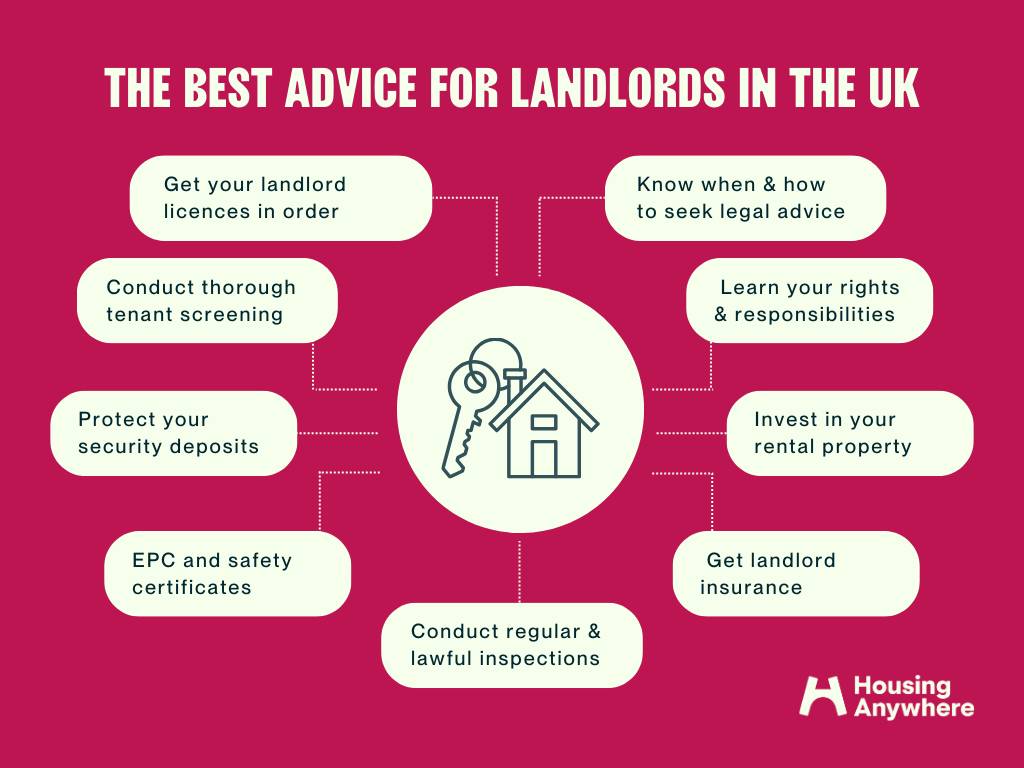
    https://images.ctfassets.net/qr8kennq1pom/1W8LwNB9xLzB4k9nkjBi6y/1edb17585d80a2fb609bf30348697288/Best_advice_for_landlords_in_the_UK.png?fl=progressive&fm=jpg&q=70

    Common Situations Where Responsibility Is Questioned

    Responsibility is most often disputed when a property problem develops gradually rather than suddenly. Issues such as mould growth, persistent damp, contamination, or unsafe living conditions may not be immediately obvious, making it harder to determine when action should have been taken.

    Disputes often arise between landlords and tenants, managing agents and leaseholders, or insurers and policyholders. Each party may believe responsibility lies elsewhere, particularly if the issue has existed for some time.

    Clear assessment and documentation are often the first step toward resolving these situations.


    How Risk Assessment Influences Responsibility

    Responsibility is closely linked to whether a risk was identifiable and whether reasonable steps were taken once it was known. Proper assessment helps establish when a problem crossed from being minor into something that posed a genuine health or safety concern.

    This is why understanding how property risks are assessed before recommending professional help is important. Evidence-based assessment provides clarity around severity, duration, and potential impact, all of which influence responsibility.


    When Responsibility Shifts Due to Escalation

    In some cases, responsibility can change over time. An issue that begins as a minor maintenance concern may become a serious hazard if left unaddressed. Once health or safety risks are present, expectations around action and intervention increase.

    Failing to respond appropriately once risks are known can lead to enforcement action, insurance complications, or formal disputes. Escalation often occurs not because the issue existed, but because it was ignored.


    https://focus.belfasttelegraph.co.uk/thumbor/iTCM4-qFhUOxRnP7bQGNn57S02A%3D/0x0%3A3238x2158/400x0/prod-mh-ireland/771736e1-2321-4a4e-a93f-d6b3f85c5e1a/87382e85-8349-42fe-9298-7469ec2c5685/771736e1-2321-4a4e-a93f-d6b3f85c5e1a.jpg

    What Usually Happens Once Responsibility Is Clear

    Once responsibility is established, the next steps become more structured. This may involve remedial works, professional intervention, or formal processes to ensure risks are reduced and compliance obligations are met.

    Clarity at this stage prevents ongoing disagreement and helps ensure that property issues affecting health or safety are resolved proportionately and effectively.


    What to Consider Before Taking Next Steps

    Before acting, it is important to understand whether the issue is urgent, whether professional involvement is necessary, and how responsibility may affect timing and cost. These decisions are closely connected to whether the situation is classed as a property emergency or allows time for planned intervention.

    Understanding both urgency and responsibility together leads to better outcomes and fewer long-term complications.

  • When a Property Issue Becomes an Emergency (And When It Doesn’t)

    When a Property Issue Becomes an Emergency (And When It Doesn’t)

    Understanding What Actually Counts as a Property Emergency

    Not every property problem requires immediate action. Some issues feel urgent because they are inconvenient or unpleasant, while others may appear manageable but carry serious risks if left untreated.

    Understanding the difference between a genuine emergency and a non-urgent issue helps prevent unnecessary disruption while ensuring that real risks are addressed promptly and safely.


    https://cdn.prod.website-files.com/629779d67a37b998e76d91a5/635a9b1e3097f60a69ec3819_Burst-pipes-march.jpg

    Situations That Are Generally Considered Emergencies

    A property issue is typically treated as an emergency when it presents an immediate risk to health, safety, or the structure of the building.

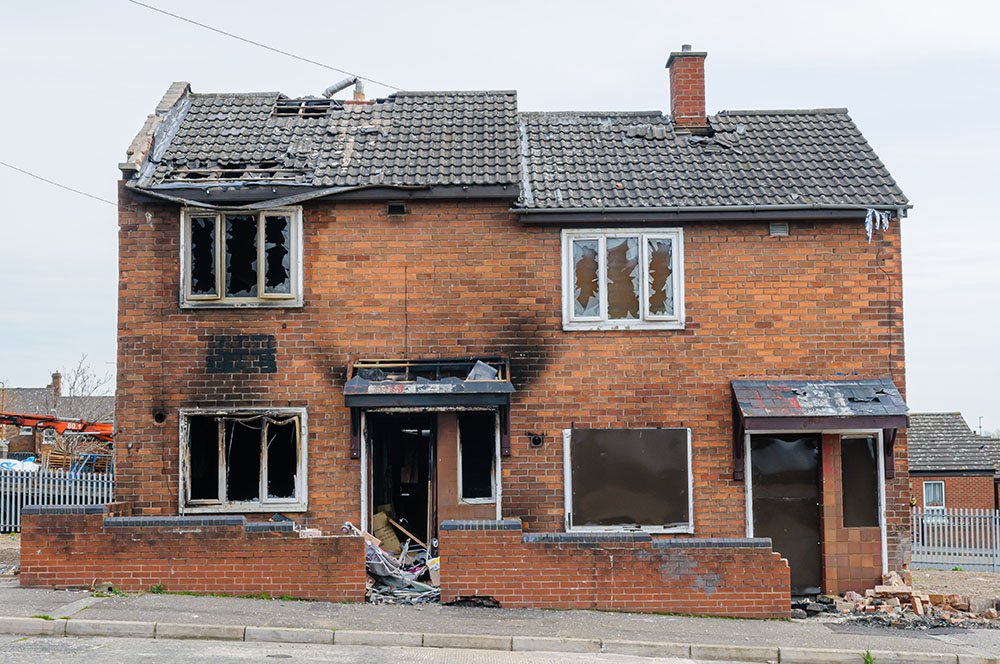
    Common examples include uncontrolled water ingress from burst pipes, sewage backflow, fire or smoke damage, electrical hazards, or contamination that could expose occupants to harmful substances. In these cases, delay can worsen damage, increase health risks, or lead to secondary problems such as mould growth or structural deterioration.

    Emergency situations are defined by risk, not inconvenience.


    Issues That Feel Urgent but Are Usually Not Emergencies

    Some problems create distress without posing immediate danger. Minor leaks, isolated damp patches, cosmetic damage, or odours without an identified source may feel urgent but often allow time for assessment before action is taken.

    Treating non-emergency issues as emergencies can lead to unnecessary cost or inappropriate interventions. A short pause to understand the underlying cause often results in a more effective and proportionate response.


    https://www.permagard.co.uk/media/mageplaza/blog/post/resize/550x/blog/main_image/Rising-Damp-Internal-Wall-tidemark.jpeg

    Why Misjudging Urgency Causes Problems

    Responding too aggressively to a non-emergency can create disruption or expense without improving outcomes. Conversely, underestimating a genuine emergency can allow damage to spread, increase remediation costs, or expose occupants to avoidable risks.

    Clear judgement is particularly important where insurance, landlord responsibilities, or compliance obligations may later be questioned. Decisions made in the first hours often influence outcomes long after the initial issue is resolved.


    How Emergency Status Is Typically Assessed

    Emergency classification is based on observable risk factors rather than assumptions. These may include active leaks, visible contamination, rapid spread of damage, compromised utilities, or evidence of conditions that could escalate quickly.

    This process mirrors the risk-based assessment approach explained in our guide on how property risks are assessed before recommending professional help,which focuses on evidence rather than reaction.


    What to Do Once Urgency Is Clearly Identified

    Once it is clear whether an issue is an emergency or not, the appropriate next step becomes easier to define. Emergency situations require immediate containment and risk reduction, while non-urgent issues benefit from structured assessment and planned intervention. In many cases, understanding responsibility early helps prevent delay, confusion, and escalation.

    Clarity at this stage reduces confusion, limits unnecessary escalation, and supports better long-term outcomes for both occupants and property owners.

    In some cases, delaying action allows manageable concerns to escalate.


  • How We Assess Property Risks Before Recommending Professional Help

    How We Assess Property Risks Before Recommending Professional Help

    Why Assessment Comes Before Any Recommendation

    When something appears wrong in a property, the instinct is often to act quickly. However, moving too fast — or choosing the wrong response — can create additional risks, increase costs, or make the situation harder to resolve later.

    A proper assessment ensures that any action taken is proportionate, necessary, and safe. Not every issue requires professional intervention, and in some cases monitoring or minor remedial steps are sufficient. Understanding the nature of the risk first protects both occupants and the property itself.


    https://m.media-amazon.com/images/I/61S%2BsAXq2pL._AC_UF894%2C1000_QL80_.jpg

    The Key Risks We Look For in a Property

    Property-related issues are rarely isolated. During an assessment, several categories of risk are considered together rather than individually.

    These include potential health hazards such as mould growth, contamination, or poor air quality; physical damage to building materials; and the risk of issues spreading to unaffected areas. The presence of vulnerable occupants — such as children, elderly residents, or individuals with underlying health conditions — is also an important consideration.

    Looking at the wider picture prevents underestimating a problem that may initially appear minor.


    How We Distinguish Between Minor Issues and Serious Hazards

    Not all property problems are equal. Some issues remain cosmetic or low-risk if addressed early, while others escalate quickly if left unmanaged.

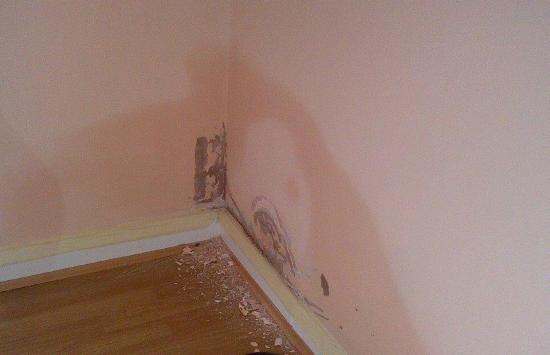
    Indicators such as persistent moisture, strong or unusual odours, visible residue, staining, or evidence of prolonged exposure help distinguish between minor defects and more serious hazards. The history of the issue — how long it has been present and whether previous attempts to resolve it have failed — also plays a key role in understanding severity.

    The goal is not to label every issue as dangerous, but to identify which situations genuinely require escalation.


    https://www.blackmould.me.uk/images/mould%20inspection.png

    When Professional Intervention Becomes Necessary

    Professional involvement becomes appropriate when certain thresholds are crossed. These may include confirmed health risks, widespread contamination, structural involvement, or situations where incorrect handling could worsen the problem.

    In these cases, specialist knowledge, controlled processes, and appropriate equipment are needed to manage the issue safely and effectively. Acting without proper controls can expose occupants to harm or invalidate insurance and compliance requirements.

    Clear criteria help ensure professional intervention is used where it genuinely adds value.


    Why Acting Too Early — or Too Late — Causes Problems

    There are risks on both sides of inaction and overreaction. Acting too early can lead to unnecessary disruption or expense, while delaying action can allow issues to spread or become entrenched.

    DIY attempts may mask underlying causes without resolving them, and delays can complicate remediation, increase health risks, or create disputes over responsibility later on. Timing matters as much as the action itself.

    A balanced, evidence-led assessment avoids both extremes.


    https://i.dailymail.co.uk/1s/2021/04/26/09/42224984-0-image-a-76_1619426921918.jpg

    What Happens After an Assessment

    Once risks within a property are clearly understood, the appropriate next step becomes easier to identify. This may involve monitoring, targeted remedial work, or immediate action in situations classed as property emergencies where health, safety, or structural risks are present.

    Issues caused by acting too early or too late can complicate otherwise manageable risks