When a problem appears in a property, the instinct is often to react immediately — or, conversely, to ignore it and hope it resolves itself. Both responses can create complications.
Property issues rarely remain static. They either stabilise through correct intervention or escalate through delay or misjudgement. Understanding timing is often more important than the action itself.

The Risk of Acting Too Early
Reacting without structured evaluation can lead to unnecessary disruption and incorrect fixes. For example, treating visible mould without identifying the source of moisture may temporarily improve appearance while allowing the underlying issue to persist.
Before intervening, a proper risk assessment should determine:
- Whether health hazards are present
- Whether structural elements are affected
- Whether the issue is spreading
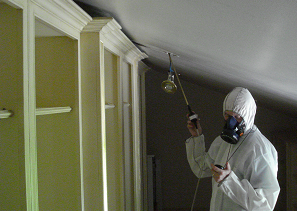
- Whether professional containment is required
Without this assessment, well-intentioned action can mask deeper problems.
Link this phrase exactly:
The Risk of Waiting Too Long
Delay can be equally damaging. Minor damp, staining, or odours may initially appear cosmetic. Over time, these issues can cross the threshold into property emergencies involving structural instability, contamination, or health exposure.
Escalation often occurs gradually:
- Persistent moisture encourages mould growth
- Small leaks weaken materials
- Poor ventilation degrades air quality
- Delayed reporting increases repair complexity
Recognising when an issue has moved beyond “monitoring” into urgency is critical.
If professional assistance is required, learn more about specialist cleaning services across the UK.

How Escalation Actually Happens
Most serious property incidents do not begin dramatically. They develop through a series of small decisions:
- Ignoring early warning signs
- Applying surface-level treatments
- Failing to document issues
- Misjudging responsibility
Once problems compound, the cost and complexity increase significantly.
The Balanced Response
Effective management of property risk sits between overreaction and neglect.
A proportionate approach involves:
- Clear observation
- Structured evaluation
- Evidence-based action
Urgency should be determined by risk level, not discomfort or assumption. Acting at the correct time protects occupants, reduces cost, and limits long-term disruption.

TrustedCare Editorial Team publishes UK guidance on specialist cleaning and biohazard remediation, including after-death cleaning, flood restoration and contamination control. Content is written for homeowners, landlords and housing providers seeking clear, practical information.