What Affects After Death Cleaning Pricing in the UK?
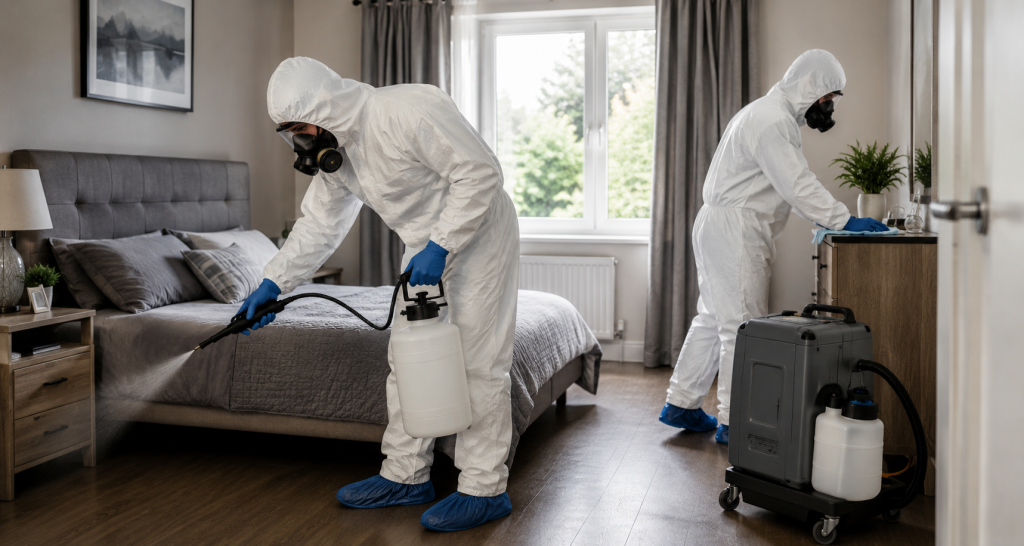
AFTER DEATH CLEANING • PRICING EXPLAINED
What Affects After Death Cleaning Pricing in the UK?
The price depends on the contamination, affected materials, waste removal and treatment needed—not simply the number of bedrooms. This guide explains how those factors change your quote and what to check before booking.
For discreet help, tell TrustedCare the property postcode and a brief description of the situation. We can discuss the cleaning requirements and confirm availability.
See indicative cleaning budgets and what affects your quote
Confidential enquiries • Homes and managed properties • England, Scotland & Wales
How much should you budget for after-death cleaning?
TrustedCare’s after-death cleaning cost guide publishes the following broad guide ranges. They are indicative budgets for specialist cleaning, not fixed quotes or a standard charge for every property.
Minor contamination
£800–£1,500
An indicative budget for smaller, contained cases with prompt discovery.
Moderate unattended death
£1,500–£3,500
An indicative budget for more involved contamination and cleaning requirements.
Extensive remediation
£3,500–£8,000+
An indicative budget for advanced decomposition and more extensive affected materials.
Check the total before agreeing. Your written quote should confirm the work included, any exclusions, and whether VAT applies and is included. Do not assume repairs, replacement flooring or general house clearance are covered by these guide figures. Extensive work can exceed them.
For service details and enquiries, visit TrustedCare’s after-death cleaning service.
Deceased estate cleaning is not always biohazard cleaning
If you are comparing deceased estate cleaning costs, first establish what the property actually needs. A home may need ordinary cleaning before sale, removal of belongings, specialist contamination cleaning, or a combination of those jobs.
A death in a property does not automatically mean the whole home needs specialist treatment. Equally, a standard house-clearance price may not include treatment of bodily fluids, decomposition contamination or affected flooring.
Ask for each part of the work to be identified separately. That makes it easier to compare quotations and avoids paying for a service that does not cover the affected area.
Why similar properties can receive different quotes
A contained incident on an accessible, cleanable surface can involve less work than contamination that has entered a mattress, carpet, underlay and the floor beneath. Room size alone does not reveal that difference.
Time before discovery can affect the scope, but it is not a pricing formula. The quotation needs to reflect the condition of the property and what has actually been affected.
Our unattended death cleaning guide explains why these cases can require a more detailed assessment.
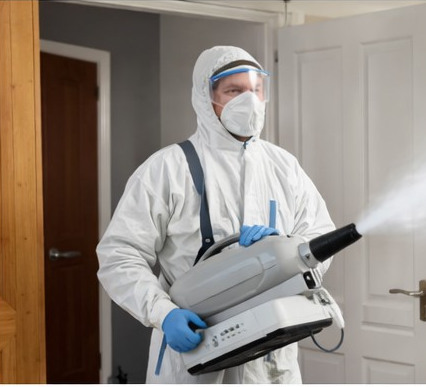
Six factors that change the price
1. Extent of contamination
The number of affected areas and the treatment required influence labour, equipment and cleaning time.
2. Flooring and furnishings
Carpet, underlay, mattresses and other absorbent materials may need removal. Contamination beneath them can add work.
3. Odour treatment
The source of an odour needs assessment. Removing affected materials and carrying out additional treatment can change the scope.
4. Waste handling
The amount and type of contaminated material affect packaging, handling, transport and disposal requirements.
5. Access and layout
Stairs, restricted parking, shared entrances and difficult access can increase the time needed to complete the work.
6. Additional work
Clearance, work in further rooms, extra visits or preparation for repairs may need separate pricing. Confirm what is included.
For the factors affecting duration, read how long after-death cleaning takes.
Need a quote for your property?
Send the postcode, property type and a brief description of the affected area. You do not need to identify every treatment yourself before contacting us.
Attendance and the scope of work are confirmed individually.
What should an after-death cleaning quote include?
Compare the actual work covered rather than choosing on the headline price alone. Ask the provider to make these points clear:
- Affected areas: which rooms, surfaces and materials will be treated.
- Removal: which carpets, furnishings or other items are included, if any.
- Waste: whether handling and disposal are included in the total.
- Odour work: what assessment and treatment are allowed for.
- Visits and access: expected attendance and any access assumptions.
- Exclusions: repairs, replacement materials, decorating or general clearance.
- Total payable: VAT treatment, any additional charges and payment arrangements.
- Changes: how extra work will be explained and agreed if hidden contamination is found.
For example, a quotation covering surface treatment alone is not equivalent to one that also includes lifting affected flooring and removing contaminated furnishings. Neither description gives enough information to assume the other services are included.
Information that helps us assess your enquiry
- The property postcode and whether it is a house, flat or managed building.
- Which room or area is affected and what is known about the circumstances.
- Whether contamination or odour is present.
- Whether carpet, furniture or flooring appears affected.
- Access arrangements, stairs, parking and who can authorise the work.
- Whether the relevant authorities have released the property, where applicable.
Photographs may help if they can be taken safely. Do not enter an unsafe area or disturb affected materials to obtain them.
Questions about payment, insurance and access
If an insurer or another organisation may be involved, ask them to confirm their requirements before authorising work. A cleaning quotation does not itself confirm insurance cover or decide who is responsible for payment.
- Who pays for after-death cleaning?
- Access and procedural questions after a death
- After-death cleaning cost guide
For further reading, UKBiohazardBlog’s guide to cleaning responsibility covers common questions.
Frequently Asked Questions
How much does after death cleaning cost in the UK?
Costs vary according to contamination, affected materials, time before discovery, waste requirements, access and whether additional remediation is needed. A property-specific quotation is therefore more reliable than a standard room rate.
Why is after death cleaning priced differently from normal cleaning?
After death cleaning can involve biological contamination, specialist cleaning, contaminated-material removal, odour treatment and controlled waste handling, which are not normally part of domestic cleaning.
Does an unattended death usually cost more to clean?
It can. Where somebody has remained undiscovered, contamination and odour may affect a wider range of materials, increasing the amount of specialist work required.
Can after death cleaning be covered by insurance?
Some insurance policies may contribute towards specialist cleaning or property remediation, but cover varies and should be confirmed with the insurer.
Who normally pays for after death cleaning?
Depending on the circumstances, payment may involve the property owner, landlord, housing provider, deceased person’s estate or an insurer.
Can a family clean the property themselves?
Where there is no biological contamination, specialist cleaning may not be necessary. Where bodily fluids, decomposition or contaminated materials are present, professional assessment is sensible.
What information helps when requesting a quotation?
The postcode, property type, location of the affected area, visible contamination, odour, affected furnishings or flooring and information about access can all help establish the likely scope.
Can the cost change if hidden contamination is discovered?
Potentially. Contamination beneath flooring, furniture or other materials may only become visible once the affected area is accessed. Any additional work should be explained before it proceeds.
Ask TrustedCare about after-death cleaning pricing
Contact us with the postcode and what you know about the property. We can discuss the likely cleaning requirements and next steps for obtaining a quotation.
Prefer a callback? Send an enquiry through our contact page.
Discreet support across England, Scotland and Wales. Availability is confirmed when you enquire.

TrustedCare Editorial Team publishes UK guidance on specialist cleaning and biohazard remediation, including after-death cleaning, flood restoration and contamination control. Content is written for homeowners, landlords and housing providers seeking clear, practical information.