Fire Damage Cleaning Liverpool
Specialist smoke, soot, odour and fire-related contamination cleaning for homes, flats, landlords and commercial premises across Liverpool and Merseyside.
A fire can be contained quickly and still leave contamination throughout a Liverpool property. Smoke moves through door gaps, stairwells and service routes; soot settles on surfaces and belongings; and water used during firefighting may affect rooms below or beside the original incident.
TrustedCare supports homeowners, tenants, landlords, housing providers, managing agents and businesses across Liverpool and Merseyside. We help define and carry out the specialist cleaning stage so suitable areas can progress towards insurer inspection, drying, repair, redecoration, handover or reoccupation.
Need Help After a Fire in Liverpool?
Do not enter a restricted or unsafe building. Wait until access has been permitted by the fire and rescue service or other responsible authority. Notify the insurer, landlord, freeholder or managing agent before major cleaning or disposal wherever possible.
To discuss the cleaning requirement, provide the Liverpool postcode, property type, fire date, rooms affected, visible soot, strength of smoke odour, firefighting-water damage, access limitations and any loss-adjuster instructions.
What Specialist Fire Cleaning Can Cover
Fire residue is not ordinary household dirt. Its composition and behaviour vary with what burned, the heat involved and the surface on which it settled. A suitable method for a sealed floor may be unsuitable for painted plaster, timber, textiles or electronics.
Soot Removal
Controlled removal from appropriate walls, ceilings, floors, doors, fixtures and fittings while limiting unnecessary spread.
Smoke Residue Cleaning
Surface treatments selected for the residue, finish and condition instead of a single method across every room.
Odour Treatment
Cleaning smoke-affected sources before suitable deodorisation of rooms, contents and porous materials.
Contents Assessment
Agreed sorting of belongings that may be recoverable from items requiring specialist disposal or further assessment.
Authorised Waste
Removal of approved fire-damaged materials and cleaning waste within the defined work and access plan.
Pre-Restoration Cleaning
Preparing suitable areas for drying, inspection, repair, decoration or another approved recovery contractor.
Liverpool Property Types and Cleaning Challenges
Liverpool’s building stock ranges from Victorian and Edwardian terraces to converted houses, student accommodation, city-centre apartment blocks, waterfront developments and converted commercial buildings. These layouts create very different routes for smoke, water and contractor access.
Residential Properties
- Terraced and suburban family homes
- Flats, apartments and converted buildings
- HMOs and shared accommodation
- Rented, vacant and managed housing
Commercial Properties
- Retail and hospitality premises
- Offices and mixed-use buildings
- Warehouses, workshops and storage sites
- Communal and building-managed areas
Older terraces may contain roof spaces, chimney routes and adjoining structures that need consideration, while apartment buildings can involve common corridors, lifts, ventilation and several responsible parties. The cleaning plan must reflect the actual building rather than the size of the visible burn mark alone.
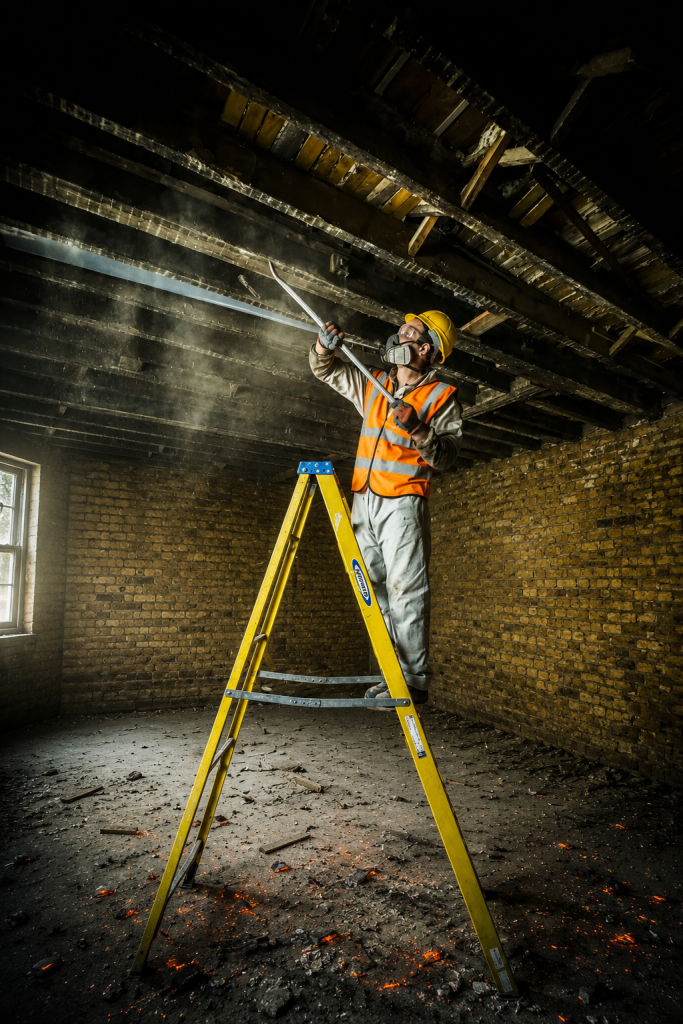
Why Smoke Damage Extends Beyond the Burned Area
Warm smoke can move along ceilings, through landings and around pipework before cooling and depositing residue. Rooms that look untouched may still contain a fine film on shelves, appliances, furniture, floors and soft furnishings. Odour can remain inside porous materials after visible marks have been reduced.
In terraces, flats and mixed-use buildings, adjoining rooms or occupancies may need separate consideration. Moving contents through a clean hallway without controls can transfer soot and enlarge the affected area. Learn more from Smoke Odour Removal UK and Soot Removal Cleaning Services UK.
Our Liverpool Fire Cleaning Process
- Initial information: we record the location, incident, property use, affected rooms, smoke, soot, odour, water and access.
- Assessment: accessible materials and areas are reviewed to establish the likely cleaning, contents and waste requirements.
- Coordination: the scope is agreed with the homeowner, landlord, manager, insurer, loss adjuster or business contact where required.
- Work-area planning: entry routes, cleaner spaces, residents, neighbouring occupiers and other contractors are considered.
- Specialist cleaning: suitable methods are applied according to the residue, surface and agreed scope.
- Contents and odour work: approved items are sorted or treated and odour sources are addressed before deodorisation.
- Handover: completed areas are prepared for drying, inspection, repair, decoration or the next authorised stage.
Specialist cleaning is only one part of fire recovery. Structural, electrical, gas and wider building-safety decisions must be made by the appropriately qualified responsible professionals.
Firefighting Water and Secondary Damage
Water may pass through floor voids, ceilings and wall cavities, carrying residue into lower areas. Wet plasterboard, insulation, flooring and contents can deteriorate or develop additional contamination if the moisture issue is not addressed.
Cleaning, drying, strip-out and reinstatement should be coordinated so one contractor’s work does not undermine another stage. The responsible customer or insurer should confirm who is handling moisture assessment, utilities, repairs and authorised removal.
Flats, HMOs and Shared Buildings
A Liverpool flat may sit within a building where the internal dwelling, contents and common parts have different owners, managers or policies. Smoke in a corridor, stairwell, neighbouring unit or shared ventilation route should be documented and reported to the relevant building contact.
Resident communication, security, lifts, working hours and clean access routes may all affect attendance. See Fire Damage Cleaning for Flats and Apartments UK for more detailed guidance.
Commercial and Waterfront Property Support
Retail, hospitality, office, warehouse and mixed-use sites can contain stock, documents, IT systems, food-contact areas or machinery that require decisions from different responsible people. The cleaning scope may need insurer agreement and coordination with landlords, facilities teams and neighbouring occupiers.
City-centre and waterfront buildings may have managed entrances, loading restrictions, lifts and limited contractor parking. Industrial and storage premises can require site induction, keys, utility isolation or equipment controls. Providing these details early helps create a workable plan. See Commercial Fire Damage Cleaning UK.
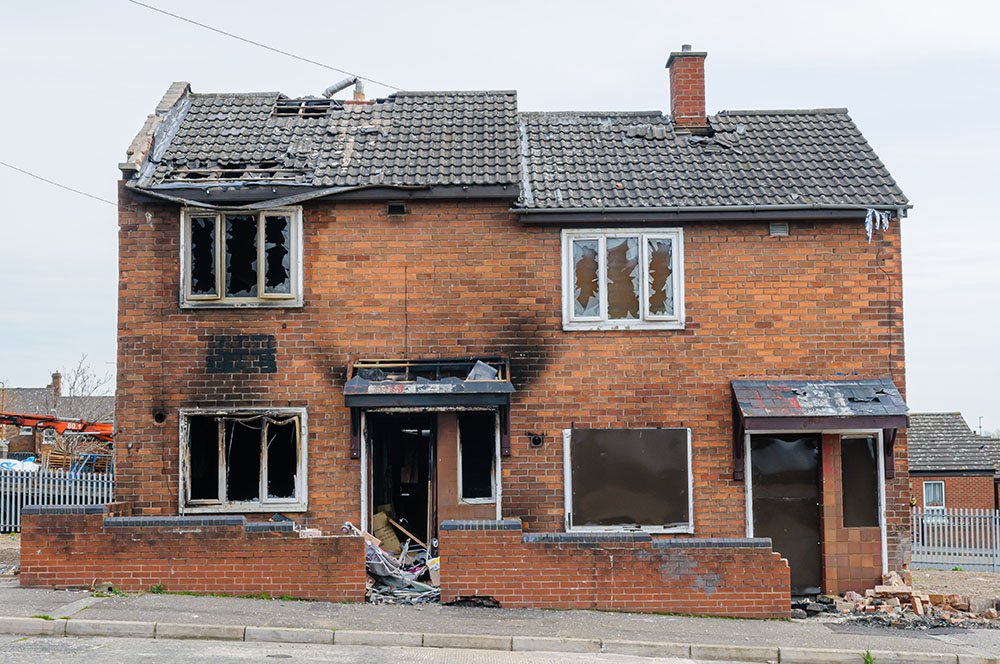
Insurance Claims, Landlords and Documentation
Responsibility can depend on ownership, tenancy or lease terms, the affected part of the building, the fire’s circumstances and the policies in force. In a managed block, separate buildings and contents policies may be involved.
Useful steps when insurance may apply:
- Notify the insurer promptly and obtain a claim reference
- Photograph safely accessible damage before cleaning
- Ask whether a loss adjuster must attend
- Do not discard significant items without authorisation
- Confirm which emergency and cleaning work is approved
- Retain quotes, invoices and key correspondence
Cover depends on the individual policy and insurer decision. Visit Fire Damage Insurance Claims UK for practical information.
Avoid DIY Cleaning of Widespread Soot
Dry brushing, vigorous wiping and unsuitable household chemicals may spread residue, force it into porous finishes or create permanent smearing. Covering smoke odour with fragrance does not remove the contaminated source and can complicate later treatment.
Call TrustedCare – 0330 633 5334Fire Damage Cleaning Costs in Liverpool
Price is affected by the property size, affected rooms, residue severity, surfaces, odour penetration, firefighting water, contents, waste, access and whether shared or neighbouring spaces are included. A contained kitchen incident is very different from smoke throughout a multi-storey terrace, apartment development or warehouse.
Photographs may help the first conversation, but an accurate quotation must reflect the real condition and authorised work. View Fire Damage Cleaning Cost UK →
When Can a Liverpool Property Be Reoccupied?
There is no standard waiting period. Reoccupation depends on building safety, escape routes, utilities, smoke and soot contamination, wet materials, essential facilities and any requirements from a landlord, manager or insurer.
Cleaning does not certify that a building is safe. Appropriate professionals may need to confirm structural, electrical, gas and other safety matters. Read Can You Stay in a House After a Fire?.
Areas Covered Across Liverpool and Merseyside
TrustedCare supports fire-affected domestic, managed and commercial properties in Liverpool and surrounding areas, including:
Other Fire Damage Cleaning Areas
Related Fire and Smoke Damage Services
Helpful Fire Recovery Guides
Discuss Fire Damage Cleaning in Liverpool
Contact TrustedCare with the postcode, building type, fire date, affected areas, visible soot, smoke odour, water damage, contents concerns, access limits and any instructions from the insurer, landlord or managing agent.
Get a Free Liverpool Quote Call 0330 633 5334 WhatsApp TrustedCareFrequently Asked Questions
What does fire damage cleaning in Liverpool include?
It may include soot removal, smoke-residue cleaning, odour-source treatment, authorised waste removal, contents sorting and preparation for drying, repair or redecoration.
How quickly can fire cleaning be arranged in Liverpool?
Timing depends on safety, postcode, access, severity, availability and any insurer or building-manager instructions. Contact TrustedCare with the incident details.
Which areas around Liverpool do you cover?
Coverage includes Liverpool City Centre, Aigburth, Allerton, Woolton, Bootle, Crosby, Huyton, Kirkby, Prescot, Wirral, St Helens and nearby Merseyside areas.
Can smoke spread through terraced or shared buildings?
Yes. Smoke can move through gaps, roof spaces, corridors, service voids and ventilation routes. Adjoining rooms, homes or communal areas may need separate assessment.
Can insurance cover fire damage cleaning in Liverpool?
Some policies may cover eligible cleaning, but this depends on the policy, circumstances, excess and insurer approval. Notify the insurer before major work where possible.
How much does Liverpool fire damage cleaning cost?
Cost depends on property size, affected rooms, smoke and soot severity, odour, water, waste, contents and access. An assessment is normally required for an accurate quote.
Can TrustedCare clean Liverpool shops, offices or warehouses?
Yes. We can support retail, hospitality, offices, warehouses, workshops and other commercial premises, subject to the agreed scope and access requirements.
Should I wipe soot away before professional cleaning?
Avoid wiping widespread soot with ordinary products. Incorrect cleaning can smear residue, damage finishes, spread contamination and interfere with an insurance assessment.
Does TrustedCare certify a fire-damaged building as safe?
No. TrustedCare provides specialist cleaning. Structural, electrical, gas and wider building-safety decisions require appropriately qualified responsible professionals.