Fire & Smoke Damage Cleaning UK
Specialist cleaning for soot, smoke residue, persistent fire odours, affected contents and firefighting-water damage in homes and commercial properties.
Fire and smoke damage can affect an entire property even when the flames were confined to one room. Fine soot, smoke residue, persistent odours and firefighting water may travel through hallways, stairwells, ceiling voids, ventilation routes, adjoining rooms and shared areas.
TrustedCare provides specialist fire and smoke damage cleaning for houses, flats, rented properties, commercial premises and managed buildings across England, Scotland and Wales. Our work focuses on the cleaning stage: removing appropriate residue and waste, treating odours and preparing suitable areas for repair, redecoration or the next recovery step.
Before Fire and Smoke Cleaning Begins
Do not enter restricted or unsafe areas. Cleaning should only begin once access is permitted and relevant structural, electrical, gas or other safety concerns have been considered by the appropriate responsible professionals.
Where an insurance claim may be made, contact the insurer before substantial cleaning or disposal. Photographs, damaged items and the original condition may need to be recorded or inspected.
Specialist Fire and Smoke Damage Cleaning
Cleaning after a fire involves more than removing visibly burned materials. Smoke can coat walls, ceilings, floors, doors, furniture, fixtures and belongings throughout the building. The type of residue also varies according to what burned, temperature, ventilation and the materials affected.
Fire Debris and Waste
Agreed removal of loose burned material, contaminated waste and items that cannot be retained.
Soot Cleaning
Controlled treatment of suitable surfaces using methods selected for the residue and material.
Smoke Residue
Cleaning affected rooms, fixtures and access routes beyond the visibly fire-damaged area.
Smoke Odour
Source cleaning and appropriate deodorisation for rooms and porous materials holding fire odours.
Contents
Assessment and agreed cleaning or separation of potentially recoverable furniture and belongings.
Recovery Preparation
Preparing cleaned areas for drying, inspection, repairs, decoration or reinstatement.
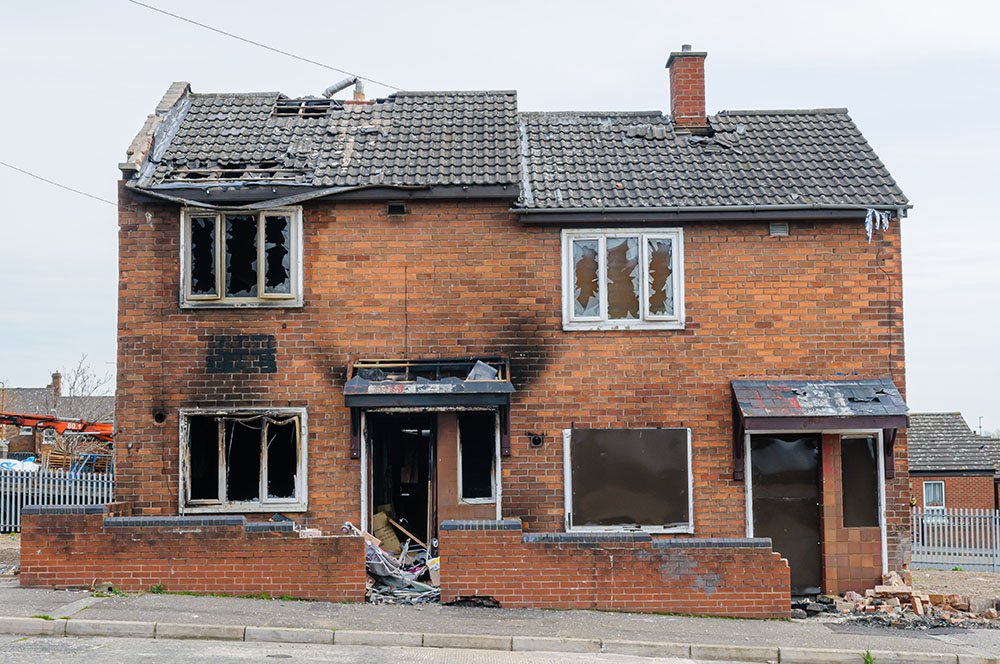
What Damage Can a Fire Leave Behind?
A fire can create several different problems at the same time. Some are immediately visible, while others become clearer after the property has cooled and the emergency response has ended.
- Burned and heat-damaged materials
- Dry, sticky or oily soot deposits
- Smoke staining on walls, ceilings and doors
- Persistent odours inside porous materials
- Water damage from firefighting activity
- Contaminated carpets, curtains and upholstered furniture
- Residue inside cupboards, lofts and enclosed spaces
- Damage affecting utilities, access routes or neighbouring areas
How Smoke Damage Spreads Through a Property
Smoke rises and follows available air paths. It may pass under doors, along corridors and stairwells, through gaps, vents and service routes, and into ceiling spaces or adjoining rooms. Upper walls and ceilings often show deposits, but smoke can also enter wardrobes, cupboards, fabrics and contents.
Common Hidden Routes
- Ventilation and extraction systems
- Ceiling voids, lofts and service risers
- Gaps around doors, floors and pipework
- Communal corridors and stairwells
Frequently Affected Materials
- Paint, plaster, timber and flooring
- Carpets, curtains and upholstery
- Clothing, bedding and mattresses
- Kitchen surfaces, furniture and belongings
An assessment should therefore look beyond the room where the fire started.
Soot Removal After a Fire
Soot is produced by incomplete combustion and its properties depend on the materials involved. Some residue is loose and powdery; other deposits are sticky, greasy or strongly staining.
Ordinary cloths and household sprays can smear soot, transfer it into unaffected areas and push contamination further into paint, plaster, timber or fabrics. The cleaning approach should reflect both the type of residue and the surface beneath it.
Smoke Odour Removal
Smoke smell may remain after visible marks have been removed because residue is still present in porous materials or concealed areas. Carpets, curtains, upholstery, timber, plasterboard, insulation, clothing and ventilation routes can all retain odour.
Effective treatment normally starts with removing burned debris and cleaning the contamination responsible for the smell. Masking sprays and fragrances may cover it briefly but do not address the source.
Depending on the property, odour treatment may involve:
- Removal of heavily contaminated materials
- Detailed cleaning of affected hard surfaces
- Cleaning suitable soft furnishings or contents
- Ventilation and access to concealed source areas
- Specialist deodorisation after source cleaning
- Further assessment before decoration or reoccupation
Why Normal Cleaning May Not Be Enough
Fire residue should not be handled like everyday dust. Unsuitable cleaning can smear soot, move contamination into clean rooms, damage finished surfaces and leave the source of persistent odour untreated.
Before major cleaning, consider insurer evidence requirements and whether the property contains electrical, structural, water or access hazards outside the cleaning scope.
Call TrustedCare – 0330 633 5334Fire and Smoke Damage Cleaning Process
- Initial discussion: information is gathered about the fire, property, affected rooms, visible soot, odour, water, contents and access.
- Assessment: appropriate areas and materials are reviewed to identify how far smoke, soot and water have travelled.
- Safety and authorisation: access, insurer instructions and responsible-party approval are confirmed before significant work.
- Documentation: photographs and records may be prepared before items are moved, cleaned or removed.
- Debris and waste: authorised damaged or unsalvageable materials are separated and removed.
- Soot and smoke cleaning: suitable surfaces and contents are treated using appropriate methods.
- Odour treatment: remaining source contamination is addressed before any additional deodorisation.
- Drying and handover: affected areas are prepared for drying, repair, decoration or the next recovery stage.
The process may be staged where separate rooms, flats, communal areas or business zones have different access and contamination levels.
Firefighting Water Damage
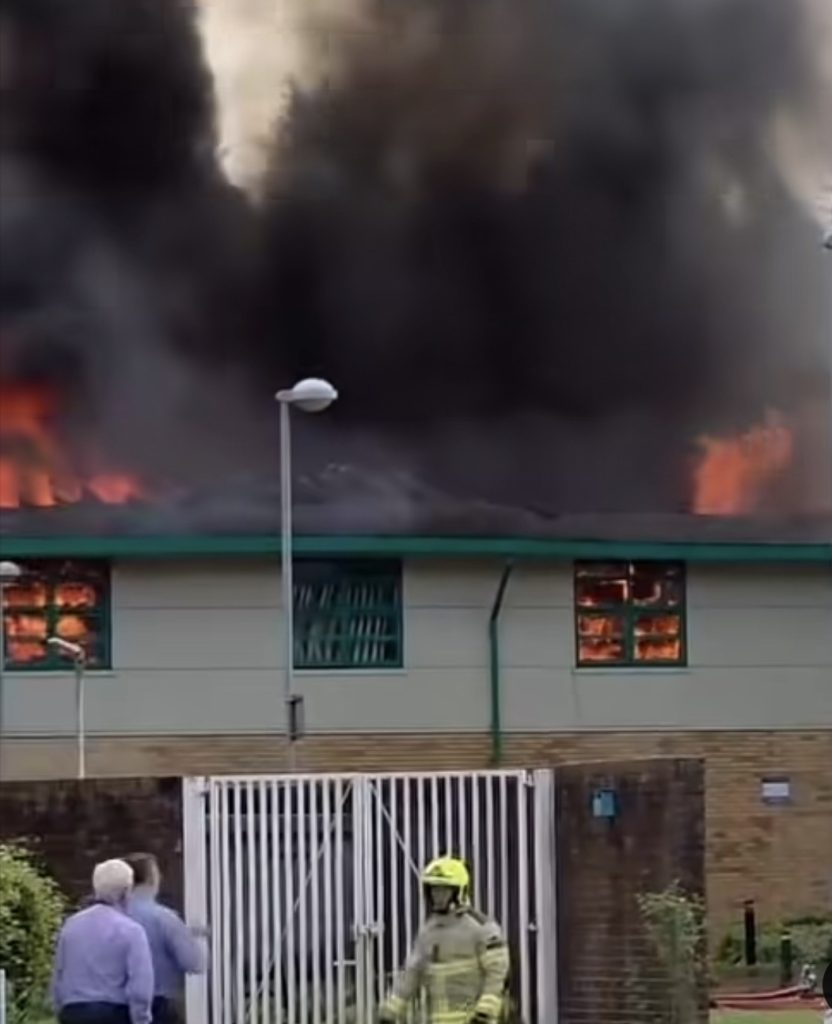
Water used to extinguish a fire can create a second layer of damage. Carpets, floors, plasterboard, ceilings, insulation, furniture and electrical areas may remain wet after the fire is out. Moisture can also reach lower floors or neighbouring units.
Recovery may require water extraction, removal of wet materials, controlled drying and moisture monitoring. Wet ceilings, weakened flooring or affected electrical systems require appropriate safety assessment before cleaning teams or occupants enter.
Fire and Smoke Cleaning for Homes and Businesses
Residential Properties
TrustedCare supports homeowners, tenants, landlords, leaseholders and housing providers after kitchen, electrical, heating, candle and other residential fires.
Flats may require extra coordination where smoke reaches corridors, shared ventilation or neighbouring homes.
Commercial and Managed Properties
Offices, shops, hospitality premises, warehouses, workshops and managed buildings may require cleaning before repair or normal operations resume.
Work may involve access routes, stock, shared spaces, facilities teams, landlords, insurers and other contractors.
See Fire Damage Cleaning for Flats and Apartments UK and Commercial Fire Damage Cleaning UK.
What Can Be Cleaned After Fire and Smoke Damage?
Whether an item can be cleaned depends on the material, heat damage, residue, water exposure, odour, value, intended use and insurer requirements.
| Material or item | Main considerations | Possible outcome |
|---|---|---|
| Hard surfaces | Finish, porosity, heat damage and soot type. | Specialist cleaning may be practical where the substrate remains sound. |
| Soft furnishings | Smoke penetration, odour, staining, water and hygiene. | Assessment may identify items suitable for cleaning and those requiring removal. |
| Electronics and machinery | Fine residue and moisture may reach internal components. | Appropriately qualified technical assessment is needed before testing or use. |
| Food, medicine and personal products | Packaging, exposure and intended safe use. | Follow responsible manufacturer, insurer or competent professional guidance. |
Can You Stay in a Property After a Fire?
Whether the building can be occupied depends on the incident, structural condition, electricity and gas, smoke and soot contamination, water, essential facilities and safe access. Cleaning alone does not confirm that the property is safe to use.
Heavy soot, strong odour, unsafe utilities, wet ceilings or floors, contamination in bedrooms or kitchens and restricted escape routes can all make occupation unsuitable. Follow advice from the fire and rescue service and the relevant qualified professionals, insurer, landlord or property manager.
Fire and Smoke Damage Insurance Claims
Buildings, contents, landlord or commercial insurance may cover eligible cleaning costs, but this depends on the policy, exclusions, excess, incident and insurer approval.
- Notify the insurer promptly and obtain a claim reference
- Photograph visible damage where access is safe
- Ask whether a loss adjuster needs to inspect
- Retain significant damaged items unless disposal is authorised
- Confirm what emergency and cleaning work can proceed
- Keep quotations, invoices and communication records
Costs and Timescales
Cost and duration depend on the affected area, number of rooms, soot type, smoke-odour severity, waste, contents, water damage, access and insurer requirements. A contained incident may take one or several days; widespread contamination, drying or multi-stage recovery can take longer.
Photographs can help with an initial discussion, but a reliable quotation must reflect the actual property and agreed scope. Visit Fire Damage Cleaning Cost UK and read How Long Does Fire Damage Cleaning Take?.
Fire Damage Cleaning Before Decorating
Soot and smoke residue should normally be removed before affected walls, ceilings or woodwork are painted. Decorating over untreated contamination can lead to stains bleeding through, poor paint adhesion, trapped odour and additional remedial work.
Cleaning prepares suitable surfaces for the next stage, but damaged materials may still require sealing, removal, repair or replacement as part of a broader restoration plan.
Related Fire and Smoke Damage Services
- Fire Damage Cleaning Services UK
- Fire Damage Cleaning Cost UK
- Smoke Odour Removal UK
- Soot Removal Cleaning Services UK
- Emergency Fire Damage Cleanup UK
- Fire Damage Insurance Claims UK
- Commercial Fire Damage Cleaning UK
- Fire Cleaning for Flats & Apartments
- Can You Stay After a Fire?
- Fire Restoration vs Fire Cleaning
Local Fire and Smoke Damage Cleaning
TrustedCare provides fire and smoke cleaning across England, Scotland and Wales, including these major cities:
Helpful Fire Damage Guides
Need Fire and Smoke Damage Cleaning?
Contact TrustedCare with the property location, fire date, affected rooms, visible soot, smoke odour, water damage, contents concerns, access restrictions and any instructions from the insurer, landlord or property manager.
Get a Free Quote Call 0330 633 5334 WhatsApp TrustedCareFrequently Asked Questions
What does fire and smoke damage cleaning include?
It may include debris removal, soot cleaning, smoke-residue removal, odour treatment, authorised waste removal, contents assessment and preparation for repairs or decoration.
Can smoke damage affect rooms away from the fire?
Yes. Smoke can travel through corridors, stairwells, ventilation routes, ceiling voids, shared areas and adjoining rooms that were not touched by flames.
Can smoke smell be removed after a fire?
Odour can often be significantly reduced by removing burned material, cleaning the source contamination and applying suitable deodorisation where required.
Should soot be cleaned before painting?
Yes. Painting over untreated soot can cause staining, poor adhesion and trapped odour. Affected surfaces should be cleaned and assessed first.
How quickly should fire and smoke cleaning begin?
Assessment should begin once access is safe and any required insurer or responsible-party approval is in place. Timing depends on the incident and affected property.
How much does fire and smoke damage cleaning cost?
Cost depends on the affected area, soot and smoke severity, odour, waste, water, contents and access. An assessment is normally required for an accurate quote.
Does insurance cover fire and smoke damage cleaning?
Many policies may cover eligible work, but the decision depends on policy wording, exclusions, excess, circumstances and insurer approval.
Can fire-damaged contents be cleaned?
Some items may be suitable for specialist cleaning, while heat-damaged, heavily contaminated or unsafe contents may require removal. Insurer instructions may also apply.
Does TrustedCare certify a building as safe?
No. TrustedCare provides specialist cleaning. Structural, electrical, gas and wider building-safety decisions require appropriately qualified responsible professionals.