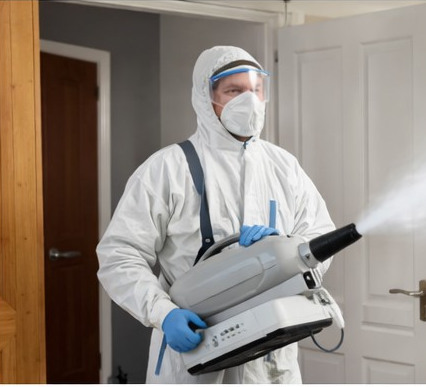
When a death occurs in a property — particularly where it has been unattended — there are often legal, access and safety steps to manage before any specialist cleaning can begin.
Understanding after death cleaning legal UK responsibilities helps property owners and landlords manage access, insurance and compliance correctly.
This guide explains the legal and procedural considerations surrounding after death cleaning in the UK, including access authority, insurance notification, responsibility, and compliance requirements.
In situations where specialist cleaning is required, professional after death cleaning services can safely restore the affected property.
For a full overview of the remediation service itself, read our main guide to after death cleaning in the UK:
👉 https://trustedcare.uk/after-death-cleaning-uk/
First Steps Before Cleaning Can Begin

Before any remediation work starts, the situation must be legally and practically cleared.
If the death is recent or unexpected:
- Emergency services may need to attend
- Police or coroner procedures may apply
- The property may need formal clearance before disturbance
No cleaning should begin until lawful access and authority are confirmed.
In situations where specialist remediation is required, professional after death cleaning services can safely restore the affected property.
Access Rights and Property Entry Considerations
After death cleaning legal UK responsibilities also include clarity around property access.
Who can legally authorise entry depends on:
- Whether the property is privately owned
- Whether probate has been granted
- Whether the property is rented
- Whether it is social housing
Cleaning cannot legally proceed without proper authority.
In some circumstances, landlords may require written confirmation from the estate before authorising work.
In situations where specialist cleaning is required, professional after death cleaning services can safely restore the affected property.
Who Has Legal Authority in After Death Cleaning Legal UK Cases?
One of the most common delays involves uncertainty over who can authorise entry.
Access is usually granted by:
- The legal property owner
- The executor or administrator of the estate
- A landlord (in rented properties)
- A housing association (in social housing)
- A managing agent with written authority
If keys are unavailable, arrangements may involve locksmith attendance authorised by the responsible party.
For guidance on responsibility and obligations, see:
👉https://trustedcare.uk/after-death-cleaning-legal-uk/
When Is Specialist After Death Cleaning Required?

Professional after death cleaning is typically required where there is:
- Bodily fluid contamination
- Decomposition-related odour
- Insect activity
- Contaminated carpets or furnishings
- Risk of cross-contamination
This is not standard domestic cleaning. It is structured biohazard remediation.
You can review the full service process here:
👉 https://trustedcare.uk/after-death-cleaning-uk/
Compliance With UK Waste Regulations
After death cleaning involves hazardous biological waste. Disposal must comply with UK environmental and waste legislation.
This includes:
- Correct waste categorisation
- Licensed transport
- Approved disposal facilities
- Documentation trail
Failure to follow proper after death cleaning legal UK compliance procedures can result in regulatory issues or liability exposure.
What Legal and Compliance Standards Apply?
After death cleaning involves regulated handling of hazardous materials.
This may include:
- Biohazard containment
- Controlled waste packaging
- Licensed waste transfer
- Approved disposal routes
- Documentation where required
Improper handling can create legal and health risks.
After Death Cleaning Legal UK –Insurance Considerations

4
In some UK cases, remediation costs may be covered by:
- Buildings insurance
- Landlord insurance
- Contents policies
This depends on:
- Cause of death
- Policy wording
- Ownership structure
Property owners should notify insurers before authorising significant remediation work.
Understanding after death cleaning legal UK responsibilities helps avoid delays when dealing with insurers.
For realistic pricing expectations, see:
👉 https://trustedcare.uk/after-death-cleaning-cost-uk/
Who Pays for After Death Cleaning?
Responsibility typically falls to:
- The property owner
- The deceased’s estate
- A landlord (in rental cases)
- A housing provider (in social housing)
Each case should be assessed individually.
If you need clarification on cost factors and pricing variables, read:
👉 https://trustedcare.uk/after-death-cleaning-cost-uk/
Timeline: When Can Cleaning Start?
Cleaning can usually begin once:
- The property is legally cleared
- Access is authorised
- Responsibility is confirmed
For realistic remediation timeframes, read:
👉 https://trustedcare.uk/how-long-after-death-cleaning-takes-uk/
Documentation You Should Keep

Maintain a basic record of:
- Date of property access
- Who authorised entry
- Photographic record (where appropriate)
- Scope of work and quotation
- Insurance reference numbers
- Disposal documentation (if provided)
Clear documentation protects all parties.
For full service information, visit our main after death cleaning UK page:
https://trustedcare.uk/after-death-cleaning-uk/
What Legal Documentation May Be Required?
In after death cleaning legal UK situations, certain documentation may be required before remediation can begin.
This can include:
- Coroner or police clearance confirmation
- Proof of property ownership
- Executor or next-of-kin authority
- Insurance notification confirmation
- Landlord authorisation (for rental properties)
Access cannot always be granted immediately following a death. In cases involving investigation, formal clearance must be provided before specialist cleaning teams can begin work.
Understanding after death cleaning legal UK documentation requirements helps prevent delays and ensures compliance with procedural standards.
Why Professional Remediation Is Important
Attempting to manage biohazard contamination without specialist training may result in:
- Incomplete decontamination
- Ongoing odour issues
- Health risks
- Improper waste disposal
Professional after death cleaning ensures safe, compliant restoration.
For full service information, visit:
👉 https://trustedcare.uk/after-death-cleaning-uk/
Frequently Asked Questions
Do police or the coroner need to clear the property first?
In unexpected deaths, formal clearance may be required before cleaning can begin.
Can a landlord arrange cleaning?
In many rental scenarios, landlords coordinate remediation, but authority and tenancy terms should be confirmed.
Is after death cleaning regulated?
Biohazard handling and waste disposal are subject to UK compliance standards.
How long does the entire process take?
This varies depending on severity and legal clearance. Full timeline guidance is available here:
👉 https://trustedcare.uk/how-long-after-death-cleaning-takes-uk/
Why Legal Clarity Matters Before Remediation
Establishing after death cleaning legal UK responsibility ensures:
- Insurance claims are not invalidated
- Access disputes are avoided
- Remediation proceeds without delay
- Documentation is correctly recorded
Legal clarity protects property owners, landlords and estates from complications during an already difficult time.
Confidential Assessment & Support
TrustedCare provides discreet, structured after death cleaning services across England, Scotland and Wales.
If you require guidance or assessment: