Author: TrustedCare Editorial Team

  • When a Property Issue Becomes an Emergency (And When It Doesn’t)

    When a Property Issue Becomes an Emergency (And When It Doesn’t)

    Call 0330 633 5334 for urgent assistance.

    Understanding What Actually Counts as a Property Emergency: When a Property Issue Becomes an Emergency

    Understanding when a property issue becomes an emergency is vital for effective property management.

    Not every property problem requires immediate action. Some issues feel urgent because they are inconvenient or unpleasant, while others may appear manageable but carry serious risks if left untreated.

    Recognising the signs is essential as it highlights when a property issue becomes an emergency.

    It is crucial to recognise the moments when a property issue escalates, as this is when a property issue becomes an emergency.

    Understanding the difference between a genuine emergency and a non-urgent issue helps prevent unnecessary disruption while ensuring that real risks are addressed promptly and safely.


    https://cdn.prod.website-files.com/629779d67a37b998e76d91a5/635a9b1e3097f60a69ec3819_Burst-pipes-march.jpg

    Being aware of when a property issue becomes an emergency can save lives and property.

    It’s important to act swiftly when a property issue becomes an emergency to prevent serious consequences.

    Knowing when a property issue becomes an emergency can help you prioritise your responses effectively.

    Situations That Are Generally Considered Emergencies

    A property issue is typically treated as an emergency when it presents an immediate risk to health, safety, or the structure of the building.

    Understanding the distinctions can clarify when a property issue becomes an emergency versus a minor inconvenience.

    Common examples include uncontrolled water ingress from burst pipes, sewage backflow, fire or smoke damage, electrical hazards, or contamination that could expose occupants to harmful substances. In these cases, delay can worsen damage, increase health risks, or lead to secondary problems such as mould growth or structural deterioration.

    Emergency situations are defined by risk, not inconvenience.


    Issues That Feel Urgent but Are Usually Not Emergencies

    Some problems create distress without posing immediate danger. Minor leaks, isolated damp patches, cosmetic damage, or odours without an identified source may feel urgent but often allow time for assessment before action is taken.

    Clear definitions are needed for when a property issue becomes an emergency to guide timely decisions.

    Treating non-emergency issues as emergencies can lead to unnecessary cost or inappropriate interventions. A short pause to understand the underlying cause often results in a more effective and proportionate response.


    https://www.permagard.co.uk/media/mageplaza/blog/post/resize/550x/blog/main_image/Rising-Damp-Internal-Wall-tidemark.jpeg

    Why Misjudging Urgency Causes Problems

    Responding too aggressively to a non-emergency can create disruption or expense without improving outcomes. Conversely, underestimating a genuine emergency can allow damage to spread, increase remediation costs, or expose occupants to avoidable risks.

    Clear judgement is particularly important where insurance, landlord responsibilities, or compliance obligations may later be questioned. Decisions made in the first hours often influence outcomes long after the initial issue is resolved.

    Establishing protocols for when a property issue becomes an emergency can streamline response efforts.


    In conclusion, knowing when a property issue becomes an emergency is crucial for effective management and safety.

    How Emergency Status Is Typically Assessed

    Emergency classification is based on observable risk factors rather than assumptions. These may include active leaks, visible contamination, rapid spread of damage, compromised utilities, or evidence of conditions that could escalate quickly.

    This process mirrors the risk-based assessment approach explained in our guide on how property risks are assessed before recommending professional help,which focuses on evidence rather than reaction.


    What to Do Once Urgency Is Clearly Identified

    Once it is clear whether an issue is an emergency or not, the appropriate next step becomes easier to define. Emergency situations require immediate containment and risk reduction, while non-urgent issues benefit from structured assessment and planned intervention. In many cases, understanding responsibility early helps prevent delay, confusion, and escalation.

    Clarity at this stage reduces confusion, limits unnecessary escalation, and supports better long-term outcomes for both occupants and property owners.

    In some cases, delaying action allows manageable concerns to escalate.


  • How We Assess Property Risks Before Recommending Professional Help

    How We Assess Property Risks Before Recommending Professional Help

    Call 0330 633 5334 for confidential assistance.

    When something goes wrong in a property, the first step is not always to book the first contractor available. At TrustedCare, we assess the actual property risk assessment before recommending the right type of help. Some situations need specialist cleaning and restoration straight away. Others need monitoring, targeted remedial work, or a clearer understanding of what is causing the issue before action is taken. Conducting a property risk assessment is essential to determine the most effective response to any property issue, including identifying contamination and safety risks.

    This matters because property problems are not all the same. A minor issue may stay manageable if handled early, while contamination, odour, water damage, fire residue, or biohazard exposure can quickly become more serious if the wrong action is taken or the problem is left too long.

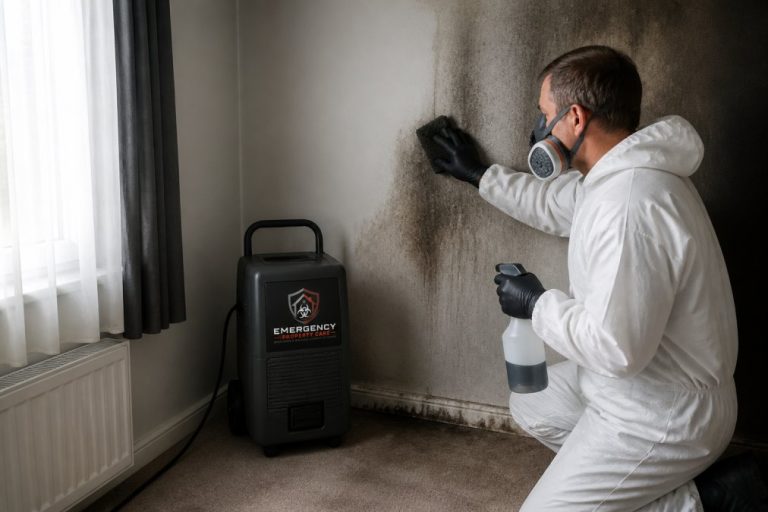
    Property inspection and risk assessment before specialist cleaning support

    Why assessment comes before any recommendation

    Assessment helps identify what the real problem is, how far it has spread, whether there is an immediate health or safety concern, and what type of professional help is actually appropriate. Not every issue needs urgent intervention, but some clearly do. The aim is to recommend a proportionate response based on the condition of the property, the occupants involved, and the practical risks present.

    At TrustedCare, this can relate to contamination, odour, hygiene risks, structural moisture, fire residue, waste concerns, access problems, or unsafe handling of affected materials. Clear assessment helps avoid unnecessary cost, avoid the wrong type of contractor, and move the property towards the right next step more quickly.

    Furthermore, a comprehensive property risk assessment ensures that all potential hazards are evaluated thoroughly, allowing for informed decision-making and prioritisation of actions.

    Regular property risk assessment is crucial for maintaining a safe environment and preventing minor issues from escalating into serious problems.

    Conducting a property risk assessment is essential to determine the most effective response to any property issue.

    The main risks we look for

    Property issues are rarely isolated. During an assessment, we look at the wider picture rather than only the most obvious visible problem. Depending on the situation, this may include:

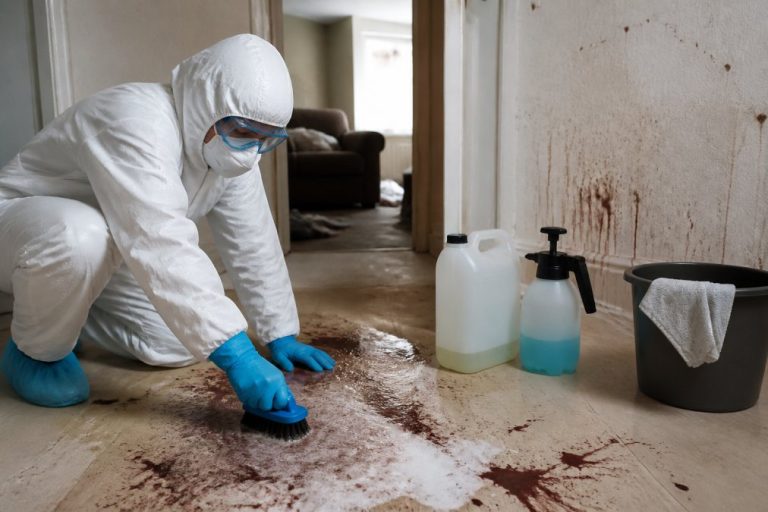
    • biohazard or bodily fluid contamination
    • unattended death or decomposition-related risks
    • trauma scene contamination
    • flood water, damp, and moisture spread
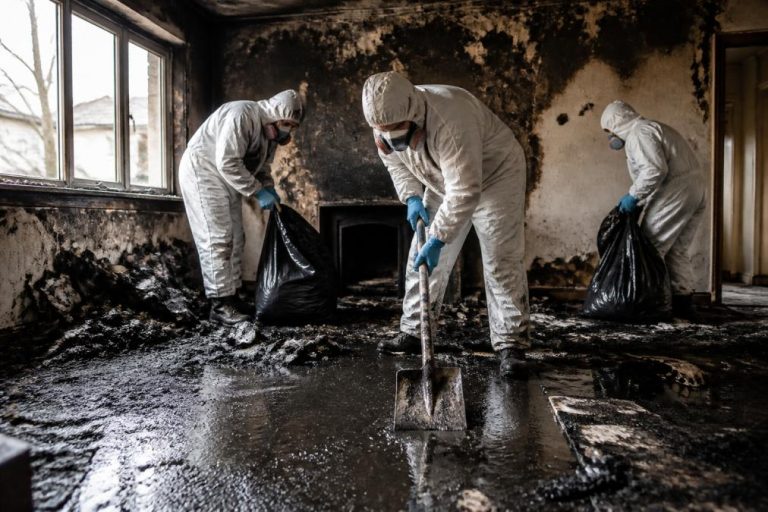
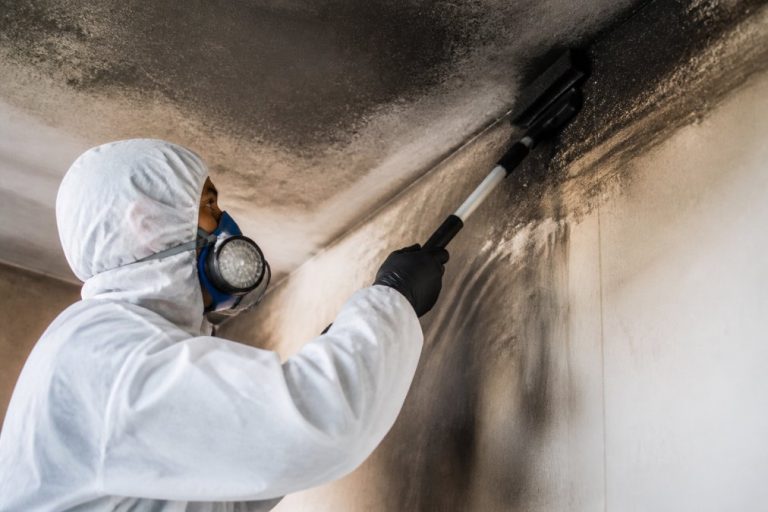
    • smoke, soot, and fire residue
    • sewage contamination and odour
    • rodent contamination and waste
    • sanitation risks in hoarded or neglected properties
    • access issues affecting flats, managed housing, HMOs, or rental properties
    • vulnerable occupants, reoccupation concerns, or landlord handover requirements

    It is essential that a detailed property risk assessment is performed to assess the extent of the problem and the necessary intervention required.

    Where the issue points to specialist cleaning rather than a standard contractor, TrustedCare’s wider service guidance may help. You can read more about After Death Cleaning UK, Biohazard Cleaning UK, Trauma Scene Cleaning UK, Flood Damage Cleaning & Drying Services, and Fire & Smoke Damage Cleaning Services.

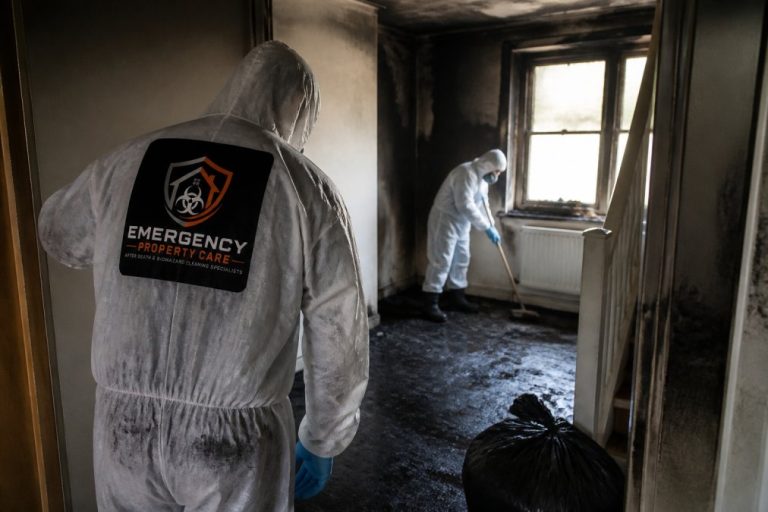
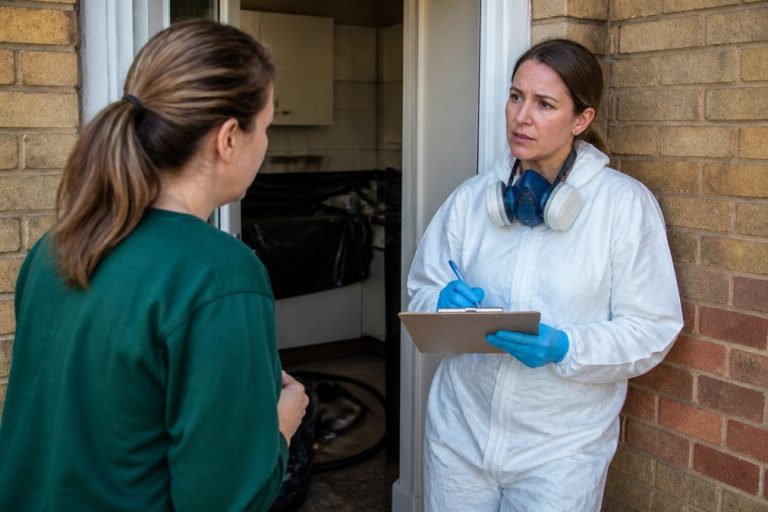
    Specialist technician reviewing contamination and restoration needs inside a property

    How we distinguish between minor issues and serious hazards

    Not every issue needs escalation. Some problems remain localised and can be addressed before they spread. Others cross the line into contamination, hygiene risk, or property damage that needs controlled professional handling.

    Indicators of a more serious issue often include persistent odour, visible staining, bodily fluids, mould linked to prolonged moisture, soot deposits, contaminated water, pest-related waste, or signs that the issue has affected flooring, furnishings, porous materials, or multiple rooms. The history of the issue also matters. A recent contained incident is different from a problem that has been left for days, weeks, or longer.

    When professional intervention becomes necessary

    Professional help becomes necessary when the property presents a genuine health risk, contamination problem, or situation where incorrect cleaning could make things worse. That may include cases involving after death cleaning, trauma scene cleaning, blood or bodily fluid contamination, sewage ingress, flood damage, fire residue, rodent contamination, or heavily affected hoarded environments.

    In these cases, the issue is not simply about appearance. It is about safe handling, odour control, sanitisation, contamination removal, waste procedures, and restoring the property to a safer and more usable condition. You can also review our Rodent Contamination Cleaning Services UK page and our Specialist Cleaning Costs UK guide if you need a clearer picture of what specialist intervention may involve.

    Why acting too early or too late causes problems

    A property risk assessment not only helps in identifying existing issues but also in forecasting potential risks that may develop in the future.

    There are risks at both ends. Acting too early can mean paying for the wrong kind of help or escalating a problem that could have been managed more simply. Acting too late can allow odour, contamination, damp, staining, mould, or structural damage to spread further and increase the cost and complexity of the recovery.

    A timely property risk assessment allows for early intervention, potentially saving time and costs associated with prolonged issues.

    Engaging in a thorough property risk assessment can significantly improve the recovery process, as it helps identify the most efficient remediation strategies.

    DIY cleaning can also create problems where specialist cleaning is actually needed. Surface cleaning may hide the issue without resolving it properly, and delay can complicate insurance, landlord responsibilities, reoccupation, or repair planning. That is why timing matters just as much as the action taken.

    For related guidance, see Why Timing Matters in Property Issues and When a Property Issue Becomes an Emergency (And When It Doesn’t).

    Without a proper property risk assessment, the consequences of contamination or damage could be significantly underestimated, impacting health and safety.

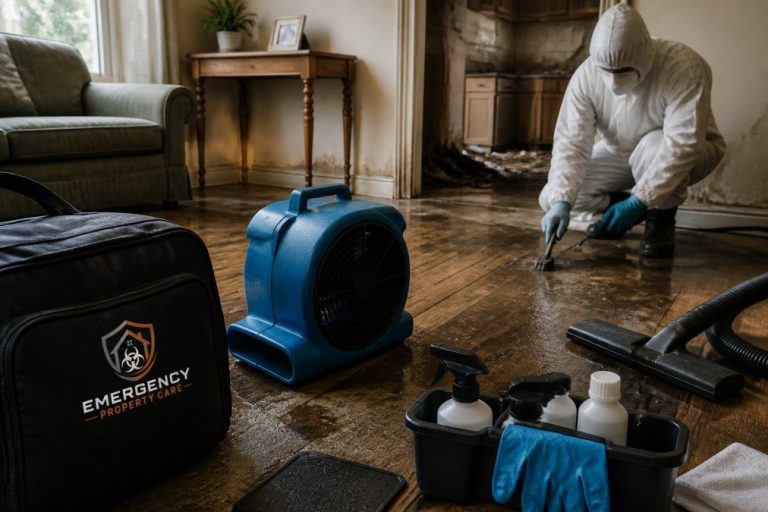
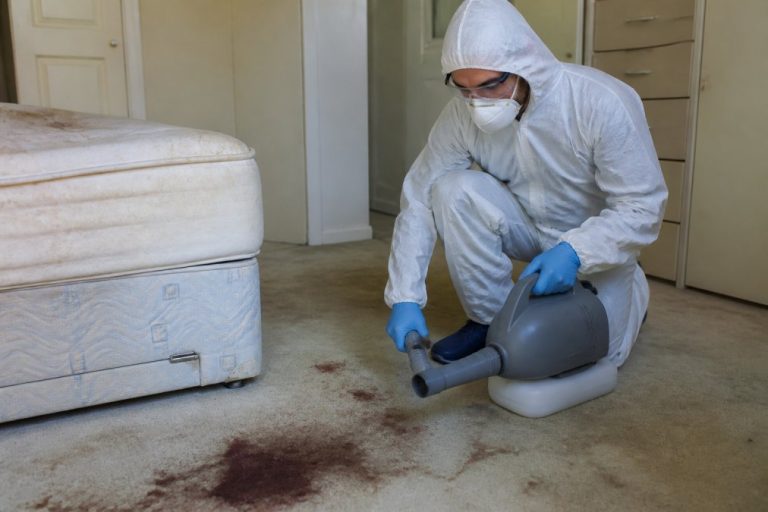
    Property damage inspection after water, contamination or restoration-related incident

    What happens after an assessment

    Once the property risk is understood, the next step becomes clearer. That may involve monitoring, targeted remedial work, arranging specialist cleaning, or moving quickly to urgent attendance where health or safety risks are present. The goal is not to overstate the issue, but not to underestimate it either.

    TrustedCare provides specialist cleaning and property restoration support across England, Scotland and Wales. If you need guidance, attendance planning, or a clear next step, call 0330 633 5334 or use the TrustedCare contact page.

    Frequently Asked Questions

    What does TrustedCare assess before recommending specialist help?

    In conclusion, the importance of a property risk assessment cannot be overstated, as it lays the foundation for effective risk management and remediation.

    TrustedCare looks at the type of issue, how long it has been present, whether contamination or odour is involved, whether the problem is spreading, whether vulnerable occupants are affected, and whether specialist cleaning or restoration is actually needed.

    What kinds of property problems may need specialist cleaning?

    Examples include after death cleaning, biohazard contamination, trauma scenes, flood damage, sewage contamination, fire and smoke damage, rodent contamination, and sanitation issues in hoarded or neglected properties.

    Does every property issue need urgent professional intervention?

    No. Some issues can be monitored or handled with targeted remedial work. The purpose of assessment is to identify when specialist intervention is genuinely necessary and when a lower-level response is more appropriate.

    Why can acting too late make property issues worse?

    Delay can allow contamination, odour, damp, mould, staining, and damage to spread further. It can also make insurance, reoccupation, repair planning, or landlord handover more difficult.

    How do I contact TrustedCare for guidance?

    Ultimately, a well-executed property risk assessment is vital for ensuring the safety and well-being of all occupants within the property.

    You can call 0330 633 5334 for confidential assistance or use the TrustedCare contact page to request help.

    By prioritising a property risk assessment, property owners can effectively mitigate risks and enhance the overall safety of their environments.

    Related Guides