Author: TrustedCare Editorial Team

  • Biohazard Cleaning UK – What It Means and When It Is Required.

    Biohazard Cleaning UK – What It Means and When It Is Required.

    Call 0330 633 5334 for urgent assistance.

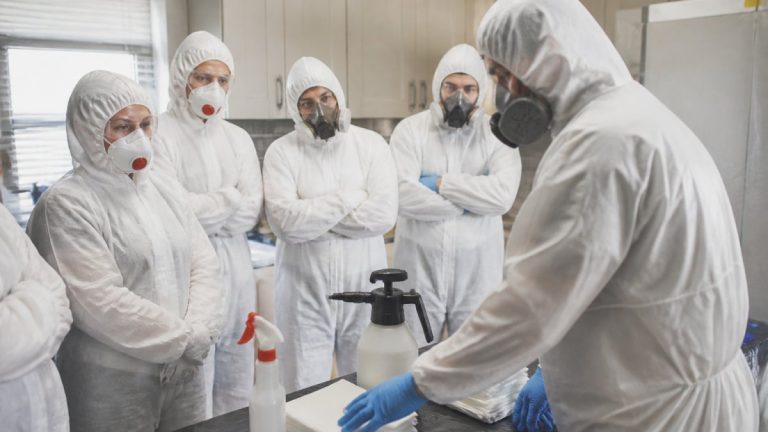
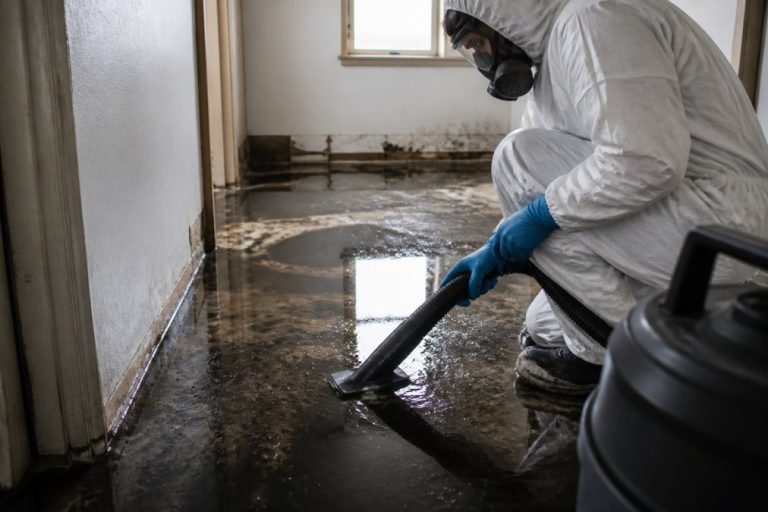
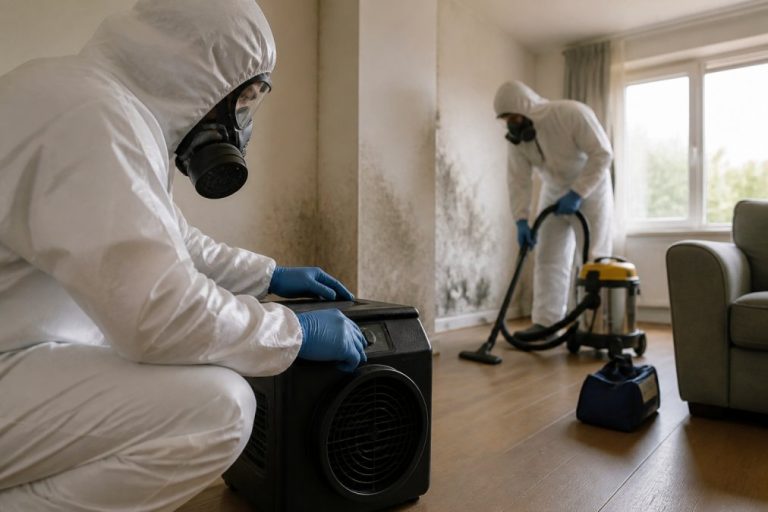
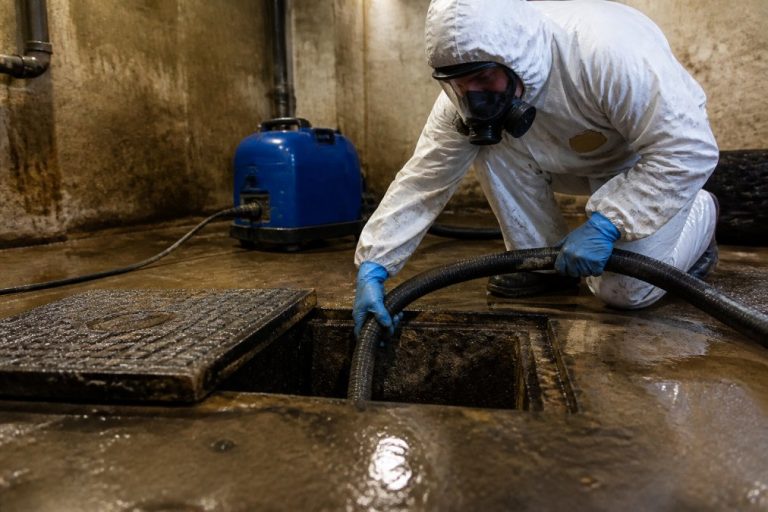
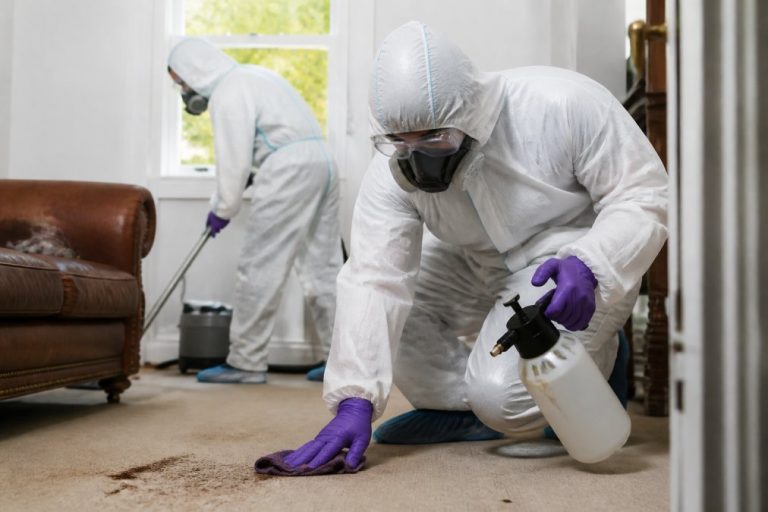
    biohazard technician cleaning residential contamination

    Biohazard cleaning UK is a specialist service used to remove dangerous biological contamination from properties. These situations can involve blood, bodily fluids, decomposition, medical waste, or other materials that may carry harmful pathogens.

    In the UK, biohazard cleaning UK must be carried out using trained technicians, specialist equipment, and strict safety procedures. Standard cleaning methods are not suitable for removing biological hazards safely.

    Professional biohazard cleaning UK services restore contaminated areas, remove hazardous waste, and ensure properties are safe to occupy again.

    Many biohazard incidents occur following deaths inside properties. In these situations specialist after death cleaning services are usually required, including biohazard cleaning UK.

    If you need professional help following a death in a property, our full guide to After Death Cleaning Services in the UK explains the process, costs, and what happens next.

    You can learn more about these services here:

    After Death Cleaning Services UK
    https://trustedcare.uk/after-death-cleaning-uk/

    Call 0330 633 5334 for urgent assistance.


    What Is Biohazard Cleaning

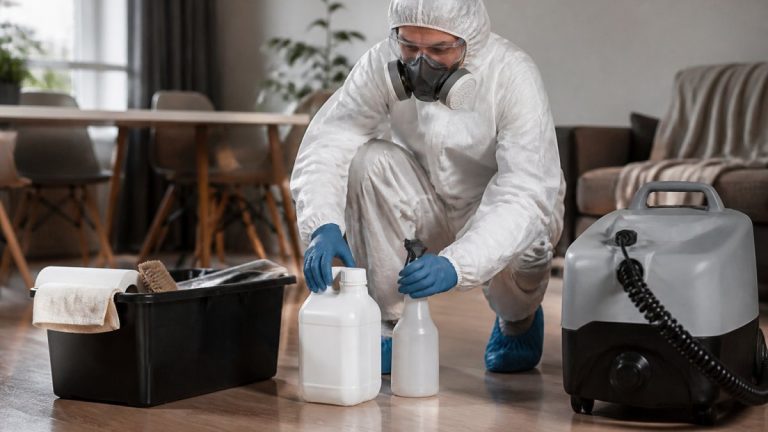
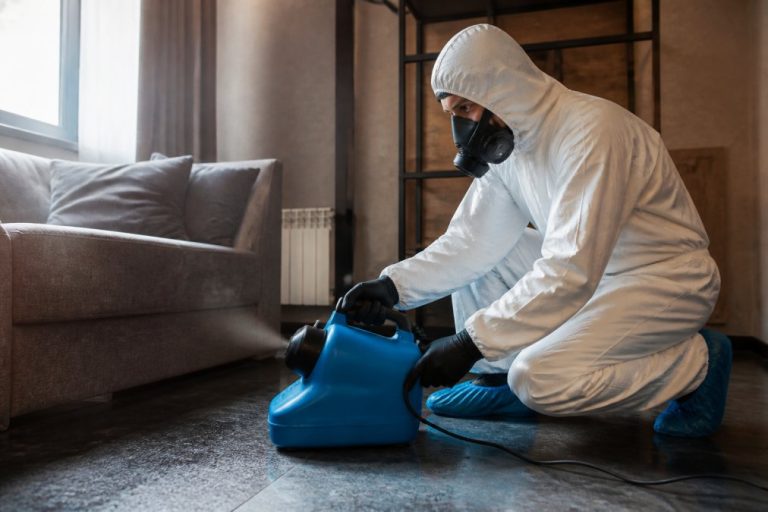
    biohazard technician disinfecting contaminated property

    Biohazard cleaning refers to the safe removal and decontamination of biological hazards from a property.

    Biohazards can include:

    • Blood and bodily fluids
    • Decomposition contamination
    • Medical waste
    • Animal waste or infestations
    • Sewage contamination
    • Infectious biological materials

    These materials can carry bacteria, viruses, and pathogens that pose health risks if they are not properly removed.

    Professional biohazard cleaning companies use specialist disinfectants, protective equipment, and waste disposal procedures to remove contamination safely.

    If professional assistance is required, learn more about specialist cleaning services across the UK.


    Situations Where Biohazard Cleaning Is Required

    Understanding Biohazard Cleaning UK

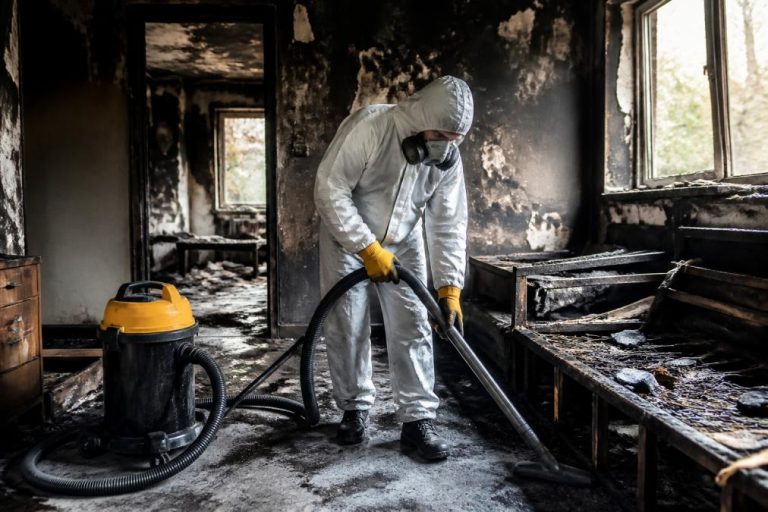
    crime scene cleaning equipment used for biohazard cleanup

    Biohazard cleaning may be required in many different situations where contamination creates health risks.

    Common examples include:

    • Deaths inside properties
    • Unattended deaths
    • Accidents involving blood contamination
    • Suicide or trauma incidents
    • Industrial accidents
    • Sewage contamination
    • Hoarding environments
    • Properties affected by decomposition

    In many cases these incidents require specialist trauma or after death cleaning services.

    For more information about trauma situations see:

    Trauma Scene Cleaning UK
    https://trustedcare.uk/trauma-scene-cleaning-uk/


    Health Risks From Biohazard Contamination

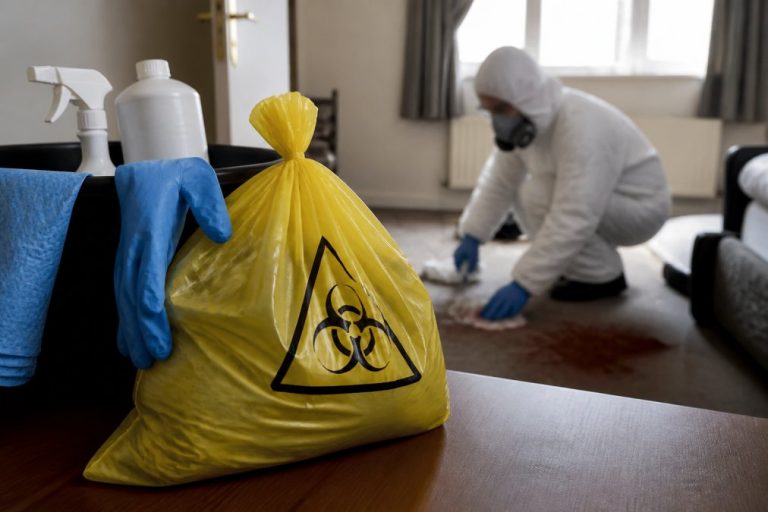
    biohazard warning sign indicating contaminated area

    Biohazard contamination can present serious risks to health if it is not handled correctly.

    Potential hazards include:

    • Hepatitis B
    • Hepatitis C
    • HIV
    • Bacterial infections
    • Airborne pathogens
    • Secondary contamination through surfaces

    Even small amounts of biological contamination can contain infectious material.

    Professional cleaning procedures are required to remove these risks safely.

    Call 0330 633 5334 for urgent assistance.


    The Professional Biohazard Cleaning Process

    biohazard technician fogging room for decontamination

    Professional biohazard cleaning normally follows a structured process.

    Typical steps include:

    1 Site inspection
    Technicians assess the property and identify contaminated areas.

    2 Safety setup
    Protective equipment and containment measures are put in place.

    3 Removal of contaminated materials
    Items that cannot be cleaned safely are removed.

    4 Specialist disinfection
    Hospital-grade disinfectants and equipment are used.

    5 Decontamination
    Fogging or odour treatment may be required.

    6 Clinical waste disposal
    All contaminated materials are disposed of through licensed waste carriers.


    Legal and Safety Requirements in the UK

    clinical waste containers used for contaminated materials

    Biohazard cleaning must comply with UK health and safety regulations.

    Relevant legislation includes:

    • Health and Safety at Work Act
    • Control of Substances Hazardous to Health (COSHH)
    • Environmental Protection Act
    • Hazardous Waste Regulations

    Biohazard waste must be transported and disposed of by licensed waste carriers.

    There are also legal responsibilities when deaths occur in properties. Our guide explains this in detail here:

    After Death Cleaning Legal Guide UK
    https://trustedcare.uk/after-death-cleaning-legal-uk/


    How Long Biohazard Cleaning Takes

    The time required for biohazard cleaning depends on several factors including:

    • Type of contamination
    • Size of the affected area
    • Level of biological hazard
    • Structural damage to materials

    Minor incidents may take a few hours, while more serious cases may require a full day or multiple visits.

    If contamination involves death in the property, the process may form part of a full after death cleaning service.

    Learn more here:

    How Long After Death Cleaning Takes in the UK
    https://trustedcare.uk/how-long-after-death-cleaning-takes-uk/


    Cost of Biohazard Cleaning in the UK

    Costs depend on the level of contamination and the work required.

    Factors affecting price include:

    • Size of contaminated area
    • Type of biohazard involved
    • Structural damage
    • Waste disposal requirements
    • Access to the property

    For a full breakdown of pricing see:

    After Death Cleaning Cost Guide UK
    https://trustedcare.uk/after-death-cleaning-cost-uk/


    When to Contact a Biohazard Cleaning Specialist

    Specialist biohazard cleaners should be contacted whenever biological contamination is present.

    Situations requiring professional help include:

    • Blood contamination
    • Decomposition contamination
    • Trauma scenes
    • Sewage contamination
    • Hoarding environments
    • Situations involving death in a property

    Professional cleaners have the training, protective equipment, and legal compliance required to restore contaminated properties safely.

    For a complete overview of specialist cleaning services following a death in a property, see our guide to After Death Cleaning Services in the UK.https://trustedcare.uk/after-death-cleaning-uk/

  • Decomposition Cleaning UK – What Happens After an Unattended Death

    Decomposition Cleaning UK – What Happens After an Unattended Death

    Call 0330 633 5334 for urgent assistance.

    biohazard technician cleaning contaminated residential property

    When a death occurs and the body is not discovered for some time, decomposition can begin and cause serious contamination inside a property. In these situations specialist decomposition cleaning UK services are required to remove biological hazards and restore the property safely. Understanding decomposition cleaning UK is crucial for ensuring safety.

    Decomposition can affect flooring, furniture, structural materials, and air quality within the property. Professional biohazard cleaners use specialist equipment and protective procedures to remove contamination and disinfect affected areas.

    In the UK, decomposition cleaning is normally carried out by companies specialising in after death and biohazard cleaning services.

    Specialist decomposition cleaning UK can prevent long-term damage to the property.

    Choosing a reliable decomposition cleaning UK provider is essential for peace of mind.

    These services focus on decomposition cleaning UK and ensure the environment is safe for habitation.

    If you need professional help following a death in a property, our full guide to After Death Cleaning Services in the UK explains the process, costs, and what happens next.

    If you want to understand how these services operate across the UK, see our main guide:

    After Death Cleaning Services UK
    https://trustedcare.uk/after-death-cleaning-uk/


    What Is Decomposition Cleaning

    Understanding Decomposition Cleaning UK

    Awareness of decomposition cleaning UK services is vital for property owners.

    biohazard technician disinfecting decomposition contaminated floor

    Decomposition cleaning involves the professional removal of biological contamination that occurs when a body decomposes after death.

    When decomposition begins, bodily fluids and biological materials can spread through:

    • Carpets
    • Floorboards
    • Furniture
    • Walls
    • Structural materials

    These contaminants can carry bacteria, pathogens, and strong odours that require specialist cleaning procedures to remove safely.

    Standard household cleaning methods are not sufficient to remove decomposition contamination.

    For this reason, specialist biohazard cleaning technicians are required.

    Call 0330 633 5334 for urgent assistance.


    When Decomposition Cleaning Is Required

    biohazard cleaning equipment used for decomposition cleanup

    Using decomposition cleaning UK services can mitigate health risks.

    Considering decomposition cleaning UK is crucial for safe habitation.

    Contacting a decomposition cleaning UK expert can save time and stress.

    The importance of decomposition cleaning UK cannot be underestimated.

    For comprehensive solutions, consider decomposition cleaning UK services.

    Decomposition cleaning is required when a death occurs and the body is not discovered immediately.

    Common situations include:

    Employing decomposition cleaning UK services is essential for health safety.

    • Unattended deaths in private homes
    • Elderly individuals living alone
    • Sudden deaths in rental properties
    • Deaths discovered after several days or weeks
    • Situations where decomposition has affected the property

    Understanding the risks involved with decomposition cleaning is key for anyone considering decomposition cleaning UK.

    In these situations the property may contain biological hazards and strong odours that require specialist decontamination.

    Where deaths occur inside properties, decomposition cleaning usually forms part of a wider after death cleaning process.

    Learn more about the time involved in these services here:

    How Long After Death Cleaning Takes in the UK
    https://trustedcare.uk/how-long-after-death-cleaning-takes-uk/


    Health Risks From Decomposition

    biohazard warning sign indicating contaminated area

    Decomposition creates serious biological hazards that can affect anyone entering the property.

    Potential risks include:

    • Bacteria and pathogens from bodily fluids
    • Airborne contamination
    • Insects and pest activity
    • Strong odours caused by decomposition gases

    These hazards can spread through porous materials such as carpets, wooden flooring, and furniture.

    Without specialist cleaning procedures, contamination may remain inside the property even after visible materials have been removed.

    If professional assistance is required, learn more about specialist cleaning services across the UK.

    Call 0330 633 5334 for urgent assistance.


    The Professional Decomposition Cleaning Process

    professional biohazard cleaner disinfecting contaminated surfaces

    Professional decomposition cleaning follows a structured process designed to remove contamination safely.

    Typical steps include:

    1 Property inspection
    Technicians assess the level of contamination and determine the cleaning approach.

    2 Safety preparation
    Protective equipment and containment procedures are put in place.

    3 Removal of contaminated materials
    Items that cannot be cleaned safely may be removed and disposed of.

    4 Specialist biohazard cleaning
    Professional disinfectants and equipment are used to eliminate biological hazards.

    5 Decontamination and odour removal
    Specialist treatments such as fogging or ozone may be used to remove odours.

    6 Clinical waste disposal
    All contaminated waste must be disposed of through licensed waste carriers.


    Legal and Safety Requirements in the UK

    clinical waste containers labelled for biohazard disposal

    Decomposition cleaning must comply with UK health and safety laws relating to hazardous substances and waste disposal.

    Relevant legislation includes:

    Each case of decomposition cleaning UK will vary depending on the situation.

    Expertise in decomposition cleaning UK ensures that all hazards are addressed.

    • Health and Safety at Work Act
    • Control of Substances Hazardous to Health (COSHH)
    • Environmental Protection Act
    • Hazardous Waste Regulations

    Biohazard waste must be transported and disposed of by licensed waste carriers.

    There are also legal responsibilities when a death occurs in a property. Our guide explains these responsibilities here:

    For a thorough job, trust in decomposition cleaning UK teams.

    Handling decomposition cleaning UK requires professionals with the right training.

    After Death Cleaning Legal Guide UK
    https://trustedcare.uk/after-death-cleaning-legal-uk/

    In cases of severe contamination, immediate decomposition cleaning UK is essential.


    Ensuring a safe environment through decomposition cleaning UK is non-negotiable.

    How Much Decomposition Cleaning Costs

    For any assistance regarding decomposition cleaning UK, reach out today.

    The cost of decomposition cleaning varies depending on several factors.

    These include:

    • Size of the affected area
    • Level of contamination
    • Structural damage to flooring or furniture
    • Waste disposal requirements
    • Access to the property

    Minor contamination may require only a few hours of specialist cleaning, while severe decomposition cases may involve more extensive restoration work.

    For a detailed explanation of cleaning costs, see:

    After Death Cleaning Cost Guide UK
    https://trustedcare.uk/after-death-cleaning-cost-uk/


    When to Contact a Specialist Decomposition Cleaning Service

    Decomposition cleaning should always be carried out by trained professionals due to the biological hazards involved.

    Situations where specialist help is required include:

    • Unattended deaths in properties
    • Strong decomposition odours
    • Biological contamination in flooring or furniture
    • Insect activity linked to decomposition
    • Any situation involving body decomposition inside a property

    Professional biohazard cleaners have the equipment and training required to safely restore contaminated properties.

    If you require specialist assistance following a death in a property, you can learn more here:

    For a complete overview of specialist cleaning services following a death in a property, see our guide to After Death Cleaning Services in the UK.

    Call 0330 633 5334 for urgent assistance.

  • Blood Cleaning Services UK – Why Specialist Biohazard Cleaning Is Required

    Blood Cleaning Services UK – Why Specialist Biohazard Cleaning Is Required

    Call 0330 633 5334 for urgent assistance.

    professional blood cleanup service sanitising residential property

    Blood contamination can occur in a wide range of situations including accidents, medical emergencies, violent incidents, and deaths inside a property. Cleaning blood safely requires specialist equipment, training, and strict infection control procedures. If you require professional assistance, consider our blood cleaning services UK. Our blood cleaning services UK ensure safe and effective removal of blood contamination.

    In the UK, blood cleanup is considered a biohazard cleaning task because blood can carry dangerous pathogens. Attempting to clean blood without proper protection can expose people to serious health risks.

    Utilising blood cleaning services UK is essential to prevent health hazards.

    Our blood cleaning services UK guarantee thorough disinfection and restoration, ensuring your property is safe.

    When choosing blood cleaning services UK, look for certified professionals.

    Professional blood cleaning services remove contamination safely, disinfect affected areas, and restore properties to a safe condition.

    Our blood cleaning services UK are designed to ensure a thorough and safe cleanup process.

    If you need professional help following a death in a property, our full guide to After Death Cleaning Services in the UK explains the process, costs, and what happens next.

    Understanding the process of blood cleaning services UK helps in making informed decisions.

    Call 0330 633 5334 for urgent assistance.


    What Are Blood Cleaning Services

    Understanding Blood Cleaning Services UK

    biohazard technician cleaning blood contamination from carpet

    Blood cleaning services involve the professional removal of blood and bodily fluids from properties where contamination has occurred.

    These services are typically required after:

    • Accidents in the home
    • Violent incidents
    • Suicide attempts
    • Sudden deaths
    • Industrial accidents
    • Medical emergencies

    Blood can penetrate carpets, flooring, upholstery, and structural materials. Standard household cleaning products cannot safely disinfect these surfaces.

    In many cases, blood contamination occurs following a death in a property. In these situations specialist after death cleaning services may also be required.

    If you encounter blood spills, professional blood cleaning services UK are the best choice.

    You can learn more about these services here:

    After Death Cleaning Services UK
    https://trustedcare.uk/after-death-cleaning-uk/

    Call 0330 633 5334 for urgent assistance.


    When Blood Cleaning Is Required

    biohazard response team entering property wearing protective suits

    Professional blood cleaning services are required whenever blood contamination creates a biological hazard inside a property.

    Consulting with blood cleaning services UK can help clarify the steps involved.

    Situations where this commonly occurs include:

    • Falls causing serious injury
    • Domestic accidents
    • Violent incidents
    • Suicide attempts
    • Industrial accidents
    • Unattended deaths

    Our blood cleaning services UK are compliant with all health regulations.

    In some cases, blood contamination may spread beneath flooring or into structural materials. Specialist cleaning techniques are required to remove these hazards completely.

    Where deaths occur inside properties, blood cleanup may form part of a wider after death cleaning process. The time required for these services varies depending on contamination levels.

    Learn more here:

    How Long After Death Cleaning Takes in the UK
    https://trustedcare.uk/how-long-after-death-cleaning-takes-uk/


    Health Risks From Blood Contamination

    https://images.openai.com/static-rsc-3/rbhcktGGVlHd0Hqba9q9TPWNTHZgST1HozsvUJglKtwWGVQc0vJAalp_uRsRX2sm091fr1M-9Rc_BBjtkgnpMQjrWpbrVPh213NPgsQThsQ?purpose=fullsize&v=1
    biohazard waste bags used during blood cleanup

    Blood can carry a range of infectious pathogens that pose serious risks to anyone exposed without proper protection.

    Common risks include:

    • Hepatitis B
    • Hepatitis C
    • HIV
    • Bacterial infections
    • Secondary contamination through surfaces

    Even small amounts of blood can contain harmful pathogens. Without professional cleaning procedures, contamination may remain hidden in carpets, flooring, or furniture.

    For this reason, blood cleanup should always be handled by trained biohazard cleaning technicians.

    If professional assistance is required, learn more about specialist cleaning services across the UK.


    The Professional Blood Cleaning Process

    biohazard technician fogging room for decontamination

    Professional blood cleaning follows a structured process designed to remove biological hazards safely.

    Typical steps include:

    1 Site inspection
    Technicians assess the contamination and determine the required cleaning approach.

    2 Safety setup
    Personal protective equipment and containment measures are put in place.

    3 Removal of contaminated materials
    Items that cannot be safely cleaned may need to be removed and disposed of.

    4 Specialist biohazard cleaning
    Hospital-grade disinfectants and specialist equipment are used.

    To ensure compliance, always hire blood cleaning services UK that follow legal guidelines.

    5 Decontamination
    Additional treatments such as fogging or odour removal may be required.

    Understanding the legal requirements of blood cleaning services UK is crucial.

    6 Clinical waste disposal
    All contaminated waste must be disposed of through licensed medical waste systems.


    Legal and Safety Requirements in the UK

    https://images.openai.com/static-rsc-3/so3d3yI7Fyv36ICQIp-B2p2746QZOhrVazQHqwC9KeCIvk2aVB7NUXd7bTlKyaTCiRYprxofjSwlMoYH7LJyoBh10Jo3frnsq7qmbkTvSOk?purpose=fullsize&v=1

    The effectiveness of blood cleaning services UK relies on proper methods and equipment.

    Costs may vary, but blood cleaning services UK offer valuable peace of mind.

    medical waste disposal containers used during cleanup

    Blood contamination must be handled according to UK health and safety regulations.

    Relevant legislation includes:

    • Health and Safety at Work Act
    • Control of Substances Hazardous to Health (COSHH)
    • Environmental Protection Act
    • Hazardous Waste Regulations

    Biohazard waste must be transported and disposed of by licensed waste carriers.

    When faced with a crisis, blood cleaning services UK provide essential support.

    Seeking blood cleaning services UK ensures a comprehensive cleaning approach.

    There are also legal considerations following deaths in properties. Our guide explains the responsibilities involved:

    After Death Cleaning Legal Guide UK
    https://trustedcare.uk/after-death-cleaning-legal-uk/


    How Much Blood Cleaning Costs in the UK

    The cost of professional blood cleaning services depends on several factors including:

    • Size of the contaminated area
    • Severity of contamination
    • Structural damage to the property
    • Waste disposal requirements
    • Access issues

    Minor incidents may require only a few hours of cleaning, while larger incidents may involve more extensive decontamination work.

    For a detailed breakdown of pricing for specialist cleaning services, see:

    After Death Cleaning Cost Guide UK
    https://trustedcare.uk/after-death-cleaning-cost-uk/


    When to Contact a Specialist Blood Cleaning Service

    Professional blood cleaning services should always be used where biological contamination is present.

    Situations where specialist help is required include:

    • Blood contamination inside a property
    • Large blood spills following accidents
    • Situations involving death
    • Incidents involving bodily fluids
    • Odours or contamination following traumatic events

    Professional biohazard cleaners have the training, equipment, and legal compliance required to safely restore contaminated properties.

    If you require specialist assistance following a traumatic incident, you can learn more about professional services here:

    For a complete overview of specialist cleaning services following a death in a property, see our guide to After Death Cleaning Services in the UK.

  • Trauma Scene Cleaning UK – What It Involves and When It Is Required

    Trauma Scene Cleaning UK – What It Involves and When It Is Required

    If you need confidential advice request a private callback here. or Call 0330 633 5334 for urgent assistance.

    trauma scene cleaning technicians disinfecting contaminated property

    Trauma scene cleaning UK is a specialist service required after incidents where blood, bodily fluids, or biological hazards are present. These situations often follow sudden deaths, accidents, suicides, violent incidents, or serious medical emergencies. Professional trauma scene cleaning UK ensures that all hazardous materials are handled correctly.

    In the UK, trauma scene cleaning must be carried out using specialist training, professional equipment, and strict health and safety procedures. Attempting to clean a trauma scene without proper knowledge can expose people to serious biohazards.

    Trauma scene cleaning UK involves a thorough and sensitive approach to dealing with traumatic events.

    This guide explains what trauma scene cleaning involves, when it is required, and why professional services are usually necessary.

    If you need professional help following a death in a property, our full guide to After Death Cleaning Services in the UK explains the process, costs, and what happens next.


    Trauma scene cleaning UK is essential for maintaining safety and hygiene after traumatic incidents.

    What Is Trauma Scene Cleaning

    professional biohazard cleaning team sanitising trauma scene

    Ultimately, trauma scene cleaning UK is about respecting the situation while ensuring a safe environment.

    Trauma scene cleaning UK refers to the professional cleaning and decontamination of locations where biological contamination has occurred. This can include blood, bodily fluids, tissue matter, and other potentially infectious materials associated with trauma scene cleaning UK practices.

    These scenes may occur in private homes, rental properties, commercial premises, vehicles, or public locations. After emergency services have completed their work, the responsibility for cleaning the property normally falls to the owner, landlord, or family.

    Understanding the importance of trauma scene cleaning UK can help ensure that these sensitive situations are handled with care and professionalism. Trauma scene cleaning UK requires expertise to manage the unique challenges posed by each incident.

    Choosing professional trauma scene cleaning UK services ensures that the affected areas are properly decontaminated.

    Professional trauma cleaners remove hazardous materials, disinfect affected areas, eliminate odours, and restore the property to a safe condition.

    In many cases trauma scene cleaning overlaps with specialist after death cleaning services. If you need to understand how these services work across the UK, see our guide:

    After Death Cleaning Services in the UK
    https://trustedcare.uk/after-death-cleaning-uk/

    If you need confidential advice request a private callback here. or Call 0330 633 5334 for urgent assistance.


    When Trauma Scene Cleaning Is Required

    hazmat suit cleaner disinfecting residential trauma scene

    Trauma scene cleaning is required whenever a location becomes contaminated with biological hazards following a traumatic event.

    Common situations include:

    • Sudden or unattended deaths
    • Suicide incidents
    • Accidents resulting in blood contamination
    • Violent crimes or assaults
    • Industrial accidents
    • Medical emergencies in the home
    • Decomposition following undiscovered deaths

    In many cases trauma scenes may involve decomposition or extended contamination. These situations require specialist equipment and trained technicians.

    Engaging with trauma scene cleaning UK professionals can greatly alleviate the burden during difficult times.

    Where deaths occur in a property, trauma cleaning may be combined with professional after death cleaning services. You can learn more about the time involved in these cases here:

    Hiring trauma scene cleaning UK experts guarantees that the affected areas are treated appropriately.

    How Long After Death Cleaning Takes in the UK
    https://trustedcare.uk/how-long-after-death-cleaning-takes-uk/

    In cases involving trauma scene cleaning UK, it is vital to have trained personnel handle hazardous materials.

    The knowledge and experience of trauma scene cleaning UK professionals are invaluable.


    Health Risks at Trauma Scenes

    Seek out trauma scene cleaning UK services to ensure a thorough and safe cleaning process.

    biohazard contamination requiring trauma scene cleaning

    It is crucial to address trauma scene cleaning UK promptly to mitigate health risks.

    Trauma scenes present serious health risks if they are not properly cleaned and disinfected.

    Blood and bodily fluids can carry dangerous pathogens including:

    • Hepatitis B
    • Hepatitis C
    • HIV
    • Bacterial infections
    • Airborne contaminants from decomposition

    Without proper containment procedures, these hazards can spread through carpets, flooring, furniture, and structural materials.

    Professional trauma cleaners use specialist PPE, disinfectants, and biohazard disposal procedures to remove these risks safely.

    Attempting to clean a trauma scene without proper training can expose individuals to serious health hazards.

    If professional assistance is required, learn more about specialist cleaning services across the UK.


    The Professional Cleaning Process

    biohazard technician disinfecting contaminated floor

    Professional trauma scene cleaning follows a structured process designed to remove contamination and restore the property safely.

    Typical steps include:

    Regulations impact trauma scene cleaning UK, ensuring compliance with health and safety standards.

    1. Site assessment
    Technicians inspect the affected areas to identify contamination and determine the cleaning approach.

    2. Containment and safety setup
    Protective barriers, PPE, and ventilation control measures are put in place.

    3. Removal of contaminated materials
    Items that cannot be safely cleaned may be removed and disposed of as clinical waste.

    4. Specialist biohazard cleaning
    Approved disinfectants and equipment are used to remove biological contamination.

    5. Decontamination and odour treatment
    Fogging, ozone treatment, or enzyme solutions may be used to eliminate lingering contamination or smells.

    6. Safe waste disposal
    All biohazard waste must be transported and disposed of according to UK clinical waste regulations.


    Legal and Safety Requirements in the UK

    biohazard waste transport containers used by cleaning teams

    Trauma scene cleaning in the UK must comply with strict health and safety laws relating to hazardous substances and waste disposal.

    Relevant legislation can include:

    • Health and Safety at Work Act
    • Control of Substances Hazardous to Health (COSHH)
    • Environmental Protection Act
    • Hazardous Waste Regulations

    Biohazard materials must be handled, transported, and disposed of through licensed waste management systems.

    There are also legal responsibilities relating to deaths that occur in properties. Our guide explains the main legal considerations in these situations:

    For any trauma scene cleaning UK needs, reach out to certified professionals.

    Legal Responsibilities After a Death in a Property (UK Guide)
    https://trustedcare.uk/after-death-cleaning-legal-uk/

    Understanding the costs associated with trauma scene cleaning UK can help in planning for such services.

    Knowing who to contact for trauma scene cleaning UK is essential in emergencies.


    How Long Trauma Scene Cleaning Takes

    The time required for trauma scene cleaning depends on several factors, including:

    • Size of the contaminated area
    • Type of incident
    • Level of contamination
    • Whether decomposition is involved
    • Structural damage to the property

    Minor incidents may take only a few hours to clean, while complex trauma scenes can require a full day or multiple visits.

    If the incident involves an unattended death or decomposition, the cleaning process may take longer due to contamination spread.

    For a detailed explanation of timeframes involved in specialist cleaning, see:

    How Long After Death Cleaning Takes in the UK
    https://trustedcare.uk/how-long-after-death-cleaning-takes-uk/


    Who Pays for Trauma Scene Cleaning

    Responsibility for trauma scene cleaning costs usually falls to the property owner or family of the deceased.

    However, payment arrangements can vary depending on the situation:

    • Homeowner insurance policies sometimes cover cleaning costs
    • Landlords may be responsible in rental properties
    • Local authorities may assist in specific circumstances
    • Commercial property owners are responsible for workplace incidents

    Costs depend on the level of contamination, access issues, and waste disposal requirements.

    For a detailed breakdown of specialist cleaning costs see:

    After Death Cleaning Cost Guide (UK)
    https://trustedcare.uk/after-death-cleaning-cost-uk/


    When to Contact a Specialist Service

    Trauma scene cleaning should always be carried out by trained professionals where biological contamination is present.

    Situations where specialist services are required include:

    • Blood or bodily fluids present in the property
    • Decomposition or odour issues
    • Structural contamination in flooring or walls
    • Situations involving infectious hazards
    • Any incident involving death in the property

    Professional trauma cleaners have the equipment, training, and legal compliance required to safely restore affected areas.

    If you require immediate support following a traumatic incident, specialist after death and biohazard cleaning services can provide safe and discreet assistance across the UK.

    Learn more here:

    For a complete overview of specialist cleaning services following a death in a property, see our guide to After Death Cleaning Services in the UK.https://trustedcare.uk/after-death-cleaning-uk/

  • How Long Does After Death Cleaning Take in the UK?

    If you need confidential advice request a private callback here. or Call 0330 633 5334 for urgent assistance.

    How long does after death cleaning take in the UK? The duration depends on the level of contamination, time before discovery and whether structural materials are affected. Understanding how long does after death cleaning take in the UK is crucial for those involved.

    Understanding the intricacies of after death cleaning is vital for property owners and families affected by such unfortunate events. In this guide, we will delve deeper into the processes, considerations, and the emotional aspects surrounding after death cleaning, ensuring that you are well-informed and prepared.

    It’s a common question: How long does after death cleaning take in the UK? Families facing this situation often need clarity and guidance.

    Call 0330 633 5334 for urgent assistance.

    For many, the answer to how long does after death cleaning take in the UK will depend on several factors.

    When planning for after death cleaning, understanding how long does after death cleaning take in the UK is essential for those involved.

    To address the question directly, many wonder how long does after death cleaning take in the UK during various scenarios.

    How long will the clean take?

    The honest answer is:

    Understanding how long does after death cleaning take in the UK can help set realistic expectations.

    ➡️ It depends on the situation.

    It’s crucial to ask how long does after death cleaning take in the UK to avoid additional emotional strain.

    It’s important to note that after death cleaning can often feel overwhelming. Families may face not only logistical challenges but also emotional turmoil. Engaging with professionals who understand these sensitivities can greatly ease the burden.

    After death cleaning is not a standard domestic clean. It is a structured specialist remediation process involving health risk removal, contamination control, odour neutralisation, and sometimes full restoration.

    Therefore, many individuals ask how long does after death cleaning take in the UK when dealing with minor cases.

    Ultimately, those involved want to know how long does after death cleaning take in the UK to ensure safety.

    This guide explains realistic UK timeframes so expectations are clear.

    If professional assistance is required, learn more about specialist cleaning services across the UK.

    There are numerous factors that influence the cleaning duration, including the type of accommodation, the extent of the mess, and even the number of rooms involved. Having a clear scope of work will help in managing expectations effectively.


    How Long Does After Death Cleaning Take UK in Minor Cases?

    Furthermore, in scenarios where unattended deaths occur, more comprehensive cleaning measures are required. The presence of decomposition can lead to a variety of health risks, which is why professionals may need to implement a multi-phase cleaning approach to ensure safety.

    https://static.wixstatic.com/media/a30c01_7afed2bddacd4e259a1280cf8ebe52dc~mv2.jpg/v1/fill/w_980%2Ch_1307%2Cal_c%2Cq_85%2Cusm_0.66_1.00_0.01%2Cenc_avif%2Cquality_auto/a30c01_7afed2bddacd4e259a1280cf8ebe52dc~mv2.jpg

    1. Same-Day Completion (4 – 8 Hours)

    This usually applies where:

    • Death was discovered quickly
    • Minimal biological contamination
    • No deep odour penetration
    • No structural damage

    Examples include:

    • Hospital deaths at home
    • Expected deaths discovered promptly

    In these situations, a trained team can:

    ✔ Remove contamination
    ✔ Disinfect the affected area
    ✔ Sanitise surfaces
    ✔ Neutralise odours

    In cases of hospital deaths, professionals are often able to carry out the cleaning in a matter of hours, with all safety protocols adhered to. This includes thorough disinfection and sanitisation of areas where bodily fluids may have contaminated surfaces.

    All within a single day.

    If you want to understand what is actually involved in this process, see:

    Call 0330 633 5334 for urgent assistance.

    👉 https://trustedcare.uk/what-is-after-death-cleaning/

    Locating reliable cleaning services in the UK is paramount. Always ensure that the company you choose is certified and has positive testimonials from previous clients to help you gauge their service quality.


    Addressing how long does after death cleaning take in the UK can provide some peace of mind during a challenging time.

    One to Two Days (8 – 16 Hours)

    When it comes to cleaning after an unattended death, professionals highlight the importance of thoroughness. This includes not just cleaning visible areas but also hidden spaces where contamination may occur. For instance, furnishings may need to be lifted, and subfloors examined.

    Thus, when considering professional help, one must inquire how long does after death cleaning take in the UK.

    https://www.icecleaning.co.uk/media/images/uploaded/inline/how-to-clean-up-after-an-unattended-death.1692719926.jpg

    This is the most common scenario in the UK.

    Typical where:

    • Death was unattended for a short period
    • Bodily fluids have affected flooring or furniture
    • Early-stage decomposition has begun

    Work may include:

    ✔ Removal of soft furnishings
    ✔ Subfloor treatment
    ✔ Deep sanitation
    ✔ Initial odour removal

    Properties are often safe to re-enter within 24–48 hours.

    For property owners preparing for reoccupation, it may also help to review:

    👉 https://trustedcare.uk/unattended-death-cleaning-uk/


    Two to Five Days

    https://images.squarespace-cdn.com/content/v1/5e31f225a89a2f0525d5505e/0e8f6264-53ea-4f39-8c51-7fb06f102432/Crime%2Bscene%2Bcleaning%2B.jpeg

    Longer cleans are required where:

    • Decomposition is advanced
    • Fluids have penetrated flooring
    • Structural materials are affected

    This may involve:

    Occasionally, chemicals used in the cleaning process may vary depending on the type of contamination encountered. Professionals are trained to select the appropriate products that neutralise odours and sanitise effectively, ensuring the property is safe for reoccupation.

    ✔ Removal of flooring
    ✔ Treatment of subfloors
    ✔ Wall remediation
    ✔ Odour neutralisation cycles

    At this stage, the clean moves beyond surface sanitation into restoration.

    Understanding the wider remediation process is important:


    Therefore, understanding how long does after death cleaning take in the UK is a vital part of the process.

    It’s worth noting that knowing how long does after death cleaning take in the UK can aid in planning ahead.

    How Long Does After Death Cleaning Take UK After an Unattended Death?

    https://static.wixstatic.com/media/db3920_5adb8edd975842b686c4dd4e00940382~mv2.jpg/v1/fill/w_568%2Ch_324%2Cal_c%2Cq_80%2Cusm_0.66_1.00_0.01%2Cenc_avif%2Cquality_auto/db3920_5adb8edd975842b686c4dd4e00940382~mv2.jpg

    In severe unattended deaths, additional time is needed due to:

    • Structural contamination
    • Strong persistent odours
    • Insect activity
    • Health risks requiring staged treatment

    Work may include:

    ✔ Removal of sections of flooring
    ✔ Plasterboard removal
    ✔ Multiple sanitation phases
    ✔ Advanced odour neutralisation

    These cases require careful planning to ensure the property is safe.

    Following the cleaning, it may still be necessary to implement further treatments, such as ongoing odour control measures or air purification systems, to ensure that no lingering smells remain in the environment.

    Call 0330 633 5334 for urgent assistance.


    What Extends After Death Cleaning Timelines?

    Several factors can increase remediation duration.

    These include:

    • Removal of carpets and underlay
    • Floorboard or subfloor replacement
    • Plasterboard removal
    • Multi-cycle odour treatment
    • Insurance approval delays
    • Restricted access to the property

    Where structural restoration is required, cleaning transitions into partial reinstatement work.

    Consequently, families are often eager to determine how long does after death cleaning take in the UK.

    Understanding how long does after death cleaning take UK properties to restore safely depends largely on the extent of contamination and access arrangements.

    👉https://trustedcare.uk/unattended-death-cleaning-uk/


    Additionally, insurance coverage may also play a role in the timeline for after death cleaning. Some policies cover the costs associated with such services, while others do not, which can significantly influence the speed at which the cleaning can commence.

    When Is the Property Safe Again?

    In most cases:

    ✔ Safe access is possible within 24–72 hours
    ✔ Full restoration may take longer
    ✔ Odour removal can continue after initial clean

    The goal is always:

    ➡️ To return the property to a safe, habitable condition

    not just make it look clean.


    Conclusion

    After death cleaning in the UK can take:

    In summary, the question remains: how long does after death cleaning take in the UK for each unique situation?

    SituationTime Required
    Minor contamination4 – 8 hours
    Moderate contamination1 – 2 days
    Advanced decomposition2 – 5 days
    Severe casesUp to 2 weeks

    Every situation is different.

    A professional assessment is the only way to determine the true timeline.


    Pillar Resource

    For a complete understanding of the full process, risks, and what families or landlords should expect, read the main guide:

    👉 https://trustedcare.uk/after-death-cleaning-uk/

    Ultimately, understanding how long does after death cleaning take in the UK will provide clarity for all parties involved.

    Ultimately, the goal is to restore the property to a safe and habitable condition, ensuring that families can move forward after a difficult period.

    How long does after death cleaning take in the UK? The answer varies widely based on individual circumstances, but understanding the process can help in navigating these challenging situations. Importantly, knowing how long does after death cleaning take in the UK can greatly influence decision-making for families.

    In conclusion, many individuals ponder how long does after death cleaning take in the UK when navigating these situations.

  • Who Pays for After Death Cleaning in the UK?

    Who Pays for After Death Cleaning in the UK?

    If you need confidential advice request a private callback here. or Call 0330 633 5334 for urgent assistance.

    When a death occurs in a property, one of the first practical questions families, landlords and executors ask is:

    Who pays for after death cleaning in the UK?

    Responsibility depends on property ownership, tenancy status, insurance position and whether an estate has been established. Clarifying financial responsibility early helps prevent delays, disputes and rising remediation costs.

    For a full overview of the service itself, see our main guide to after death cleaning in the UK:
    https://trustedcare.uk/after-death-cleaning-uk/


    after death cleaning UK responsibility estate paperwork

    Private Homeowners – Estate Responsibility

    In owner-occupied properties, after death cleaning costs are typically covered by the deceased’s estate. Executors managing probate normally treat remediation as a necessary property expense before sale, transfer or occupation.

    If the property is mortgaged, lenders may require restoration to a safe and habitable condition before transactions proceed.

    For full legal context, see our after death cleaning legal guide:
    https://trustedcare.uk/after-death-cleaning-legal-procedural-guide-uk/


    Rental Properties – Landlord Responsibility

    In rented accommodation, responsibility commonly falls to the landlord or property owner. Landlords have a legal duty to restore a property to a safe and habitable condition before re-letting.

    In some situations, costs may be recoverable from the tenant’s estate. However, this depends on tenancy agreements, insurance coverage and legal advice.

    If professional assistance is required, learn more about specialist cleaning services across the UK.

    If you need confidential advice request a private callback here. or Call 0330 633 5334 for urgent assistance.


    who pays for after death cleaning rental property UK

    Social Housing – Housing Provider Procedures

    In social housing properties, cleaning arrangements are usually managed by the housing association or local authority. Each provider has internal procedures covering access, specialist remediation and cost recovery where applicable.

    Family members are rarely expected to coordinate specialist remediation independently in these circumstances.


    Is After Death Cleaning Covered by Insurance?

    In some cases, after death cleaning costs may be partially or fully covered by:

    • Buildings insurance
    • Landlord insurance
    • Contents policies

    Coverage depends on the cause of death, policy wording, ownership structure and notification timing.

    Property owners should notify insurers before major remediation begins.

    For realistic cost ranges, review our after death cleaning cost guide:
    https://trustedcare.uk/after-death-cleaning-cost-uk/


    after death cleaning UK insurance claim documentation

    What If No One Accepts Responsibility?

    In some situations, financial responsibility can become unclear. This may occur where:

    • There is no identifiable next of kin
    • The estate has limited assets
    • Ownership is disputed
    • The property is privately rented without insurance

    Where responsibility cannot be established quickly, access delays can increase contamination severity and overall remediation cost.

    Clarifying who pays for after death cleaning in the UK early helps prevent escalation.

    If you need confidential advice request a private callback here. or Call 0330 633 5334 for urgent assistance.


    When Might Families Be Asked to Pay?

    Families may be responsible where the deceased was a private tenant, the property was uninsured or the estate has insufficient assets.

    Every case differs. Legal advice may be appropriate where responsibility is disputed or unclear.

    For general probate guidance, refer to official UK government advice:
    https://www.gov.uk/wills-probate-inheritance


    after death cleaning UK professional remediation team

    Why Responsibility Should Be Clarified Early

    Clarifying who pays for after death cleaning in the UK at an early stage prevents unnecessary escalation. Delays can increase biological contamination, structural impact and overall remediation cost.

    Establishing financial responsibility quickly allows safe access to the property, proper insurer notification and controlled remediation planning.

    For expected remediation timelines, see our guide on how long after death cleaning takes in the UK:
    https://trustedcare.uk/how-long-after-death-cleaning-takes-uk/


    Frequently Asked Questions

    Who pays for after death cleaning in the UK?

    In most cases, responsibility lies with the property owner, landlord or the deceased’s estate. The exact position depends on ownership structure and tenancy status.

    Can landlords claim after death cleaning costs?

    Landlords may be able to claim through insurance policies or treat remediation as a property expense, depending on policy wording and circumstances.

    Do councils cover after death cleaning?

    Local authorities or housing associations may arrange remediation in social housing properties, subject to internal policy and tenancy terms.

    What if there is no money in the estate?

    If an estate has no assets, responsibility may depend on property ownership and tenancy arrangements. Legal advice may be required in complex cases.


    Confidential Assessment & Support

    TrustedCare provides discreet after death cleaning services across England, Scotland and Wales.

    If you require guidance on responsibility or next steps, contact our team directly:
    https://trustedcare.uk/contact/

    For full service information, visit our main after death cleaning UK page:
    https://trustedcare.uk/after-death-cleaning-uk/

  • What Affects After Death Cleaning Pricing in the UK

    What Affects After Death Cleaning Pricing in the UK

    Call 0330 633 5334 for urgent assistance.

    When a death occurs in a property — particularly where it has been unattended — specialist remediation may be required. This process goes beyond mere cleaning; it involves a thorough assessment of the property to ascertain the best course of action to restore it to a safe and habitable condition. The importance of engaging professionals cannot be overstated, as they bring expertise in handling delicate situations with care and respect.

    While many people focus on headline figures, the reality is that after death cleaning pricing in the UK is determined by risk level, contamination spread, and restoration requirements. Factors such as the type of contamination, the time elapsed since the death, and the complexity of the required cleaning will all influence the final price. It’s essential to understand these variables to prepare for the financial implications involved. Understanding What Affects After Death Cleaning Pricing in the UK? is crucial for effective planning. Furthermore, it’s important to recognise that What Affects After Death Cleaning Pricing in the UK? can vary greatly from case to case.

    If you are looking for current estimated price ranges, see our main after death cleaning cost UK guide:
    https://trustedcare.uk/after-death-cleaning-cost-uk/

    This guide explains what influences quotations, including the various factors that impact the pricing structure, ensuring property owners are fully informed about what to expect.

    Understanding after death cleaning pricing UK helps property owners prepare for realistic remediation costs.

    Call 0330 633 5334 for urgent assistance.


    Why Pricing Varies Between Properties

    After death cleaning is structured biohazard remediation — not standard domestic cleaning. The nature of the incident, the environment, and the specific conditions of the property are all assessed to determine appropriate cleaning methods and resources. Each scenario is unique, and thus, pricing can vary significantly.

    Additionally, property owners should consider any personal effects that may be present, as the need to handle and potentially dispose of personal belongings can also affect pricing. The emotional aspect of cleaning out a deceased’s home adds a layer of complexity that should not be overlooked.

    For further insights, we recommend reading our detailed analysis on What Affects After Death Cleaning Pricing in the UK? which delves deeper into these important aspects.

    For a comprehensive approach, consider how What Affects After Death Cleaning Pricing in the UK? integrates with local regulations and company policies, which can further influence the overall cost.

    For instance, a property with significant biohazard exposure requires a comprehensive clean-up that includes the use of specialised equipment and chemicals, which often drives costs higher. In contrast, a property that is amenable to straightforward cleaning methods may incur lower fees.

    After death cleaning is structured biohazard remediation — not standard domestic cleaning.

    Professional pricing reflects:

    • Risk assessment
    • Contamination control
    • Specialist labour
    • Hazardous waste compliance
    • Restoration requirements

    No two properties present the same remediation scope. This variability can stem from architectural differences, the type of materials present in the home, and the overall layout, which can complicate the cleaning process.

    Full cost breakdowns are explained in our after death cleaning cost UK page


    1. Time Before Discovery

    The length of time before discovery is one of the biggest pricing variables. The longer the time frame, the greater the risk of extensive damage and contamination, which necessitates more thorough and often expensive cleaning methods.

    biohazard contamination remediation UK after death cleaning pricing UK

    Moreover, grasping What Affects After Death Cleaning Pricing in the UK? can help in making informed decisions regarding the choice of service providers.

    For example, properties left unattended for a prolonged period may experience significant damage to the flooring and structure, which requires extensive remediation efforts to restore. The longer the wait, the more complicated and costly the remediation process becomes.

    The length of time before discovery is one of the biggest pricing variables.

    Where a property has been unattended, there is increased risk of:

    • Fluid penetration into flooring
    • Odour migration into porous materials
    • Structural contamination

    Understanding after death cleaning pricing UK helps property owners prepare for realistic remediation costs. It’s advisable to obtain multiple quotes, as this can provide a clearer picture of the market rates and the specific services offered by different companies.

    The length of time before discovery is another factor that underscores What Affects After Death Cleaning Pricing in the UK?.

    For a clearer perspective, one must explore what What Affects After Death Cleaning Pricing in the UK? entails.

    In these cases, remediation moves beyond surface sanitation.

    For realistic timeframes, see:
    https://trustedcare.uk/how-long-after-death-cleaning-takes-uk/


    2. Level of Biohazard Contamination

    structural remediation after unattended death UK after death cleaning pricing UK

    2. Level of Biohazard Contamination

    Pricing increases where there is a higher level of contamination. For instance, properties that have experienced bodily fluid contamination or decomposition odour require specialised cleaning agents and personal protective equipment (PPE). These factors significantly increase the overall cost of cleaning.

    Understanding What Affects After Death Cleaning Pricing in the UK? is vital for anyone facing these challenging circumstances.

    • Bodily fluid contamination
    • Decomposition odour
    • Insect activity
    • Contaminated furnishings

    In cases of severe infestation by insects or pests, additional cleaning and treatment may be required, adding to the overall cost. Each type of contamination requires specific handling and disposal methods, which can further complicate the process.

    Professional PPE, chemical treatment, and compliant waste handling are required in all cases.

    If professional assistance is required, learn more about specialist cleaning services across the UK.


    3. Structural Remediation Requirements

    In more advanced cases, remediation may include structural repairs. This can involve carpet removal, underlay disposal, and even floorboard removal depending on the extent of contamination. Each of these tasks adds to the time and labour required, increasing the overall cost.

    professional after death cleaning service UK after death cleaning pricing UK

    To further elaborate on the intricacies involved in What Affects After Death Cleaning Pricing in the UK?, one must consider the varying levels of contamination.

    4

    In more advanced cases, remediation may include:

    Moreover, more significant structural issues may necessitate consultation with construction professionals, which can further inflate costs. Each step must be approached with care, ensuring compliance with health and safety regulations during the remediation process.

    • Carpet removal
    • Underlay disposal
    • Floorboard removal
    • Plasterboard replacement
    • Subfloor treatment

    At this stage, the work becomes partial restoration rather than surface cleaning.


    4. Property Size and Access

    The size of the property and its accessibility can significantly affect pricing. Larger properties will naturally require more time and resources to clean thoroughly, while smaller properties may present fewer challenges. However, unique layouts or difficult access points, such as high-rise buildings, can complicate the cleaning process and increase costs.

    structural remediation after unattended death UK after death cleaning pricing UK

    4

    Larger properties or restricted access can affect:

    • Labour hours
    • Waste volume
    • Equipment logistics

    Urban flats, upper floors, or limited access buildings may require additional planning.


    For instance, accessing a flat on an upper floor may require the use of cranes or lifts to transport equipment, which adds to the overall expense. The logistical challenges of waste removal from such locations can also contribute to higher prices.

    5. Waste Disposal & Legal Compliance

    After death cleaning involves regulated biohazard waste, which requires strict adherence to legal guidelines. This includes specialist containment, licensed transport, and approved disposal routes. Each of these elements incurs additional costs that must be factored into the pricing.

    biohazard waste disposal compliance UK after death cleaning pricing UK

    After death cleaning involves regulated biohazard waste.

    This includes:

    • Specialist containment
    • Licensed transport
    • Approved disposal routes
    • Documentation

    This is not domestic waste removal.

    You can review service scope here:
    https://trustedcare.uk/after-death-cleaning-uk/


    Documentation for waste disposal must be meticulously maintained to ensure compliance with UK regulations. Failure to adhere to these guidelines can result in legal ramifications, further increasing costs and complications.

    Insurance and Financial Responsibility

    In some cases, remediation may be partially covered by various insurance policies, including buildings insurance, landlord insurance, and contents policies. It is crucial to understand the specifics of these policies, as each one may have different coverage limits and exclusions.

    In some cases, remediation may be partially covered by:

    • Buildings insurance
    • Landlord insurance
    • Contents policies

    Policy wording and cause of death determine eligibility.

    For responsibility guidance, see:
    https://trustedcare.uk/after-death-cleaning-legal-uk/


    Why Professional Assessment Is Essential

    Attempting to estimate pricing without assessing contamination can result in significant challenges. Underestimating the scope of work required can lead to unexpected costs and ongoing issues such as odour and health risks. Engaging professionals to conduct a thorough assessment ensures that all potential issues are identified and appropriately addressed.

    Attempting to estimate pricing without assessing contamination can result in:

    In summary, comprehending What Affects After Death Cleaning Pricing in the UK? is essential for navigating this complex area.

    • Underestimated scope
    • Ongoing odour issues
    • Health risks
    • Improper waste disposal

    Professional assessment ensures:

    In situations where insurance coverage is applicable, property owners should ensure they have comprehensive documentation of the situation and the actions taken. This can help streamline claims processes and alleviate some financial burdens associated with cleaning costs.

    • Accurate quotation
    • Safe remediation
    • Compliance with UK regulations

    If you need current pricing ranges, refer to our main guide:
    https://trustedcare.uk/after-death-cleaning-cost-uk/

    Professional assessments not only provide an accurate quotation but also ensure safe remediation practices that comply with UK regulations, protecting both property owners and workers involved in the cleaning process.

    We continuously update this guide to reflect the latest trends and average pricing in the industry, ensuring that property owners make informed decisions.

    Ultimately, understanding what affects after death cleaning pricing in the UK is crucial for property owners. It enables them to budget appropriately, choose the right professionals for the job, and ensure compliance with all legal and safety standards.

    By considering all these factors, homeowners can navigate the complexities of after death cleaning with greater ease and assurance.

    Consequently, knowing What Affects After Death Cleaning Pricing in the UK? helps with budget allocation.

    Furthermore, being aware of What Affects After Death Cleaning Pricing in the UK? is an integral component of effective planning.

    The nuances of What Affects After Death Cleaning Pricing in the UK? can greatly influence the decision-making process.

    Ultimately, understanding What Affects After Death Cleaning Pricing in the UK? is crucial for property owners. It enables them to budget appropriately, choose the right professionals for the job, and ensure compliance with all legal and safety standards.

  • Unattended Death Cleaning UK | 24–48 Hour Specialist Response

    Unattended Death Cleaning UK | 24–48 Hour Specialist Response

    If you need confidential advice request a private callback here. or Call 0330 633 5334 for urgent assistance.


    https://www.completeenvironmentalservices.co.uk/media/images/uploaded/inline/responsibilities-of-forensic-cleaners.1650359675.jpg

    Unattended death cleaning UK services are required when a person has been discovered after an extended period, resulting in biological contamination and odour spread within a property. These situations require specialist biohazard remediation — not standard cleaning.

    Our professional team is trained to handle all aspects of unattended death cleaning UK situations efficiently and compassionately.

    Call 0330 633 5334 for urgent assistance.

    TrustedCare provides discreet, structured unattended death cleaning UK services across England, Scotland and Wales.

    For a full overview of our national service, visit our main after death cleaning UK guide:
    👉 https://trustedcare.uk/after-death-cleaning-uk/


    What Is Unattended Death Cleaning UK?

    unattended death cleaning UK biohazard remediation team

    Unattended death cleaning UK refers to specialist remediation required when a person has not been discovered immediately following death.

    In these cases, contamination may involve:

    • Bodily fluids penetrating flooring
    • Decomposition-related odour
    • Insect activity
    • Contaminated furnishings
    • Structural material damage

    Professional intervention ensures safe containment, decontamination and compliant waste disposal.

    If professional assistance is required, learn more about specialist cleaning services across the UK.


    What Does Unattended Death Cleaning UK Involve?

    Unattended death cleaning UK remediation typically includes:

    • Risk assessment and site evaluation
    • Biohazard containment
    • Removal of contaminated materials
    • Deep sanitation and disinfection
    • Subfloor treatment (where required)
    • Odour neutralisation cycles
    • Regulated waste disposal

    In more advanced cases, partial structural restoration may be necessary.

    For realistic pricing expectations, see our after death cleaning cost UK guide:
    👉 https://trustedcare.uk/after-death-cleaning-cost-uk/

    Health Risks Associated with Unattended Death Cleaning UK

    Call 0330 633 5334 for urgent assistance.

    Unattended death cleaning UK situations can involve significant biological risk depending on the duration before discovery.

    Potential hazards include:

    • Bloodborne pathogens
    • Airborne bacteria
    • Fluid absorption into porous materials
    • Decomposition gases
    • Secondary contamination through foot traffic

    Professional remediation ensures that contamination is contained, treated and removed in accordance with UK waste and safety regulations.

    Attempting to manage unattended death cleaning UK situations without specialist training can result in incomplete sanitation and long-term odour persistence.


    How Long Does Unattended Death Cleaning UK Take?

    unattended death cleaning UK structural floor remediation

    The duration depends on severity and contamination spread.

    Minor unattended cases may be completed within 1–2 days.

    Unattended death cleaning UK is crucial for ensuring safety and health in the affected environment.

    More complex cases involving structural penetration may require several days of staged remediation.

    For detailed timeline guidance, read:
    👉 https://trustedcare.uk/how-long-after-death-cleaning-takes-uk/


    Is Unattended Death Cleaning Covered by Insurance?

    In some UK cases, unattended death cleaning UK costs may be covered under:

    • Buildings insurance
    • Landlord insurance
    • Contents policies

    Coverage depends on policy wording and cause of death.

    Property owners should notify insurers before authorising major remediation work.

    What Affects the Cost of Unattended Death Cleaning UK?

    Unattended death cleaning UK costs vary depending on several critical factors.

    These include:

    • Time before discovery
    • Extent of fluid penetration
    • Size of affected area
    • Structural material contamination
    • Odour severity
    • Waste volume

    Where contamination is limited to surface materials, remediation may be contained and completed more quickly.

    However, where fluids have penetrated subfloors or structural materials, additional removal and restoration stages may be required.

    For realistic pricing guidance, see our detailed cost breakdown here:
    https://trustedcare.uk/after-death-cleaning-cost-uk/

    For legal access and responsibility guidance, see:
    👉 https://trustedcare.uk/after-death-cleaning-legal-uk/


    When Can a Property Be Reoccupied?

    property restored after unattended death cleaning UK

    4

    A property can usually be reoccupied once:

    • Contamination has been safely removed
    • Odour neutralisation is complete
    • Structural integrity is restored
    • Compliance procedures have been followed

    Professional remediation ensures the property is returned to a safe and habitable condition.


    Discreet 24–48 Hour Response Across the UK

    Call 0330 633 5334 for urgent assistance.

    TrustedCare provides unattended death cleaning UK services with:

    • Confidential assessment
    • Clear written quotation
    • Structured remediation plan
    • Nationwide mobilisation

    We operate across England, Scotland and Wales.

    For full service information, visit:
    👉 https://trustedcare.uk/after-death-cleaning-uk/


    Why Specialist Unattended Death Cleaning UK Is Essential

    Unattended death cleaning UK requires:

    • Certified biohazard handling procedures
    • Controlled waste transportation
    • PPE compliance
    • Decontamination verification
    • Odour neutralisation protocols

    These processes differ significantly from standard domestic or commercial cleaning.

    Specialist remediation ensures:

    • Safe property restoration
    • Regulatory compliance
    • Reduced liability risk
    • Clear documentation for insurers

    For legal responsibilities and access authority, see our guide here:
    https://trustedcare.uk/after-death-cleaning-legal-uk/

    Our Structured Unattended Death Cleaning UK Process

    Every unattended death cleaning UK case is approached using a structured remediation plan.

    1. Initial Assessment

    We assess contamination scope, structural impact and access requirements.

    2. Risk Containment

    Affected areas are isolated to prevent cross-contamination.

    3. Removal of Contaminated Materials

    Carpets, flooring, soft furnishings and structural elements are removed where necessary.

    4. Deep Sanitation

    Professional-grade disinfectants and specialist equipment are used to eliminate biological risk.

    5. Odour Neutralisation

    Multi-stage treatment ensures lingering decomposition odours are fully addressed.

    6. Waste Disposal & Documentation

    All hazardous materials are transported and disposed of in accordance with UK regulations.

    This structured approach ensures unattended death cleaning UK remediation is thorough, compliant and professionally documented.

    Frequently Asked Questions

    What is unattended death cleaning UK?

    It is specialist biohazard remediation required where a person has been undiscovered for a period of time, resulting in contamination and odour spread.


    How long does unattended death cleaning take?

    Most cases take 1–3 days depending on severity. Structural contamination may extend timelines.


    Is unattended death cleaning covered by insurance?

    In some cases, yes — depending on policy wording and ownership structure.


    Can families carry out unattended death cleaning themselves?

    Engaging expert services for unattended death cleaning UK is advisable to mitigate risks.

    Due to biohazard risks and waste compliance requirements, professional remediation is strongly recommended.

    Understanding unattended death cleaning UK procedures early allows property owners and landlords to coordinate access, insurance communication and restoration planning without unnecessary delay.

    Unattended death cleaning UK cases require discretion, speed and professional risk management. Early engagement reduces contamination spread and limits overall restoration cost.


    Request a Confidential Assessment

    If you require immediate assistance or guidance:

    👉 https://trustedcare.uk/contact/

    TrustedCare provides discreet unattended death cleaning UK services nationwide.

  • Why Timing Matters in Property Issues

    When a problem appears in a property, the instinct is often to react immediately — or, conversely, to ignore it and hope it resolves itself. Both responses can create complications. Understanding why Timing Matters in Property Issues is a crucial aspect to consider to prevent further complications.

    Property issues can arise unexpectedly, and the stress associated with them often leads to hasty decisions. When faced with a problem, it is crucial to take a moment to assess the situation carefully. For instance, a leak that seems minor might actually indicate a serious plumbing issue, which could escalate if not addressed properly. Therefore, understanding the implications of timing can save not only money but also significant hassle.

    Moreover, recognising why Timing Matters in Property Issues enables better decision-making under stress.

    This is an example of why Timing Matters in Property Issues: when a simple repair job can turn into a costly renovation if left unattended.

    It further illustrates why Timing Matters in Property Issues to enhance property value.

    This is further evidence of why Timing Matters in Property Issues and can lead to better outcomes.

    Recognising why Timing Matters in Property Issues helps prevent dire situations.

    Many property owners find themselves in a reactive mode, responding to issues only after they’ve escalated. For example, a simple repair job can turn into a costly renovation if left unattended. This underscores the importance of timely intervention when issues first arise, as early detection and measures can prevent further complications and expenses.

    Moreover, being proactive can enhance the value of your property. Regular maintenance checks and swift action on potential issues can lead to a well-maintained property that attracts buyers or tenants. This proactive approach not only preserves the property’s integrity but can also substantially increase its market value.

    Understanding why Timing Matters in Property Issues prevents unnecessary expenses.

    Property issues rarely remain static. They either stabilise through correct intervention or escalate through delay or misjudgement. Understanding timing is often more important than the action itself.

    This section elaborates on why Timing Matters in Property Issues.

    Understanding why timing matters in property issues can significantly influence the outcome.


    https://images.openai.com/static-rsc-3/-dCFIO7BStF592or7gzj6EM89Fwmq4FZ8V1ngagzX-z5htQEDPu1ISVq1_qynfB6oYmIjG50_EU52BR72hdb2l3Ikz_B2guX616VAW-Xy7w?purpose=fullsize&v=1

    Another critical aspect of acting too early is the potential for unnecessary expenses. For instance, hiring a contractor before fully diagnosing an issue may lead to completing work that was not necessary. Understanding when to consult a professional is equally important; it ensures that resources are used efficiently and effectively.


    The Risk of Acting Too Early

    Reacting without structured evaluation can lead to unnecessary disruption and incorrect fixes. For example, treating visible mould without identifying the source of moisture may temporarily improve appearance while allowing the underlying issue to persist.

    Before intervening, a proper risk assessment should determine:

    Seasonal changes also highlight why Timing Matters in Property Issues significantly.

    • Whether health hazards are present
    • Whether structural elements are affected
    • Whether the issue is spreading
    • Whether professional containment is required

    Without this assessment, well-intentioned action can mask deeper problems.

    This illustrates why Timing Matters in Property Issues when it comes to health risks.

    Delay highlights why Timing Matters in Property Issues, leading to structural issues.

    Furthermore, understanding the context of a problem can inform the timing of your response. For example, seasonal changes can affect property issues such as drainage and insulation. Responding appropriately with respect to these factors can prevent more serious damage that might occur during adverse weather conditions.

    Link this phrase exactly:


    Waiting too long can indeed lead to dire consequences. For instance, a small damp patch on the wall may seem insignificant initially; however, if ignored, it can lead to severe mould growth and structural damage over time. This is a situation that many homeowners encounter, leading to extensive repairs and health risks for occupants.

    The Risk of Waiting Too Long

    Delay can be equally damaging. Minor damp, staining, or odours may initially appear cosmetic. Over time, these issues can cross the threshold into property emergencies involving structural instability, contamination, or health exposure.

    Escalation often occurs gradually:

    • Persistent moisture encourages mould growth
    • Small leaks weaken materials
    • Poor ventilation degrades air quality
    • Delayed reporting increases repair complexity

    Recognising when an issue has moved beyond “monitoring” into urgency is critical.

    If professional assistance is required, learn more about specialist cleaning services across the UK.

    Recognising how escalation occurs reiterates why Timing Matters in Property Issues.


    To demonstrate, consider a case where a homeowner noticed a persistent musty smell in their basement but delayed addressing it. Over several months, the issue escalated to substantial mould growth, requiring a costly remediation process. Early intervention could have limited their expenses significantly and avoided health hazards.

    https://dl-mag-media.dlgdigitalservices.com/lib/img/DL_Blog_Burst_Water_800x450.jpg

    How Escalation Actually Happens

    Understanding how timing impacts escalation demonstrates why Timing Matters in Property Issues.

    Most serious property incidents do not begin dramatically. They develop through a series of small decisions:

    Recognising the need for professional help becomes essential at this stage. Consulting with an expert can provide clarity on the extent of the issue and the necessary steps to resolve it effectively. Engaging with specialists can ensure that all factors are considered, providing a tailored response to the problem at hand.

    Understanding how escalation occurs is vital in property management. It’s not a singular event but rather a progression of neglect or misjudgement. For example, failing to track maintenance schedules or overlooking minor repairs can create a backlog of issues that demand immediate attention later on.

    • Ignoring early warning signs
    • Applying surface-level treatments
    • Failing to document issues
    • Misjudging responsibility

    Once problems compound, the cost and complexity increase significantly.


    The Balanced Response

    This balanced approach is why Timing Matters in Property Issues for effective risk management.

    Emphasising the importance of why Timing Matters in Property Issues is essential for property owners.

    Effective management of property risk sits between overreaction and neglect.

    Additionally, it is essential to document all property concerns as they arise. Keeping a detailed log of repairs, maintenance, and observations can provide valuable insights over time, helping to prevent future issues and enabling homeowners to make informed decisions regarding their property.

    A proportionate approach involves:

    The balanced response to property issues is not just about avoiding extremes but also about cultivating a mindset that values proactive management. Incorporating regular checks and encouraging open communication with tenants or family members about potential issues can foster a culture of awareness and responsiveness.

    Why Timing Matters in Property Issues

    1. Clear observation
    2. Structured evaluation
    3. Evidence-based action

    In conclusion, the essence of effective property management lies in understanding the nuances of timing. By recognising the importance of both early intervention and timely action, property owners can mitigate risks, maintain value, and ensure the safety and comfort of all occupants.

    Ultimately, understanding Why Timing Matters in Property Issues allows homeowners to take informed, strategic actions that preserve their investment and enhance living conditions.

  • Who Is Responsible When a Property Issue Causes Health or Safety Risks?

    Who Is Responsible When a Property Issue Causes Health or Safety Risks?

    Call 0330 633 5334 for confidential assistance.

    When a property issue starts to affect health or safety, one of the first questions people ask is who is actually responsible for addressing these concerns. Understanding who is responsible matters because responsibility affects who must take action, who may need to arrange specialist cleaning or remedial work, and what happens if the issue is ignored. Ultimately, it raises the crucial question: Who Is Responsible? Who Is Responsible for ensuring that property issues are dealt with promptly and effectively?

    At TrustedCare, this question often comes up in relation to contamination, biohazards, flood damage, smoke residue, rodent contamination, sewage problems, hoarding-related sanitation risks, and situations where a property is no longer safe to occupy or manage without specialist help. Responsibility is not always simple. It depends on who owns the property, who controls it, how the issue arose, and whether the risk should reasonably have been identified earlier.

    In many cases, the question of Who Is Responsible is vital to resolving issues quickly. Knowing who is responsible allows for faster decisions and clear communication among all parties involved.

    Property inspection relating to health and safety risks before specialist cleaning is arranged

    Why responsibility matters when health or safety risks are involved

    Responsibility matters because once a property problem creates a genuine hygiene, contamination, or safety concern, delays can make things worse. The wrong response can also increase cost, extend disruption, or leave a property in a condition that is not suitable for reoccupation, inspection, handover, or repair.

    Determining Who Is Responsible can prevent complications that arise from miscommunication or delay. It is essential for all stakeholders to understand their roles.

    Ultimately, Who Is Responsible can significantly impact the outcome of property issues and how quickly they are addressed.

    As property issues manifest, the question Who Is Responsible should be at the forefront of discussions. This clarity helps in addressing health and safety risks more effectively.

    In situations where responsibilities are unclear, the question of Who Is Responsible becomes critical. It shapes the response strategies and intervention plans.

    Clear understanding at an early stage helps reduce disputes, avoid confusion between landlords, tenants, agents, owners, insurers, or family members, and move the property towards the right next step more quickly. If the issue may already need specialist intervention, you can review TrustedCare’s wider guidance on After Death Cleaning Services UK, Biohazard Cleaning UK, Trauma Scene Cleaning UK, Flood Damage Cleaning & Drying Services, and Fire & Smoke Damage Cleaning Services.

    Common situations where responsibility is questioned

    Addressing the issue of Who Is Responsible is fundamental to ensuring that the right actions are taken promptly. This can lead to better outcomes for all parties.

    Considering Who Is Responsible early in the process can streamline decision-making and help mitigate risks effectively.

    It is crucial to clarify Who Is Responsible to ensure that appropriate measures are taken without unnecessary delays. This clarity can prevent escalation of issues.

    Responsibility is most often disputed when a property problem develops gradually rather than suddenly. Issues such as mould linked to ongoing moisture, pest-related contamination, sewage back-up, hoarding conditions, flood after-effects, or unsafe living conditions are not always dealt with straight away, which can make it harder to establish when action should have been taken.

    Disputes can arise between landlords and tenants, managing agents and leaseholders, insurers and policyholders, family members and executors, or property owners and occupiers. In contamination cases, one of the key questions is often whether the issue was recent and isolated, or whether it had already escalated into a health and safety concern before anyone acted.

    Assessment of contamination and property damage affecting health and safety responsibilities

    Once you establish Who Is Responsible, you can determine the best course of action and ensure that all parties fulfil their obligations.

    In summary, knowing Who Is Responsible is essential for effective property management and ensuring that health and safety concerns are addressed promptly.

    How risk assessment influences responsibility

    The clarity around Who Is Responsible can significantly influence the speed and effectiveness of the response to property issues.

    Responsibility is closely linked to whether a risk was identifiable and whether reasonable steps were taken once it became known. Proper assessment helps establish when a problem crossed from being minor into something that posed a genuine hygiene or safety risk. That can affect whether the issue is treated as maintenance, emergency response, specialist cleaning, or a wider property management failure.

    This is why assessment matters before recommending any action. A structured view of the situation helps clarify severity, duration, likely spread, and whether contamination or hazardous conditions are present. For more on that process, read How We Assess Property Risks Before Recommending Professional Help.

    When responsibility shifts because the issue was left to escalate

    Ultimately, the identification of Who Is Responsible lays the groundwork for resolving property issues efficiently and ensures health and safety standards are maintained.

    In some cases, responsibility can change over time. A minor maintenance issue may later become a serious risk if it is ignored. Once there is clear evidence of contamination, sanitation concerns, odour, water damage, pest waste, unsafe materials, or risk to occupants, expectations around action become stronger.

    That is especially relevant in rental housing, managed properties, supported accommodation, HMOs, and buildings where vulnerable occupants may be affected. Ignoring a known issue can increase liability, delay reoccupation, complicate insurance, or create formal disputes over who should have acted earlier.

    If the problem has already moved beyond ordinary cleaning or minor maintenance, TrustedCare also provides guidance on Rodent Contamination Cleaning Services UK, Hoarding & Extreme Cleaning Services, and Specialist Cleaning Costs UK.

    Who Is Responsible for addressing urgent property concerns is a question that must be answered swiftly to prevent further complications.

    Asking Who Is Responsible allows stakeholders to align their actions and ensures that everything is managed effectively and responsibly.

    In many instances, determining Who Is Responsible can prevent misunderstandings and ease the burden on those involved in managing property issues.

    Understanding Who Is Responsible creates a framework for accountability and ensures that all necessary actions are taken to address problems.

    What usually happens once responsibility is clearer

    In conclusion, the question of Who Is Responsible is not just about identifying parties but also about ensuring that health and safety risks are mitigated effectively.

    Once responsibility is better understood, the next steps usually become more practical. That may involve arranging specialist cleaning, remedial works, contamination control, waste removal, drying, odour treatment, or wider restoration measures depending on the issue. In some situations, responsibility will also affect who pays, who authorises the work, and who is expected to coordinate access.

    The process of determining Who Is Responsible should be a priority when dealing with property issues that pose a health risk.

    The aim at that stage is to reduce the risk, restore the property to a safer condition, and prevent further delay or dispute. Whether the issue involves an occupied home, empty property, rented flat, commercial premises, or supported housing setting, clarity around responsibility helps the situation move forward more efficiently.

    Ultimately, accountability starts with understanding Who Is Responsible, which leads to better management of property-related health issues.

    What to consider before taking next steps

    Before acting, it helps to understand whether the situation is urgent, whether specialist intervention is genuinely needed, and whether the property can still be used safely in the meantime. These decisions are closely linked to whether the issue is classed as an emergency, whether it has already worsened due to delay, and whether professional cleaning or restoration is the right response rather than a basic contractor or routine maintenance approach.

    For related guidance, see When a Property Issue Becomes an Emergency (And When It Doesn’t) and Why Timing Matters in Property Issues.

    Inspection and decision making about property health and safety risks before professional help

    Need help understanding the next step?

    If a property issue is already causing health or safety concerns, the safest next step is to get clear advice on the type of risk involved, how long it has been present, whether contamination or access issues are affecting the property, and whether urgent specialist help is needed.

    TrustedCare provides confidential support across England, Scotland and Wales for sensitive property situations involving contamination, biohazards, restoration, and specialist cleaning. Call 0330 633 5334 for confidential assistance or use the TrustedCare contact page to request help.

    Frequently Asked Questions

    Who is usually responsible when a property issue creates a health or safety risk?

    That depends on the property type, who owns or controls it, how the issue developed, and whether the risk should reasonably have been identified earlier. In practice, responsibility may involve a homeowner, landlord, tenant, managing agent, insurer, executor, or another party connected to the property.

    Can responsibility change if the issue was ignored?

    Yes. A minor issue that is left untreated may later become a more serious contamination or safety problem. Once a known issue has escalated, expectations around action, repair, and intervention are likely to increase.

    Does every health or safety issue need specialist cleaning?

    No. Some problems can be managed with basic remedial work or maintenance. Others clearly need professional specialist cleaning or restoration because of contamination, odour, hygiene risk, or unsafe materials.

    When should a landlord or managing agent act?

    They should act once a genuine risk to health, sanitation, safety, or property condition becomes clear. Delay can increase liability, prolong disputes, and make reoccupation or property management more difficult.

    How can TrustedCare help?

    TrustedCare can help assess the type of property issue involved, whether specialist cleaning is likely to be needed, and what the safest next step may be. Call 0330 633 5334 or use the contact page for confidential support.

    Related Guides