Understanding What Actually Counts as a Property Emergency
Not every property problem requires immediate action. Some issues feel urgent because they are inconvenient or unpleasant, while others may appear manageable but carry serious risks if left untreated.
Understanding the difference between a genuine emergency and a non-urgent issue helps prevent unnecessary disruption while ensuring that real risks are addressed promptly and safely.

Situations That Are Generally Considered Emergencies
A property issue is typically treated as an emergency when it presents an immediate risk to health, safety, or the structure of the building.
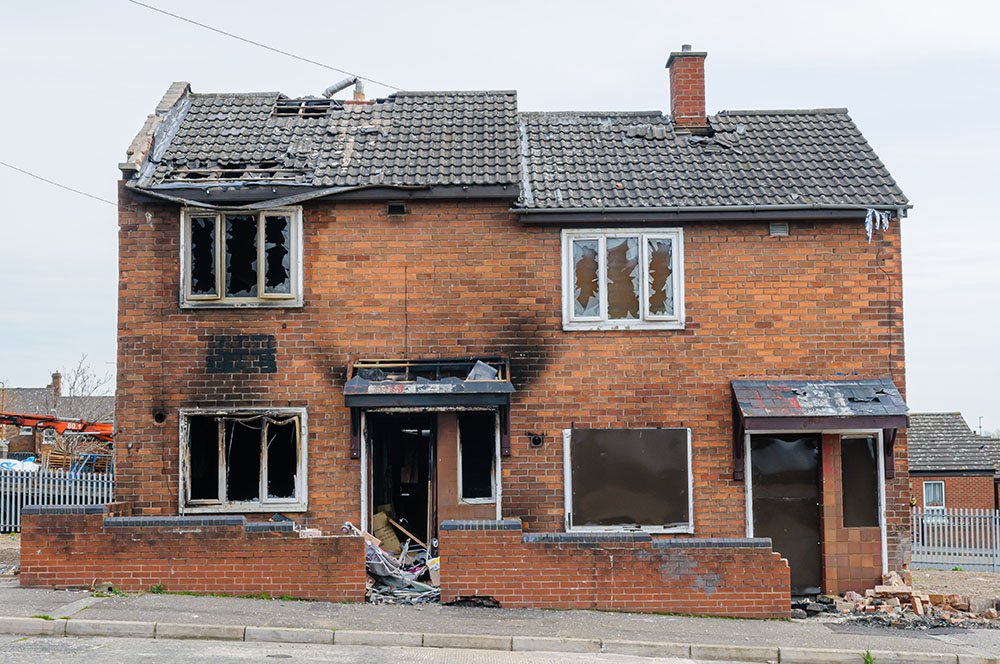
Common examples include uncontrolled water ingress from burst pipes, sewage backflow, fire or smoke damage, electrical hazards, or contamination that could expose occupants to harmful substances. In these cases, delay can worsen damage, increase health risks, or lead to secondary problems such as mould growth or structural deterioration.
Emergency situations are defined by risk, not inconvenience.
Issues That Feel Urgent but Are Usually Not Emergencies
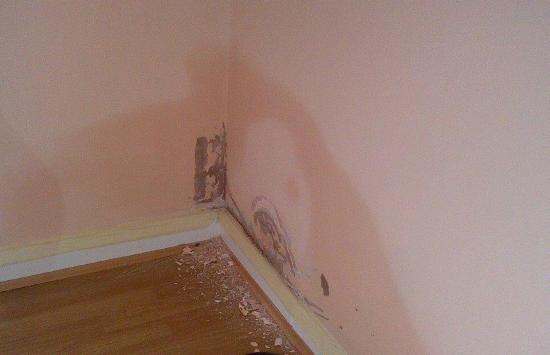
Some problems create distress without posing immediate danger. Minor leaks, isolated damp patches, cosmetic damage, or odours without an identified source may feel urgent but often allow time for assessment before action is taken.
Treating non-emergency issues as emergencies can lead to unnecessary cost or inappropriate interventions. A short pause to understand the underlying cause often results in a more effective and proportionate response.
Why Misjudging Urgency Causes Problems
Responding too aggressively to a non-emergency can create disruption or expense without improving outcomes. Conversely, underestimating a genuine emergency can allow damage to spread, increase remediation costs, or expose occupants to avoidable risks.
Clear judgement is particularly important where insurance, landlord responsibilities, or compliance obligations may later be questioned. Decisions made in the first hours often influence outcomes long after the initial issue is resolved.
How Emergency Status Is Typically Assessed
Emergency classification is based on observable risk factors rather than assumptions. These may include active leaks, visible contamination, rapid spread of damage, compromised utilities, or evidence of conditions that could escalate quickly.
This process mirrors the risk-based assessment approach explained in our guide on how property risks are assessed before recommending professional help,which focuses on evidence rather than reaction.
What to Do Once Urgency Is Clearly Identified
Once it is clear whether an issue is an emergency or not, the appropriate next step becomes easier to define. Emergency situations require immediate containment and risk reduction, while non-urgent issues benefit from structured assessment and planned intervention. In many cases, understanding responsibility early helps prevent delay, confusion, and escalation.
Clarity at this stage reduces confusion, limits unnecessary escalation, and supports better long-term outcomes for both occupants and property owners.
In some cases, delaying action allows manageable concerns to escalate.

TrustedCare Editorial Team publishes UK guidance on specialist cleaning and biohazard remediation, including after-death cleaning, flood restoration and contamination control. Content is written for homeowners, landlords and housing providers seeking clear, practical information.
Leave a Reply