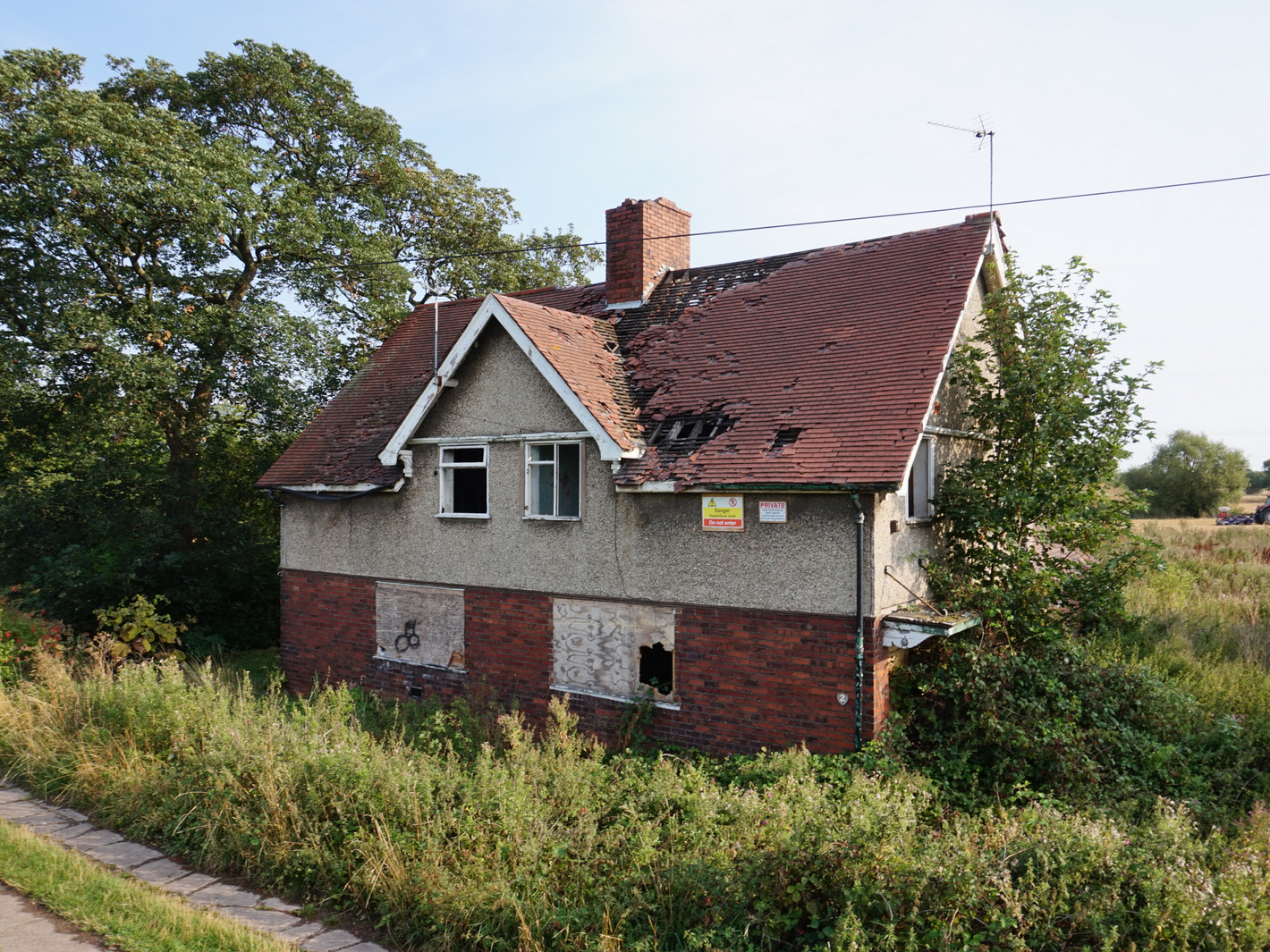
Why Responsibility Matters When Property Risks Are Involved
When a property issue begins to affect health or safety, one of the first questions people ask is “who is responsible?”. This question matters because responsibility determines who must take action, who bears the cost, and what happens if the issue is ignored.
Responsibility is not always straightforward. It depends on factors such as who owns the property, how the issue arose, and whether the risk could reasonably have been identified earlier.
Understanding responsibility early helps prevent disputes, delays, and unnecessary escalation.
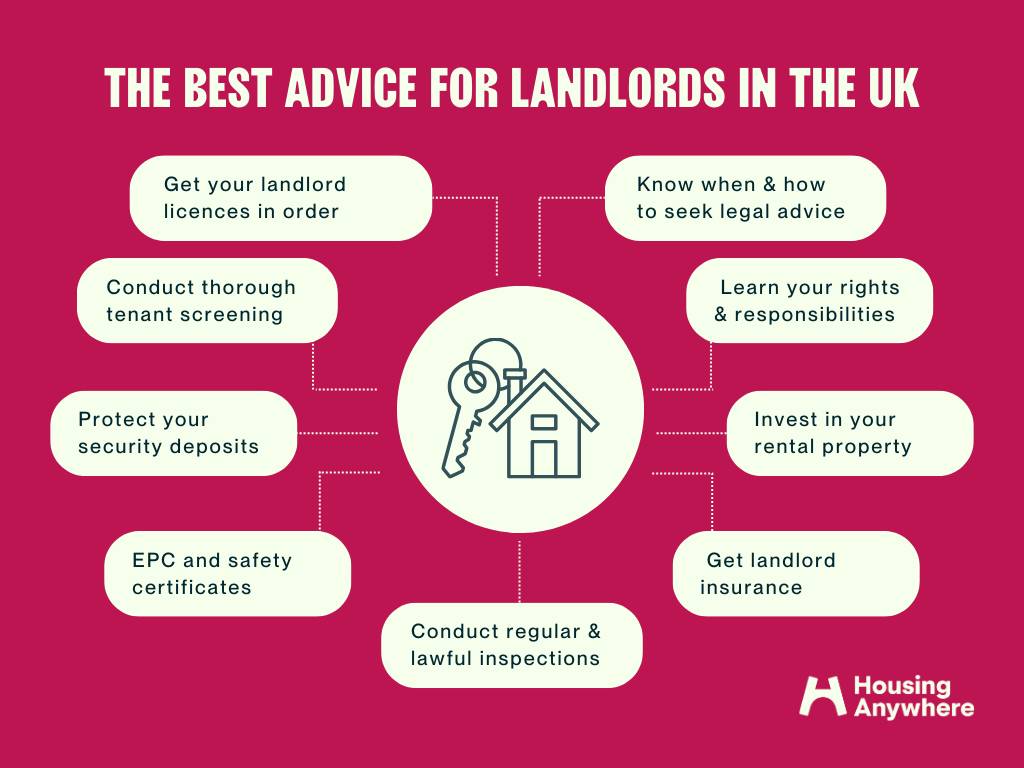
Common Situations Where Responsibility Is Questioned
Responsibility is most often disputed when a property problem develops gradually rather than suddenly. Issues such as mould growth, persistent damp, contamination, or unsafe living conditions may not be immediately obvious, making it harder to determine when action should have been taken.
Disputes often arise between landlords and tenants, managing agents and leaseholders, or insurers and policyholders. Each party may believe responsibility lies elsewhere, particularly if the issue has existed for some time.
Clear assessment and documentation are often the first step toward resolving these situations.
How Risk Assessment Influences Responsibility
Responsibility is closely linked to whether a risk was identifiable and whether reasonable steps were taken once it was known. Proper assessment helps establish when a problem crossed from being minor into something that posed a genuine health or safety concern.
This is why understanding how property risks are assessed before recommending professional help is important. Evidence-based assessment provides clarity around severity, duration, and potential impact, all of which influence responsibility.
When Responsibility Shifts Due to Escalation
In some cases, responsibility can change over time. An issue that begins as a minor maintenance concern may become a serious hazard if left unaddressed. Once health or safety risks are present, expectations around action and intervention increase.
Failing to respond appropriately once risks are known can lead to enforcement action, insurance complications, or formal disputes. Escalation often occurs not because the issue existed, but because it was ignored.
If professional assistance is required, learn more about specialist cleaning services across the UK.

What Usually Happens Once Responsibility Is Clear
Once responsibility is established, the next steps become more structured. This may involve remedial works, professional intervention, or formal processes to ensure risks are reduced and compliance obligations are met.
Clarity at this stage prevents ongoing disagreement and helps ensure that property issues affecting health or safety are resolved proportionately and effectively.
What to Consider Before Taking Next Steps
Before acting, it is important to understand whether the issue is urgent, whether professional involvement is necessary, and how responsibility may affect timing and cost. These decisions are closely connected to whether the situation is classed as a property emergency or allows time for planned intervention.
Understanding both urgency and responsibility together leads to better outcomes and fewer long-term complications.

TrustedCare Editorial Team publishes UK guidance on specialist cleaning and biohazard remediation, including after-death cleaning, flood restoration and contamination control. Content is written for homeowners, landlords and housing providers seeking clear, practical information.
Leave a Reply