Need advice after flood damage? Call 0330 633 5334 for professional guidance on flood damage cleaning, drying and property recovery.
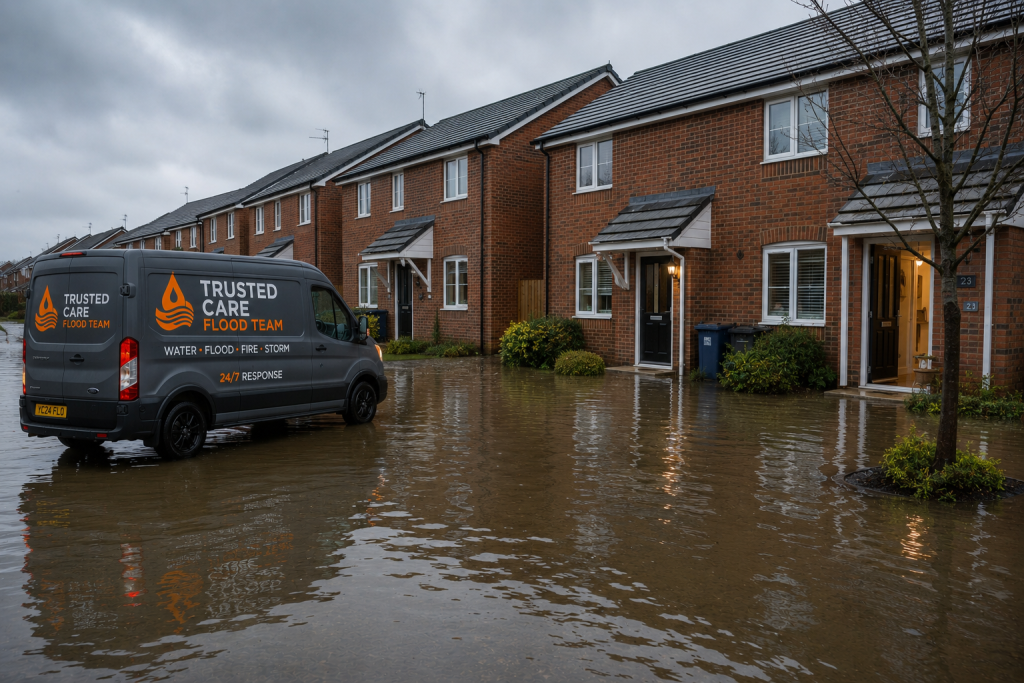
After a flood, many homeowners, landlords and tenants ask the same question: Is it safe to stay in the property? The answer depends on the extent of the damage, the source of the floodwater, electrical safety, structural condition and whether hidden moisture or contamination remains.
Some properties can remain occupied during parts of the recovery process, while others may require temporary alternative accommodation until cleaning, drying and safety checks have been completed.
When Is It Safe to Stay?
You may be able to remain in the property if:
- Flooding is minor and contained.
- Electrical systems have been declared safe.
- The structure has not been compromised.
- There is no sewage contamination.
- Professional drying can be carried out safely.
Every property should be assessed individually following a flood.
When Should You Leave the Property?
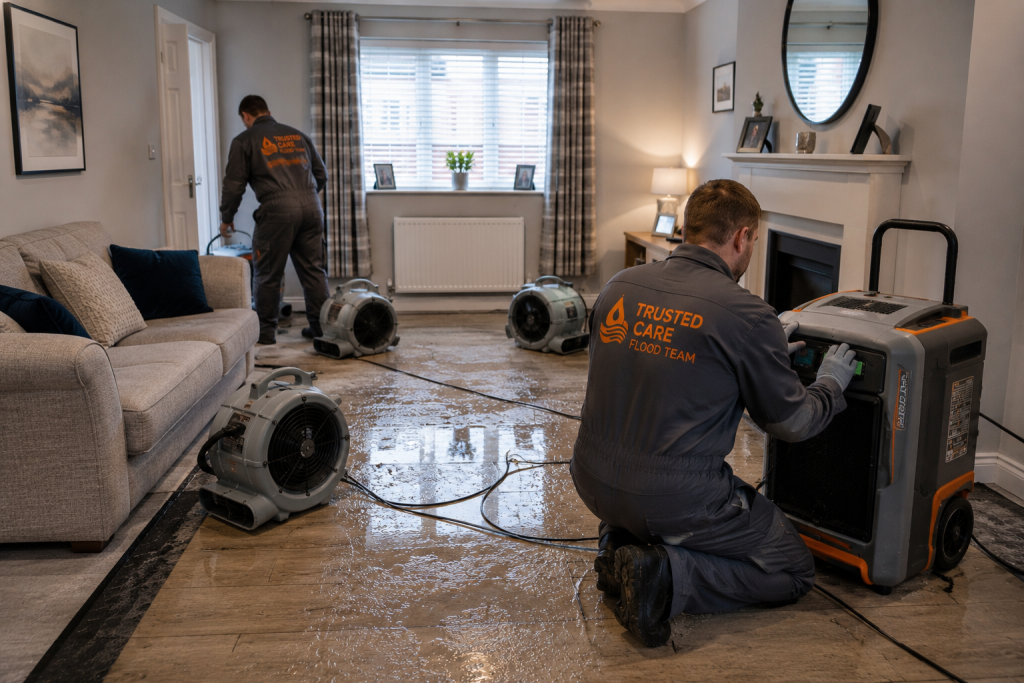
Temporary relocation may be necessary if:
- Sewage or contaminated floodwater is present.
- Electrical systems are unsafe.
- Structural damage has occurred.
- Extensive drying equipment is required throughout the property.
- The property presents health risks from damp or mould.
Safety should always take priority over convenience.
Health Risks After Flooding
Floodwater can introduce bacteria, viruses, chemicals and other contaminants into a property. Even clean water can become contaminated if left standing.
Potential risks include:
- Respiratory irritation
- Mould growth
- Skin irritation
- Bacterial contamination
- Persistent damp and odours
Helpful guide: Black Water vs Grey Water Flooding
Can You Stay During Drying?
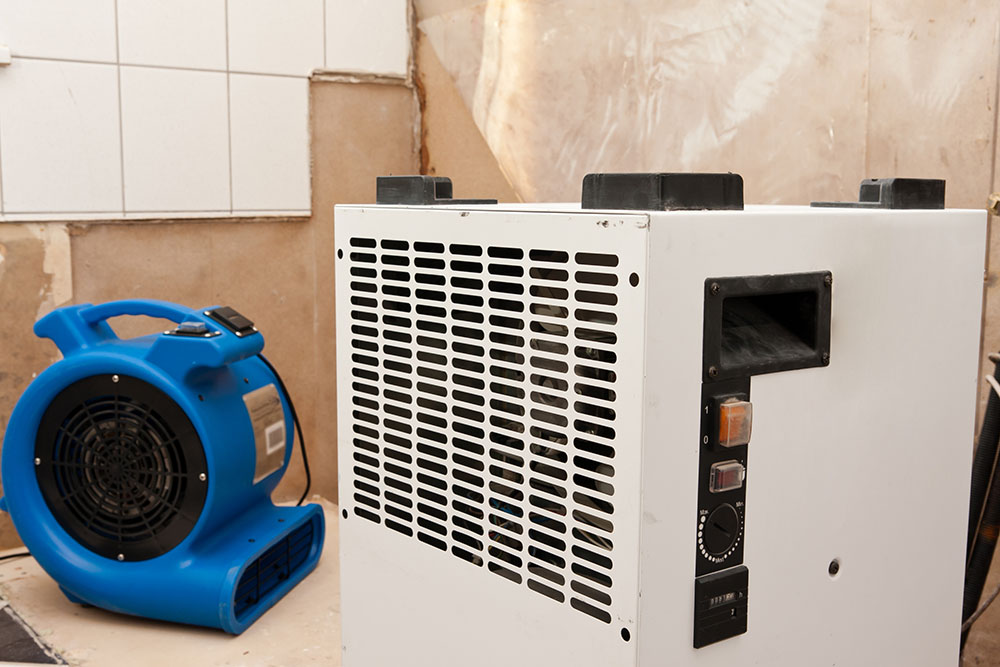
Sometimes, yes. Many drying systems can operate while occupants remain in unaffected areas of the property. However, this depends on:
- The extent of flood damage
- The location of drying equipment
- Noise levels
- Electrical safety
- Air quality
Related service: Drying After Flood Damage UK
What If Sewage Flooding Is Involved?
If sewage contamination is present, the property may not be safe to occupy until specialist cleaning and disinfection have been completed.
Related service: Sewage Flood Cleanup UK
Insurance and Alternative Accommodation
Many buildings and contents insurance policies include alternative accommodation where a property cannot safely be occupied following an insured flood event.
Policy terms vary, so property owners should contact their insurer as soon as possible.
Related service: Flood Damage Insurance Claims UK
Returning Home After Flood Damage
Before moving back into a property, ensure:
- Floodwater has been removed.
- Cleaning and disinfection are complete.
- Drying has reached acceptable moisture levels.
- Electrical systems have been checked.
- Any structural concerns have been resolved.
Returning too early can increase health risks and lead to ongoing damp problems.
Related Flood Damage Pages
- Flood Damage Cleaning Cost UK
- Emergency Flood Damage Cleanup UK
- Flood Damage Insurance Claims UK
- Drying After Flood Damage UK
- Flood Damage From Burst Pipes UK
- Sewage Flood Cleanup UK
- Commercial Flood Damage Cleaning UK
- Flood Damage Cleaning for Landlords UK
- Can You Stay in a Property After Flood Damage?
- Flood Damage Restoration vs Flood Damage Cleaning
Helpful Flood Damage Guides
- Flood Damage Cleaning UK
- Flood Damage Cleaning Cost UK
- Insurance Cover Flood Damage Cleaning UK
- How Long Does Flood Damage Cleaning Take?
- Can You Live in a Property After Flood Damage?
- Flood Damage Odours and Damp Returning
- Black Water vs Grey Water Flooding
- Who Is Responsible for Flood Damage Cleaning?
- Who Pays for Flood Damage Cleaning?
Frequently Asked Questions
Can I stay in my home after flood damage?
It depends on the extent of flooding, electrical safety, contamination levels and whether the property remains safe to occupy.
Can I stay in the property while drying equipment is running?
In some cases, yes. This depends on the areas affected, safety considerations and the drying equipment being used.
When is a flooded property unsafe?
A property may be unsafe if sewage contamination, structural damage, electrical hazards or significant mould risks are present.
Will insurance pay for alternative accommodation?
Many insurance policies include alternative accommodation where a property cannot safely be occupied following an insured flood event.
Can TrustedCare advise whether a property is safe to occupy?
Yes. TrustedCare can assess flood damage, explain the cleaning and drying process and help determine when a property may be ready for reoccupation.