Need flood drying assistance? Call 0330 633 5334 for professional flood drying and moisture monitoring services.
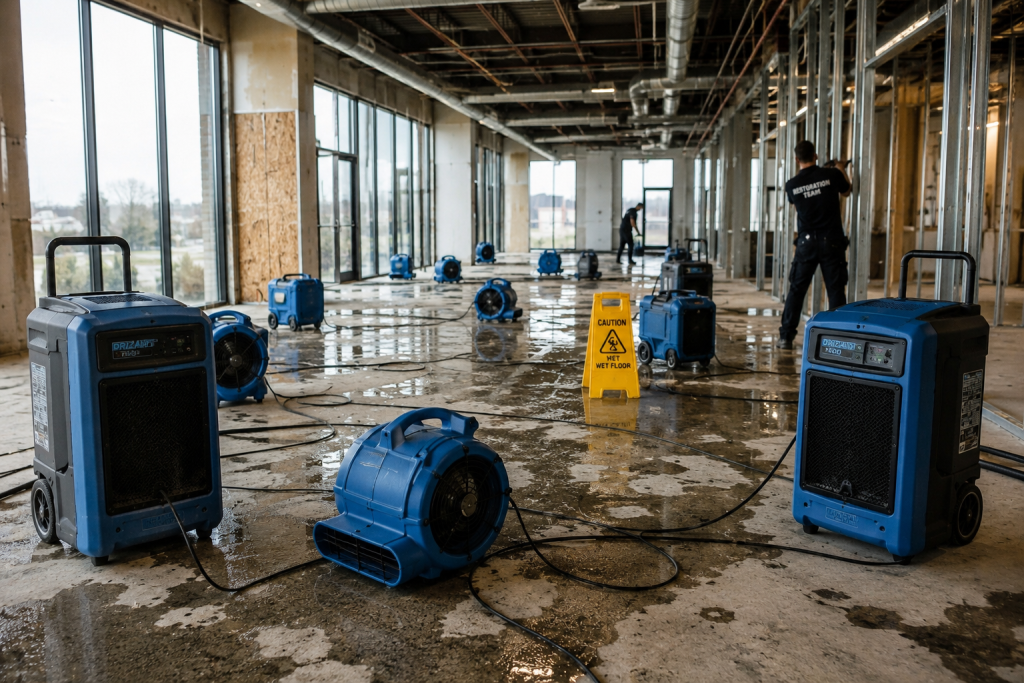
Removing visible floodwater is only the first stage of recovery. Even after water extraction is complete, moisture can remain trapped inside walls, floors, insulation, timber and structural materials. Professional drying after flood damage helps prevent mould growth, structural deterioration and long-term property damage.
TrustedCare provides flood drying support for homes, landlords, commercial properties and housing providers across the UK.
Why Flood Drying Is Essential
Floodwater can penetrate deep into building materials. Without proper drying, hidden moisture may remain for weeks or months.
This can lead to:
- Mould growth
- Damp and condensation
- Persistent odours
- Structural deterioration
- Damage to flooring and walls
- Insurance claim complications
Drying is often the most important stage of flood recovery.
What Happens During Flood Drying?
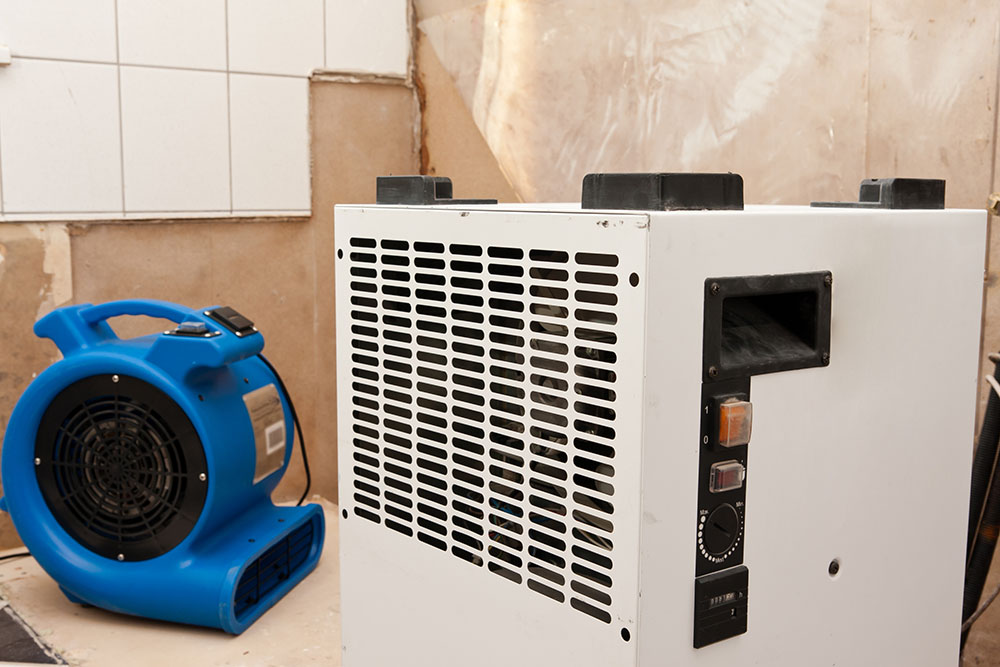
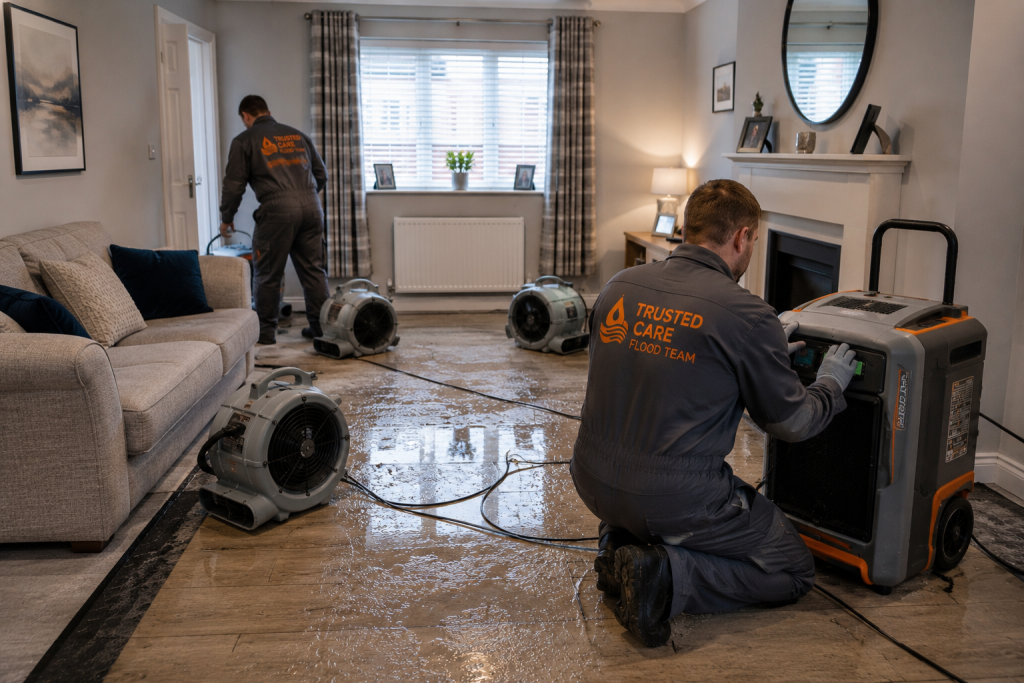
Professional flood drying may involve:
- Moisture inspections
- Commercial dehumidifiers
- Air movers
- Targeted drying systems
- Humidity control
- Moisture monitoring
- Drying reports and documentation
Equipment selection depends on the type of property, construction materials and severity of water damage.
How Long Does Flood Drying Take?
Drying times vary depending on:
- The volume of water involved
- Property construction
- Materials affected
- Temperature and humidity levels
- How quickly drying begins
Minor incidents may dry within several days, while severe flooding can require several weeks of drying and monitoring.
Helpful guide: How Long Does Flood Damage Cleaning Take?
Moisture Monitoring and Verification
Professional drying should not rely on appearance alone. Surfaces may look dry while moisture remains hidden inside structural materials.
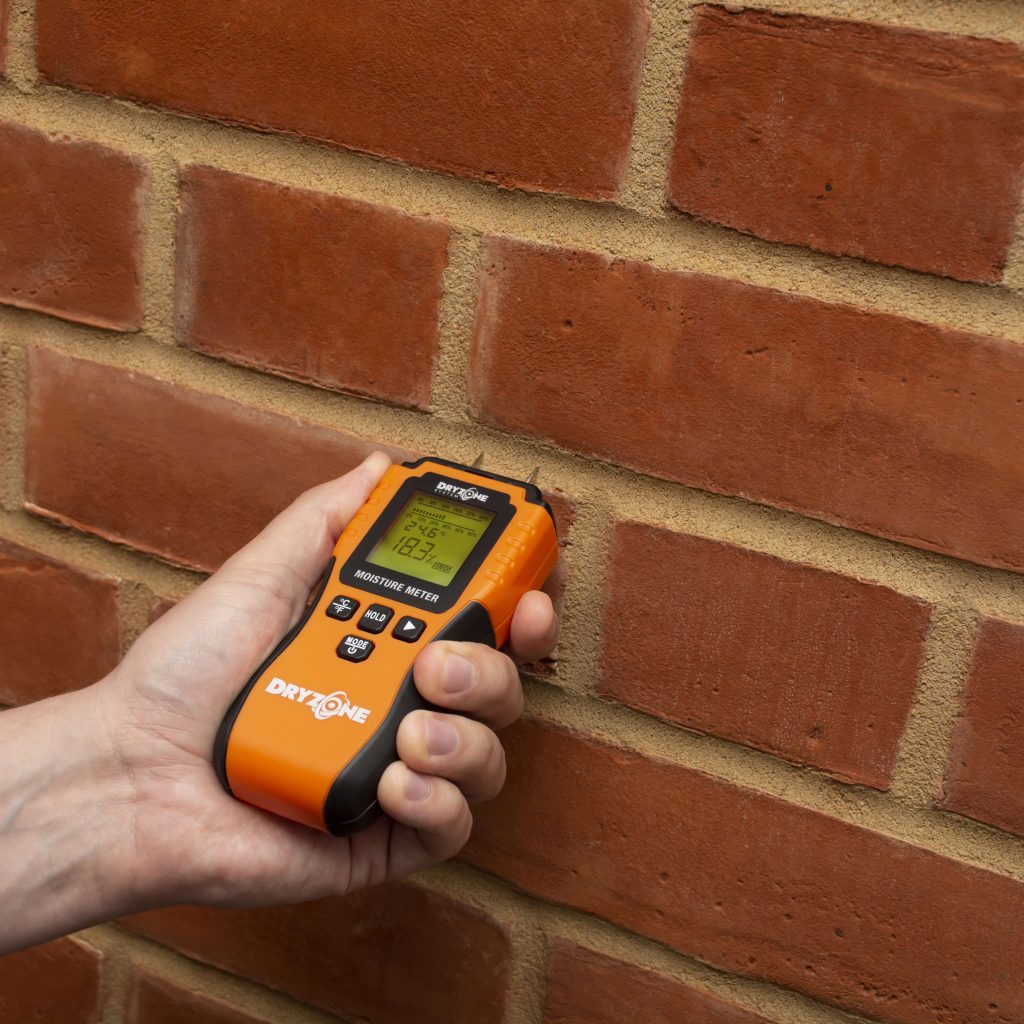
Moisture monitoring helps determine:
- Whether drying is progressing correctly
- When drying targets have been achieved
- Whether further drying is required
- Whether restoration work can safely begin
Flood Drying and Mould Prevention
Mould growth often begins when moisture remains trapped after flooding. Proper drying significantly reduces the likelihood of mould developing later.
Helpful guide: Can Flood Damage Odours and Damp Return After Cleaning?
Drying After Sewage Flooding
Properties affected by sewage flooding usually require specialist cleaning and decontamination before drying can begin.
Related service: Sewage Flood Cleanup UK
Helpful guide: Black Water vs Grey Water Flooding
Insurance and Flood Drying
Many insurers recognise drying as a critical stage of flood recovery. Moisture readings, drying logs and monitoring reports may be required as part of the claims process.
Related service: Flood Damage Insurance Claims UK
When Can Repairs Begin?
Repairs should generally not begin until drying targets have been achieved. Starting restoration work too early can trap moisture within the structure and increase future problems.
Professional drying helps ensure properties are ready for repair, redecoration and reoccupation.
Related Flood Damage Pages
- Flood Damage Cleaning Cost UK
- Emergency Flood Damage Cleanup UK
- Flood Damage Insurance Claims UK
- Drying After Flood Damage UK
- Flood Damage From Burst Pipes UK
- Sewage Flood Cleanup UK
- Commercial Flood Damage Cleaning UK
- Flood Damage Cleaning For Landlords UK
- Can You Stay In A Property After Flood Damage?
- Flood Damage Restoration vs Flood Damage Cleaning
Helpful Flood Damage Guides
- Flood Damage Cleaning UK
- Flood Damage Cleaning Cost UK
- Insurance Cover Flood Damage Cleaning UK
- How Long Does Flood Damage Cleaning Take?
- Can You Live In A Property After Flood Damage?
- Flood Damage Odours and Damp Returning
- Black Water vs Grey Water Flooding
- Who Is Responsible For Flood Damage Cleaning?
- Who Pays For Flood Damage Cleaning?
Frequently Asked Questions
How long does flood drying take?
Drying can take several days or several weeks depending on the severity of flooding, property construction and moisture levels.
Can a property look dry but still contain moisture?
Yes. Hidden moisture can remain inside walls, floors and structural materials even when surfaces appear dry.
Why are dehumidifiers used after flooding?
Dehumidifiers remove moisture from the air and help accelerate the drying process.
Can drying prevent mould growth?
Proper drying significantly reduces the risk of mould developing after flood damage.
Do insurers require drying reports?
Many insurers request moisture readings, drying logs and supporting documentation during flood damage claims.