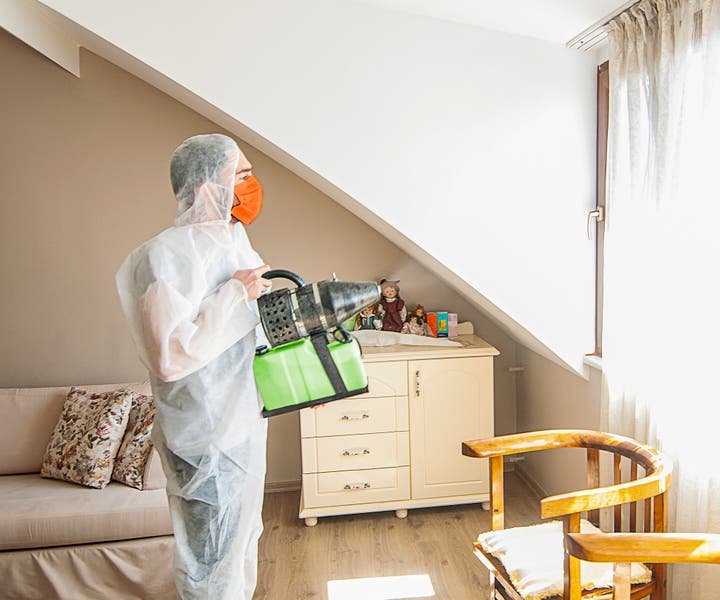
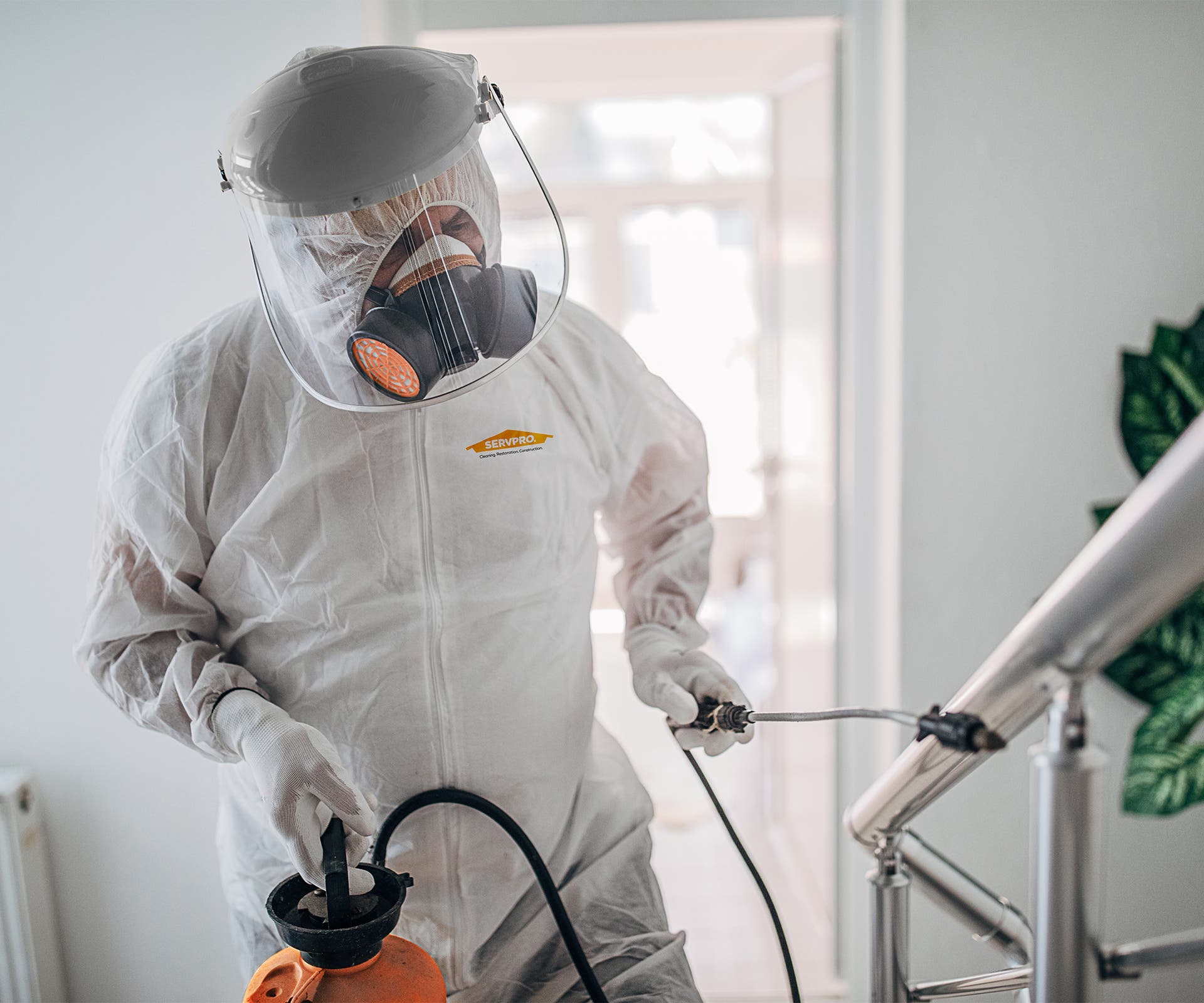
Trauma scene cleaning is a specialist service required after incidents where blood, bodily fluids, or biological hazards are present. These situations often follow sudden deaths, accidents, suicides, violent incidents, or serious medical emergencies.
In the UK, trauma scene cleaning must be carried out using specialist training, professional equipment, and strict health and safety procedures. Attempting to clean a trauma scene without proper knowledge can expose people to serious biohazards.
This guide explains what trauma scene cleaning involves, when it is required, and why professional services are usually necessary.
If you need professional help following a death in a property, our full guide to After Death Cleaning Services in the UK explains the process, costs, and what happens next.
What Is Trauma Scene Cleaning
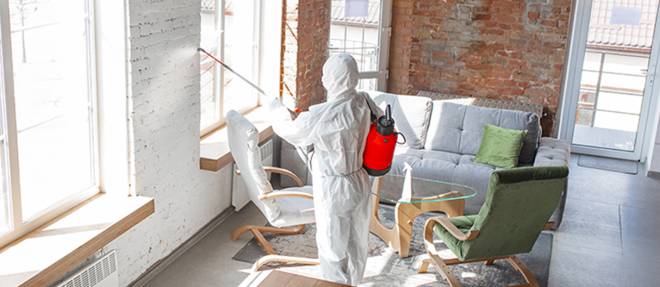
Trauma scene cleaning refers to the professional cleaning and decontamination of locations where biological contamination has occurred. This can include blood, bodily fluids, tissue matter, and other potentially infectious materials.
These scenes may occur in private homes, rental properties, commercial premises, vehicles, or public locations. After emergency services have completed their work, the responsibility for cleaning the property normally falls to the owner, landlord, or family.
Professional trauma cleaners remove hazardous materials, disinfect affected areas, eliminate odours, and restore the property to a safe condition.
In many cases trauma scene cleaning overlaps with specialist after death cleaning services. If you need to understand how these services work across the UK, see our guide:
After Death Cleaning Services in the UK
https://trustedcare.uk/after-death-cleaning-uk/
When Trauma Scene Cleaning Is Required
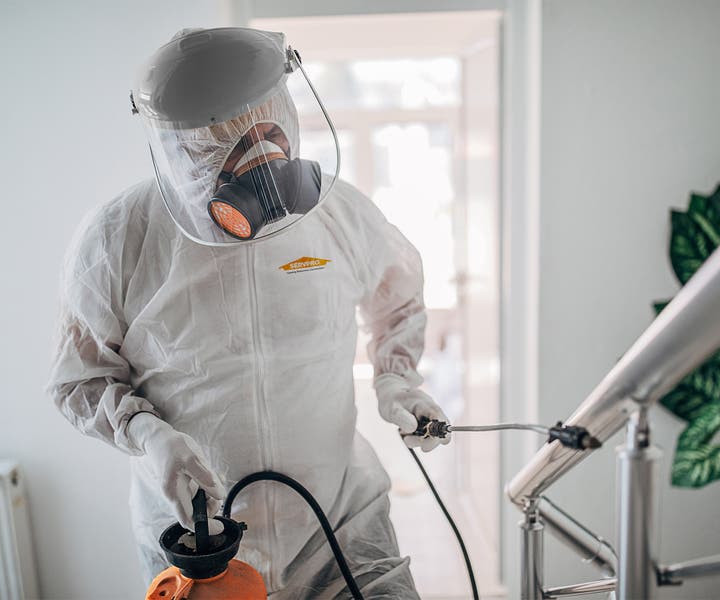
Trauma scene cleaning is required whenever a location becomes contaminated with biological hazards following a traumatic event.
Common situations include:
• Sudden or unattended deaths
• Suicide incidents
• Accidents resulting in blood contamination
• Violent crimes or assaults
• Industrial accidents
• Medical emergencies in the home
• Decomposition following undiscovered deaths
In many cases trauma scenes may involve decomposition or extended contamination. These situations require specialist equipment and trained technicians.
Where deaths occur in a property, trauma cleaning may be combined with professional after death cleaning services. You can learn more about the time involved in these cases here:
How Long After Death Cleaning Takes in the UK
https://trustedcare.uk/how-long-after-death-cleaning-takes-uk/
Health Risks at Trauma Scenes

Trauma scenes present serious health risks if they are not properly cleaned and disinfected.
Blood and bodily fluids can carry dangerous pathogens including:
• Hepatitis B
• Hepatitis C
• HIV
• Bacterial infections
• Airborne contaminants from decomposition
Without proper containment procedures, these hazards can spread through carpets, flooring, furniture, and structural materials.
Professional trauma cleaners use specialist PPE, disinfectants, and biohazard disposal procedures to remove these risks safely.
Attempting to clean a trauma scene without proper training can expose individuals to serious health hazards.
If professional assistance is required, learn more about specialist cleaning services across the UK.
The Professional Cleaning Process

Professional trauma scene cleaning follows a structured process designed to remove contamination and restore the property safely.
Typical steps include:
1. Site assessment
Technicians inspect the affected areas to identify contamination and determine the cleaning approach.
2. Containment and safety setup
Protective barriers, PPE, and ventilation control measures are put in place.
3. Removal of contaminated materials
Items that cannot be safely cleaned may be removed and disposed of as clinical waste.
4. Specialist biohazard cleaning
Approved disinfectants and equipment are used to remove biological contamination.
5. Decontamination and odour treatment
Fogging, ozone treatment, or enzyme solutions may be used to eliminate lingering contamination or smells.
6. Safe waste disposal
All biohazard waste must be transported and disposed of according to UK clinical waste regulations.
Legal and Safety Requirements in the UK

Trauma scene cleaning in the UK must comply with strict health and safety laws relating to hazardous substances and waste disposal.
Relevant legislation can include:
• Health and Safety at Work Act
• Control of Substances Hazardous to Health (COSHH)
• Environmental Protection Act
• Hazardous Waste Regulations
Biohazard materials must be handled, transported, and disposed of through licensed waste management systems.
There are also legal responsibilities relating to deaths that occur in properties. Our guide explains the main legal considerations in these situations:
Legal Responsibilities After a Death in a Property (UK Guide)
https://trustedcare.uk/after-death-cleaning-legal-uk/
How Long Trauma Scene Cleaning Takes
The time required for trauma scene cleaning depends on several factors, including:
• Size of the contaminated area
• Type of incident
• Level of contamination
• Whether decomposition is involved
• Structural damage to the property
Minor incidents may take only a few hours to clean, while complex trauma scenes can require a full day or multiple visits.
If the incident involves an unattended death or decomposition, the cleaning process may take longer due to contamination spread.
For a detailed explanation of timeframes involved in specialist cleaning, see:
How Long After Death Cleaning Takes in the UK
https://trustedcare.uk/how-long-after-death-cleaning-takes-uk/
Who Pays for Trauma Scene Cleaning
Responsibility for trauma scene cleaning costs usually falls to the property owner or family of the deceased.
However, payment arrangements can vary depending on the situation:
• Homeowner insurance policies sometimes cover cleaning costs
• Landlords may be responsible in rental properties
• Local authorities may assist in specific circumstances
• Commercial property owners are responsible for workplace incidents
Costs depend on the level of contamination, access issues, and waste disposal requirements.
For a detailed breakdown of specialist cleaning costs see:
After Death Cleaning Cost Guide (UK)
https://trustedcare.uk/after-death-cleaning-cost-uk/
When to Contact a Specialist Service
Trauma scene cleaning should always be carried out by trained professionals where biological contamination is present.
Situations where specialist services are required include:
• Blood or bodily fluids present in the property
• Decomposition or odour issues
• Structural contamination in flooring or walls
• Situations involving infectious hazards
• Any incident involving death in the property
Professional trauma cleaners have the equipment, training, and legal compliance required to safely restore affected areas.
If you require immediate support following a traumatic incident, specialist after death and biohazard cleaning services can provide safe and discreet assistance across the UK.
Learn more here:
For a complete overview of specialist cleaning services following a death in a property, see our guide to After Death Cleaning Services in the UK.https://trustedcare.uk/after-death-cleaning-uk/

TrustedCare Editorial Team publishes UK guidance on specialist cleaning and biohazard remediation, including after-death cleaning, flood restoration and contamination control. Content is written for homeowners, landlords and housing providers seeking clear, practical information.
Leave a Reply