Who Pays for After Death Cleaning in the UK?
Who Pays for After Death Cleaning in the UK?
After-death cleaning may be paid for by the deceased person’s estate, a property owner or landlord, a housing provider, or an insurer where cover applies. Being next of kin does not, by itself, settle who must pay. Before booking, confirm who is authorising the work and who will be responsible for the invoice.
TrustedCare provides discreet after death cleaning support across England, Scotland and Wales. Contact us if you need to discuss the practical cleaning requirements while responsibility is being established.
✓ England, Scotland & Wales
✓ Residential & managed properties
✓ Confidential enquiries
Who Is Responsible for Paying?
Start with the property owner or landlord and the person dealing with the estate. They can help establish who has authority to arrange cleaning. If insurance may apply, ask the insurer to confirm cover and its approval process. The person making the first enquiry is not necessarily the person who will ultimately fund the work.
There are two separate questions: who agrees to pay the cleaning company, and whether that payment can later be recovered from an estate, insurer or another party. Do not assume reimbursement is guaranteed. Confirm the customer name, authority to book and payment arrangements in writing before accepting a quotation.
Where the legal or financial position is unclear, the relevant landlord, executor, insurer, housing provider or professional adviser may need to confirm responsibility.
For information about the cleaning service itself, see our After Death Cleaning Services UK page.
Responsibility in Different Situations
The following explains who may commonly be involved. It should not be read as a definitive legal ruling for every case.
Homeowners
In an owner-occupied property, cleaning may be arranged by family members, an executor or another person responsible for the property. Payment may ultimately come from the estate, the owner or an insurer depending on the circumstances.
Landlords
A landlord may need to arrange cleaning and restoration before a property can be re-let. Whether the landlord ultimately bears the cost can depend on the tenancy, insurance and estate position.
Tenants & Families
A surviving tenant or family member should not automatically assume personal financial responsibility. The tenancy, ownership and estate position should be checked before responsibility is accepted.
Executors & Estates
An executor or estate administrator may arrange necessary property expenses while administering the estate. Whether cleaning is paid from estate funds depends on the individual circumstances and available assets.
Insurers
Some policies may contribute towards cleaning or associated property damage, but cover varies. The insurer should confirm what the individual policy covers before significant remediation where practical.
Local Authorities & Housing Providers
Where a property is owned or managed by a council or housing provider, the organisation may have its own procedures for arranging specialist cleaning, access and any subsequent cost recovery.
Owner-Occupied Homes
Where the deceased owned the property, cleaning may need to be arranged before the property is occupied, sold, transferred or prepared for other estate-related purposes.
The executor or administrator may be responsible for dealing with property matters during estate administration. This does not necessarily mean an individual family member has to pay personally.
Ask the executor or administrator whether the proposed cleaning can be authorised and paid for as an estate expense. Do not assume that access to estate money is immediate or that a family member’s payment will automatically be reimbursed. In uncertain cases, seek probate or legal advice.
Landlords and Rental Properties
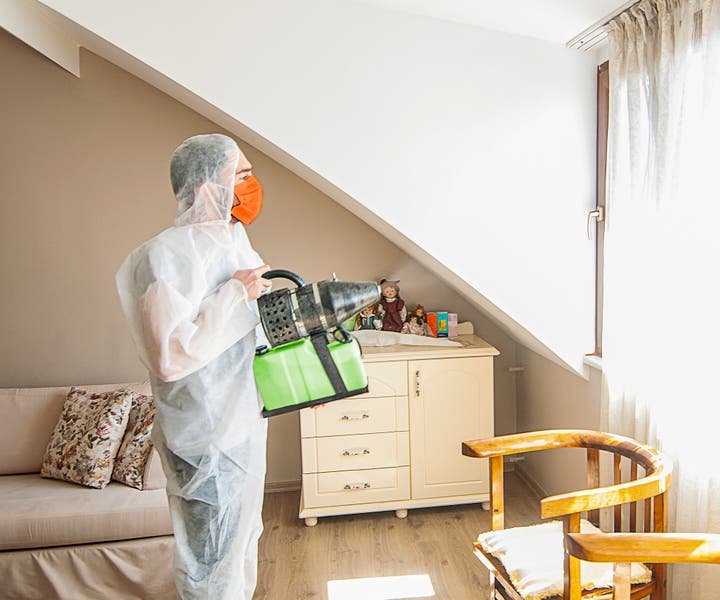
In a rental property, the landlord or managing agent may need to take the lead in arranging access, specialist cleaning and any repairs required before the property can be used again.
That does not automatically determine who ultimately pays. Relevant factors may include the tenancy agreement, insurance arrangements, the deceased tenant’s estate and the condition of the property.
A landlord considering an insurance claim should contact the insurer and check what evidence or authorisation is required.
What About Tenants and Family Members?
A surviving tenant, relative or next of kin may be the first person dealing with the situation, but that does not necessarily make them personally responsible for the cleaning bill.
Before agreeing to meet significant costs, it can be sensible to establish:
- who owns the property
- whether there is a landlord or managing agent
- whether an executor or estate administrator has been appointed
- whether relevant insurance exists
- whether a housing provider or local authority is responsible for the property
If you are asked to book in your own name, check what payment commitment you are accepting. Being a relative and entering into a new cleaning agreement are different matters. Where responsibility is disputed or unclear, obtain legal advice before committing to costs.
Executors and the Deceased Person’s Estate
An executor or administrator may need to deal with practical property expenses while the estate is being administered.
After death cleaning can sometimes be one of those practical property matters, particularly where contamination needs to be addressed before valuations, access, clearance, sale or occupation.
The availability of estate funds and the correct treatment of expenses depend on the individual estate. TrustedCare can explain the cleaning scope, but questions about probate or estate liability should be directed to an appropriate legal or probate adviser.
Need to Arrange Cleaning While Responsibility Is Being Confirmed?
Tell us the property postcode and what has happened. We can discuss the likely cleaning requirements and provide the practical information needed to help the person arranging the work.
Can Insurance Cover After Death Cleaning?
Potentially, but cover should never be assumed.
Buildings, landlord or contents policies may respond differently depending on the policy wording, cause of damage and materials affected.
Where an insurance claim may be made, contact the insurer as early as practical and ask whether they require photographs, quotations or approval before significant removal or remediation begins.
TrustedCare can provide information about the cleaning work being considered, but the insurer determines whether the individual claim is covered.
Local Authorities and Housing Providers
Where a death occurs in council, housing association or other managed accommodation, the organisation responsible for the property may have an established procedure for dealing with access, cleaning and reinstatement.
Tenants or relatives should contact the housing provider before commissioning major work independently where the provider owns or controls the property.
Whether any cost is later recovered from an estate, insurer or another party depends on the organisation’s own arrangements and the circumstances of the case.
Why Responsibility and Cost Are Linked
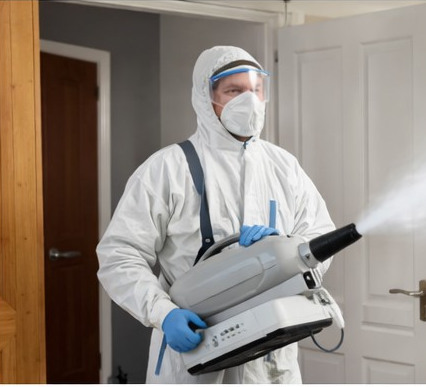
Before responsibility can be resolved, the person arranging the work often needs to understand the likely scope and cost.
After death cleaning costs can vary according to:
The amount and extent of biological contamination can significantly affect the scope.
Carpet, flooring, bedding, furniture and other porous materials may need assessment or removal.
Odour treatment and the amount of contaminated material requiring removal can affect the quotation.
For more detail, see the After Death Cleaning Cost UK guide. Our after-death cleaning pricing guide also explains what to check in a written quotation.
What If No One Is Sure Who Should Pay?
Responsibility can become unclear where there is no readily identifiable next of kin, an estate has limited funds, ownership is disputed or several parties are involved.
In those circumstances, avoid assuming that one person automatically has personal liability.
The property owner, executor, landlord, housing provider, insurer or relevant professional adviser may need to establish the correct position.
Where immediate property risks exist, the party legally responsible for the property may still need to decide what practical action is required while financial responsibility is resolved.
Five Things to Confirm Before Booking
- Authority and access: who can authorise work and provide access, and whether the property has been released by the relevant authorities where applicable.
- The cleaning scope: which rooms, materials, waste removal and odour treatment are included.
- The customer and invoice: who is instructing the provider and what payment terms are being accepted.
- Insurance approval: whether the insurer requires a quotation, photographs or approval before work starts.
- The written total: VAT where applicable, exclusions and how any additional work will be agreed.
Keep the quotation, authorisations, invoices and relevant correspondence together. If responsibility is still being discussed, you can ask TrustedCare about the cleaning scope without assuming that another party has agreed to fund it.
For practical help, view our after-death cleaning service or request a confidential callback.
Related After Death Cleaning Guides
These TrustedCare pages explain the service, costs, legal considerations and expected timescales in more detail.
Further Guidance on Estates and Bereavement
GOV.UK’s guide to what to do when someone dies explains the wider steps, including dealing with the estate. MoneyHelper’s guidance on debts after a death explains existing debts and estate responsibilities. It does not decide liability for a new cleaning contract.
This page provides general practical information, not a decision on legal liability or insurance cover. Procedures and rights can differ across the UK; seek advice relevant to the property and circumstances where needed.
Frequently Asked Questions
Who pays for after death cleaning in the UK?
There is no universal answer. Responsibility can depend on property ownership, tenancy arrangements, the deceased person’s estate, insurance and whether a housing provider or local authority is involved.
Does the family always have to pay?
No. A relative or next of kin should not automatically assume personal financial responsibility. The ownership, tenancy, estate and insurance position should first be established.
Does a landlord have to arrange cleaning?
A landlord may need to arrange cleaning and restoration of a rental property, but who ultimately bears the cost can depend on the tenancy, estate and insurance arrangements.
Can after death cleaning be paid from an estate?
An executor or administrator may need to deal with necessary property expenses during estate administration. Whether cleaning is paid from estate funds depends on the individual estate and available assets.
Can insurance cover the cost?
Some policies may contribute towards specialist cleaning or associated property damage, but this depends on the individual policy and circumstances. The insurer should confirm what is covered.
Do councils or housing associations arrange after death cleaning?
Where they own or manage the property, local authorities and housing providers may have procedures for arranging cleaning and property reinstatement. The organisation should be contacted directly to confirm its process.
What if nobody accepts responsibility?
Where responsibility is disputed or unclear, the property owner, landlord, executor, housing provider, insurer or an appropriate professional adviser may need to establish the correct position before financial responsibility can be determined.
Need Confidential After Death Cleaning Support?
TrustedCare provides specialist after death cleaning support across England, Scotland and Wales.
If you are arranging a clean for a family, estate, landlord or managed property, contact us with the postcode and a brief description of the situation.
24-hour emergency enquiries.

TrustedCare Editorial Team publishes UK guidance on specialist cleaning and biohazard remediation, including after-death cleaning, flood restoration and contamination control. Content is written for homeowners, landlords and housing providers seeking clear, practical information.