Fire Damage Cleanup: 24/7 Emergency Response Guide
Table of Contents
- What to Do Immediately After a Fire
- Emergency Fire Restoration Process: Step-by-Step
- Soot and Smoke Damage: What Professionals Remove
- How to File a Fire Damage Insurance Claim
- Health and Safety Hazards After Fire Damage
- DIY vs Professional Fire Damage Cleanup: When to Call Experts
- Conclusion
Last Updated: August 16, 2026
What to Do Immediately After a Fire
Safety is non-negotiable when fire damage strikes. Your first priority is getting yourself and anyone else in the building to safety, then alerting emergency services.
Evacuate immediately if there’s any smoke, flame, or structural concern. Don’t stop to gather items or check other rooms. Once outside, move to a safe distance and call emergency services. They’ll determine whether it’s safe to re-enter.
Safety first: evacuate and call emergency services
After evacuation, don’t re-enter the building without official clearance from fire services or a qualified structural engineer. Contact your insurance provider as soon as it’s practical. Most insurers have 24/7 claims lines. Provide basic information: the fire’s location, what triggered it (if known), and whether anyone was injured.
If you need immediate assistance securing the property, boarding up windows, or covering roof damage, professional restoration services can mobilise quickly. A rapid response prevents secondary damage from water infiltration and deterioration. Services like TrustedCare operate 24/7 and can arrive rapidly to stabilise the property.
Document the damage for your records
Before anything is removed or cleaned, document everything. Photograph and video-record all visible damage: burned areas, soot coverage, water damage, and affected contents. Capture wide shots of each room and close-ups of specific damage.
Create a written inventory of damaged items if possible, including descriptions, approximate age, and estimated value. For high-value items, locate purchase receipts or warranty documents. Keep all receipts for emergency expenses: temporary accommodation, food, emergency supplies, or interim repairs. Store these documents separately from your home, ideally in a cloud folder, so they survive any further damage.
Emergency Fire Restoration Process: Step-by-Step
The restoration process requires speed and precision. Each phase addresses specific hazards and prevents cascading secondary damage.
Rapid assessment and property securing
The first response is a rapid on-site assessment. Qualified technicians evaluate structural integrity, identify immediate hazards, and determine what can be salvaged. They’ll check for unstable walls, compromised roofing, gas leaks, and electrical hazards.
Once hazards are identified, the property is secured. Boarding up broken windows, covering roof damage, and installing temporary weatherproofing prevents rain and weather ingress. Power and utilities are checked for safety risks. If electrical systems are damaged or wet, they pose electrocution and fire risks. Gas lines must be inspected for leaks.
Water extraction and structural drying
Firefighting efforts leave standing water, especially in basements and lower levels. Extraction begins within hours using industrial-grade pumps and vacuums. After extraction, dehumidifiers and high-velocity air movers are deployed throughout the property, running continuously for days or weeks depending on moisture levels.
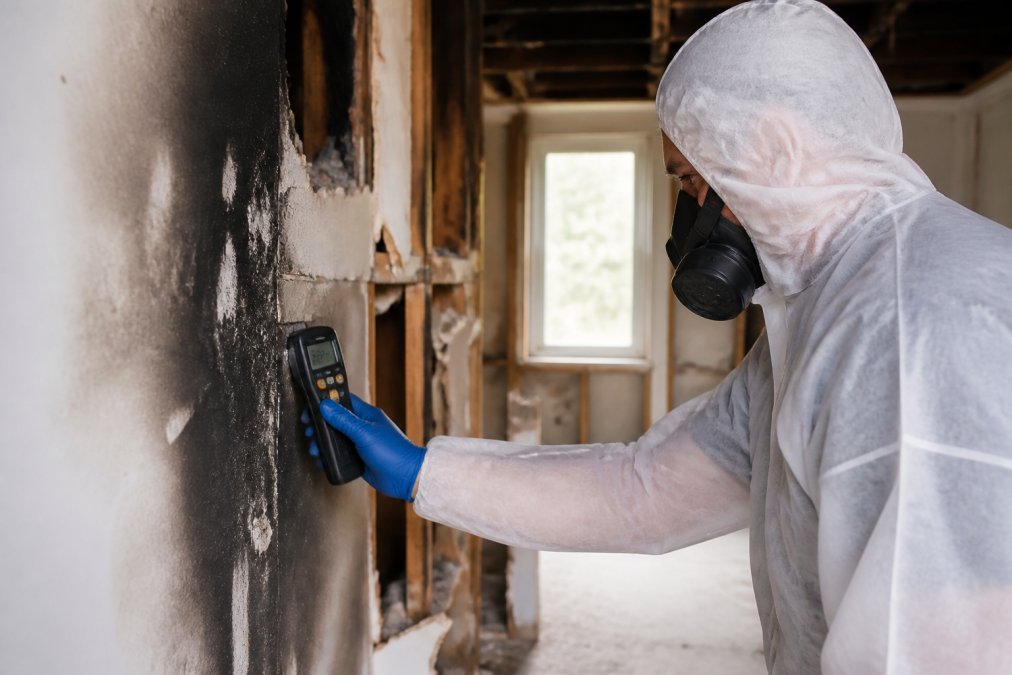
Moisture monitoring continues throughout this phase. Technicians measure moisture content in walls, floors, and hidden cavities using specialised equipment. The drying process is complete only when moisture levels drop to safe, pre-fire baselines. Professional Flood Damage Cleaning and Drying services ensure that water damage from firefighting efforts is fully remediated, preventing mould growth and structural deterioration.
Soot removal and smoke damage remediation
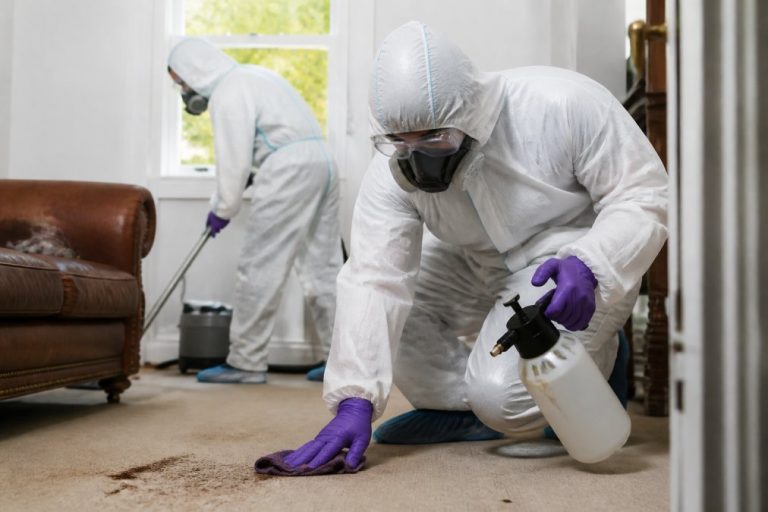
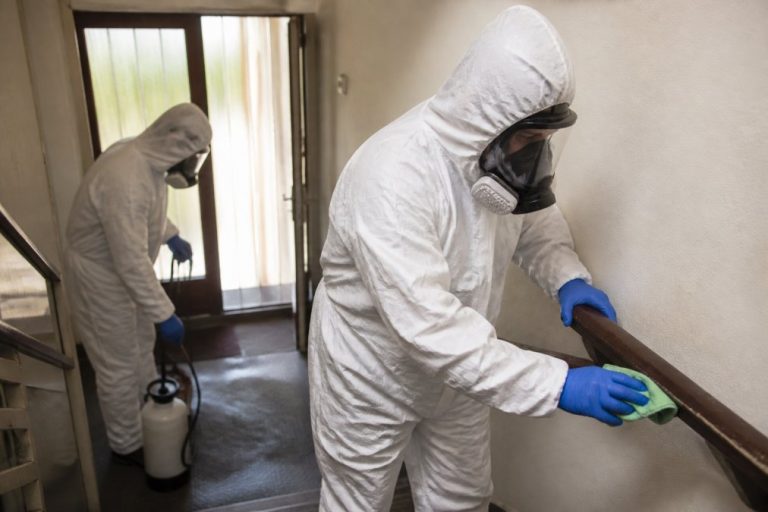
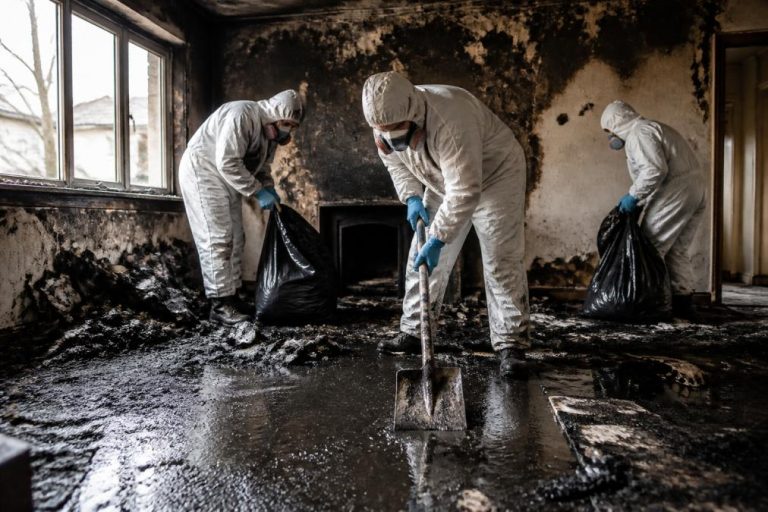
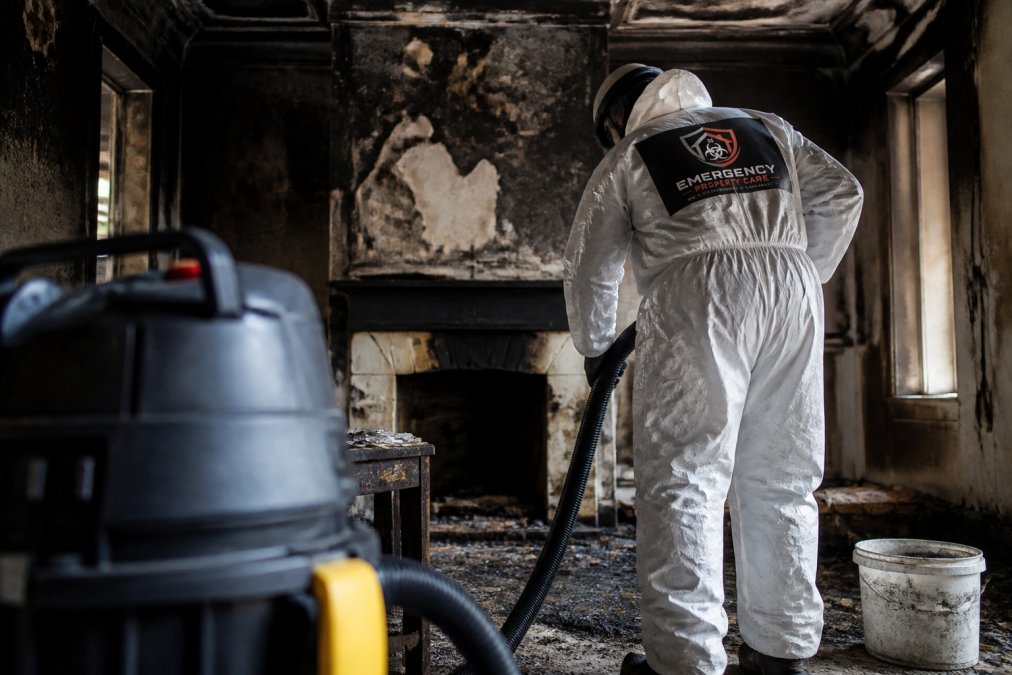
Soot and smoke residue coat every surface exposed to the fire. Soot particles are acidic and corrosive; left untreated, they continue damaging paint, varnish, metal, and fabrics. Professional technicians use dry cleaning with specialised vacuums equipped with HEPA filters to remove loose soot, and wet cleaning with pH-neutral detergents to lift acidic residue from hard surfaces.
All affected contents are cleaned or disposed of. A professional restoration team separates salvageable from unsalvageable items, maximising recovery while being realistic about what can be restored cost-effectively.
Deodorization and air quality restoration
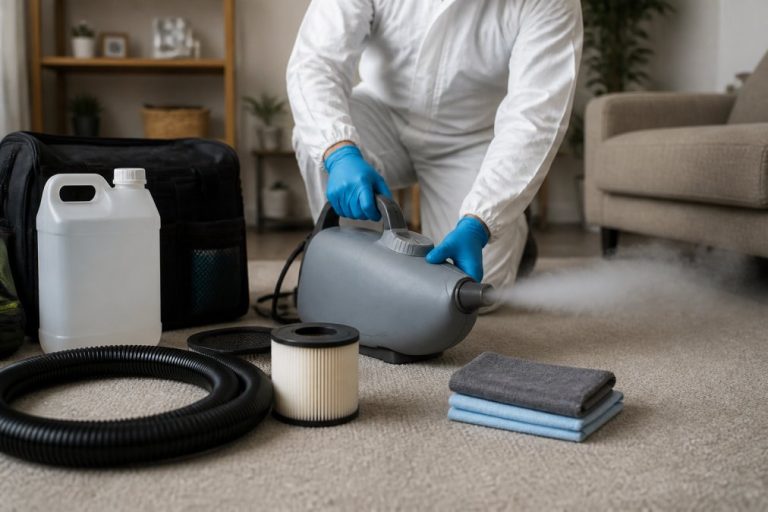
Smoke odour persists long after visible soot is removed. The smell comes from volatile organic compounds (VOCs) embedded in walls, insulation, and soft furnishings. Professional deodorization uses thermal fogging to disperse neutralising agents throughout the property, ozone treatment to oxidise odour-causing molecules, and activated charcoal to absorb residual odours.
Air quality testing follows deodorization. Technicians measure VOC levels and other contaminants to confirm the air is safe for occupancy.
Soot and Smoke Damage: What Professionals Remove
Soot and smoke damage extends far beyond visible black residue. The damage is chemical, structural, and health-related.
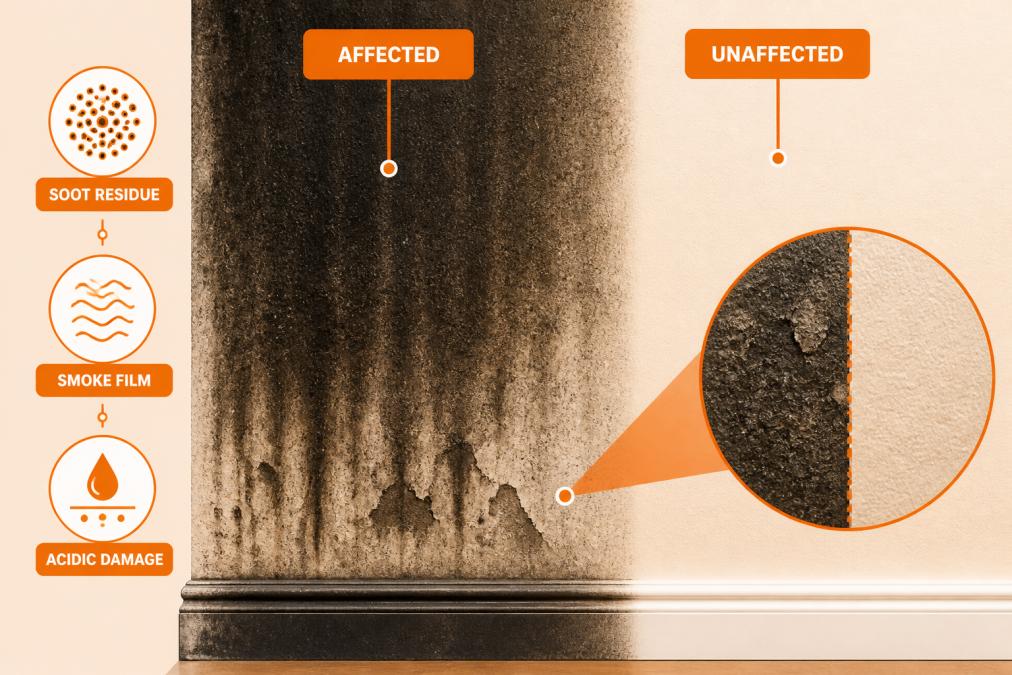
Acidic soot residue corrodes paint, varnish, metal fixtures, and glass. Left untreated for weeks or months, the corrosion deepens, causing permanent damage. Soot particles are microscopically small and airborne, settling on every surface and infiltrating HVAC systems. They embed in soft furnishings, carpets, and insulation, continuing to release odour and contaminants.
Smoke damage includes chemical residue from burning plastics, fabrics, and treated materials. These chemicals are toxic and persist in the air and on surfaces. VOCs from smoke can cause respiratory irritation, headaches, and long-term health effects if not properly remediated. Professional air quality testing confirms these contaminants are removed to safe levels.
Contents restoration is part of the process. Professional cleaning can restore many items, but severely damaged or contaminated items may need disposal. A qualified restoration team makes these decisions based on the item’s value, extent of damage, and whether restoration is cost-effective.
How to File a Fire Damage Insurance Claim
Your insurance policy covers fire damage, but the claim process requires careful documentation and timely action.
Gather documentation and evidence
Start with your policy documents. Locate your policy number, coverage limits, and deductible. Review what’s covered; standard policies cover the building structure and contents, but coverage varies.
Compile your damage documentation: photographs, videos, and the written inventory you created immediately after the fire. Include receipts for damaged items if available. For high-value items, include proof of ownership and estimated value. Collect receipts for emergency expenses. Most policies cover reasonable emergency costs, but only if you can prove them.
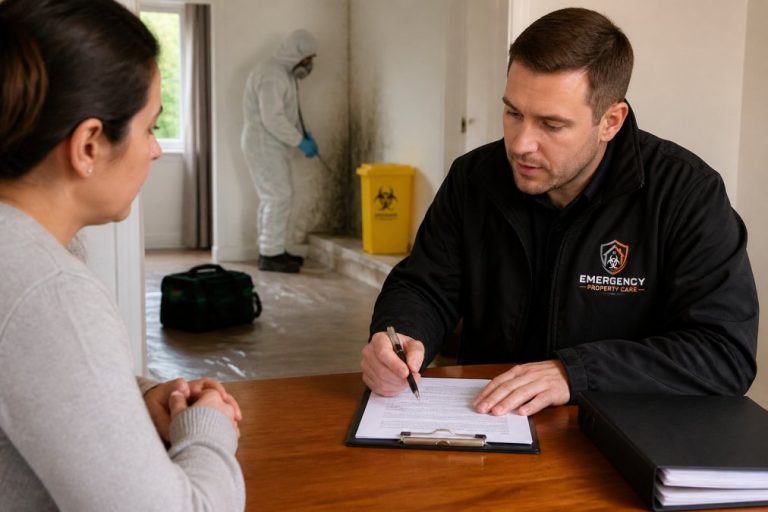
Contact TrustedCare or another professional restoration company for a damage assessment report. This formal report documents the scope of damage and recommended restoration work. Insurance companies rely on these professional assessments to validate claims and approve restoration budgets.
Work with your insurer and loss adjuster
Notify your insurer within the timeframe specified in your policy, typically within 30 days of the incident. Your insurer will assign a loss adjuster to assess the damage formally. Cooperate fully: provide access to the property, share all documentation, and answer questions honestly. If you disagree with the adjuster’s assessment, you can request a second opinion or hire a public adjuster to represent your interests. Once the claim is approved, your insurer will authorise restoration work. Ensure your restoration company is fully insured.
Health and Safety Hazards After Fire Damage
Fire damage creates multiple health and safety hazards that persist after the flames are extinguished.
Toxic contaminants are released when materials burn. Plastics, treated fabrics, insulation, and chemicals release volatile organic compounds (VOCs) and other toxic gases. Inhaling these compounds causes respiratory irritation, headaches, dizziness, and long-term health effects with prolonged exposure.
Structural damage compromises safety. Weakened walls, damaged roofing, and compromised flooring create fall and collapse risks. Electrical systems damaged by fire or water pose electrocution hazards. Gas lines damaged by heat or impact create explosion and carbon monoxide risks.
Mould growth follows water damage if drying is incomplete. Within 24-48 hours of moisture exposure, mould begins colonising wet materials. Mould releases spores and mycotoxins that trigger allergic reactions, asthma attacks, and respiratory infections. Professional structural drying prevents mould colonisation by ensuring complete moisture removal.
Asbestos and other hazardous materials may be disturbed by fire damage. Older buildings often contain asbestos in insulation, floor tiles, and roofing materials. Fire damage can release asbestos fibres into the air. Professional restoration teams identify and safely remove hazardous materials according to regulations.
Soot and ash particles are inhalation hazards. Fine particulate matter from burned materials penetrates deep into the lungs. Professional air filtration and cleanup remove these particles before reoccupancy.
DIY vs Professional Fire Damage Cleanup: When to Call Experts
DIY cleanup works for minor smoke odour or light soot in a single room after a small fire contained quickly. This requires proper respiratory protection, eye protection, and gloves.
Professional cleanup is necessary when structural damage is visible, water damage is extensive, the fire affected a large area, hazardous materials are involved, health hazards are present, or insurance is involved. Most insurers require work to be performed by insured professionals to validate claims.
Professional restoration companies like TrustedCare handle the entire process: assessment, water extraction, structural drying, soot removal, deodorization, air quality testing, and documentation for insurance. They work 24/7 to mobilise quickly, preventing secondary damage and accelerating recovery.
The cost difference between professional and DIY is usually smaller than it appears. DIY attempts often cause additional damage, require professional correction, and delay full recovery. Professional work is completed correctly the first time, supported by warranties and insurance backing.
Fire damage creates immediate danger and long-term hazards that demand rapid, expert response. The first hours after a fire determine whether secondary damage compounds the initial loss. Professional restoration specialists understand the chemistry of soot and smoke, the mechanics of structural drying, and the health risks of contamination.
When fire strikes, contact TrustedCare immediately. Our 24/7 emergency response team arrives rapidly to assess damage, secure your property, and begin the restoration process. We handle structural drying, soot removal, deodorization, and air quality restoration using specialist equipment and proven protocols. We work directly with your insurer and loss adjuster, manage all documentation, and provide the professional support you need during a stressful time. Get Help Now, call our emergency line or visit our website to request immediate assistance.
Frequently Asked Questions
What is the first step in fire damage cleanup?
Safety is paramount: evacuate immediately and call emergency services. Once the fire is extinguished and the property is declared safe by firefighters, contact a professional fire damage cleanup service. Do not attempt cleanup yourself, soot contains toxic contaminants and acidic residue that require specialist removal. Professionals will secure the property, assess structural integrity, and begin water extraction and dehumidification to prevent secondary damage and mould growth.
How long does the emergency fire restoration process take?
Response time varies by damage severity and property size. Professional teams typically arrive within 60 minutes to two hours for emergency call-outs. Initial assessment, water extraction, and dehumidification may take 48-72 hours. Full soot removal, deodorization, and restoration can extend 2-4 weeks depending on structural damage and contents restoration needs. Your restoration specialists will provide a timeline after the rapid assessment.
Can I clean fire damage myself or do I need professionals?
Professional cleanup is strongly recommended. Soot and smoke residue contain volatile organic compounds and acidic residue that are hazardous to health. Improper handling can spread contamination, damage structural materials, and cause long-term air quality issues. Professionals use specialist equipment for blast cleaning, chemical neutralisation, and deodorization that DIY methods cannot achieve. Additionally, insurance claims often require certified professionals to document and manage the restoration process properly.
Does home insurance cover urgent fire damage cleanup?
Most home insurance policies cover fire damage and associated cleanup costs, including soot removal, water damage from extinguishing efforts, and professional restoration services. However, coverage varies by policy and insurer. Contact your insurance provider immediately after the fire. Many professional restoration companies work directly with insurers and loss adjusters, handling documentation and billing on your behalf, which simplifies the claims process during a stressful time.
TrustedCare Copyright 2026

TrustedCare Editorial Team publishes UK guidance on specialist cleaning and biohazard remediation, including after-death cleaning, flood restoration and contamination control. Content is written for homeowners, landlords and housing providers seeking clear, practical information.