Professional Trauma Scene Cleanup Services: A Complete Guide
Table of Contents
- What Professional Trauma Scene Cleanup Involves
- Health and Safety Regulations for Biohazard Waste Disposal
- Understanding the Cost of Trauma Scene Cleaning Services
- Trauma Scene Cleanup and Insurance Claims
- Professional Certification and Training Standards
- Why Discretion and Rapid Response Matter
- How to Choose a Qualified Trauma Scene Cleanup Provider
- Conclusion
Last Updated: August 17, 2026
What Professional Trauma Scene Cleanup Involves
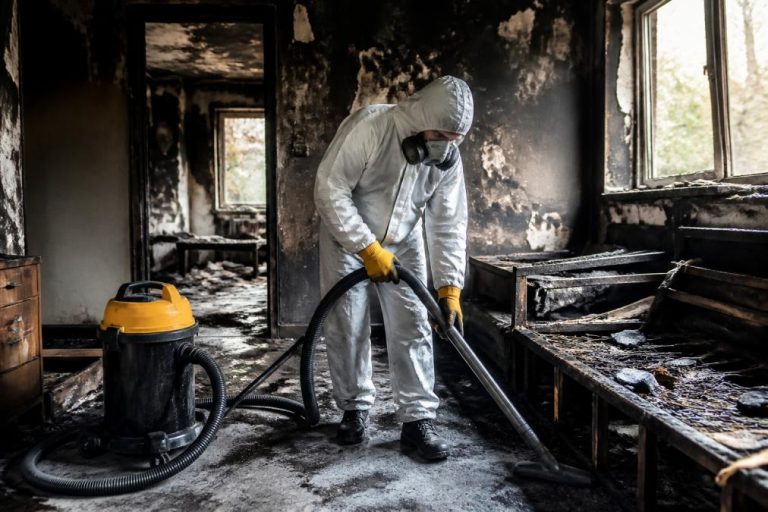
Professional trauma scene cleanup removes biohazardous materials, bodily fluids, and pathogens from properties following traumatic incidents. This specialised service requires trained technicians, medical-grade equipment, and strict adherence to health and safety regulations. At TrustedCare, we understand that trauma scene cleanup demands both technical expertise and genuine compassion.
The scope includes decontamination of affected surfaces, safe disposal of hazardous waste, odour neutralisation, and restoration to habitable condition. Services cover death, accidents, crime scenes, sewage backups, and other biohazard incidents. The work is physically and emotionally demanding, requiring specialists rather than standard cleaning contractors. In cases involving death, After Death Cleaning services address the specific decontamination and restoration needs that arise in these sensitive circumstances.
The decontamination process
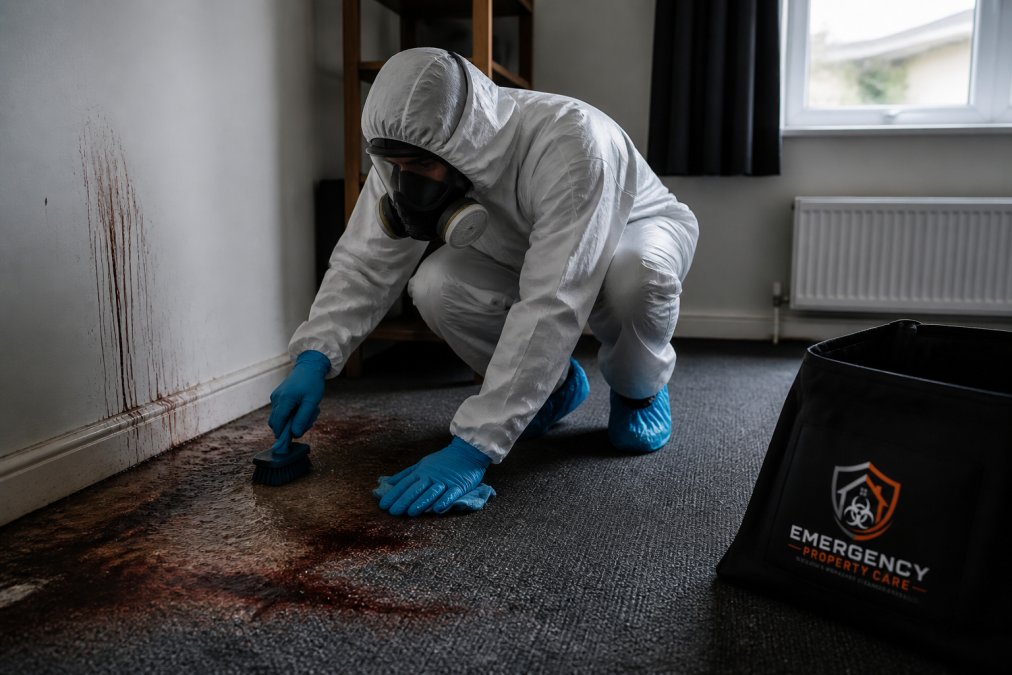
Technicians begin with a thorough site assessment to identify contaminated areas and determine the extent of pathogen removal required. They then apply hospital-grade disinfectants to all affected surfaces, eliminating bloodborne pathogens including HIV, Hepatitis A, B, and C, and other infectious agents. Deep cleaning removes both visible contamination and microscopic biological material.
Odour neutralisation is critical. Decomposition and biohazard incidents leave chemical odours embedded in materials. Professional services use enzymatic treatments and industrial-grade deodorisers to eliminate odours at their source.
Personal protective equipment and safety protocols
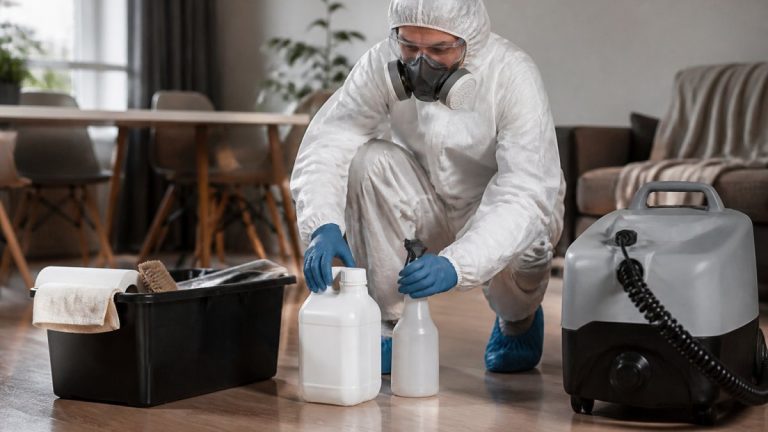
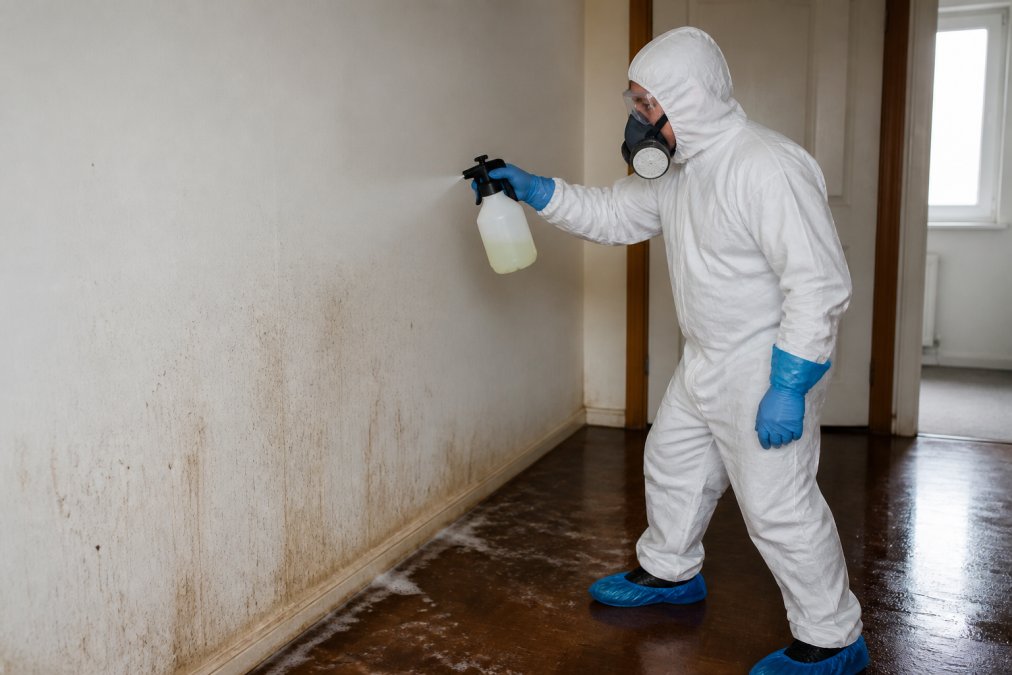
Technicians wear comprehensive PPE throughout cleanup, typically including double gloves, respirators or face masks rated for biological hazards, protective suits, and boot covers. The specific PPE varies based on biohazard type and contamination level.
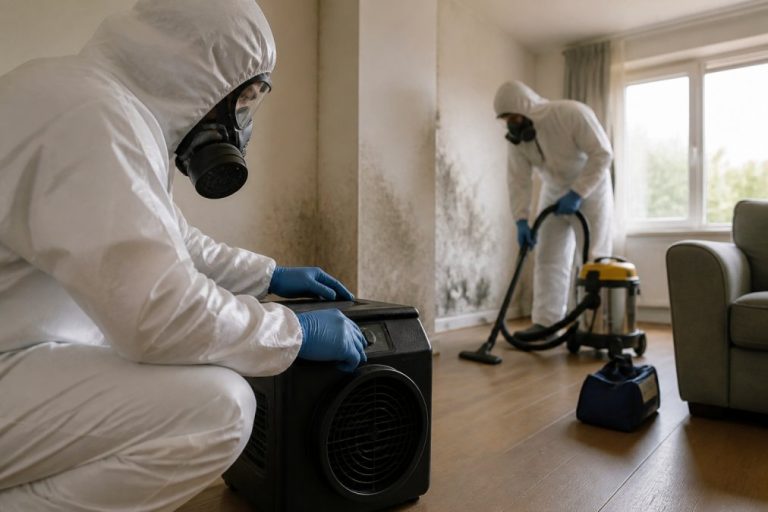
Safety protocols follow COSHH (Control of Substances Hazardous to Health) regulations and other statutory standards. Professional teams maintain detailed documentation of all work performed, essential for insurance claims and regulatory compliance. Technicians use containment strategies including sealing doorways and negative air pressure systems to prevent biohazard spread to unaffected areas.
Health and Safety Regulations for Biohazard Waste Disposal
Biohazard waste disposal is heavily regulated in the UK. Professional trauma scene cleanup services must operate within strict legal frameworks to protect workers and the public.
COSHH and Control of Substances Hazardous to Health
COSHH Regulations 2002 establish the legal framework for managing hazardous substances in the workplace, including biohazards. Service providers must assess risks, implement control measures, and ensure workers receive appropriate training. For trauma scene cleanup, technicians must be trained in identifying bloodborne pathogens, understanding transmission routes, and implementing containment measures.
COSHH compliance requires detailed risk assessments for every cleanup scenario, documented and regularly renewed training, appropriate fitted PPE, and strict waste disposal protocols. The Health and Safety at Work etc. Act 1974 provides the overarching framework, requiring service providers to ensure employee health and safety and avoid exposing the public to biological hazards.
Environmental Agency licensing and waste carrier requirements
All biohazard waste must be disposed of through licensed waste carriers. The Environment Agency regulates waste disposal and requires organisations handling hazardous waste to hold appropriate licences. A waste carrier licence demonstrates that an organisation has been assessed for safe and responsible hazardous material handling.
Environmental safety standards require biohazard waste to be segregated from general waste, contained in appropriate containers, and transported using approved vehicles. Incineration at approved facilities is the standard disposal method, ensuring complete pathogen destruction. Professional trauma scene cleanup services like TrustedCare operate under full compliance with these regulations, protecting property owners from legal liability.
Understanding the Cost of Trauma Scene Cleaning Services
Cost varies significantly based on multiple factors. Understanding what influences pricing helps you anticipate expenses and evaluate quotes fairly.
Factors affecting pricing
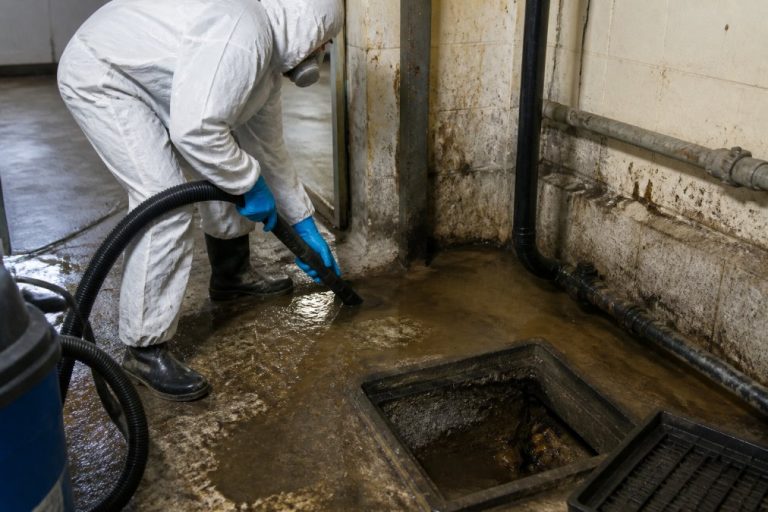
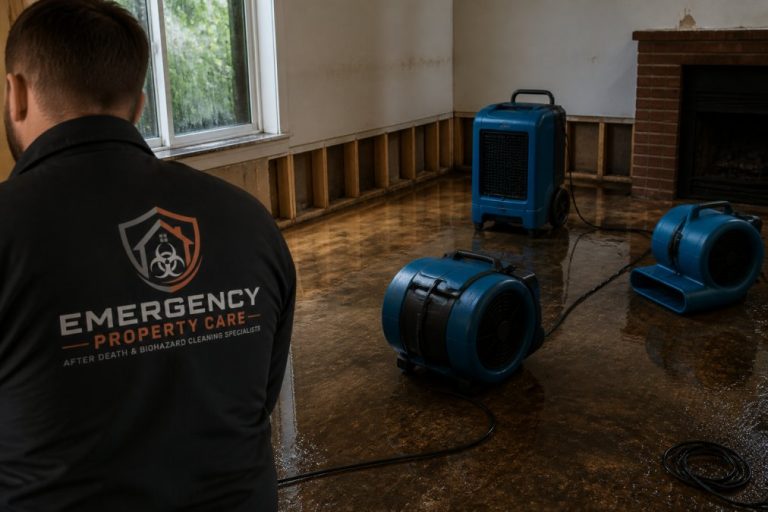
The size of the affected area is primary; cleaning a single room costs substantially less than decontaminating an entire property. The type and extent of contamination matters significantly; biohazard incidents involving bodily fluids require more intensive decontamination than sewage backups. Flood Damage Cleaning and Drying services, for example, address the particular challenges of water-related contamination and moisture restoration.
Porous materials like carpets and upholstered furniture often cannot be fully decontaminated and may require removal, increasing expense. Hard surfaces like tile and laminate are easier to decontaminate and may be salvageable. Emergency calls requiring immediate dispatch, particularly outside business hours, command higher fees. Geographic location, local accessibility, and disposal costs also influence pricing.
Getting an accurate quote
Request a detailed quote from a professional service provider. Most reputable companies offer free consultations and quotes. A transparent quote should itemise services separately: initial assessment, decontamination, waste disposal, odour neutralisation, and additional restoration work.
Provide as much detail as possible about the incident and affected areas. Photographs can help providers give accurate estimates. Avoid choosing based solely on price; the cheapest option may cut corners on safety, compliance, or thoroughness. Professional trauma scene cleanup services must invest in proper training, equipment, and waste disposal to meet legal requirements.
Trauma Scene Cleanup and Insurance Claims
Many property owners are surprised to learn that insurance may cover trauma scene cleanup costs. Understanding your coverage and working with insurers can significantly reduce out-of-pocket expenses.
What insurance typically covers
Contents and home insurance policies often include coverage for professional cleaning following traumatic incidents. Some policies specifically include “biohazard remediation” or “trauma cleaning” as named coverage; others cover it under general property damage or emergency services provisions. Review your specific policy documents or contact your insurer directly to confirm coverage.
Commercial properties often have more comprehensive coverage, particularly if the incident affects workplace safety or creates liability exposure. Business interruption coverage may also apply if cleanup prevents normal operations.
Working with loss adjusters and claims management
When filing a claim, you’ll typically work with a loss adjuster appointed by your insurance company. Professional trauma scene cleanup providers understand the claims process and can work directly with loss adjusters, liaising with the insurer and ensuring work meets specific requirements.
Documentation is critical for insurance claims. Professional cleanup services provide detailed reports documenting all work performed, materials used, and waste disposal. Photographs before, during, and after cleanup provide visual evidence supporting the claim. TrustedCare has extensive experience supporting insurance claims and can facilitate direct communication between your insurer and our technicians.
Professional Certification and Training Standards
Professional certification requires formal training in biohazard decontamination, bloodborne pathogen transmission, and regulatory compliance. Certified technicians have completed accredited courses covering COSHH requirements, PPE protocols, waste disposal procedures, and infection control. Many hold certifications through organisations like the British Damage Management Association (BDMA), which sets industry standards.
Training covers both technical decontamination aspects and the compassionate approach necessary when working with families in crisis. Insurance and liability coverage is another marker of professional credibility; legitimate services carry comprehensive public liability and employers’ liability insurance. Membership in professional bodies like the BDMA indicates commitment to industry standards and ongoing professional development.
Why Discretion and Rapid Response Matter
Trauma scene cleanup situations are inherently sensitive. Property owners are often dealing with grief, shock, or distress alongside practical property damage. Discretion means respecting privacy and handling the situation with appropriate sensitivity, working quietly and respectfully while maintaining confidentiality.
Rapid response is equally important. Delays allow contamination to spread, odours to intensify, and property damage to worsen. Quick professional response prevents secondary damage and reduces health risks. Services offering 24/7 availability provide genuine emergency support when incidents occur outside standard business hours.
How to Choose a Qualified Trauma Scene Cleanup Provider
Selecting a trauma scene cleanup provider affects both decontamination quality and your experience during a difficult time.
Key credentials to verify
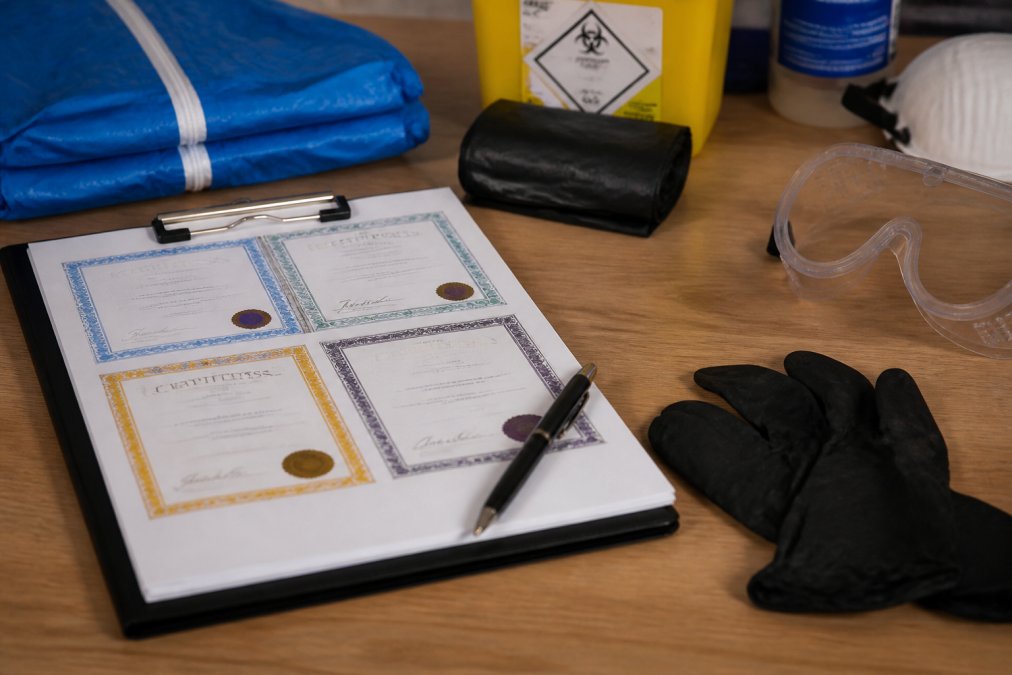
Confirm professional credentials by asking whether technicians hold certifications in biohazard decontamination and bloodborne pathogen training. Verify membership in professional organisations like the British Damage Management Association and request proof of current public liability and employers’ liability insurance.
Confirm the provider holds a waste carrier licence or contracts exclusively with licensed waste carriers. Ask how they handle hazardous waste; legitimate providers use approved incineration facilities. Ask about COSHH compliance and health and safety protocols. Professional providers should describe their risk assessment procedures, PPE requirements, and decontamination protocols, maintaining detailed documentation of all work.
Questions to ask before hiring
Ask about response time for emergency calls and whether they genuinely operate 24/7 including weekends and bank holidays. Request references from previous clients or confirmation of work with local authorities or loss adjusters.
Ask about experience with your specific situation type. Discuss their approach to working with insurance companies and loss adjusters. Can they provide required documentation and communicate directly with your loss adjuster? Ask about their decontamination approach, disinfectants used, odour neutralisation process, and whether materials can be salvaged. Finally, assess their communication and sensitivity; do they explain their process clearly and treat the situation with appropriate respect?
TrustedCare operates 24/7 across England, Scotland, and Wales, offering rapid response to emergency cleaning situations. Our fully insured technicians hold appropriate certifications and maintain full compliance with health and safety regulations. We work directly with insurance companies and loss adjusters, managing documentation and claims coordination on your behalf.
When a trauma scene cleanup situation arises, the speed and professionalism of your response directly affects both property restoration and your ability to move forward. Professional trauma scene cleanup services provide the expertise, equipment, and compassionate approach necessary to handle these difficult situations safely and completely. Contact TrustedCare for immediate assistance; our team is available 24/7 to provide rapid response, full regulatory compliance, and professional support throughout the entire cleanup and claims process.
Frequently Asked Questions
What does professional trauma scene cleanup actually involve?
Professional trauma scene cleanup removes biohazards, including blood, bodily fluids, and pathogenic contamination, from affected areas. Technicians use specialist decontamination equipment, disinfectants, and safe disposal methods to restore properties to a habitable condition. The process includes site assessment, containment, pathogen removal, odour neutralisation, and disposal of hazardous waste through licensed carriers. Technicians follow strict infection control protocols and COSHH regulations throughout.
How quickly can professional trauma scene cleanup services respond?
Most professional providers operate 24/7 emergency response services, dispatching teams within 60 minutes of contact. Availability covers weekends and bank holidays. Response times depend on your location and current demand, but rapid deployment is a core feature of reputable services. Contact your chosen provider directly to confirm their specific response commitments for your area.
Is trauma scene cleanup covered by home insurance?
Coverage varies by policy and insurer. Some home insurance policies include biohazard cleanup under accidental damage or emergency restoration sections, while others do not. Public liability or employer’s liability insurance may cover commercial situations. Always contact your insurer immediately after an incident to clarify what’s covered. Professional trauma cleanup providers can work directly with your insurance company and loss adjusters to streamline claims management.
What qualifications should a trauma scene cleanup provider have?
Look for providers with formal training in biohazard decontamination, infection control certification, and full public liability insurance. They should hold an Environment Agency waste carrier license, comply with COSHH regulations, and demonstrate knowledge of bloodborne pathogen protocols. Membership in professional bodies such as the British Damage Management Association (BDMA) is a positive indicator. Always request proof of insurance and certifications before hiring.

TrustedCare Editorial Team publishes UK guidance on specialist cleaning and biohazard remediation, including after-death cleaning, flood restoration and contamination control. Content is written for homeowners, landlords and housing providers seeking clear, practical information.