7 Signs of Sewage Contamination You Should Never Ignore (and What to Do Next)
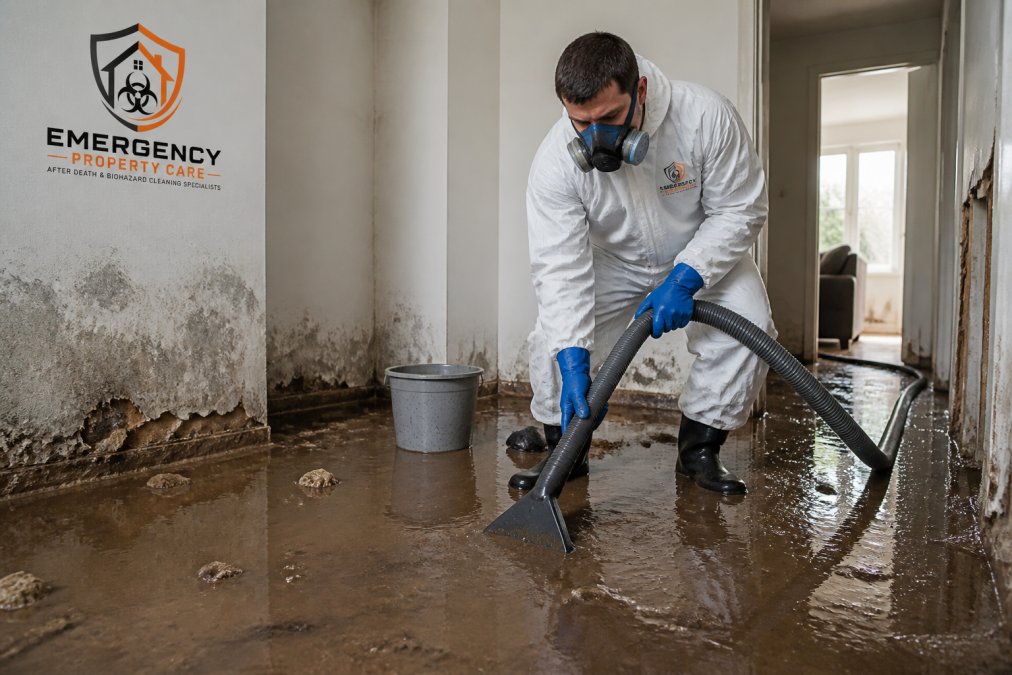
A sewage backup or blackwater ingress can affect more than the area where water first appeared. Contamination may spread beneath flooring, into walls or through drainage systems. Even after visible water has gone, affected materials may still need specialist assessment.
If you manage a rental property, housing scheme or your own home, these seven signs can help you decide what to do next. One sign alone may not confirm sewage contamination, but if you suspect wastewater has entered the property, keep people away from the affected area and arrange appropriate advice.
1. Foul odours that do not clear
A persistent sewage, faecal or stagnant-drain smell can indicate wastewater in a room, floor void or other concealed area. The smell may remain after visible water has been removed, particularly if porous materials have been affected.
Do not rely on air fresheners or surface cleaning to resolve the source. If the odour continues, note where it is strongest and whether it changes when drains or plumbing are used.
2. Discoloured stains or residue on floors and walls
Brown, grey or black marks, sticky residue, sludge or debris around skirting boards, floor drains and lower walls may indicate contaminated water. Staining can also appear where wastewater has travelled beneath a floor covering or behind a wall.
Avoid touching or scrubbing residue. It may contain contaminants, and cleaning it without the right controls can spread material to other surfaces.
3. Slow-draining or gurgling fixtures
A toilet, sink, bath or shower that drains slowly or makes gurgling sounds may point to a blockage or a problem in the waste pipe. This does not prove that sewage has entered the property, but it can be a warning, especially if several fixtures are affected or the noises occur alongside odours.
If you suspect a drainage issue, avoid using affected fixtures until the source has been checked. Further water use may worsen a backup.
4. Recurring backups
Wastewater that repeatedly rises through toilets, floor drains, showers or sinks needs prompt attention. A backup may be caused by a blocked drain, damaged pipe or a problem in the wider sewer system.
Keep people away from any overflow and do not try to clear the contamination yourself. If it is safe to do so, make a note of when backups happen and which fixtures are involved. Contact the relevant water company or drainage provider about the source, as well as arranging property assessment.
5. Damp patches or warped flooring near waste pipes
Dampness, lifted flooring, swollen skirting or soft patches near a toilet, soil pipe or drain may indicate a leak or wastewater seepage. Water can travel under floor coverings and into concealed spaces, so the visible damp patch may not show the full area affected.
Do not lift flooring or open walls to investigate if you suspect sewage contamination. A specialist can assess the affected materials and advise what may need cleaning, removal or drying.
6. Unexplained illness or allergy-type symptoms
Some people may develop stomach upset, skin or eye irritation, or respiratory symptoms after exposure to contaminated water or damp conditions. These symptoms have many possible causes, so they cannot confirm sewage contamination on their own.
If someone becomes unwell, move them away from the affected area and seek medical advice. Tell the healthcare professional about the possible exposure. For general guidance on health risks and recovery after flooding, see GOV.UK’s public advice on flooding and health.
7. Visible wastewater in toilets, showers or outside drains
Visible waste water, sewage debris or an overflow from an outside drain, gully or manhole is a clear reason to keep away and seek help. Do not assume water is safe because it looks relatively clear. If it may have mixed with sewage, treat it as contaminated.
If wastewater is entering the property, keep children and pets away and do not walk through it. Be alert to electrical hazards too. Do not touch wet electrical equipment or enter an area where power may be affected.

What to do next
Take these steps while you arrange an assessment:
- Keep people out of affected areas. Close the room if possible. Keep children, pets and anyone who may be more vulnerable to infection away.
- Do not attempt DIY cleaning of blackwater. Sewage can contaminate surfaces and porous materials, and an unsuitable cleanup can spread it. Avoid touching waste, scrubbing residue or using equipment that could spread droplets.
- Reduce further exposure. If the source is still active, stop using affected plumbing where practical. Report suspected drain or sewer problems to the appropriate water or drainage provider. Do not enter water where there may be an electrical or structural hazard.
- Record what you can safely observe. Note the suspected source, when the incident happened, which rooms and materials appear affected, and whether water is still coming in. Take photographs from a safe distance if useful. Do not enter an unsafe area to gather evidence.
- Contact your insurer and arrange specialist decontamination. Tell your insurer what has happened and ask about any requirements before work begins. The appropriate cleaning and waste-removal plan depends on the source, spread and materials affected.
For practical advice on professional response, read our guide to professional sewage cleanup and our article on what to do after a sewage backup.
Why specialist sewage cleaning may be needed
Sewage cleaning is different from ordinary household cleaning. A specialist assessment can consider where wastewater travelled, which materials can be treated, and what may need to be removed and disposed of. The method depends on the contamination and property; visible surface cleaning alone may not address material beneath floors or behind walls.
TrustedCare provides specialist decontamination, sanitisation and waste removal for properties affected by sewage backups and blackwater ingress. We support homeowners, landlords, housing providers and commercial property managers across England, Scotland and Wales. Our response line is available 24/7; attendance depends on your location and the work required.
For details about the service, visit TrustedCare’s sewage contamination cleaning page. It explains the cleaning, sanitisation and waste-removal support available for affected properties.

What information to share when you get in touch
You do not need to investigate the contamination yourself. To help us discuss the next steps, share:
- The property postcode and whether it is residential or commercial.
- What you believe caused the incident, if known.
- Which rooms or areas are affected, and whether the water is still entering.
- Any visible damage to flooring, walls or contents.
- Whether an insurer, landlord or property manager is coordinating the response.
You can contact TrustedCare to discuss the situation. If you manage a property, you can share the basic details with the person responsible for arranging access and insurer communication.

A persistent sewage odour, repeat backup, visible wastewater or unexplained damp near waste lines should not be ignored. Keep people away, avoid DIY blackwater cleanup, record what you can safely observe and arrange a specialist assessment.

TrustedCare Editorial Team publishes UK guidance on specialist cleaning and biohazard remediation, including after-death cleaning, flood restoration and contamination control. Content is written for homeowners, landlords and housing providers seeking clear, practical information.