Professional Sewage Cleanup: Is It Necessary?
Is Professional Sewage Cleanup Necessary?
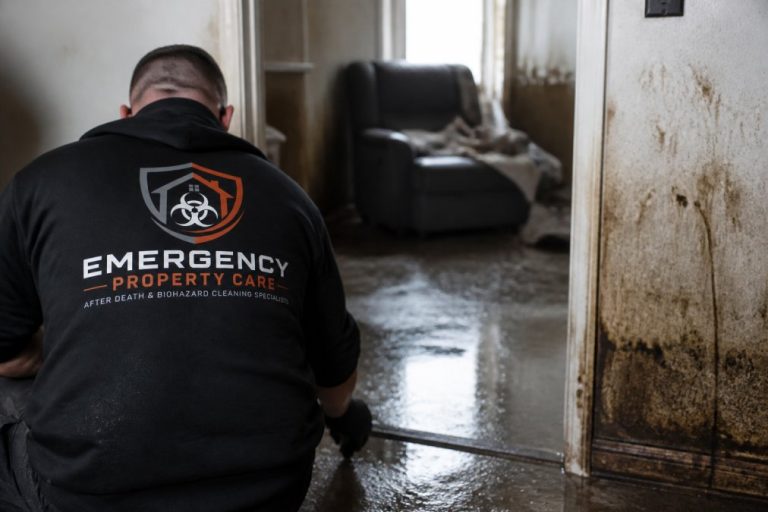
Sewage entering a property can contaminate floors, furnishings, walls and
other materials. Significant contamination should be treated differently
from an ordinary water leak because cleaning may involve biological hazards,
contaminated materials and structural drying.
TrustedCare provides specialist sewage cleaning and contaminated-water
support across England, Scotland and Wales.
✓ England, Scotland & Wales
✓ Domestic & commercial properties
✓ Sewage cleaning & structural drying
When Is Professional Sewage Cleanup Necessary?
A very small and contained wastewater spill on a non-porous surface can be
different from a sewage backup that has spread across flooring, entered
carpet or underlay, or affected walls, furniture and other absorbent materials.
Where significant sewage contamination is present, specialist assessment is
usually sensible. The work may involve more than removing visible water.
Contaminated materials may need to be identified and removed, remaining
surfaces cleaned and disinfected, and the structure dried properly.
The longer contaminated water remains within a property, the greater the
opportunity for it to spread into porous and concealed materials.
Quick Answer: When Should You Call a Specialist?
Sewage Has Spread
Contaminated water has travelled beyond a small, easily controlled area.
Porous Materials Are Affected
Carpet, underlay, plasterboard, insulation, timber or upholstered items have been contaminated.
Contamination Is Extensive
Several rooms, a large floor area or difficult-to-access areas are involved.
Drying Is Required
Moisture has entered floors, walls or other parts of the building that may need controlled drying.
Waste Needs Removing
Contaminated flooring, furnishings or other materials may need controlled handling and disposal.
Unsure What Is Affected?
An assessment can help establish how far contamination and moisture have travelled.
Understanding Sewage Contamination
Sewage can contain microorganisms and other contaminants, which is why
significant sewage ingress should not be treated in the same way as clean
water from a supply pipe.
Risk depends on the source of the water, how widely it has spread, what
materials it has contacted and how long it has remained within the property.
Direct contact with contaminated water should be avoided where possible,
and children, pets and anyone particularly vulnerable should be kept away
from the affected area.
The important distinction is that a room can look cleaner after visible
water has been removed while contamination or moisture remains within
absorbent materials.
What Should You Do After a Sewage Leak?
Your first priority should be limiting exposure rather than immediately
trying to clean the affected area.
1. Keep Clear
Keep people and pets away from contaminated areas where possible.
2. Stop Further Flow
If safe and practical, stop using affected toilets, sinks or appliances until the cause is understood.
3. Consider Electrical Risk
Do not enter standing water where electrical equipment, sockets or wiring may present a hazard.
4. Record the Damage
If it can be done safely, photographs can be useful for property records and discussions with an insurer.
The Professional Sewage Cleanup Process
The exact process depends on the source and extent of the contamination.
A significant sewage incident may involve several stages rather than one
general clean.
Assessment
The affected area, water source, materials and potential spread are considered before work begins.
Control the Area
The working area is managed to reduce unnecessary movement through contaminated sections of the property.
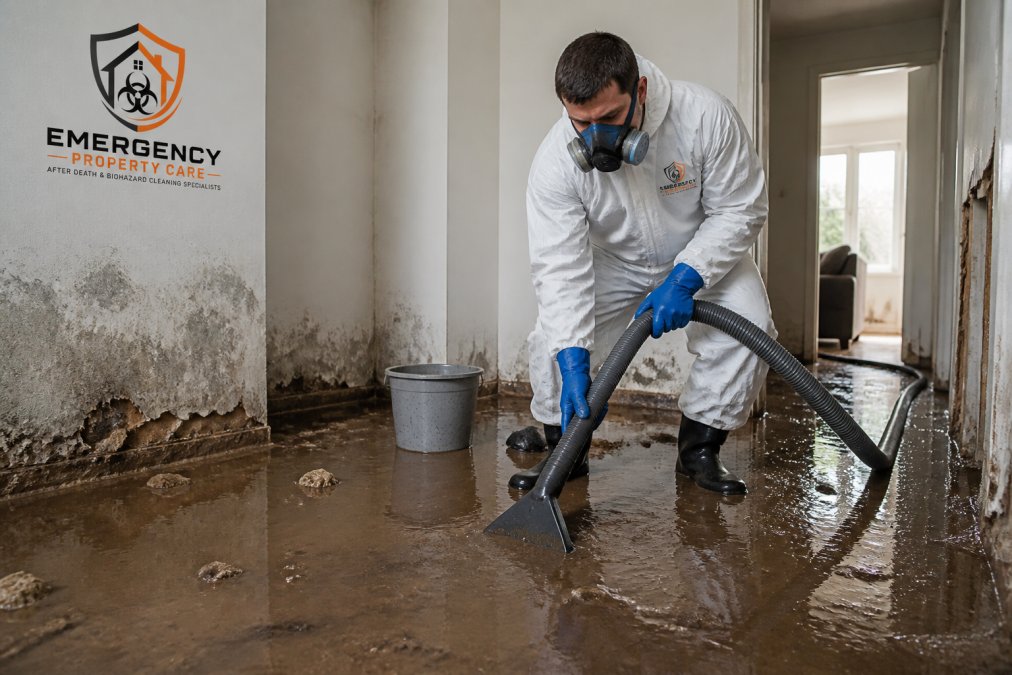
Remove Sewage and Water
Standing contaminated water and associated waste are removed where required.
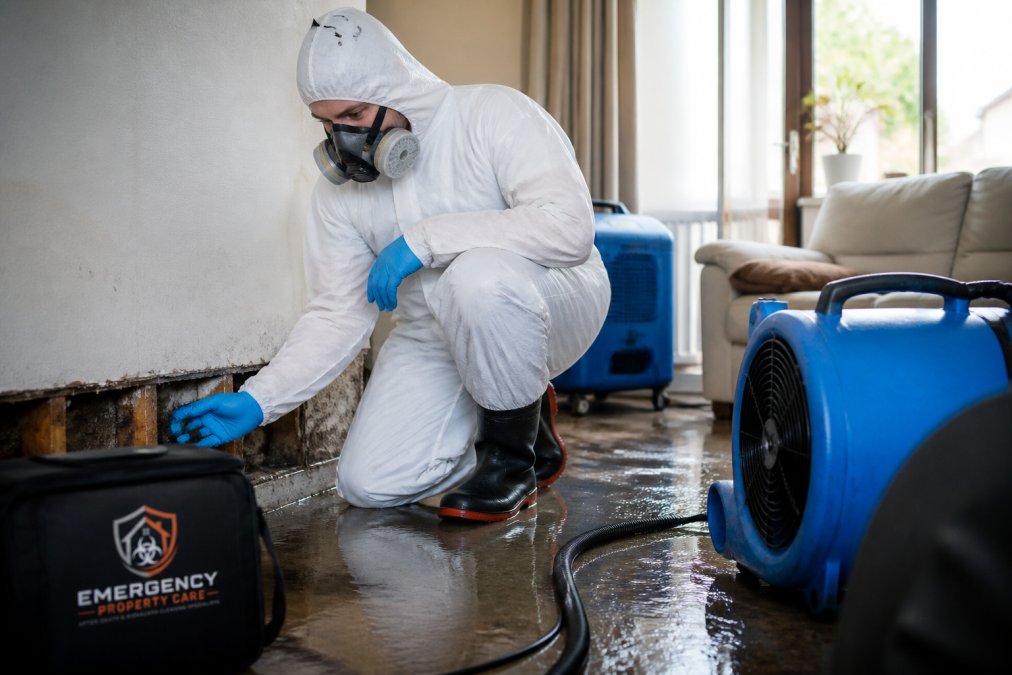
Assess Materials
Contaminated porous materials are assessed to determine what can reasonably be cleaned and what may require removal.
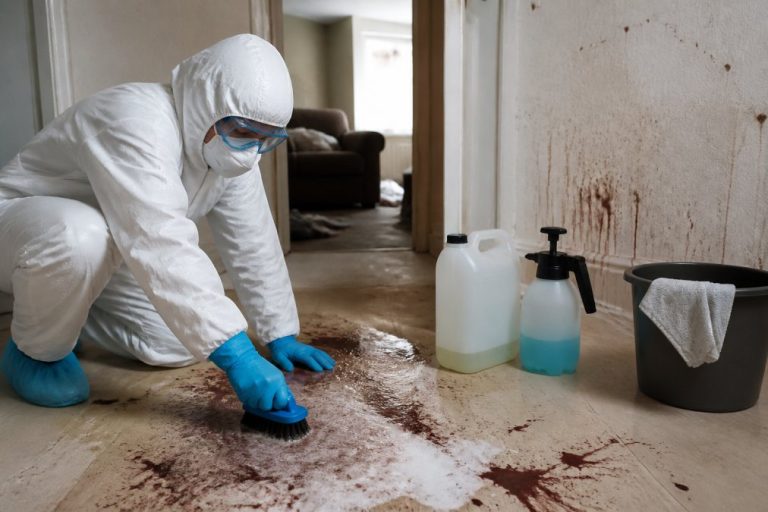
Clean and Disinfect
Remaining appropriate surfaces are cleaned and treated according to the condition of the affected area.
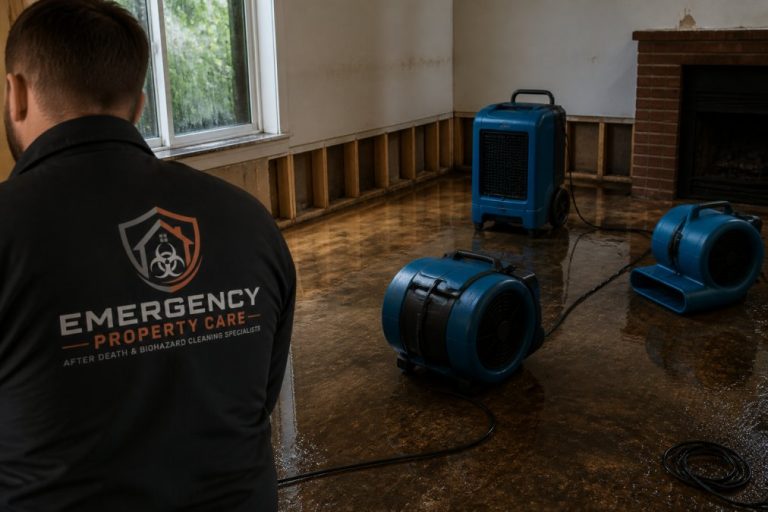
Dry the Structure
Where moisture has entered the building fabric, controlled drying may be required before repairs or reoccupation.
Sewage Cleaning and Structural Drying Are Different Jobs
Removing sewage does not necessarily mean a property is dry.
Contaminated water can penetrate floor construction, timber, walls and
other building materials.
Once contamination has been dealt with appropriately, moisture may still
need to be assessed and controlled drying used where necessary.
This is particularly important following larger sewage escapes, drainage
backups or contaminated flooding where water has remained in the property
for some time.
TrustedCare’s
Flood Damage Cleaning and Drying service
covers the wider cleaning and drying process where both are required.
Can You Clean Up Sewage Yourself?
There is an important difference between a very small contained incident
on a non-porous surface and significant sewage contamination across a room
or property.
DIY cleaning becomes much more problematic once contaminated water has
entered absorbent materials or concealed spaces. Surface cleaning cannot
necessarily address contamination beneath carpet, inside underlay or within
other porous materials.
A useful rule of thumb
If sewage has spread significantly, affected porous materials, entered
flooring or walls, or you cannot establish how far the contamination has
travelled, consider specialist assessment rather than relying only on
surface cleaning.
Why Inadequate Sewage Cleanup Can Become Expensive
The cheapest initial approach is not necessarily the least expensive once
the whole property is considered.
If contaminated or wet materials are missed, further work may later be
needed to deal with persistent odours, damaged finishes, moisture or
materials that cannot be retained.
The objective should therefore be to identify the actual extent of the
problem early and avoid carrying out unnecessary work while also avoiding
leaving affected areas untreated.
Does Insurance Cover Sewage Cleanup?
It can, but there is no universal answer. Cover depends on the policy,
the cause of the sewage escape and the circumstances surrounding the damage.
If you intend to make an insurance claim, contact your insurer as early as
practical and ask what evidence they require before substantial removal or
repair work takes place.
Where safe, photographs of the affected areas can help create a record of
the condition before cleaning begins.
Need Help After a Sewage Leak?
Tell us the property postcode, what has happened and which areas have been
affected. We can discuss the situation and the likely next steps.
Your Next Steps After Sewage Damage
First, keep people and pets away from the contaminated area and avoid
unnecessary contact with the water or affected materials.
If the incident may be insured, contact the insurer and establish what
information they require. Where it is safe to do so, record the affected
areas with photographs.
For significant contamination, the next stage is establishing what has
actually been affected. This may include the visible floor surface,
underlay, adjoining rooms, wall finishes or parts of the building that
remain wet after the sewage itself has been removed.
Early assessment can make it easier to determine what can be cleaned,
what may need removing and whether structural drying is required.
Related Cleaning and Drying Support
Sewage contamination can involve both specialist cleaning and moisture
within the building structure. These are the most relevant next steps.
Frequently Asked Questions
Is professional sewage cleanup necessary?
For significant sewage contamination, particularly where contaminated
water has affected porous materials or spread beyond a small contained
area, specialist assessment is usually advisable.
Is it safe to clean sewage yourself?
A very small contained incident on a non-porous surface is different from
a sewage backup affecting flooring, furnishings or several areas. Where
contamination is significant or its extent is uncertain, specialist help
should be considered.
What should I do immediately after a sewage leak?
Keep people and pets away from the affected area, avoid unnecessary contact,
stop further use of affected drainage where practical and consider any
electrical hazards. Contact your insurer where appropriate and seek
specialist advice for significant contamination.
Do carpets have to be removed after sewage contamination?
It depends on the extent and nature of the contamination. Carpet and
underlay are porous and can absorb contaminated water, so affected
materials need to be assessed rather than judged only by surface appearance.
Does a property need drying after sewage cleanup?
It may. Removing sewage and cleaning surfaces does not automatically remove
moisture from floors, walls and other building materials. Structural drying
may be required where moisture remains.
Does home insurance cover sewage cleanup?
Some policies may cover sewage-related damage, but this depends on the
policy wording and cause of the incident. Contact the insurer to confirm
the cover that applies to the individual claim.
How long does sewage contamination last?
There is no single timeframe. It depends on the materials affected, the
extent of contamination and whether contaminated materials and residual
moisture have been properly addressed.
Professional Sewage Cleanup Across the UK
TrustedCare provides sewage contamination cleaning and associated
cleaning and drying support across England, Scotland and Wales.
Contact us with the property postcode and a brief description of the
incident so we can discuss current availability and the likely next steps.
24-hour emergency enquiries.

TrustedCare Editorial Team publishes UK guidance on specialist cleaning and biohazard remediation, including after-death cleaning, flood restoration and contamination control. Content is written for homeowners, landlords and housing providers seeking clear, practical information.