How to Prepare a Property for Flood Restoration UK
Safety comes first: do not enter a flooded property until it has been declared safe. Never touch electrical equipment or the consumer unit while standing in water.
Knowing how to prepare a property for flood restoration can protect the people involved, preserve important insurance evidence and help the cleaning and drying process begin without unnecessary delay.
Preparation does not mean immediately removing carpets, lifting floors or installing drying equipment. Before restoration starts, the property must be safe to enter, the water source should be identified where possible and the insurer may need to approve parts of the work.
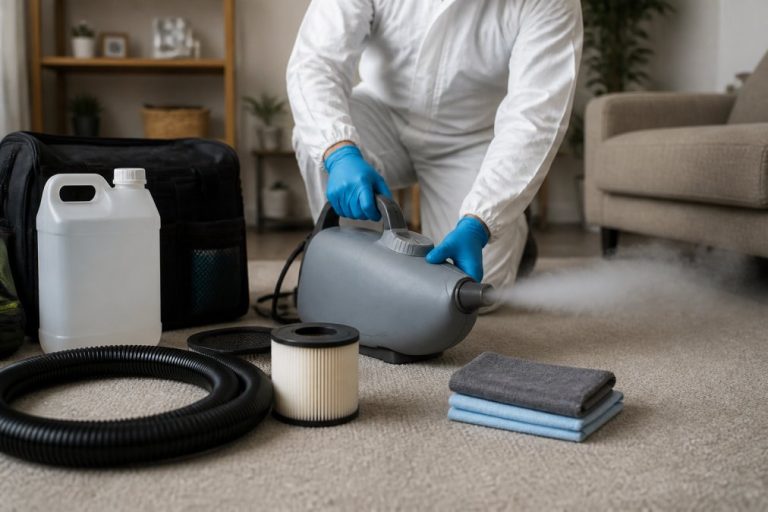
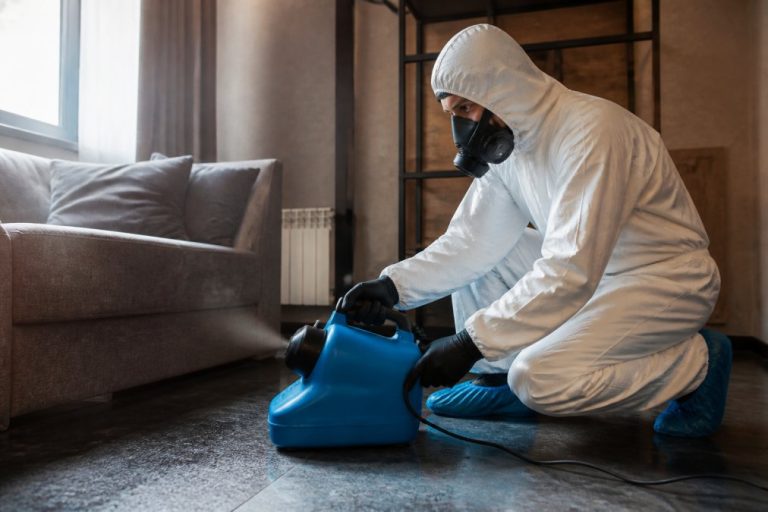
Flood restoration can include water extraction, removal of silt and contamination, specialist cleaning, controlled removal of materials that cannot be restored, structural drying, moisture monitoring and eventual reinstatement.
1. Check That the Property Is Safe to Enter
Personal safety comes before the condition of the building. According to GOV.UK guidance on returning after a flood, you should check with the emergency services that it is safe before going back into the property.
Do not enter if there is:
- Fast-moving or deep floodwater.
- Suspected structural movement.
- A sagging ceiling.
- Damaged electrical equipment or exposed wiring.
- A smell of gas.
- Another immediate threat to life or safety.
Call 999 if anyone is in immediate danger.
Floodwater may contain sewage, chemicals, oil, sharp objects and material from drains or roads. It can also hide damaged flooring and open manholes. Do not walk or drive through floodwater simply to reach the property.
Electricity, Gas and Water Supplies
If flooding is expected, utilities should only be turned off when it is safe to do so. Never touch an electrical switch, socket, appliance or consumer unit while standing in water.
After flooding, do not turn the electricity, gas or water back on until the relevant utility company or a qualified engineer confirms that it is safe. Electrical hazards and power cuts can be reported by calling 105.
Safety warning: do not operate domestic pumps, heaters, dehumidifiers or other electrical equipment in a flooded property until the electrical installation and equipment supply have been confirmed safe.
Protective Clothing
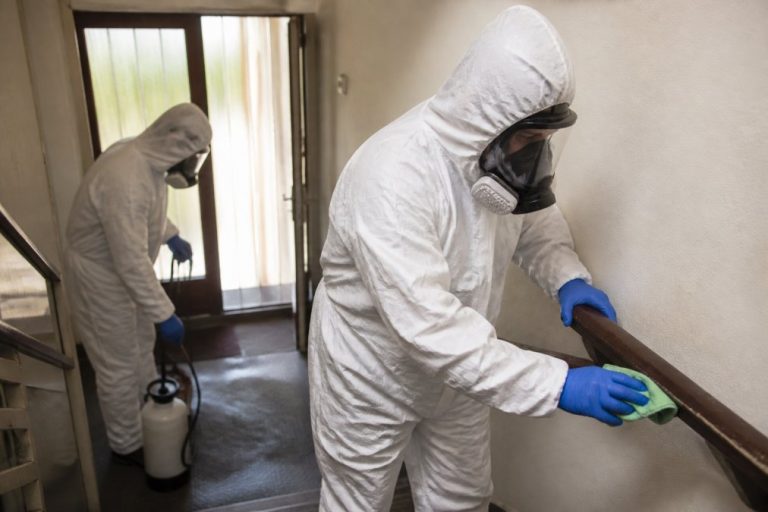
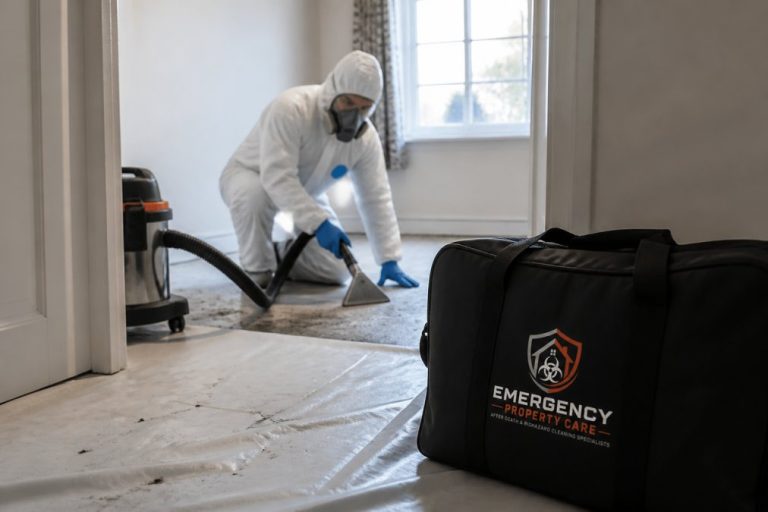
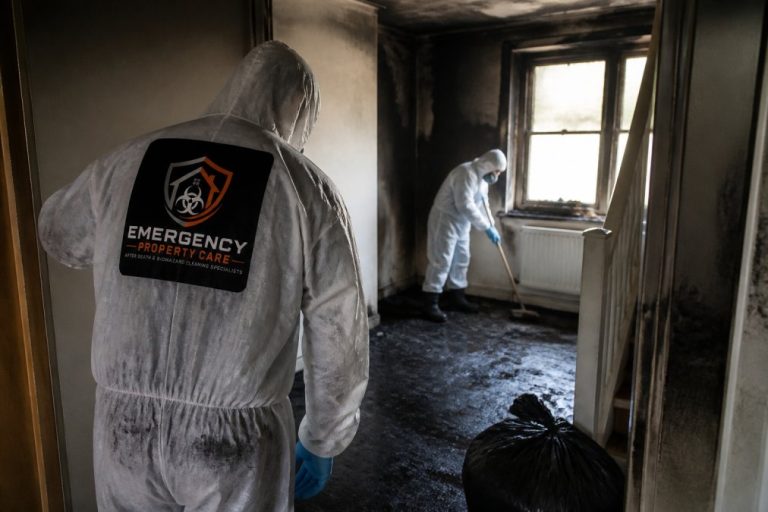
If the property has been declared safe and you are carrying out basic flood clean-up, suitable protection may include rubber boots, waterproof gloves, protective overalls or a waterproof apron. Eye protection may also be appropriate where splashing is possible.
Cover cuts with waterproof dressings and wash your hands thoroughly with warm water and soap after contact with floodwater or contaminated materials.
2. Document the Flood Damage
Before cleaning, moving belongings or removing damaged materials, create a clear record of the property. This can help the insurer or loss adjuster understand the extent of the incident.
Only collect evidence from areas that are safe to enter. Your record should include:
- Wide photographs of every affected room.
- Close photographs of damaged walls, floors and fixtures.
- Photographs of damaged belongings.
- Video showing the route taken by the water.
- Visible water-level marks on walls and furniture.
- The suspected water source, if known.
- The time and date the flooding was discovered.
- Serial numbers for damaged appliances and equipment.
- A room-by-room inventory of damaged items.
- Receipts or other evidence of value where available.
- Details of emergency work already undertaken.
Keep copies of emails, quotations, invoices and conversations with contractors, the insurer, landlord, managing agent and utility companies.
Do not retain contaminated belongings if doing so creates a health risk. Ask the insurer whether photographs or a small sample will be sufficient before disposing of carpets, curtains or other damaged materials.
3. Contact Your Insurer
Contact the insurer or broker as soon as reasonably possible to begin the claim. There is no single 24-hour reporting rule applying to every insurance policy, so check the terms of your cover.
Ask the insurer:
- What immediate action they want you to take.
- Whether they will appoint a loss adjuster.
- Whether contractors need approval before work begins.
- What you may remove or dispose of.
- What photographs and documents are required.
- Whether alternative accommodation is covered.
- Whether emergency water extraction can begin immediately.
- Whether contents and building claims are handled separately.
- What policy excess applies.
The Association of British Insurers advises property owners to contact their insurer and discuss what should happen to flood-damaged items.
Necessary steps may still need to be taken to protect people and prevent avoidable damage. Photograph the condition beforehand and keep a record explaining why emergency action was required.
For more information, read our UK flood-damage insurance claims guide.
Need Help Assessing Flood Damage?
Tell TrustedCare the water source, property location and rooms affected. We can discuss the appropriate cleaning and drying response.
4. Prevent Further Damage Safely
Once the property is safe and the insurer’s initial requirements are understood, reasonable action can be taken to prevent further damage.
Stop the Water Source Where Possible
If the flooding comes from a burst pipe or internal appliance, arrange for the water supply or faulty equipment to be isolated safely. Do not approach electrical equipment while standing in water.
If the water came from an overflowing sewer, contact the water company. If it came from outside the property, continue checking official flood warnings because the water level may rise again.
Do Not Begin Uncontrolled Pumping
Do not assume that floodwater can be pumped into a road drain, sewer, ditch or watercourse. Permission may be required depending on where it will be discharged.
GOV.UK provides further information about pumping water from a flooded property.
Separate Unaffected Belongings
If it is safe and the insurer agrees, move dry and unaffected items away from the flooded area. Do not carry dripping or contaminated materials through clean rooms without protecting the route.
Do not place contaminated possessions against unaffected walls or store them where children or animals can reach them.
Do Not Start Dismantling the Building
Avoid lifting floors, removing skirting boards, cutting plasterboard or stripping wall finishes without professional or insurer approval. Unnecessary removal can increase the repair cost, disturb concealed hazards and destroy useful evidence.
5. Prepare for a Professional Assessment
Providing accurate information before the team arrives helps them prepare suitable equipment and staffing. Be ready to explain:
- The full property address and postcode.
- Whether the property is domestic, rented or commercial.
- The number of affected rooms and floors.
- The suspected source of the water.
- Whether sewage or external floodwater is involved.
- Whether standing water remains.
- How long the water may have been present.
- Whether the utilities have been checked.
- Any known asbestos, structural or electrical hazards.
- Parking, access, keys and security arrangements.
- Whether the insurer or loss adjuster has issued instructions.
The technician should consider both visible damage and the possibility of concealed moisture. Water can travel behind skirting, beneath floor finishes, into insulation and through wall or ceiling voids.
6. Understand the Cleaning and Drying Process
Flood cleaning and structural drying are related but separate stages. Removing visible water does not prove that the building fabric is dry.
A professional restoration programme may include:
- Initial inspection: assessing the water source, contamination, affected materials and safety risks.
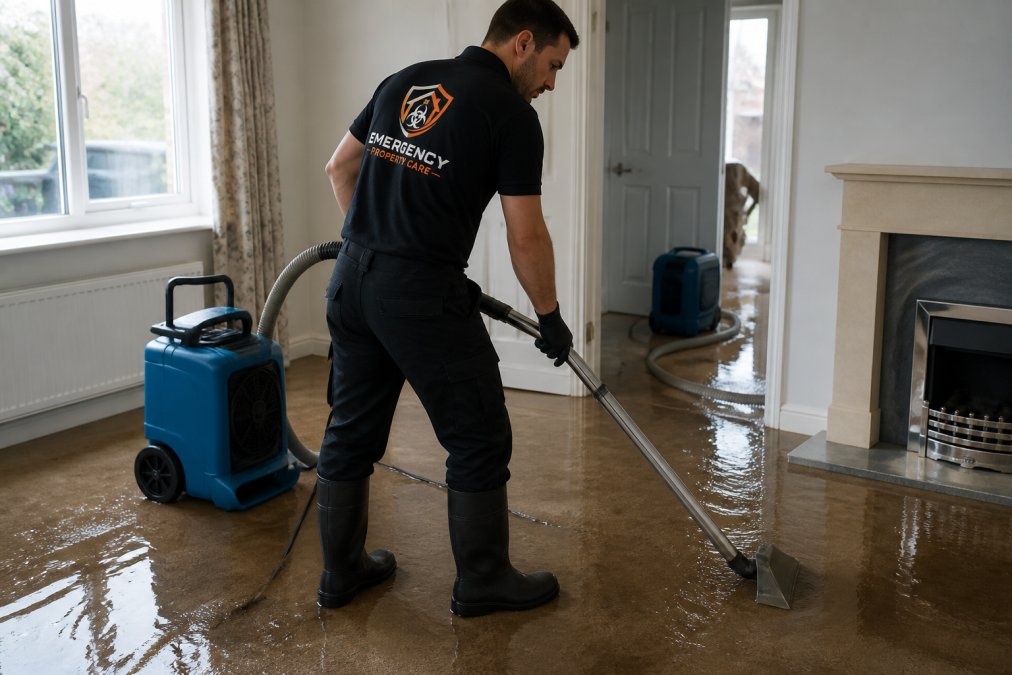
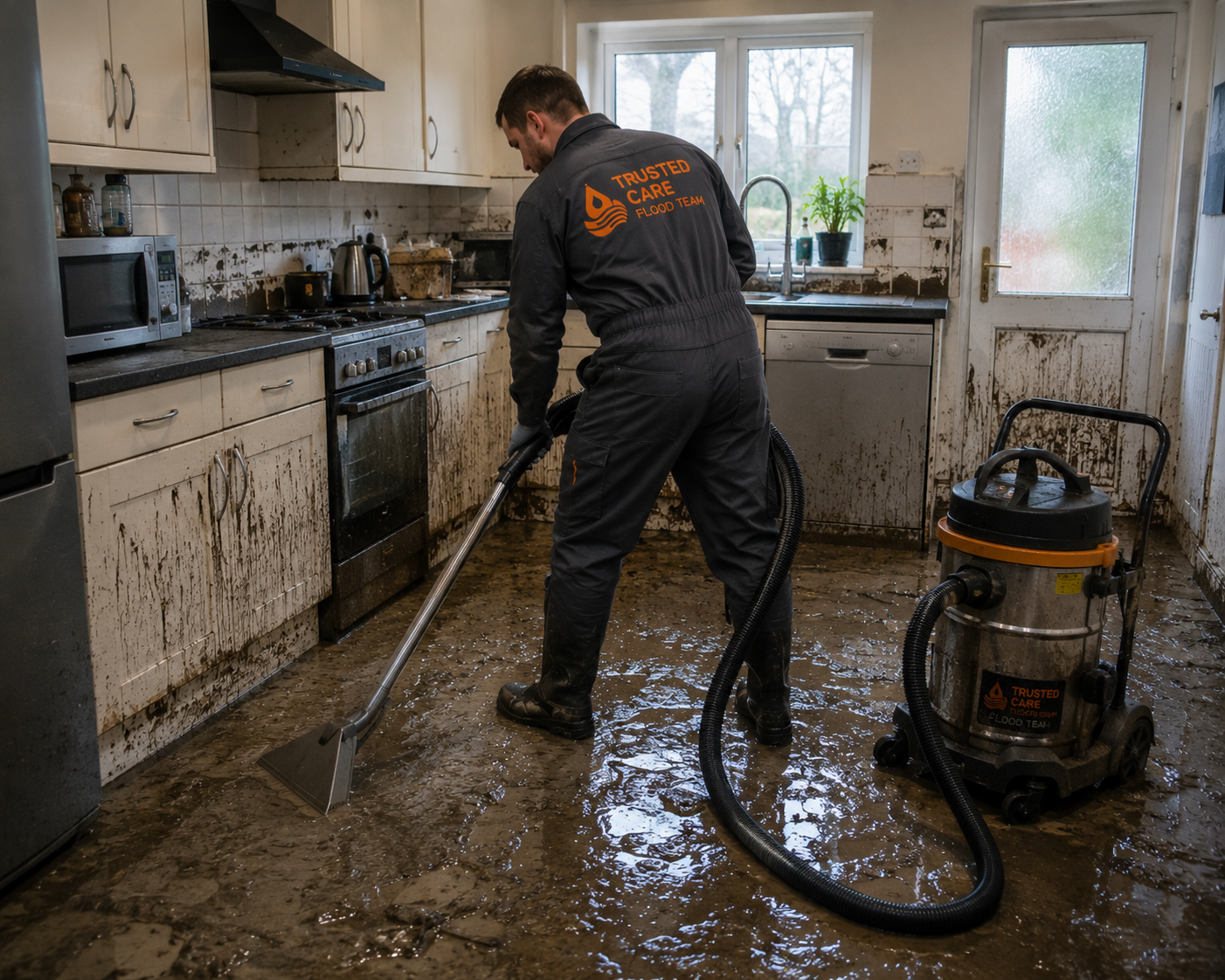
- Water extraction: removing standing water using suitable equipment and an appropriate disposal route.
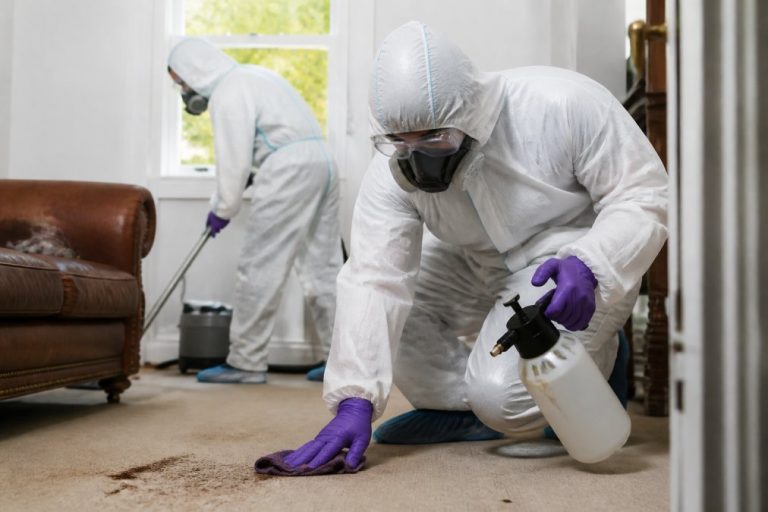
- Contamination removal: clearing mud, silt, sewage residue and materials that cannot reasonably be restored.
- Cleaning and decontamination: selecting a process suitable for the water source and affected surfaces.
- Drying assessment: measuring moisture in walls, floors and other building materials.
- Equipment installation: positioning dehumidifiers and air movers according to the drying plan.
- Monitoring: checking moisture readings and adjusting equipment where necessary.
- Completion: confirming the agreed drying target or explaining any limitations before reinstatement.
Drying time varies substantially. Construction type, insulation, weather, ventilation, water depth and the length of time the property remained wet can all affect the programme.
Read about drying a property after flood damage and the difference between flood cleaning and flood restoration.
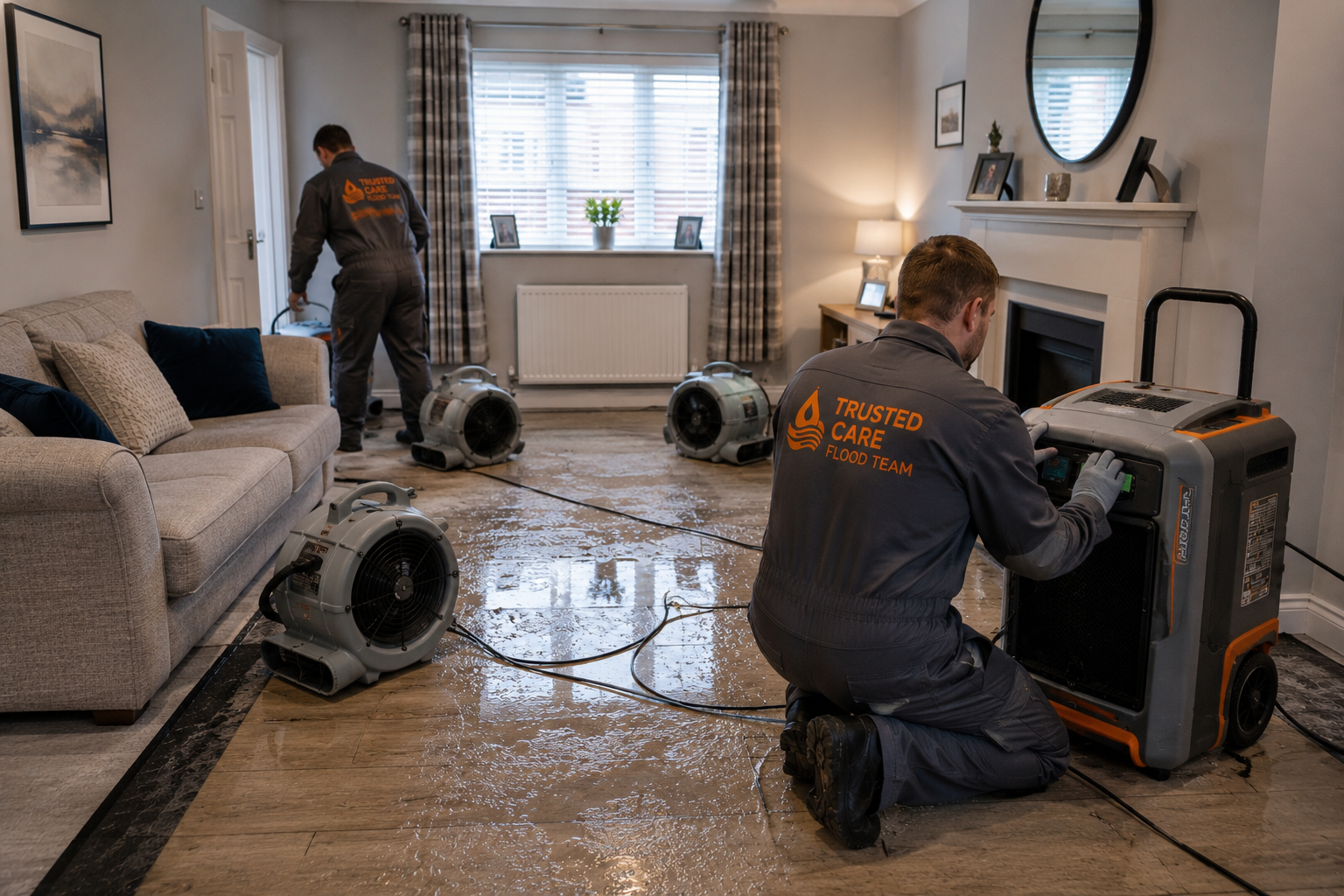
Do not redecorate too early: a wall or floor can feel dry at the surface while moisture remains within or beneath it. Reinstating finishes before suitable checks may trap damp and contribute to deterioration or mould.
DIY or Professional Flood Restoration?
A very small, clean-water escape may sometimes be manageable if the water source has been stopped, the electrical installation is safe and no hidden materials have been affected.
Professional assessment should be considered when:
- Sewage or external floodwater has entered the property.
- Several rooms or more than one floor are affected.
- Water has entered wall cavities, insulation or suspended floors.
- Plasterboard, timber or subfloors are wet.
- Electrical equipment or fixed wiring may be affected.
- A ceiling is bulging or structural damage is suspected.
- Standing water requires mechanical extraction.
- Contaminated materials require specialist disposal.
- There is persistent damp, odour or mould.
- The insurer requires professional reports or drying records.
- Vulnerable occupants could be exposed to contamination.
Sewage flood cleaning requires particular care because the water may contain harmful contamination. Do not use an ordinary domestic vacuum cleaner to remove water.
Completion and Drying Documentation
Ask what documentation will be supplied before approving the work. Depending on the agreed scope, this may include:
- An initial assessment or scope of work.
- Photographs taken during the project.
- Moisture readings or drying records.
- Details of materials removed.
- Waste-transfer documentation where applicable.
- Equipment installation and collection records.
- A completion report.
- A Certificate of Sanitisation where appropriate decontamination work formed part of the service.
Any certificate should identify the area and work it covers. It should not be interpreted as a guarantee that the entire property is sterile, permanently dry or free from every possible contaminant.
Preparing for Future Flooding
Once restoration is complete, consider whether the property could be made easier to protect and recover if another flood occurs.
Possible property flood-resilience measures include:
- Flood doors or removable barriers.
- Airbrick covers or automatic flood-resistant airbricks.
- Non-return valves where suitable.
- Sump pumps with appropriate maintenance arrangements.
- Raising electrical sockets and vulnerable equipment.
- Water-resistant wall and floor finishes.
- Locating important documents and valuable possessions upstairs.
- Registering for official flood warnings.
- Preparing a household, landlord or business flood plan.
Obtain appropriate professional advice before altering drainage, electrical systems or the structure of the building. Ask the insurer whether proposed resilience work affects the policy or future cover.
GOV.UK provides guidance on preparing for flooding and creating a flood plan.
Frequently Asked Questions
When can I enter my property after a flood?
Only return when the emergency services or another appropriate authority confirms it is safe. Do not enter if there is standing water near electrical equipment, visible structural damage, a sagging ceiling or a smell of gas.
What should I photograph for a flood insurance claim?
Photograph every affected room, visible water lines, damaged materials, belongings and the suspected water source. Take wide photographs and close-ups, record serial numbers and prepare an itemised list.
Can I pump floodwater out myself?
Do not begin pumping until the property is safe and you know where the water can lawfully be discharged. Contaminated floodwater may require specialist handling.
How long does a flooded property take to dry?
There is no reliable universal drying time. It depends on the construction, materials, water depth, weather, ventilation and how long the moisture was present. Moisture readings are more reliable than appearance or touch.
Should I remove carpets before the loss adjuster arrives?
Photograph the carpets and ask the insurer what evidence is required before removing them. If an item presents a health risk, the insurer may accept detailed photographs or a sample.
When is professional flood restoration necessary?
Obtain professional help when water contains sewage, several rooms are affected, moisture has entered the building fabric, structural or electrical damage is suspected, or specialist drying and documentation are required.
Need Flood Cleaning or Structural Drying?
Contact TrustedCare with the property location, source of the water and affected rooms for an individual assessment.

TrustedCare Editorial Team publishes UK guidance on specialist cleaning and biohazard remediation, including after-death cleaning, flood restoration and contamination control. Content is written for homeowners, landlords and housing providers seeking clear, practical information.