How Quickly Can Restoration Teams Arrive: Response Times Explained
Table of Contents
- How Quickly Can Restoration Teams Arrive: Realistic Response Times
- Factors That Influence Emergency Water Damage Response Time
- What to Do While Waiting for Restoration Experts
- How to Prepare Your Property for Flood Restoration 2026
- 24/7 Availability and Rapid Response: What It Means
- Initial Assessment and On-Site Arrival: What Happens First
- Conclusion
Last Updated: August 18, 2026
How Quickly Can Restoration Teams Arrive: Realistic Response Times
When water damage strikes your property, the clock starts immediately. The faster restoration teams arrive, the better your chances of preventing structural damage, mould growth, and permanent loss. But response times vary significantly depending on where you are, what time you call, and how severe the damage is.
At TrustedCare, we’ve handled thousands of emergency water damage calls across England, Scotland, and Wales. The reality of how quickly can restoration teams arrive depends on several interconnected factors, and understanding them helps you prepare for what’s actually possible in your situation.
The first question most property owners ask is straightforward: how long until someone gets here? The answer is rarely as simple as “30 minutes” or “2 hours.” Professional restoration teams operate under real constraints. They need to assess your location, dispatch available technicians, account for traffic and travel time, and ensure they arrive with the right equipment. What matters most is knowing what realistic timeframes look like and what you can do in those critical first minutes while waiting.
The moment water damage occurs, document everything with photographs and videos. This protects your insurance claim and gives restoration teams crucial information about the damage’s extent before they arrive.
Factors That Influence Emergency Water Damage Response Time
Response times for restoration teams aren’t fixed. Several variables determine whether a technician reaches you in 45 minutes or 3 hours. Understanding these factors helps you set realistic expectations and take appropriate action while waiting.
Location and Geographic Coverage
Where you live has the single biggest impact on how quickly can restoration teams arrive. Urban areas with dense technician networks see faster response times than rural locations. A property in central London or Glasgow might receive a technician within 60-90 minutes, while a remote property in the Scottish Highlands could require 3-4 hours or longer.
TrustedCare operates across England, Scotland, and Wales with strategically positioned teams. Coverage density varies by region. Areas with higher population density naturally have more technicians available, shorter travel distances, and faster dispatch capability. Rural properties face inherent delays simply because the nearest available technician might be 50+ kilometres away.
Geographic coverage also includes access. If your property sits on a difficult-to-reach road, requires special access permissions, or is in a location with limited parking for emergency vehicles, arrival times extend. Flood damage in basement areas or properties surrounded by flooded roads creates additional logistical challenges that slow initial response. In severe flooding situations, Flood Damage Cleaning and Drying services become essential, and geographic access can affect how quickly teams can deploy specialised equipment.
Time of Call and Technician Availability
When you call matters enormously. A water damage emergency at 2 PM on a Tuesday finds more technicians available than a call at 2 AM on a Sunday. Yet water damage doesn’t respect business hours, pipes burst at midnight, storms flood basements on bank holidays, and sewage backups happen without warning.
24/7 emergency response means teams operate around the clock, but availability fluctuates. During peak times (weekday afternoons), multiple technicians are typically en route or completing assessments. During off-peak hours (late night, early morning, weekends), fewer technicians are active, which extends response times. A call at 3 AM might see arrival in 2-3 hours rather than 45 minutes.
Technician availability also depends on current workload. If multiple emergencies are happening simultaneously in your region, available technicians are already dispatched. Your call enters a queue, and you receive the next available technician once they finish their current job. Major weather events that cause widespread flooding create bottlenecks across entire regions.
Severity and Type of Damage
The nature of the water damage influences dispatch priority and response speed. A burst pipe affecting one room receives different prioritisation than a basement completely flooded with sewage or a property at risk of structural collapse.
Professional restoration teams typically categorise damage by urgency. Active water ingress (water still flowing from a burst pipe) gets highest priority because the damage worsens by the minute. Standing water in multiple rooms ranks high. Sewage contamination receives urgent response due to biohazard risks. Slow leaks or water damage discovered hours or days after occurrence receive lower prioritisation and longer response times.
The type of water matters too. Clean water from a burst mains pipe requires different response than contaminated water from a sewage backup or flood water. Contaminated water situations often trigger faster dispatch because of health and safety implications, even if the volume is smaller.
Sewage contamination and biohazard water always receive priority dispatch. Call immediately and clearly state if sewage is involved, this information accelerates response time significantly.
What to Do While Waiting for Restoration Experts
The period between your emergency call and the restoration team’s arrival is critical. Your actions during this window can significantly reduce damage and protect your property.
Immediate Safety Steps
Before anything else, ensure personal safety. If water is rising rapidly, electrical hazards exist, or structural damage is visible, evacuate immediately. Don’t attempt to manage serious water damage alone, wait for professionals.
If safe to do so, stop the water source. Turn off the water supply at the mains if a pipe burst is causing the damage. For overflow situations, turn off the water supply to the affected appliance (washing machine, dishwasher, toilet). If you can’t locate the mains shut-off or the damage is from external flooding, leave it and focus on safety.
Move valuable items away from standing water if you can do so safely. Furniture, electronics, documents, and personal possessions deteriorate rapidly in wet conditions. Relocate items to higher ground or dry areas. Don’t wade through contaminated water, if sewage or flood water is involved, avoid direct contact.
Open windows and doors (if weather permits) to improve air circulation. Ventilation slows mould development and helps moisture evaporate. Turn on fans if they’re in dry areas. Don’t use electrical equipment in wet areas, the risk of electrocution is serious.

Documentation and Insurance Preparation
While waiting, document everything photographically. Take pictures and videos of all affected areas, standing water, damaged items, and the water source if visible. Capture wide shots showing the scope of damage and close-ups of specific items. This documentation protects your insurance claim and gives the restoration team valuable information.
Write down the time the damage was discovered, the likely cause, and any actions you’ve already taken. Note which areas are affected, what items are damaged, and whether anyone in the property has been exposed to contaminated water. Keep this information ready to share with the restoration team when they arrive.
Locate your insurance policy and policy number. Have contact details for your insurer readily available. Many insurers require notification within specific timeframes after damage occurs. Some policies mandate that you take steps to prevent further damage, which is exactly what you’re doing by calling restoration professionals immediately.
Gather receipts, purchase dates, and photographs of valuable items in the affected areas if you have them. These support insurance claims for damaged property. If you don’t have documentation, take photographs of the current damage state, insurers use this to assess replacement value.
How to Prepare Your Property for Flood Restoration 2026
Preparation before a water damage emergency means faster, more effective response when it happens. Taking preventive steps now reduces both the likelihood of damage and the time required for restoration teams to arrive and work effectively.
Install water detection sensors in high-risk areas: basements, under sinks, near water heaters, and around washing machines. Modern sensors alert you immediately when moisture is detected, sometimes before visible pooling occurs. Early detection means calling restoration teams before damage becomes severe.
Know where your water mains shut-off is located. Test it quarterly to ensure it operates smoothly. In an emergency, shutting off water supply within the first few minutes can prevent thousands of pounds in damage. Label the shut-off clearly so anyone in the household can find it quickly.
Maintain gutters and downpipes to ensure water drains away from your property’s foundation. Blocked drainage channels water toward your building, increasing flood risk. Clear debris seasonally and after storms.
Install backflow prevention devices on drains if your property is in a flood-prone area. These one-way valves prevent sewage and flood water from backing up into your property through the drainage system.
Keep important documents, photographs of valuable items, and insurance information in a waterproof container or stored digitally in cloud storage. If water damage occurs, you’ll have immediate access to documentation needed for insurance claims.
Establish relationships with professional restoration teams before emergencies happen. Research companies in your area, verify their credentials and insurance, and save their contact details. When you need them, you’ll already know who to call rather than searching frantically during a crisis.
24/7 Availability and Rapid Response: What It Means
“24/7 availability” sounds absolute, but it requires understanding what rapid response actually means in practice. Professional restoration teams genuinely operate around the clock, 365 days a year. However, response times vary based on the factors discussed earlier.
True 24/7 availability means someone answers your call at any hour. Your emergency is logged, assessed for priority, and a technician is dispatched. But dispatch doesn’t mean immediate arrival. A technician must finish their current job, travel to your property, and begin work. During busy periods or in remote areas, this process takes longer.
Rapid response typically means arrival within 60-90 minutes for urban properties during business hours, and 2-4 hours for off-peak calls or rural locations. Some companies advertise 24-hour response, meaning arrival within 24 hours, which is different from immediate response. TrustedCare prioritises genuine rapid dispatch, with most urban calls receiving technician arrival within 90 minutes.
The value of 24/7 availability becomes apparent during bank holidays, weekends, and severe weather events when most contractors are unavailable. A restoration team that truly operates 365 days a year means you’re never stuck waiting until Monday or the next business day for help.
Never assume “24/7” means “immediate arrival.” Always ask restoration companies specifically: “What’s your typical arrival time for emergency calls at midnight on a Sunday?” This clarifies realistic response times versus marketing claims.
Initial Assessment and On-Site Arrival: What Happens First
When the restoration team arrives, the first 30 minutes are devoted to assessment and safety evaluation. Understanding what happens during this initial phase helps you prepare and know what to expect.
The technician begins by evaluating safety conditions. They check for electrical hazards, structural risks, contamination levels, and any immediate dangers to personnel or occupants. If hazardous conditions exist, they determine whether the property can be safely worked in or if additional precautions are needed.
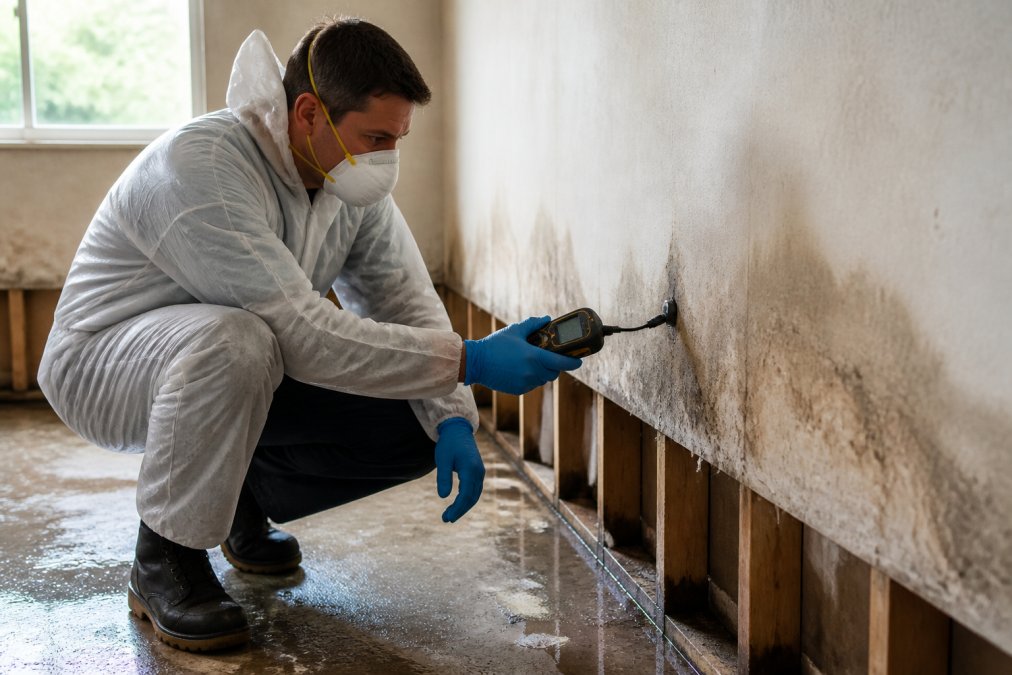
Next comes damage assessment. The technician documents the water source, affected areas, damaged materials, and the extent of saturation. They use moisture detection equipment to identify water that’s not visibly obvious, moisture trapped in walls, under flooring, or inside cavities. This assessment determines what needs to be removed, what can be salvaged, and what drying equipment is required.
The technician discusses the restoration process with you. They explain what caused the damage, what steps restoration will involve, how long it typically takes, and what to expect in coming days. They answer questions about insurance procedures, interim accommodation if needed, and access requirements.
Photographic documentation happens during assessment. The technician photographs all damage, water levels, affected items, and the overall scene. These photographs support insurance claims and create a record of the damage’s extent before work begins.
The technician also gathers information about your insurance. They may contact your insurer directly (if you authorise this) to discuss coverage and claim procedures. Some restoration companies work directly with insurers; others work with you and you manage the insurer relationship. Clarify this during the initial call.
Once assessment is complete, the technician outlines the restoration plan. This includes which areas will be worked on first, what equipment will be brought in, how long the process typically takes, and any disruption you should expect. For serious water damage, restoration can take days or weeks. Understanding the timeline helps you plan interim arrangements.
Water damage doesn’t wait for convenient timing, and neither should your response. The moment you discover water damage, call a professional restoration team. How quickly can restoration teams arrive depends on location, time of day, and damage severity, but the faster you call, the faster response begins.
TrustedCare provides 24/7 emergency water damage restoration across England, Scotland, and Wales. Our fully insured technicians conduct rapid assessment, deploy professional drying equipment, and manage the entire restoration process. When water damage strikes, contact TrustedCare immediately, rapid response prevents further deterioration and protects your property and insurance claim. Get Help Now.
Frequently Asked Questions
How quickly can restoration teams arrive at my property after a water damage emergency?
Response times vary based on location, time of call, and technician availability. Many restoration teams offer 24/7 emergency response with arrival times ranging from 1-4 hours during peak demand periods. Teams covering nationwide areas prioritise calls based on severity and geographic proximity. Calling immediately after discovering water damage ensures faster dispatch, as technicians are allocated in real time. Geographic variance means rural areas may experience slightly longer response times than urban centres, but professional restoration services maintain rapid-response protocols across all regions.
What should I do while waiting for restoration experts to arrive?
First, ensure personal safety by switching off electricity if water is widespread and moving to higher ground if flooding is severe. Document all visible damage with photographs and video for insurance purposes, capture standing water, affected furniture, and structural damage from multiple angles. Move valuable items and documents to dry areas if safe to do so. Open windows for ventilation if weather permits, and use towels to absorb water from hard floors. Do not attempt to dry the property yourself or use standard household equipment; professional dehumidification and water extraction require specialist gear. Keep a record of all actions taken and times noted for your insurance claim.
What factors influence how quickly a restoration team can respond to my emergency?
Response time depends on several factors: your location relative to the nearest technician, the time you call (24/7 services dispatch immediately, but peak hours may extend waits slightly), the severity of damage (critical situations receive priority), and current demand in your area. Weather conditions, road access, and whether the property is residential or commercial also affect arrival. Teams with nationwide coverage allocate resources based on proximity and urgency. Calling during business hours or immediately upon discovering damage typically results in faster response than delayed reporting.
How should I prepare my property for flood restoration in 2026?
Before restoration teams arrive, ensure the property is safe: turn off utilities if water is extensive, open doors and windows for airflow, and move unaffected items to dry areas. Clear pathways so technicians can access affected zones quickly. Gather insurance documents, photographs of damage, and a list of damaged items. Know the location of your water shut-off valve and electricity consumer unit. If possible, identify the source of water ingress (burst pipe, external flooding, sewage backup). Have contact details for your insurance provider ready. Prepare a list of questions about the restoration timeline, equipment being used, and expected costs so technicians can address them immediately upon arrival.

TrustedCare Editorial Team publishes UK guidance on specialist cleaning and biohazard remediation, including after-death cleaning, flood restoration and contamination control. Content is written for homeowners, landlords and housing providers seeking clear, practical information.