How Long Does Trauma Scene Cleanup Take? UK Guide
Confidential UK Trauma Cleaning Guide
How Long Does Trauma Scene Cleanup Take?
A contained incident may be completed within one working day, while decomposition, structural contamination or several affected rooms can require multiple visits.
Discreet 24/7 response across England, Scotland and Wales
Most contained residential trauma scenes can be cleaned within several hours to one working day. More complicated situations can take two or three days, while extensive decomposition, contamination beneath flooring or multiple affected rooms may require several visits over a week or longer.
These are planning ranges rather than guaranteed completion times. A reliable estimate can only be provided after the scene has been released by the relevant authority and a specialist has assessed the contamination, building materials, access and required work.
Do not enter, move items or begin cleaning if the police, coroner, emergency services or property manager still controls the scene. Cleaning must wait until the affected area has been formally released.
Typical Trauma Scene Cleanup Times
Room size is not the only consideration. A small area can take longer than a larger room when bodily fluids have penetrated porous materials or travelled beneath visible surfaces.
| Example situation | Possible timeframe | What may extend the work |
|---|---|---|
| Small, contained incident | Several hours to one day | Porous flooring, furniture or delayed access |
| One room with several affected materials | Approximately one to two days | Contents handling, flooring removal or drying |
| Unattended death or decomposition | Often two to several days | Structural penetration, odour and insect activity |
| Several rooms or concealed contamination | Several days or longer | Cavities, subfloors, extensive contents and waste |
These estimates cover specialist cleaning and related treatment. They do not automatically include police release, insurer authorisation, replacement flooring, building repairs or redecoration.
What Affects How Long Trauma Cleanup Takes?
Extent and location of contamination
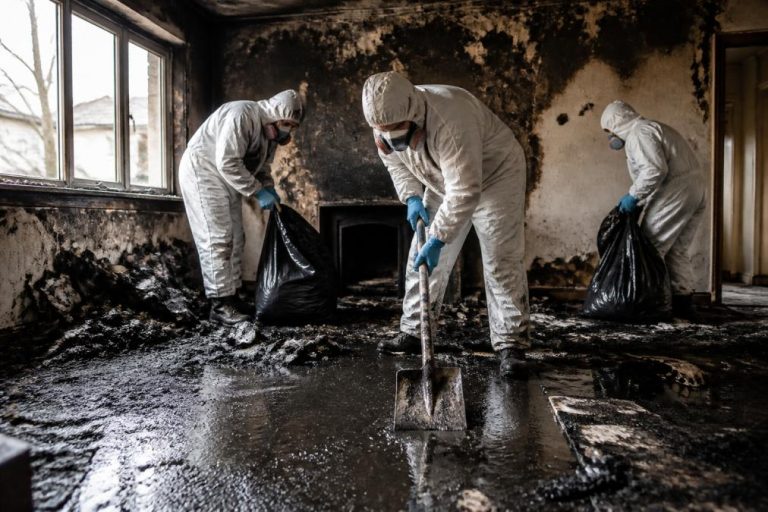
Contamination limited to a sealed surface is normally more straightforward than bodily fluids that have reached carpet, underlay, floorboards, skirting, plasterboard, furniture or wall cavities.
Time before discovery
Delayed discovery can allow fluids and odour-producing material to penetrate porous building materials. An unattended death can therefore require treatment beyond the visibly affected surface.
Materials within the room
Hard, intact surfaces may be capable of cleaning and disinfection. Some heavily contaminated porous materials cannot be reliably treated and may require controlled removal.
Contents and personal possessions
Personal belongings may require individual assessment, careful recording and agreement with the family, property representative or insurer before anything is removed.
Access and additional hazards
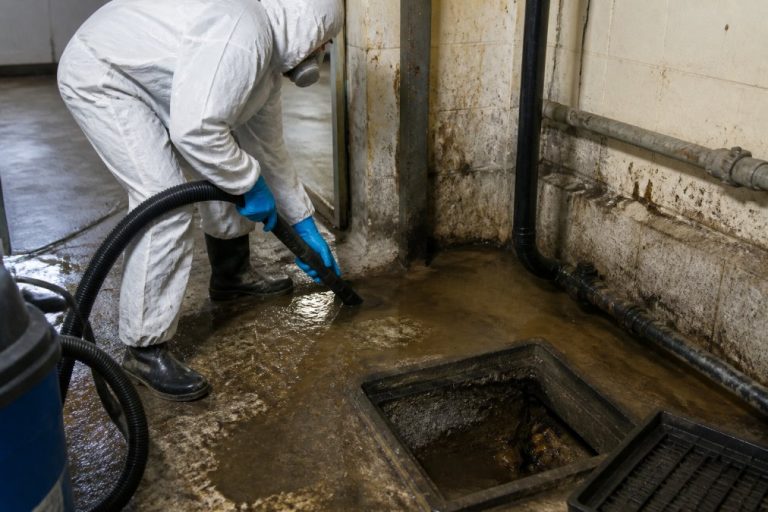
Flats, restricted parking, narrow staircases and shared entrances can affect equipment setup and waste removal. Needles, chemicals, pests, damaged electrics or unsafe building materials can also change the risk assessment.
The Trauma Scene Cleaning Process
- Scene release: the company confirms that the relevant authority has released the affected area.
- Assessment: visible and suspected contamination, affected materials and additional hazards are recorded.
- Scope and authorisation: the client receives an explanation of what will be cleaned, treated, removed or excluded.
- Work-area control: access is restricted and unaffected areas are protected.
- Controlled removal: materials that cannot be reliably decontaminated are removed with the necessary authority.
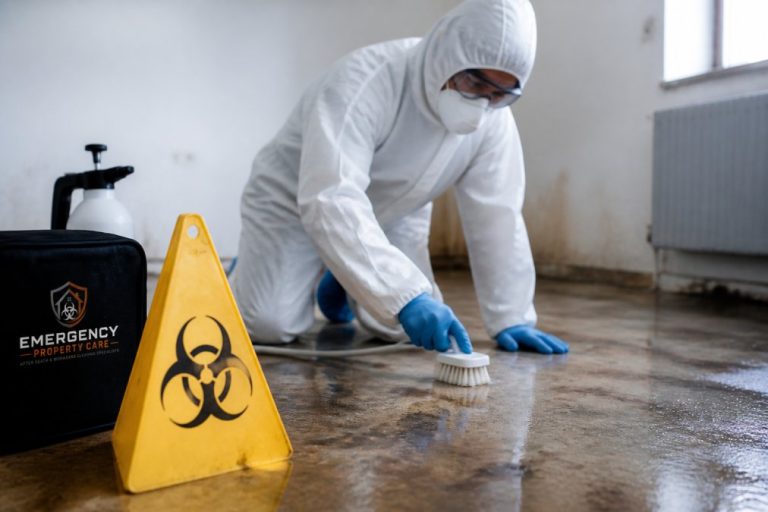
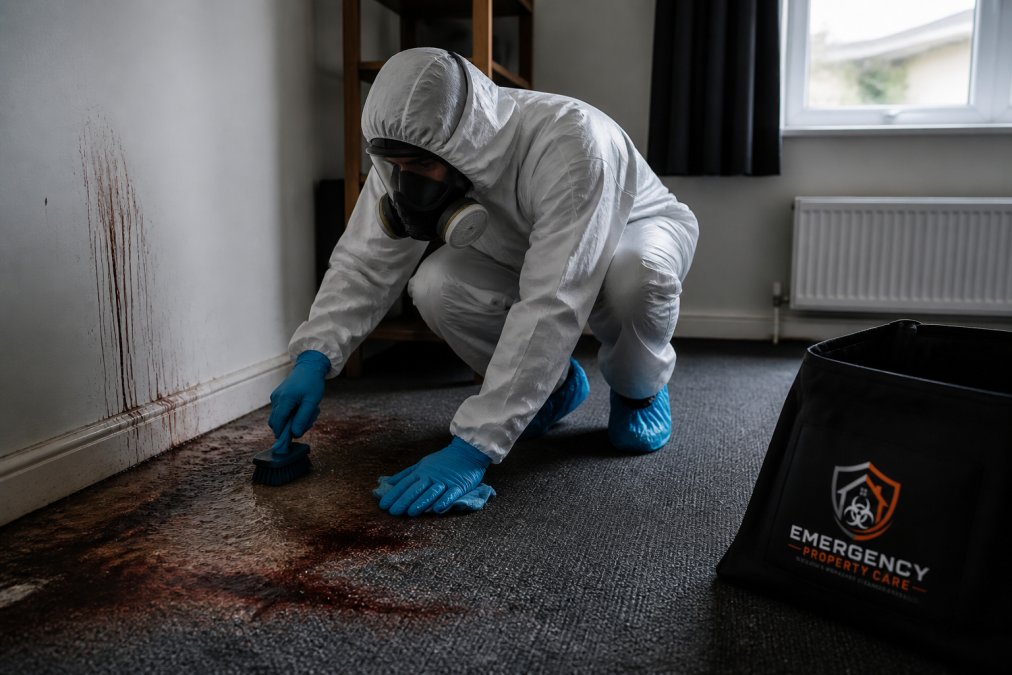
- Cleaning: visible organic material and surface contamination are removed.
- Disinfection: an appropriate product is applied using the required concentration and contact time.
- Odour-source treatment: remaining odour sources are identified and addressed rather than masked.
- Inspection: the completed work is checked against the agreed scope.
- Documentation: the client receives the agreed records and details of any outstanding repairs.
Need Confidential Trauma Cleaning Assistance?
TrustedCare provides discreet 24/7 assistance for homes, rental properties, businesses and managed accommodation.
After-Death and Decomposition Cleaning
After-death cleaning can range from a contained same-day service to a complex, multi-stage project. The time required is affected by the period before discovery, temperature, ventilation, surfaces, insect activity and structural penetration.
An unattended death may require:
- removal of contaminated carpets, underlay or flooring;
- inspection beneath furniture and fixed fittings;
- treatment of subfloors, skirting and adjacent surfaces;
- careful recording of affected contents;
- cleaning and disinfection of remaining materials;
- odour-source removal and further treatment;
- pest treatment where required; and
- separate repair and redecoration work.
Visit TrustedCare’s after-death cleaning services page or read how long after-death cleaning takes.
PPE, Containment and Site Safety
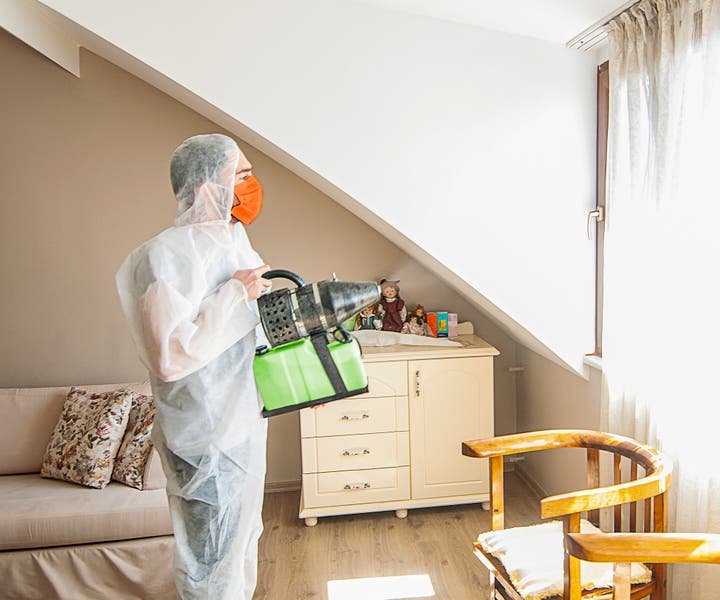
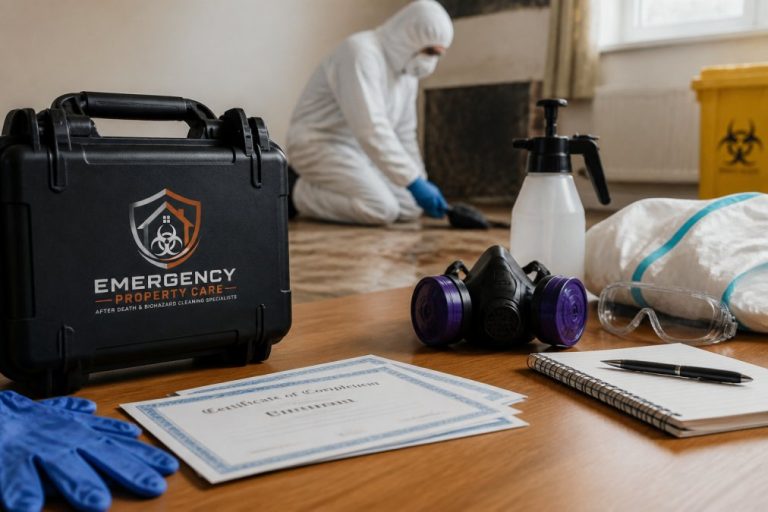
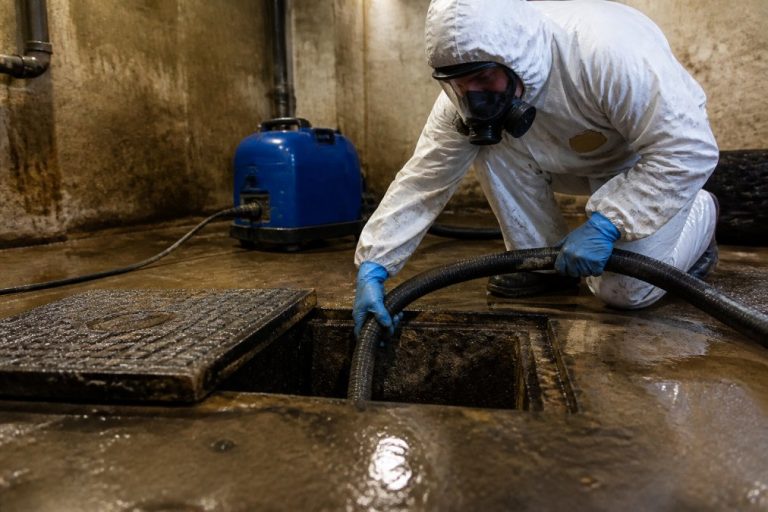
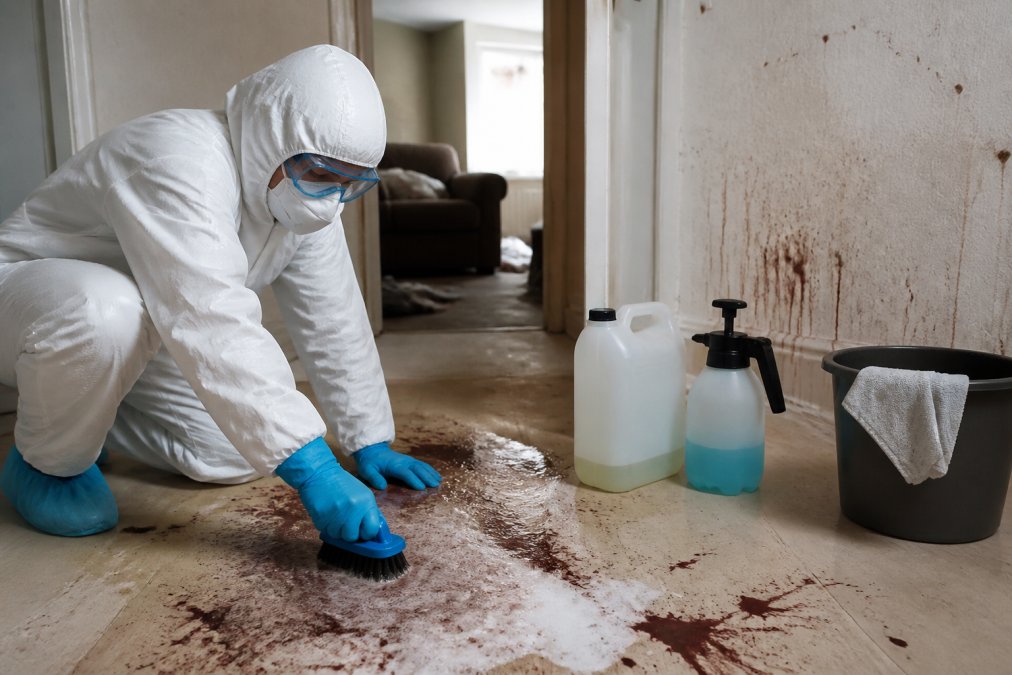
PPE is selected from the risk assessment. Depending on the work, technicians may require disposable coveralls, suitable gloves, eye or face protection, protective footwear and respiratory protection.
PPE does not replace safe working methods. The team must also control access, prevent cross-contamination, use suitable equipment and arrange safe removal of contaminated waste.
The Health and Safety Executive provides guidance covering blood-borne virus risks and COSHH responsibilities.
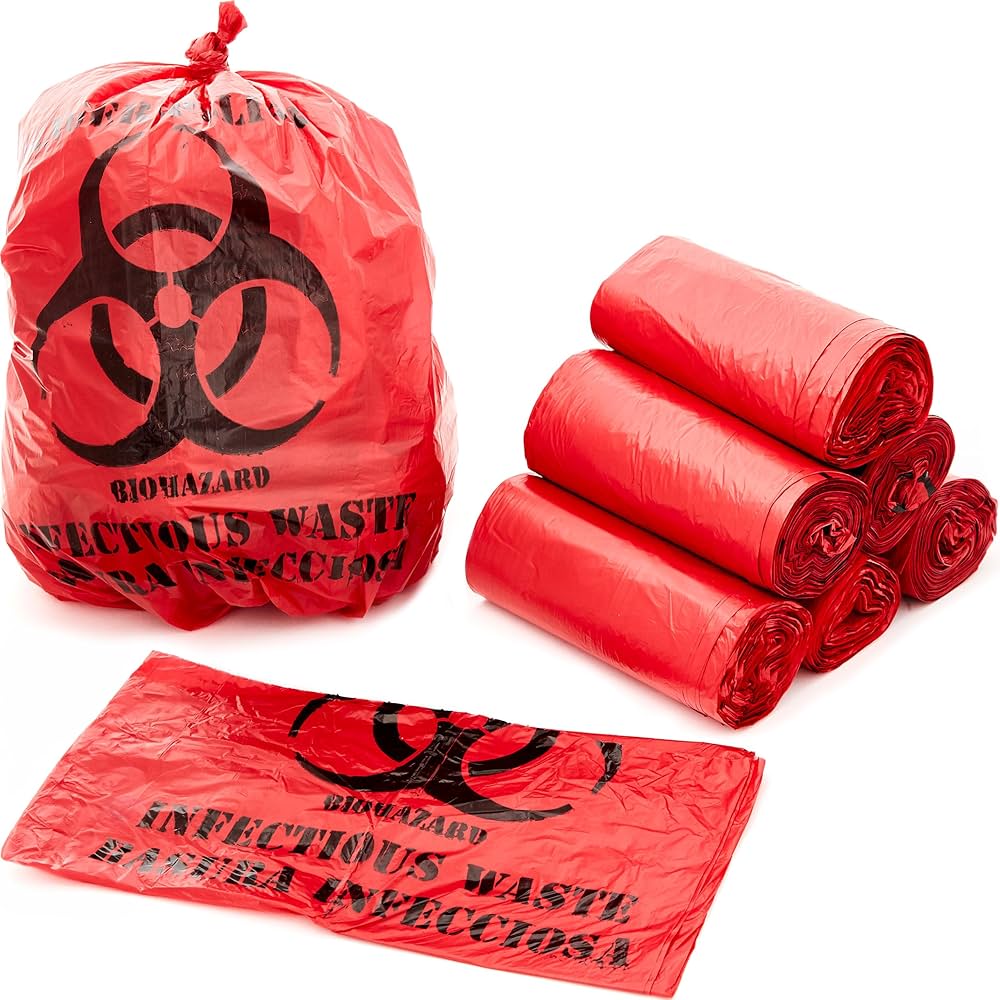
Waste classification depends on what the material contains and the risks it presents. The contractor should explain how waste will be segregated, packaged, transported and documented.
Insurance and Documentation
Do not assume that every household or landlord policy covers trauma or after-death cleaning. Cover depends on the policy wording, cause of loss, exclusions and the insurer’s decision.
Contact the insurer promptly and ask:
- whether specialist cleaning is covered;
- whether emergency mitigation can start immediately;
- whether approval or a loss-adjuster visit is required;
- what photographs and quotations are needed;
- whether damaged items must be retained; and
- whether cleaning, contents and repairs are handled separately.
TrustedCare can provide quotations, photographs and records according to the agreed service. Read our biohazard cleanup insurance claims guide.
Completion and Sanitisation Certificates
A completion record or certificate of sanitisation can document the areas treated, work performed, products used and date of completion.
It is not a universal statutory “all clear”, a guarantee covering areas outside the agreed scope or a substitute for structural, electrical, gas or environmental inspections.
When Can the Property Be Used Again?
Some properties can be used after cleaning, inspection and any required ventilation period. Others must remain vacant while materials dry, odour treatment continues, utilities are checked or removed materials are replaced.
Before reoccupation, confirm:
- the agreed cleaning has been completed;
- temporary containment and equipment have been removed or explained;
- no contaminated waste remains;
- any required drying or ventilation period has finished;
- outstanding building or utility risks have been addressed; and
- the agreed completion documentation has been supplied.
A contained trauma scene may take less than a day, but decomposition, contamination beneath surfaces, multiple rooms and repair requirements can extend the complete process considerably.
Frequently Asked Questions
How long does a trauma scene cleaner take?
A small, contained incident may take several hours to one working day. More complicated contamination can take two or three days, while decomposition or structural penetration may require several visits.
Can trauma cleaning begin immediately?
Only after the police, coroner or other responsible authority has released the scene and the authorised client has approved the work.
Can the property be occupied immediately?
Not in every case. Reoccupation depends on the contamination, treatment methods, ventilation, drying and whether repairs or additional inspections remain outstanding.
Will insurance pay for trauma cleaning?
It may, but cover is not automatic. Contact the insurer promptly and confirm what evidence and authorisation are required.
Confidential Nationwide Assistance
Arrange a Trauma Scene Assessment
Contact TrustedCare for discreet trauma, biohazard and after-death cleaning assistance across England, Scotland and Wales.

TrustedCare Editorial Team publishes UK guidance on specialist cleaning and biohazard remediation, including after-death cleaning, flood restoration and contamination control. Content is written for homeowners, landlords and housing providers seeking clear, practical information.