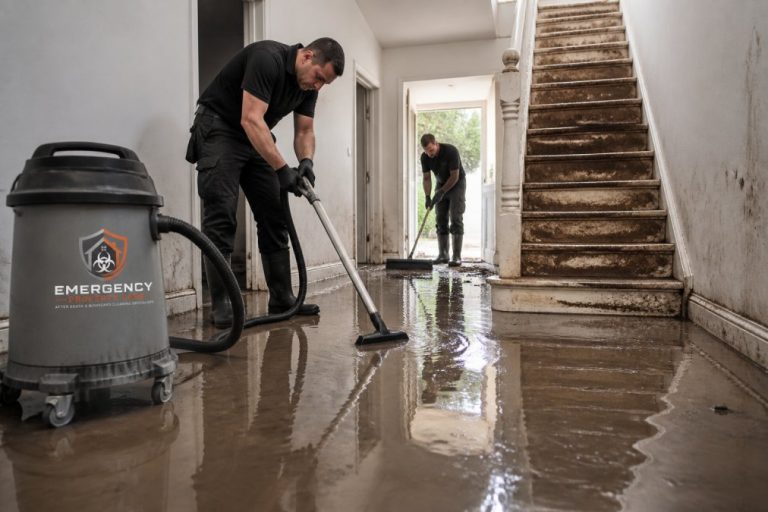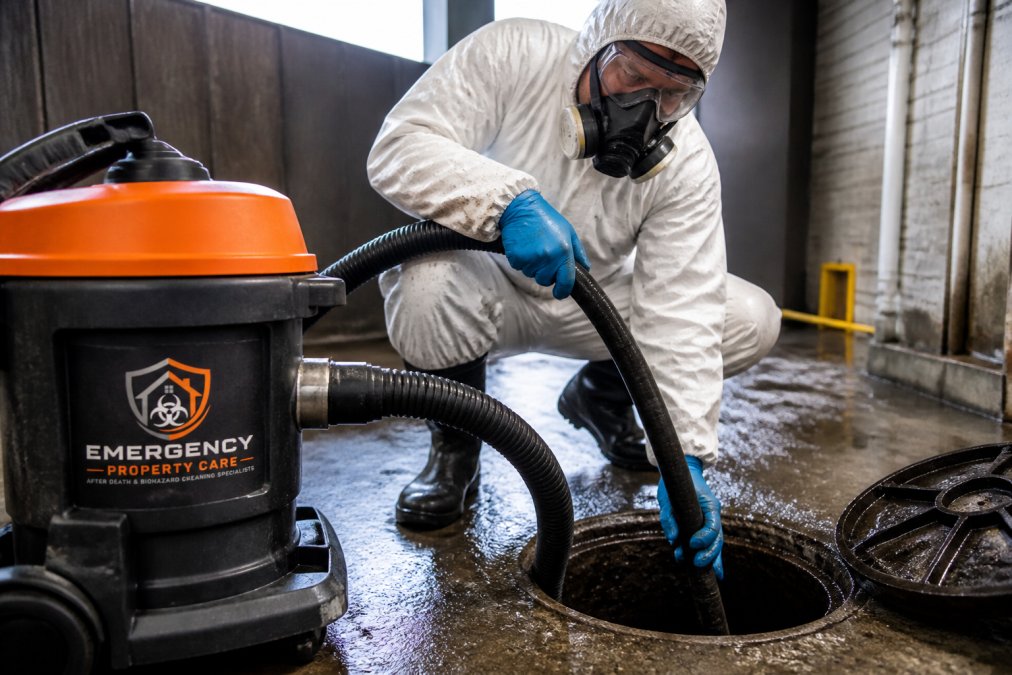
How to Safely Clean Sewage: Step-by-Step Guide
Table of Contents
- Sewage Backup Health Risks You Need to Know
- Essential PPE and Safety Equipment for Sewage Cleanup
- Sewage Cleanup Safety Protocols: Before You Start
- Step-by-Step Cleaning Process for Non-Porous Surfaces
- Handling Porous Materials and Contaminated Items
- Deodorising and Preventing Mould After Sewage Damage
- When to Call Professional Sewage Decontamination Services
- Insurance Documentation and Recovery Support
Last Updated: August 19, 2026
Sewage Backup Health Risks You Need to Know
A sewage backup is a serious health hazard. Raw sewage contaminates your home with pathogens, bacteria, and viruses that cause severe illness. Sewage contains harmful pathogens including E. coli, hepatitis A, and norovirus. Exposure through skin contact, inhalation, or ingestion leads to gastrointestinal infections, respiratory issues, and serious health complications. Children, elderly people, and those with compromised immune systems face heightened risk.
Prolonged exposure creates conditions for mould growth within 24-48 hours, extending health risks long after the initial backup. Sewage-contaminated surfaces transfer pathogens to your hands, food preparation areas, and household items if not properly decontaminated. Standard household cleaning won’t eliminate biohazard-level pathogens, making professional decontamination essential.
Never attempt to clean sewage backup without proper protective equipment and training. Exposure to raw sewage can cause serious illness, and improper cleanup spreads contamination further. If you’re unsure about any aspect of the cleanup, contact professional services immediately.
Essential PPE and Safety Equipment for Sewage Cleanup
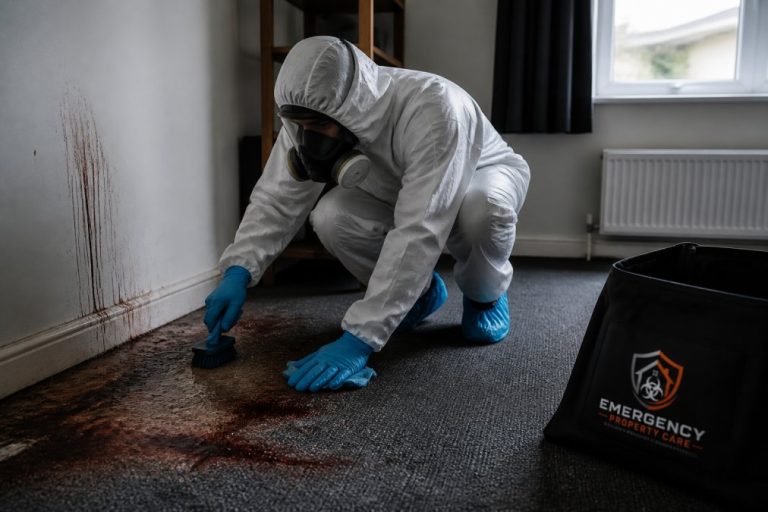
Proper personal protective equipment is non-negotiable when handling sewage contamination. Before touching anything in an affected area, you must wear multiple layers of protection.
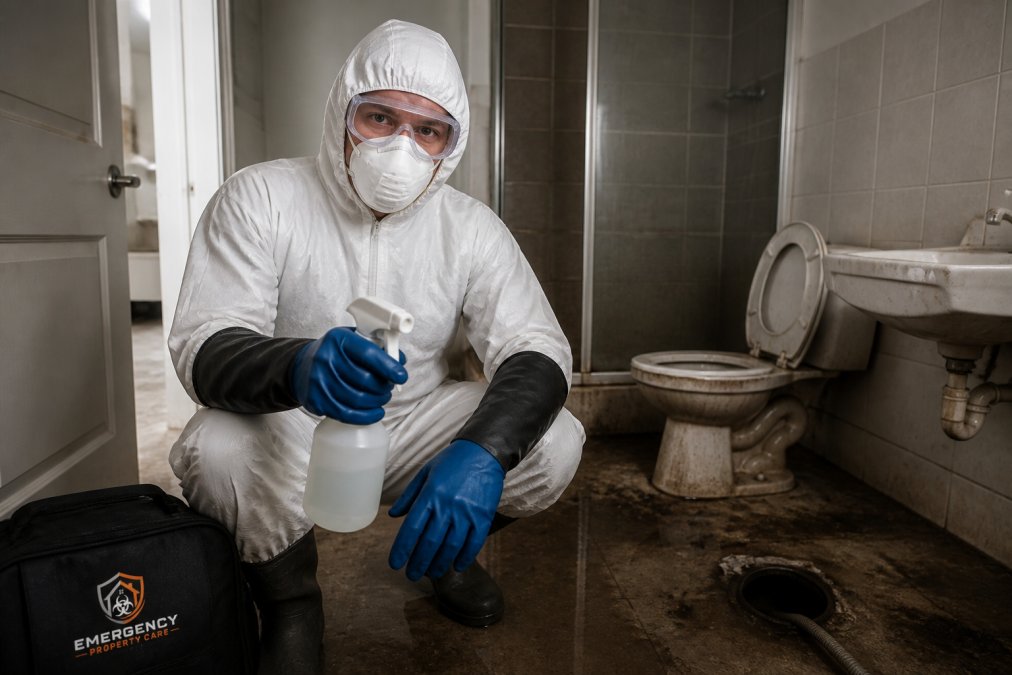
Rubber gloves form your first barrier against direct contact. Use heavy-duty nitrile or latex gloves extending past your wrists, and consider double-gloving for extra protection.
Protective eyewear prevents splashes from reaching your eyes and mucous membranes. Use sealed safety goggles that form a complete barrier.
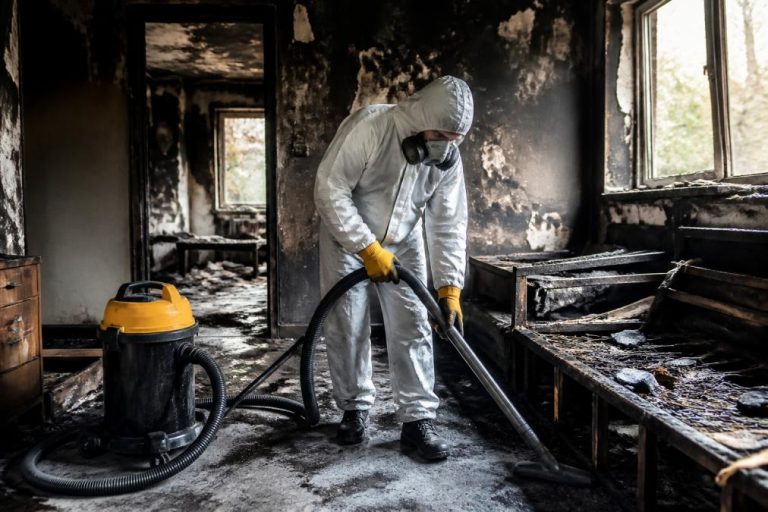
Respiratory protection is essential because sewage releases airborne pathogens and harmful gases. An N95 mask provides basic protection, but for extensive cleanup, consider a P100 respirator or supplied-air respirator, particularly in poorly ventilated spaces.
Full-body protective clothing prevents contamination from reaching your skin. Wear disposable protective coveralls or dedicated cleanup clothing that you’ll discard afterward.
Footwear requires the same protection as your hands. Wear rubber boots you can thoroughly clean or discard.
You’ll also need heavy-duty disinfectant solutions, scrub brushes, buckets, and mops dedicated solely to contamination cleanup. Keep these tools separate from your regular household supplies.
Keep your PPE kit assembled and accessible. Having equipment ready means you can take [immediate action if contamination occurs](/how-quickly-restoration-teams-arrive-response-times/).
Sewage Cleanup Safety Protocols: Before You Start
Before beginning any cleaning work, assess the situation carefully and take immediate steps to prevent further contamination.
Immediate steps after discovering contamination
Stop using water in the affected area and turn off the water supply if the backup is ongoing. Locate your emergency shut-off valve so you can act quickly if needed.
Ensure proper ventilation by opening windows and doors to reduce airborne pathogen concentration. Maintain open windows throughout the cleanup process.
If anyone has been exposed, they should shower thoroughly and wash their clothes separately in hot water. Anyone showing symptoms should contact their GP and mention potential sewage exposure.
Document the damage thoroughly with photographs and video before beginning cleanup. This documentation supports insurance claims and helps loss adjusters understand the extent of contamination.
Assessing the extent of contamination
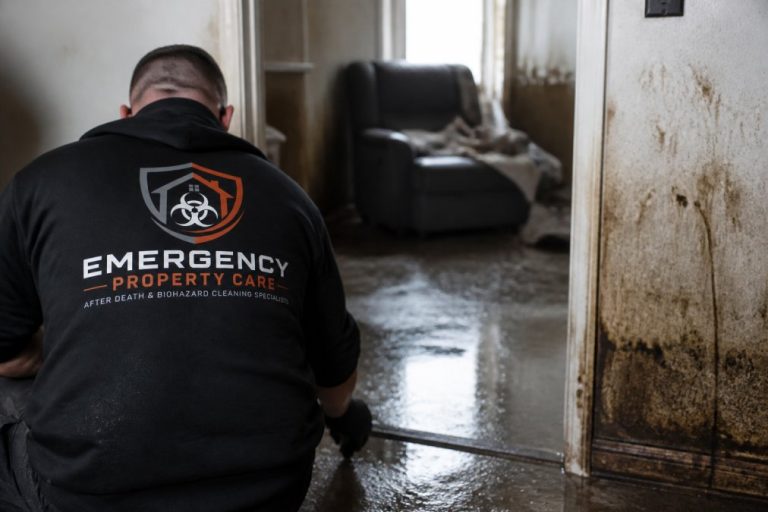
Determine how far the contamination has spread. Sewage typically flows downward and outward, so check lower areas first. Examine carpets, flooring, walls, and porous materials that may have absorbed contaminated water.
Porous materials like carpet, insulation, and drywall absorb contaminated water deeply and are difficult to fully decontaminate. Non-porous surfaces like tile, vinyl, and sealed concrete are easier to clean thoroughly.
If contamination has reached multiple rooms or affected structural elements, professional assessment is essential.
The extent of contamination determines whether you can safely manage cleanup yourself or need professional intervention. When in doubt, contact specialists.
Step-by-Step Cleaning Process for Non-Porous Surfaces
Non-porous surfaces like tile, sealed concrete, vinyl flooring, and laminate can be thoroughly cleaned and decontaminated without replacement.
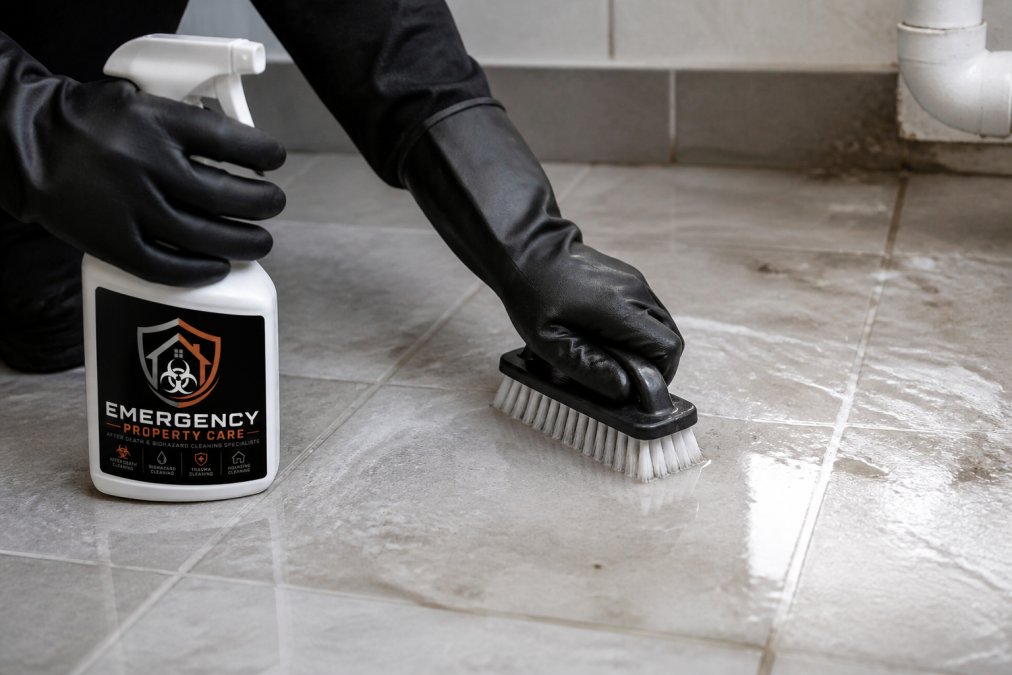
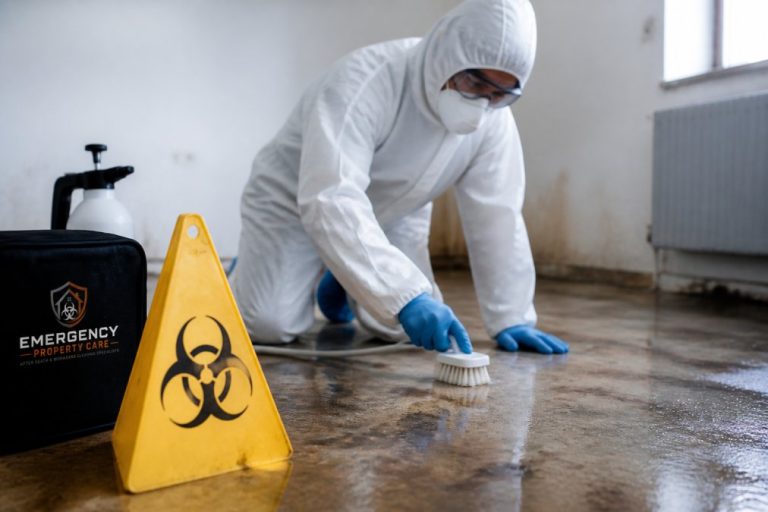
Remove visible contamination using disposable paper towels, placing all materials directly into sealed plastic bags. Wash affected surfaces thoroughly with hot water mixed with commercial-grade detergent. Scrub all surfaces with a stiff brush, paying particular attention to grout lines and corners.
Rinse thoroughly with clean water, changing rinse water frequently until it runs clear. Apply a disinfectant solution, typically 1 part bleach to 10 parts water, and allow it to sit for the contact time specified on the product label, usually 5-10 minutes, before wiping clean.
Allow surfaces to air dry completely to prevent mould growth and ensure any remaining pathogens are eliminated.
Handling Porous Materials and Contaminated Items
Porous materials absorb contaminated water deeply and cannot be thoroughly disinfected. In most cases, they should be removed and replaced.
Carpet and padding absorb sewage readily and cannot be thoroughly disinfected. Professional carpet cleaning companies typically recommend complete replacement. Insulation, drywall, and other absorbent building materials should be removed if contaminated, as they lose structural integrity when saturated.
Fabric items like curtains, bedding, and upholstered furniture exposed to sewage should be discarded. Washing these items in a standard washing machine won’t eliminate pathogens.
Food and beverages in the affected area must be discarded. Any food that may have been exposed to contaminated water is unsafe to consume.
Collect all contaminated materials in heavy-duty plastic bags and seal them securely. Check with your local council for guidance on biohazard waste disposal in your area.
Never attempt to salvage items contaminated by sewage backup. Discarding contaminated materials is the safest approach and prevents cross-contamination during cleanup.
Deodorising and Preventing Mould After Sewage Damage
Odour persists after visible contamination is removed, indicating that pathogens and organic matter remain. Proper deodorization requires addressing the source, not just masking it.
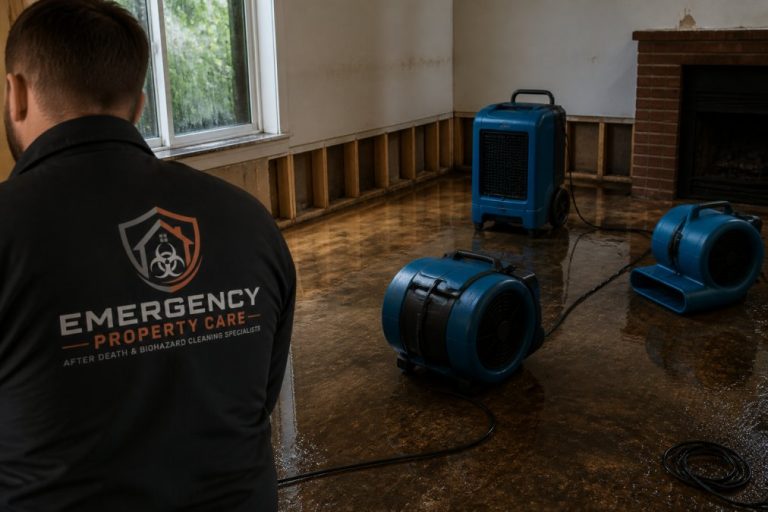
After thorough cleaning and disinfection, open windows to allow natural air circulation. Run fans to direct air outward and create negative pressure that pulls odours out.
For stubborn odours, activated charcoal absorbs odour-causing compounds. Place it in affected rooms and replace every few days until odours dissipate. Baking soda also absorbs odours; sprinkle it on surfaces, allow it to sit for several hours, then vacuum.
Moisture control is critical for preventing mould. Use dehumidifiers to reduce moisture levels below 50%, as mould growth slows significantly at lower humidity. Keep fans running continuously in affected areas, directing air toward windows and doors.
Monitor affected areas for mould growth over the following weeks. If mould appears, contact professional mould remediation services.
Long-term mould prevention depends on maintaining low moisture levels and adequate ventilation. Install exhaust fans in bathrooms and kitchens. Ensure gutters and downspouts direct water away from your property’s foundation.
When to Call Professional Sewage Decontamination Services
Call professional services immediately if sewage has contaminated your property’s structural elements, walls, flooring, insulation, or foundation. These areas require specialized equipment and expertise.
If contamination has spread beyond a single room or affected multiple levels, professional services are essential. When you’re uncertain about the extent of contamination or whether an area has been properly decontaminated, professional assessment provides certainty.
If anyone in your household has health conditions affecting immune function, including young children, elderly residents, or people with chronic illness, professional decontamination is advisable.
TrustedCare provides 24/7 emergency sewage decontamination services across England, Scotland, and Wales. Our fully insured technicians respond rapidly to sewage backup situations, providing professional assessment and complete decontamination using specialist equipment. We work directly with insurance companies and loss adjusters, managing the documentation and claims process so you can focus on recovery. In situations where sewage damage coincides with flooding, our Flood Damage Cleaning and Drying services ensure comprehensive restoration of your property.
Professional services handle hazardous waste disposal properly and provide documentation of decontamination work, which protects your property value and supports insurance claims.
Professional sewage decontamination services are essential for extensive contamination, structural damage, households with vulnerable residents, or when you’re uncertain about proper cleanup procedures. The cost is typically covered by home insurance.
Insurance Documentation and Recovery Support
Proper documentation of sewage damage is essential for insurance claims. Begin documenting immediately after discovering contamination, before any cleanup begins.
Photograph and video record all affected areas from multiple angles, including wide shots and close-ups. Timestamp your documentation with dates and times.
Create a written inventory of damaged items and materials, noting approximate age and replacement cost. Keep all receipts for cleanup supplies, professional services, and replacement materials.
Contact your insurance company promptly after discovering sewage damage. Most policies cover sewage backup damage, though coverage varies. Your insurer will assign a loss adjuster to assess the damage and process your claim.
Professional restoration services like TrustedCare work directly with insurance companies and loss adjusters, simplifying the claims process. We provide detailed documentation of decontamination work and communicate directly with your insurer about scope and costs.
Review your insurance policy before an incident occurs to understand your coverage limits and deductibles. Some policies exclude certain types of water damage.
Sewage contamination demands immediate, careful action to protect your health and property. Whether you’re managing cleanup yourself or calling professional services, prioritizing safety and proper decontamination ensures your property returns to a safe, usable state. TrustedCare’s specialist team is available 24/7 to handle sewage decontamination across England, Scotland, and Wales. Our fully insured technicians provide rapid response, professional-grade decontamination, and direct insurance support so you can focus on recovery. Get help now by contacting our emergency response team.
Frequently Asked Questions
What are the main health risks of sewage backup exposure?
Sewage contains harmful pathogens, bacteria, and viruses that cause serious illness. Exposure risks include gastrointestinal infections, respiratory problems, and skin infections. Fecal matter carries E. coli and hepatitis A. Even brief contact without proper PPE can result in cross-contamination and illness. Vulnerable individuals, children, elderly people, and those with weakened immune systems, face heightened risk. Proper protective equipment and sanitization protocols are essential to prevent viral and bacterial exposure.
What PPE is required for cleaning up sewage?
Minimum PPE includes heavy-duty rubber gloves, protective eyewear, and respiratory protection (FFP3 mask or higher). Wear waterproof protective clothing or disposable coveralls, closed-toe boots, and a hat. Respiratory protection is critical because sewage releases airborne pathogens and hazardous gases. Never skip eye protection, splashes cause serious infections. Ensure all PPE is properly fitted and disposed of safely after use. If you lack proper equipment, contact professional sewage decontamination services immediately.
How do I disinfect an area after a sewage backup?
After removing visible contamination, apply a detergent solution to all affected surfaces, then use a bleach-free disinfectant approved for biohazard cleanup. For hard surfaces, use a 1:10 bleach-to-water solution (if bleach-free products aren’t available) and scrub thoroughly. Allow contact time as per product instructions. Porous materials like carpet and drywall often cannot be fully decontaminated and may require removal. Ensure proper air circulation and dehumidification to prevent mould growth. Professional services use hospital-grade disinfectants for complete surface decontamination.
When should I call a professional sewage cleanup service?
Contact professionals immediately if contamination covers a large area (more than a few square metres), affects multiple rooms, or involves sewage-contaminated water from flooding. If you lack proper PPE, lack experience, or feel unsafe, professional help is essential. Sewage backup in rental properties requires documented professional cleanup for insurance and compliance. Professional teams have specialist equipment, biohazard training, and insurance to handle hazardous waste disposal safely and ensure full decontamination that meets health and safety standards.

TrustedCare Editorial Team publishes UK guidance on specialist cleaning and biohazard remediation, including after-death cleaning, flood restoration and contamination control. Content is written for homeowners, landlords and housing providers seeking clear, practical information.