Best Restoration Services 2026: Emergency Response Guide
Table of Contents
- What Restoration Services Actually Cover
- How to Prepare Your Property for Flood Restoration
- What to Do After a Flood in Your Home: Immediate Steps
- After-Death Cleaning Services: Standards and Support
- Fire and Flood Damage Restoration: What to Expect
- Choosing a Restoration Services Provider: Key Qualifications
- Insurance Claims and Emergency Response: Working Together
- Frequently Asked Questions
What Restoration Services Actually Cover
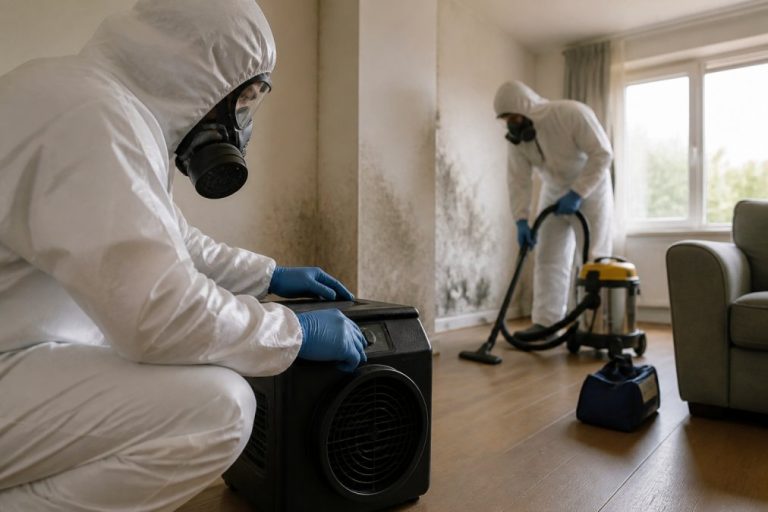
Restoration services cover far more than most people realise when they first face property damage. Professional providers handle everything from structural assessment and emergency response to deep decontamination and full property rehabilitation. Modern restoration services include disaster recovery, specialist cleaning (biohazard remediation, sewage cleanup, decomposition cleaning), conservation work, and full refurbishment.
What separates professional restoration from basic cleaning is the assessment phase. A qualified restoration contractor evaluates structural integrity, identifies hidden moisture or contamination, determines what can be salvaged, and creates a detailed remediation plan before work begins. This prevents secondary damage, the slow deterioration that happens when wet materials aren’t properly dried or contaminated surfaces aren’t fully decontaminated.
Restoration services combine emergency response, specialist cleaning, structural repair, and full property rehabilitation. The best providers assess each property individually and tailor their approach to the specific damage type and building requirements.
How to Prepare Your Property for Flood Restoration
Preparation before professional restoration arrives can significantly reduce overall damage and speed up recovery. First, ensure safety: switch off electricity at the mains if water has reached electrical sockets or appliances, and stay out of affected areas until professionals confirm the space is safe. Contact a restoration services provider immediately, waiting even 24 hours allows mould growth and structural deterioration to begin.
Document everything before cleanup begins. Take photographs and videos of all damaged areas, belongings, and structural damage. This evidence is essential for insurance claims and helps the restoration team understand the full scope of work. Make a list of items that were in the affected space, including approximate values where possible.
Remove items that can be salvaged from wet areas only if it’s safe to do so. Porous materials like carpets, soft furnishings, and drywall absorb water and become breeding grounds for mould within hours. Don’t attempt to clean or dry items yourself; professionals have specialist equipment that prevent further damage.
Prepare access for the restoration team. Clear pathways to affected areas, move vehicles from the driveway if equipment needs to be brought in, and ensure someone is available to unlock doors and answer questions about the property’s layout and systems.
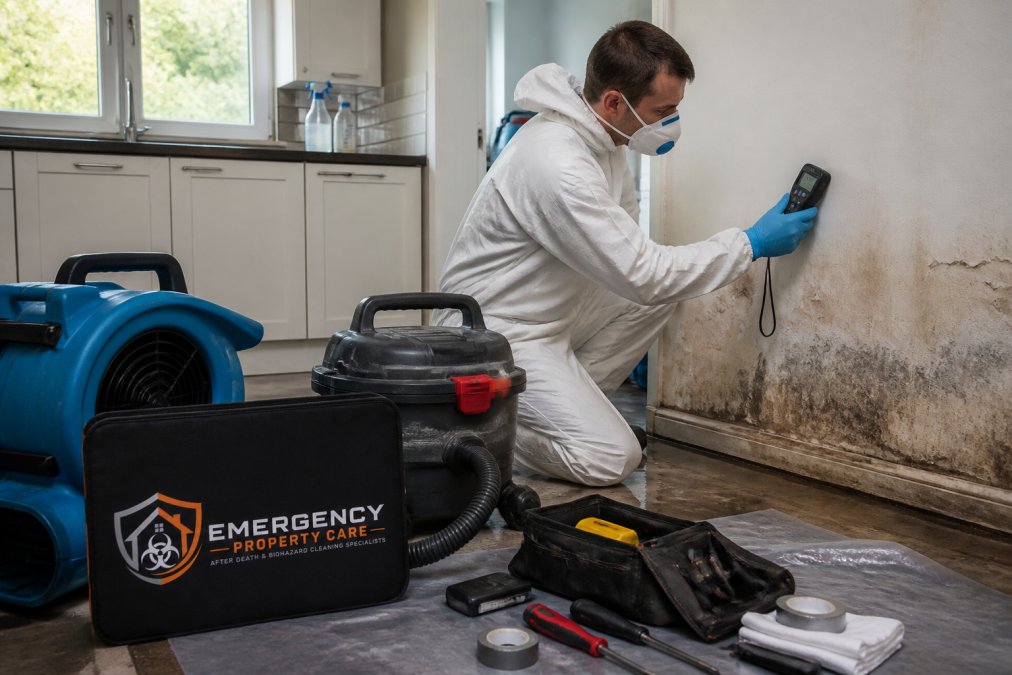
Do not attempt DIY drying or cleaning after significant water damage. Improper drying creates hidden moisture pockets where mould develops within 48 hours. Professional-grade dehumidifiers, air movers, and moisture detection equipment are essential.
What to Do After a Flood in Your Home: Immediate Steps
The first hours after a flood determine whether damage remains contained or spreads throughout your property. Your immediate priority is safety, followed by emergency response activation, then documentation and prevention of secondary damage.
Step 1: Ensure Safety (First 30 minutes)
Turn off the electricity supply at the main breaker if water has entered the property. Do not touch electrical appliances, switches, or outlets if they’re wet or in flooded areas. If gas is present, shut off the supply at the meter and leave the building if you smell gas.
Step 2: Contact Emergency Restoration Services (Within 1 hour)
Call a 24/7 emergency restoration provider immediately. The difference between a property that recovers fully and one that suffers permanent damage often comes down to response time. Professional teams can begin water extraction, assess structural damage, and prevent mould growth if they arrive within the first few hours. Flood Damage Cleaning and Drying services are specifically equipped to handle rapid water removal and dehumidification before secondary damage takes hold.
Step 3: Document Damage (Simultaneously with Step 2)
While waiting for professionals, photograph and video all visible damage. Capture wide shots showing the extent of flooding, close-ups of damaged items, and details of water lines on walls and furniture. This documentation is critical for insurance claims.
Step 4: Prevent Secondary Damage (Before professionals arrive)
Open windows and doors to increase air circulation if weather permits. Do not use fans to blow air around, as this can spread mould spores and contamination. Remove standing water only if it’s safe to do so.
Step 5: Gather Information for the Restoration Team
Have ready: your insurance policy number and contact details, a description of what happened and when, information about water source (clean water from burst pipes versus contaminated water from flooding), and a list of areas affected.
| Immediate Action | Timing | Why It Matters |
|---|---|---|
| Switch off electricity | First 10 minutes | Prevents electrical hazards and equipment damage |
| Call emergency restoration | Within 1 hour | Rapid response prevents mould and structural damage |
| Document all damage | While waiting | Supports insurance claims and professional assessment |
| Prevent secondary damage | Before professionals arrive | Stops contamination spread and hidden moisture buildup |
| Gather property information | Before assessment begins | Helps team plan efficient, targeted remediation |
Keep your insurance company’s emergency contact number and your policy details easily accessible. Many policies cover emergency restoration costs, and insurers often work directly with approved providers. Informing your insurer immediately can speed up claim approval.
After-Death Cleaning Services: Standards and Support
After-death cleaning is one of the most sensitive restoration services, requiring both technical expertise and genuine compassion. After Death Cleaning services address biohazard decontamination following an unattended death, ensuring the property is safe and the family is supported through an extremely difficult time.
Professional after-death cleaning involves safe removal of biohazard materials, full decontamination of affected areas using specialist disinfectants and equipment, disposal of contaminated materials in compliance with environmental regulations, and restoration of the property to a hygienic, usable state. Technicians must be trained in biohazard handling, wear appropriate personal protective equipment, and follow strict decontamination protocols.
Families often worry about cost and whether their insurance will cover these services. While standard home insurance typically doesn’t cover after-death cleaning, some policies include accidental death provisions. Local authorities and social services sometimes fund these services for vulnerable individuals, and some funeral directors have partnerships with specialist providers. Professional providers work directly with families, local authorities, and insurance companies to clarify what’s covered and arrange payment in a way that doesn’t add financial stress during grief.
The emotional support aspect matters as much as the technical work. Families shouldn’t have to see or manage the aftermath themselves. Professional after-death cleaning services handle everything discreetly, respecting the dignity of the deceased and giving families space to grieve.
Families dealing with an unattended death, local authorities managing council housing, and funeral directors needing reliable partners for property restoration after death.
Fire and Flood Damage Restoration: What to Expect
Fire and flood damage restoration follow similar emergency response protocols but require different technical expertise. Both demand rapid professional intervention, but the contamination types, structural risks, and remediation approaches differ significantly.
Flood Damage Restoration Process
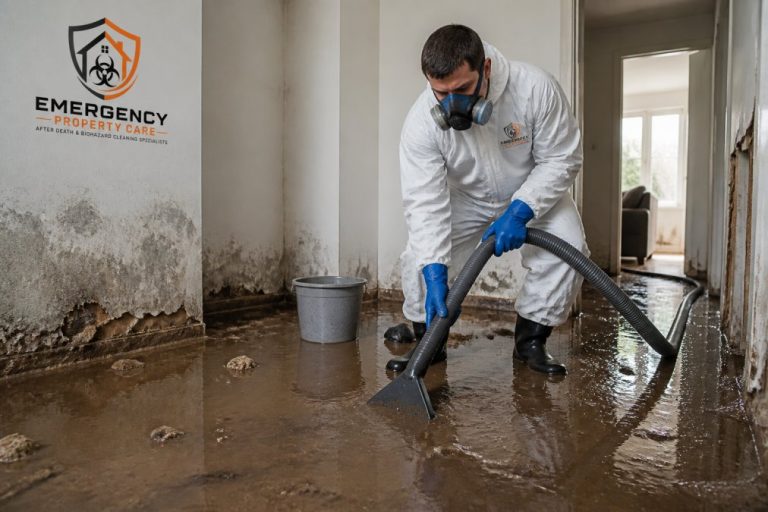
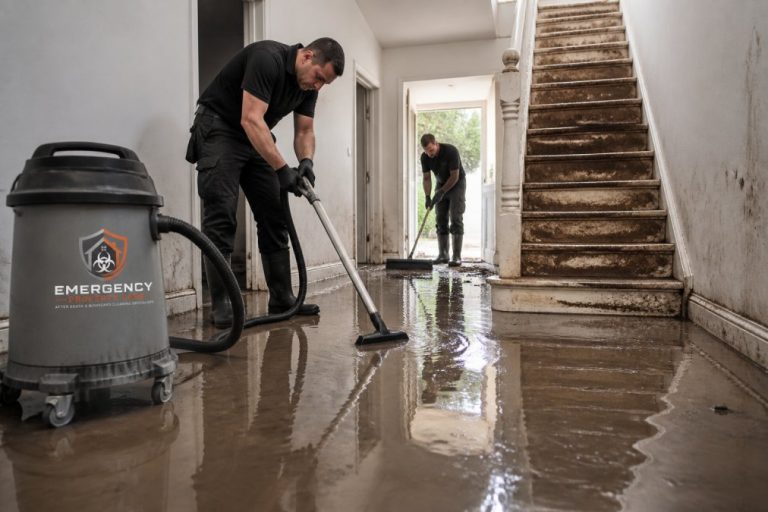
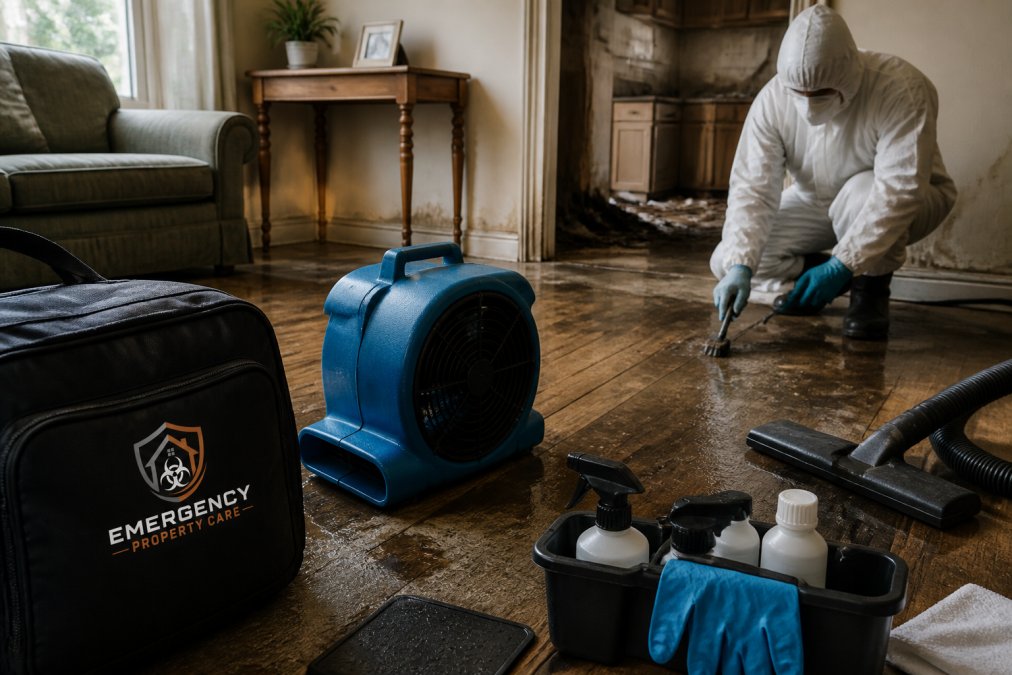
Flood restoration begins with water extraction, removing standing water using industrial pumps and wet vacuums. This is followed by dehumidification and drying, which can take days or weeks depending on saturation extent. Moisture detection equipment identifies hidden water in walls, floors, and cavities. Affected materials are assessed for salvageability; porous materials like drywall, insulation, and carpets are usually removed if saturated, while hard surfaces may be cleaned and dried. The contamination level depends on water source: clean water from burst pipes requires basic drying and disinfection, while flood water from rivers or sewage systems requires full biohazard decontamination.
Fire Damage Restoration Process
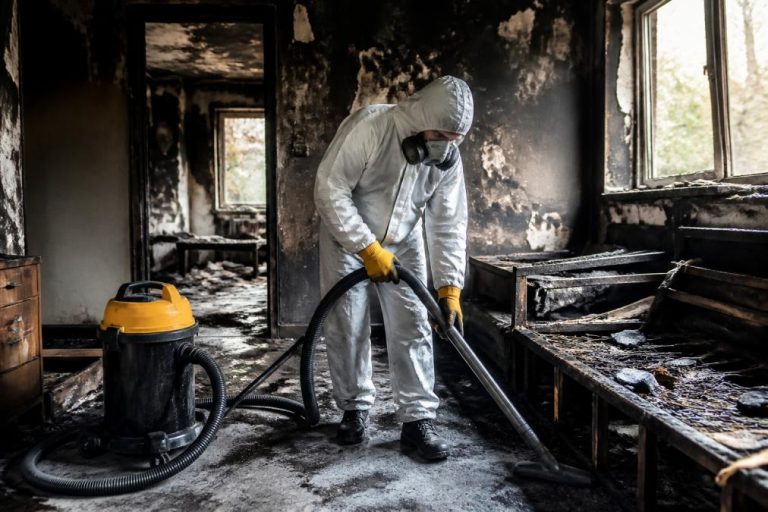
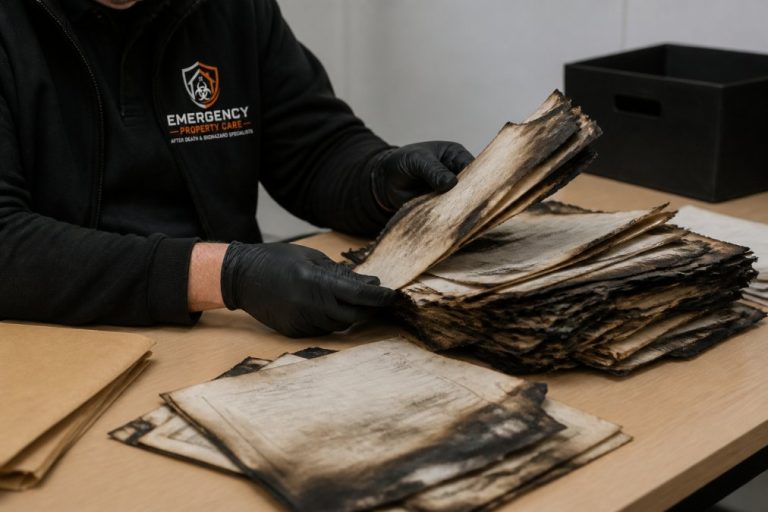
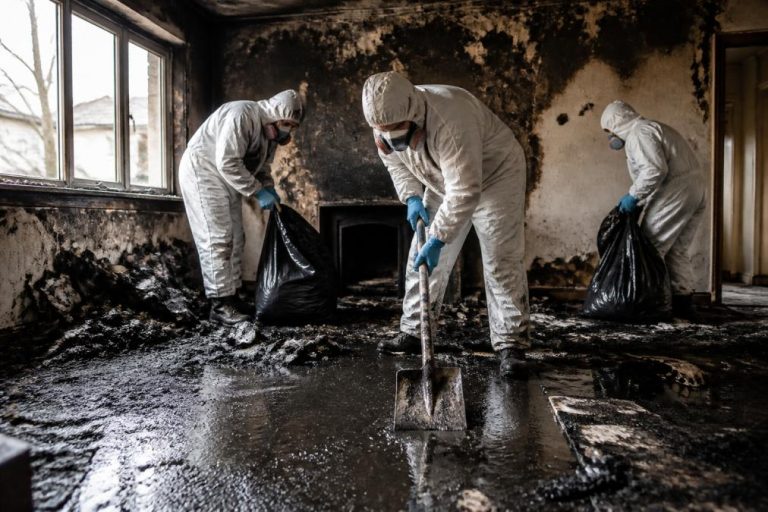
Fire damage restoration addresses burnt materials, smoke damage, heat damage, and soot contamination. Smoke penetrates deep into walls, fabrics, and HVAC systems, creating persistent odours and health hazards if not properly remediated. Fire restoration includes structural stabilisation, removal of charred and unsalvageable materials, deep cleaning of soot and smoke damage, odour remediation using specialist equipment, and full refurbishment of affected areas.
Both flood and fire damage restoration require structural integrity assessment before work begins. Professionals determine what’s safe to enter, what structural repairs are needed before cleaning can proceed, and what areas need specialist containment to prevent contamination spread.
Do not attempt to clean fire or flood damage yourself. Soot contains toxic compounds, flood water often carries sewage and chemicals, and both create health hazards. Professional restoration teams have equipment, training, and insurance to handle these hazards safely.
Choosing a Restoration Services Provider: Key Qualifications
The right restoration services provider makes the difference between a property that recovers fully and one that suffers permanent damage or health hazards. Key qualifications separate competent professionals from inexperienced operators.
24/7 Emergency Availability
Genuine 24/7 availability means technicians arrive within hours, not days.
Certifications and Insurance
Technicians should hold relevant certifications in biohazard handling, water damage restoration, or fire damage remediation depending on their specialisation. Insurance is non-negotiable; the provider must carry public liability insurance, professional indemnity insurance, and employers’ liability insurance. Ask to see certificates; legitimate providers have them readily available.
Specialist Equipment and Facilities
Professional restoration requires industrial-grade dehumidifiers, air movers, moisture detection equipment, climate-controlled drying facilities, and specialist cleaning agents. Providers using basic household equipment cannot achieve the standards needed for proper remediation.
Experience with Your Specific Damage Type
A provider excellent at flood restoration may lack expertise in fire damage or biohazard cleanup. Ask about their experience with your specific situation, request references from similar jobs, and clarify what they’ll handle in-house versus subcontracting to specialists.
Insurance Claim Support
The provider should understand how insurance claims work and be willing to work directly with your insurer. This includes providing detailed quotes, progress reports, and documentation that supports your claim.
Communication and Transparency
From initial assessment through project completion, you should understand what’s happening, why, and what it will cost. A professional provider takes time to explain the situation, answer concerns, and give you confidence in their approach.
| Qualification | What to Look For | Why It Matters |
|---|---|---|
| 24/7 Availability | Local response teams, documented response times | Rapid response prevents secondary damage |
| Certifications | Verifiable training in relevant restoration types | Ensures technicians follow proper protocols |
| Insurance | Public liability, professional indemnity, employers’ liability | Protects you if something goes wrong |
| Specialist Equipment | Industrial dehumidifiers, moisture detection, climate control | Professional-grade results that household equipment cannot achieve |
| Specific Experience | References from similar jobs, in-house expertise | Reduces risk of mistakes or substandard work |
| Insurance Support | Direct communication with insurers, detailed documentation | Simplifies claims and reduces your burden |
Insurance Claims and Emergency Response: Working Together
The relationship between emergency response and insurance claims often determines whether you recover fully or face gaps in coverage. Understanding how these work together prevents costly delays and disputes.
Notify Your Insurer Immediately
Contact your insurance company as soon as the emergency is under control and you’ve secured professional help. Most policies require prompt notification; delaying this can give insurers grounds to deny claims. Provide a clear description of what happened, when, and what you’ve done so far. Ask about emergency restoration coverage and whether your policy covers specific services like after-death cleaning or biohazard decontamination.
Request a Loss Adjuster
For significant damage, your insurer will appoint a loss adjuster to assess the claim and determine what’s covered. This person becomes your liaison between the insurance company and restoration provider. Brief them on what you’ve arranged, provide copies of quotes and assessments, and keep them updated on progress.
Choose a Provider Who Works With Insurers
The best restoration providers have established relationships with insurance companies and understand claim requirements. They know what documentation insurers need, they can provide detailed reports that support claims, and they’re experienced in navigating disputes over scope and cost.
Document Everything
Keep copies of all quotes, invoices, receipts, photographs, and correspondence. Insurance claims require evidence; the more organised your documentation, the faster your claim processes.
Understand What’s Covered
Standard home insurance covers some restoration costs but not others. Flood damage may have specific exclusions or require separate flood cover. Biohazard cleanup is rarely covered under standard policies. Ask your insurer specifically what’s included before authorising work.
Negotiate Scope and Cost Upfront
Before restoration begins, confirm with your insurer what they’ll cover and get written approval for the scope of work. If the restoration provider identifies additional damage that wasn’t in the initial quote, inform your insurer and seek approval for the additional cost before proceeding.
Keep your insurer’s claims contact details, policy number, and claim reference number easily accessible. When communicating with the restoration provider, mention your claim reference; this helps them liaise directly with your insurer if needed, speeding up approvals and payment.
Facing property damage is overwhelming, and the pressure to make quick decisions often comes at the worst time. The best restoration services providers understand this and take the burden off you, handling the technical work, managing insurance communication, and guiding you through recovery. Professional restoration expertise across flood, fire, and biohazard services means you get the right help when you need it most. Get in touch now for immediate support or a free assessment of your property’s restoration needs.
Frequently Asked Questions
How quickly can restoration services respond to a flood or fire emergency?
Professional restoration services operate 24/7 emergency response teams, with technicians typically arriving within hours of your call, even on weekends and bank holidays. Response time depends on your location and current call volume. The sooner you contact a specialist, the faster they can assess structural integrity, begin water extraction, and prevent further damage. Delays increase the risk of mould growth and secondary damage, making immediate contact essential.
What qualifications and insurance should a professional restoration company hold?
Look for fully insured technicians with relevant certifications in disaster recovery, biohazard decontamination, or building conservation. Specialists handling flood damage or fire remediation should have public liability insurance and employers’ liability cover. Ask to see proof of insurance before work begins. Reputable providers can also advise on compliance with building regulations and work with loss adjusters to support insurance claims.
Are restoration services covered by buildings insurance?
Most buildings insurance policies cover emergency restoration following flood, fire, or other insured events. Coverage depends on your specific policy terms and the cause of damage. Contact your insurer immediately after an incident. Many restoration specialists work directly with insurance companies and loss adjusters, which streamlines the claims process. Your provider should be able to discuss how they support insurance documentation and assessment.
What’s the difference between standard cleaning and biohazard or trauma restoration?
Standard cleaning removes dirt and everyday contaminants. Biohazard and trauma restoration involves specialist decontamination of areas affected by bodily fluids, sewage, or hazardous materials. These services require trained technicians, specialist equipment, and strict compliance with health and safety regulations. After-death cleaning, for example, uses specific decontamination protocols to ensure safe restoration of the property. Only trained specialists should handle these situations.
Do restoration services work with landlords and commercial properties, or mainly homeowners?
Professional restoration services support homeowners, landlords, businesses, and local authorities. Whether you’re dealing with sewage backup in a rental property, fire damage at a commercial site, or flood restoration after a domestic incident, specialist providers offer tailored solutions for both residential and commercial sectors. Services are designed to restore properties to safe, usable condition and support compliance with health and safety requirements.
This article was written using GrandRanker

TrustedCare Editorial Team publishes UK guidance on specialist cleaning and biohazard remediation, including after-death cleaning, flood restoration and contamination control. Content is written for homeowners, landlords and housing providers seeking clear, practical information.