Does Insurance Cover Fire Restoration? A 2026 Guide
Does Insurance Cover Fire Restoration?
Many UK policies may cover eligible fire, smoke, soot and restoration costs—but cover is never automatic. Here is how to protect the claim and get the right work assessed.
- Fully Insured
- Insurance Claims Welcome
- Domestic & Commercial
- Nationwide Coverage
The short answer
Many buildings, contents, landlord and commercial policies include cover for damage caused by fire. Depending on the policy and accepted claim, this may extend to smoke and soot cleaning, odour treatment, debris removal, firefighting-water damage, repairs and temporary accommodation.
However, only the insurer can confirm cover. The decision depends on the policy wording, insured property, cause, exclusions, excess, limits, evidence and work authorised. A contractor cannot guarantee that an invoice will be reimbursed.
TrustedCare can assess the cleaning requirements, prepare a clear quotation and explain the proposed fire and smoke cleaning scope. We do not decide insurance liability or replace a loss adjuster, structural engineer, electrician or Gas Safe registered engineer.
What fire-restoration costs may insurance cover?
“Fire restoration” is a broad description. An insurer may divide the loss into separate areas such as emergency safety work, building repairs, contents, specialist cleaning, drying and alternative accommodation. These areas can also be subject to different limits, excesses and approvals.
Buildings cover
May respond to insured damage involving the structure and permanent fixtures, including walls, floors, roof, fitted kitchens and bathrooms.
Contents cover
May cover eligible belongings such as furniture, clothing and appliances, subject to limits, proof of ownership and the policy’s settlement basis.
Landlord or commercial cover
May include building, landlord contents, stock, equipment, loss of rent or business interruption, but only where those sections were purchased.
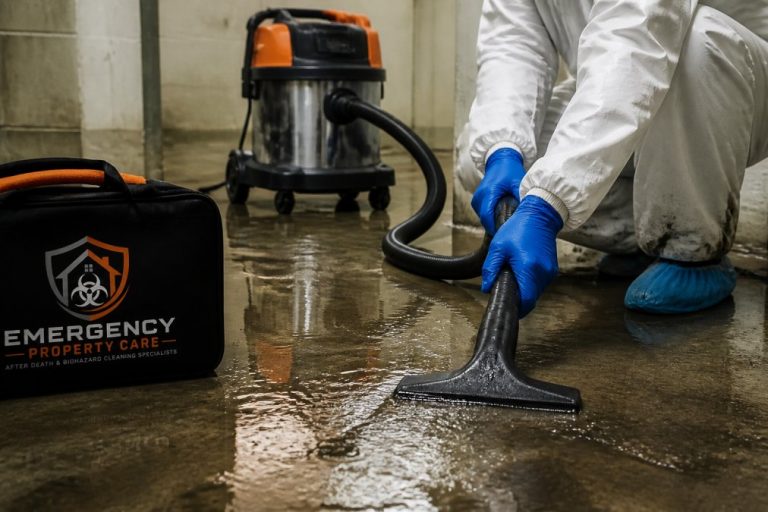
Eligible work may include emergency boarding or security, smoke-residue and soot cleaning, fire-related odour treatment, agreed waste removal, water extraction, structural drying, repair and reinstatement. It can also include professional assessments where the policy or insurer accepts them.
Buildings and contents insurance are separate. In a rented or leasehold property, a landlord, tenant, freeholder and managing agent may have different policies and responsibilities. Start by identifying which property and costs belong to which policy.
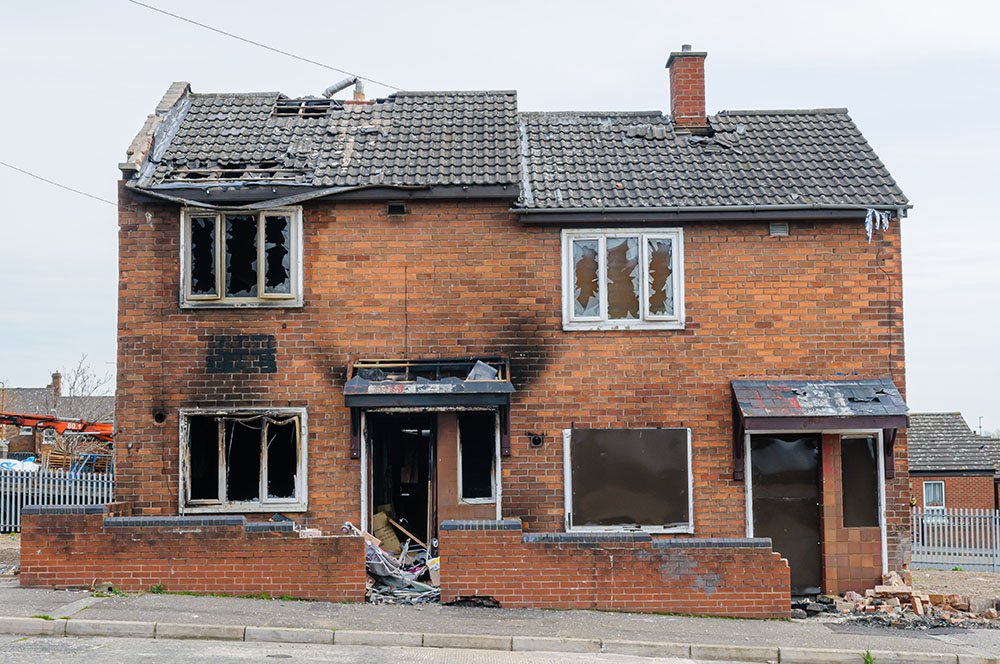
Fire damage can involve structural concerns, smoke residues, contents, utilities and firefighting water—not cleaning alone.
What should you do immediately after a fire?
- Protect people first. Call 999 for an active fire or immediate danger. Follow Fire and Rescue Service instructions and do not re-enter a restricted or unsafe property.
- Notify the insurer promptly. Use the claims or emergency number shown in the policy. Obtain a claim reference and the handler’s contact details.
- Ask what emergency work is authorised. Confirm whether boarding, security, water extraction or other damage-limitation work can proceed before an inspection.
- Record damage only where safe. Take wide and close photographs or video without entering an unsafe area or disturbing the suspected fire origin.
- Retain significant damaged items. Do not throw belongings or building materials away until the insurer or loss adjuster advises, unless immediate safety makes removal necessary.
- Keep every record. Save emails, photographs, quotations, invoices and receipts for emergency spending. Note the date, time, name and outcome of every claim conversation.
There is no universal notification deadline that applies to every home-insurance policy. Report the incident as soon as reasonably possible and follow the specific conditions in your documents. Our step-by-step fire-damage documentation guide explains what to record without putting yourself at risk.
How does a fire-damage insurance claim work?
1. The insurer reviews the incident
The insurer records the claim and may ask for the fire reference, cause if known, property details, occupancy, photographs and an initial description of the loss. A complex or high-value claim may be referred to a loss adjuster or specialist investigator.
2. Safety and damage are assessed
The property may require separate structural, electrical, gas, asbestos, drying and cleaning assessments. Fire and Rescue Service permission to enter does not necessarily confirm that every part of the building or every utility is safe for work or occupation.
3. A scope of work is prepared
The scope should distinguish between cleaning, removal, contents handling, drying, building repairs and reinstatement. It should identify affected areas and important exclusions. Ask who can approve additional damage discovered after work begins.
4. The insurer confirms the settlement route
The insurer may appoint its own contractor, approve a policyholder’s contractor or offer a cash settlement. Do not assume that instructing work yourself guarantees reimbursement. Where possible, obtain written authorisation for the proposed scope and price before non-emergency work starts.
5. Work and evidence are recorded
Keep progress photographs, agreed variations, waste records, moisture readings where drying is involved, invoices and completion information. Cleaning completion does not replace any structural or utility sign-off required for reoccupation.
For a wider claim checklist, see our main fire-damage insurance claims guide. You can also read how restoration contractors work with insurers.
Policy limits and exclusions to check
Every decision must be based on the actual policy. An exclusion affecting the cause of the fire may not always have the same effect on every part of a claim, so do not accept a verbal summary as a substitute for a written decision.
| Policy point | What to check | Why it matters |
|---|---|---|
| Cause and exclusions | Fire, deliberate acts, illegal activity, faulty workmanship and other stated exclusions | The policy wording and facts determine whether an exclusion applies |
| Sum insured | Building rebuild cost and contents limit | Insufficient cover may restrict the amount available |
| Excess | Each applicable policy excess | The policyholder normally pays this part of an accepted claim |
| Occupancy | Unoccupied-property conditions and notification requirements | Long absences can change cover or impose precautions |
| High-value items | Single-item limits and specified possessions | General contents cover may not meet the full value |
| Alternative accommodation | Eligibility, spending limit, duration and approval process | Do not commit to costly accommodation without checking |
| Business losses | Stock, equipment, increased costs and business interruption | These require the relevant commercial cover |
If the insurer declines the claim or disputes the scope, ask for the decision and relied-upon policy wording in writing. Use the insurer’s complaints process first. If the complaint remains unresolved, the Financial Ombudsman Service’s home-insurance guidance explains when it may be able to consider the complaint.
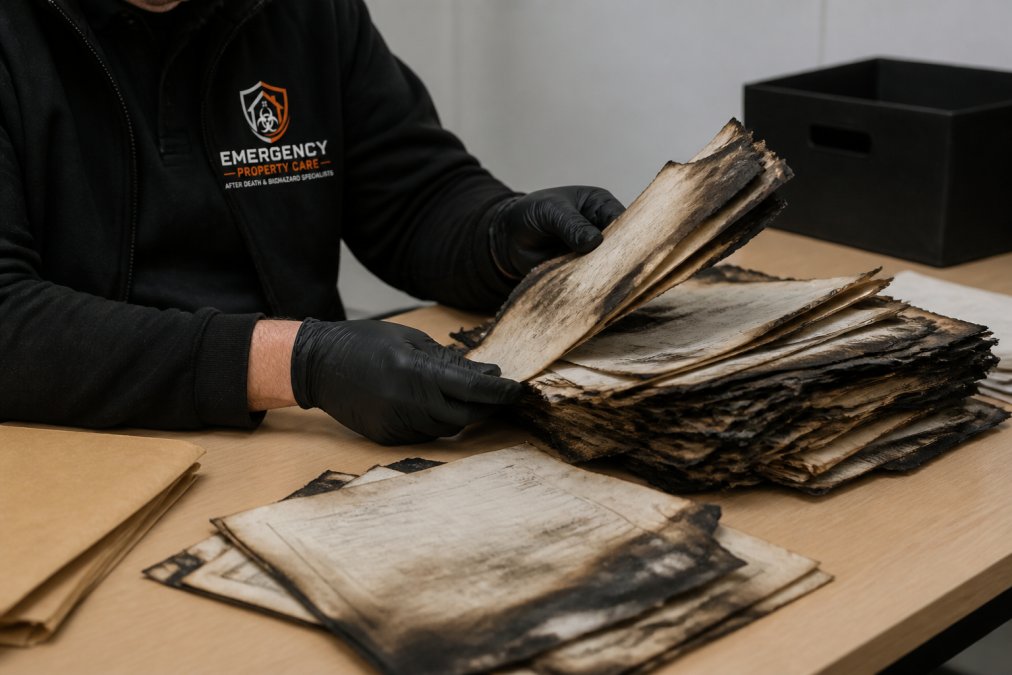
Clear photographs, inventories and written approvals help the insurer understand the loss and the proposed work.
Does insurance cover temporary accommodation?
Many buildings and contents policies provide some alternative-accommodation cover when insured damage makes the home uninhabitable. The trigger, limit and duration vary. Some policies cover only reasonable additional costs, and approval may be required before booking.
Ask the insurer to confirm:
- Which household members and pets are included
- The maximum amount or percentage limit
- Whether hotels, short-term rentals, storage or kennelling are covered
- Who books and pays the provider
- Which receipts and evidence are required
- How the insurer will review whether the home remains uninhabitable
Do not base reoccupation on the disappearance of smoke smell alone. The decision can depend on structural condition, safe utilities, escape routes, remaining residues, water damage, essential facilities and completed repair work. Obtain the relevant advice and approvals before anyone returns to the property.
Fire-damage cleaning is not the whole restoration
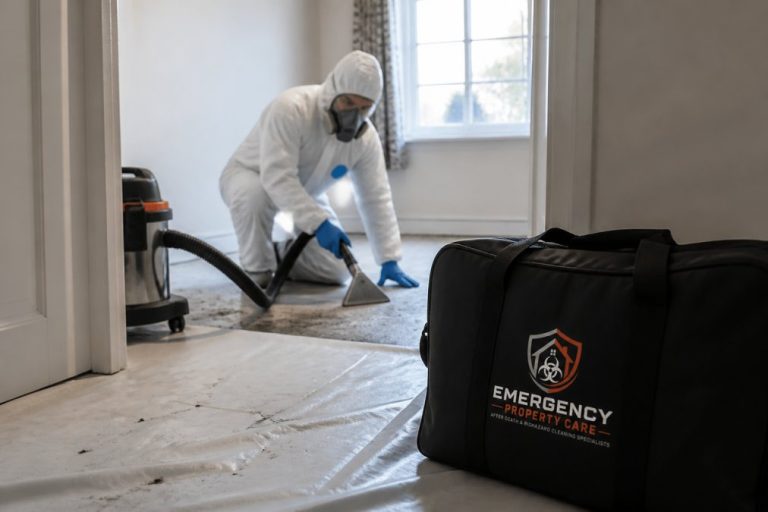
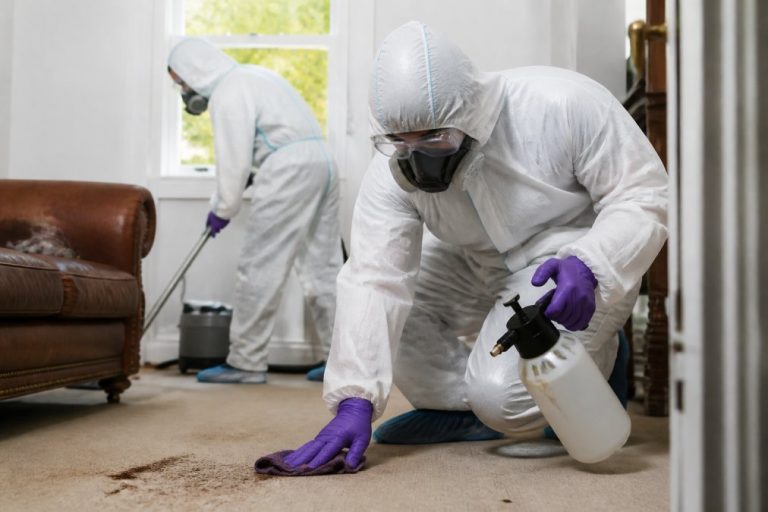
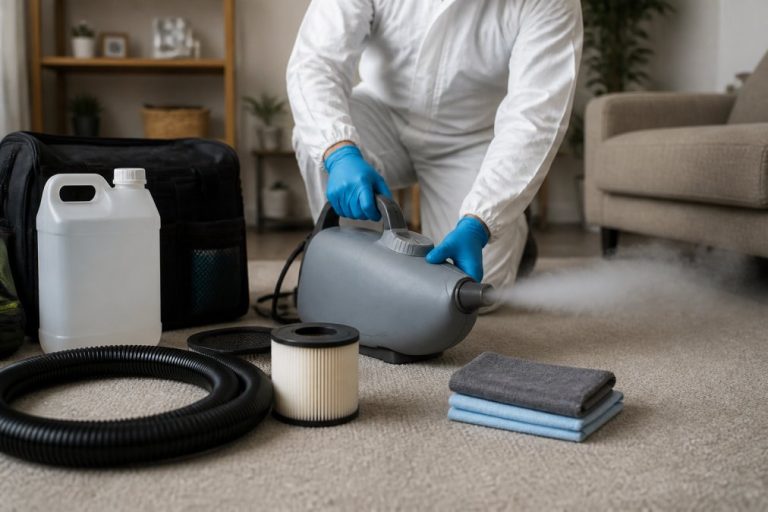
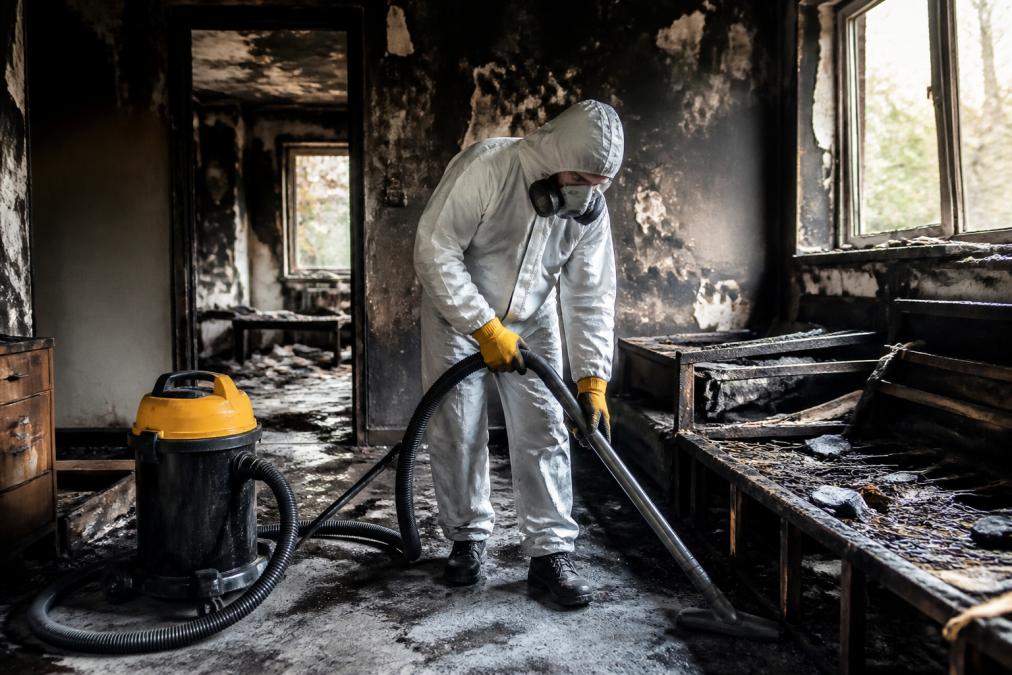
Cleaning focuses on appropriate removal of soot, smoke residue, odour sources and affected waste, plus preparation of suitable surfaces or contents for the next stage. Full restoration can also involve structural repairs, roofing, electrical and gas work, drying, joinery, plastering, decoration and reconstruction.
Smoke can travel beyond the room where the fire started. Residues may enter cupboards, soft furnishings, voids and ventilation routes. The treatment must suit the residue and surface: an unsuitable wet-cleaning method can spread soot or set staining, while painting over contamination can trap odour and lead to poor adhesion.
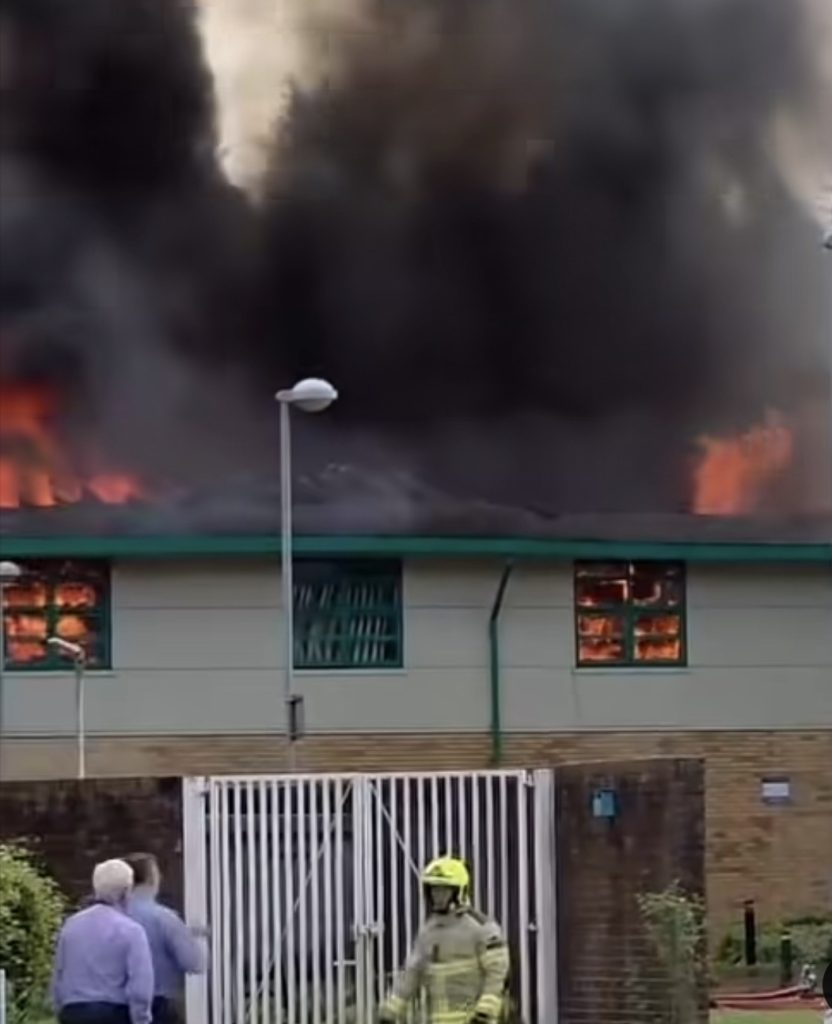
A written cleaning scope should state the affected areas, proposed methods, exclusions and any work needed from other qualified trades.
What affects the restoration timeline?
There is no reliable standard duration. A contained smoke-cleaning job is different from a fire involving structural damage, widespread soot, damaged contents and firefighting water. The main variables are safe access, investigation, insurer approval, specialist reports, drying, material availability, hidden damage and the sequencing of trades.
Delays often occur between assessment and written approval or when the original scope misses smoke, odour, water or concealed damage. Ask who owns each decision and when the next update is due. Our property-restoration guide explains the wider recovery stages.
Questions to ask a contractor
- Does the company have suitable experience with fire, smoke and soot cleaning?
- Is the proposed work itemised clearly enough for the insurer to review?
- How will unaffected areas be protected from transferred soot?
- Which contents or materials may be cleaned and which may require removal?
- What work is excluded, such as structural, electrical, gas or asbestos assessment?
- How will variations and additional damage be authorised?
- What records and completion information will be supplied?
Read about what may be salvageable after a house fire before disposing of affected contents, and view TrustedCare’s fire and smoke damage cleaning service.
Frequently asked questions
Does standard home insurance cover professional fire restoration?
Many buildings and contents policies cover eligible fire damage, but professional cleaning and restoration are subject to the policy wording, cause, exclusions, excess, limits and insurer approval. Ask the insurer to confirm the proposed scope in writing.
Should I contact the insurer before arranging cleaning?
Yes. Notify the insurer promptly and ask what emergency action is authorised, whether an inspection is required and what evidence must be retained. Urgent safety work does not automatically guarantee reimbursement.
Can I choose my own fire-restoration contractor?
You may be able to nominate a contractor, but approval and payment arrangements depend on the policy and insurer. Confirm the quotation, scope and settlement route before instructing non-emergency work.
Does insurance cover smoke odour removal?
It may be considered where smoke residue and odour treatment form part of an accepted fire claim. The insurer must confirm whether the specific work and cost are covered.
Should fire-damaged belongings be thrown away?
Not before they are safely recorded and the insurer or loss adjuster advises, unless they create an immediate safety risk and removal is necessary. Keep an inventory, photographs and any disposal authorisation.
How long does a fire-restoration claim take?
There is no fixed timescale. It depends on the investigation, property condition, evidence, insurer decisions, agreed scope, drying, specialist reports, repairs and contractor availability.
Can TrustedCare confirm whether my insurer will pay?
No. TrustedCare can provide information about the cleaning requirements and quotation, but only the insurer can decide cover and payment under the policy.
Get help with fire, smoke or soot damage
Contact TrustedCare with the property location, affected areas and any insurer or loss-adjuster instructions. We can discuss the cleaning requirements and next practical step.
For an active fire or immediate danger, move to safety and call 999.

TrustedCare Editorial Team publishes UK guidance on specialist cleaning and biohazard remediation, including after-death cleaning, flood restoration and contamination control. Content is written for homeowners, landlords and housing providers seeking clear, practical information.