Emergency Drain Backup Cleaning Pricing: 2026 Guide
UK Drain Backup & Sewage-Cleanup Guide
Emergency Drain Backup Cleaning Pricing
Understand the difference between drain unblocking and sewage cleanup, the costs that may be involved and what a professional quotation should include.
Emergency flood, sewage and structural-drying assistance across England, Scotland and Wales
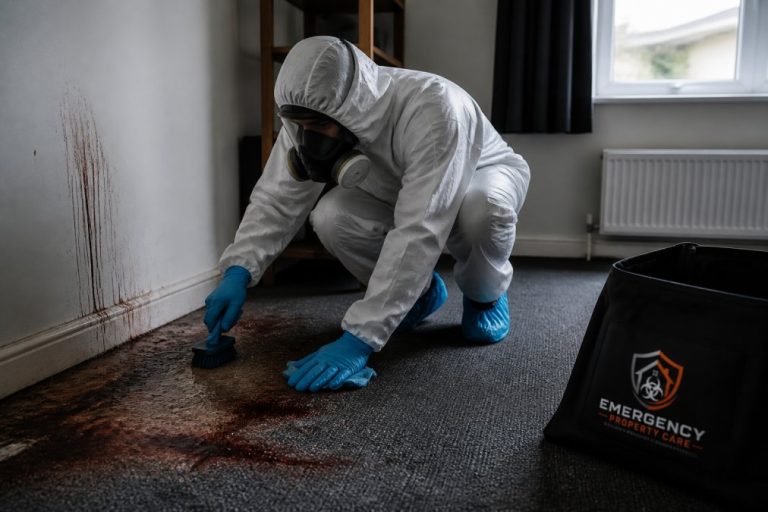
Emergency drain-backup cleaning can involve two separate services: clearing or repairing the blocked drainage system and cleaning the sewage-contaminated areas inside the property. A drainage quotation may not include extraction, decontamination, removal of damaged materials or structural drying.
The amount you pay depends on the source, extent of contamination, affected materials, access, waste, drying requirements and whether attendance is required outside normal working hours.
Keep children, pets and unprotected occupants away from sewage-contaminated areas. Do not enter standing water where electrical equipment, sockets or damaged wiring may be present.
Emergency Drain-Backup Cleaning Price Ranges
The following figures are broad planning ranges for contamination cleanup. They are not fixed prices and do not automatically include drain clearance, pipe repairs, replacement flooring or building reinstatement.
Contained incident
£300–£1,500
A smaller affected area involving accessible hard surfaces and limited contaminated material.
Moderate contamination
£1,500–£4,000
Several affected surfaces, porous materials, controlled removal and structural drying.
Severe or widespread
£4,000–£10,000+
Several rooms, concealed contamination, extensive strip-out, waste and longer drying requirements.
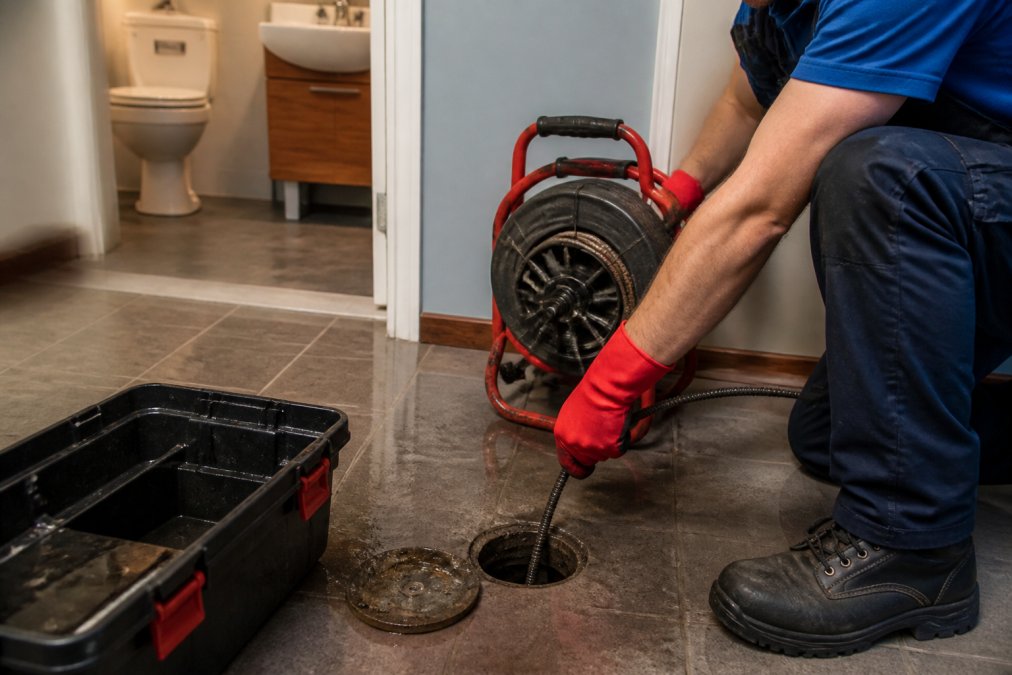
The drainage contractor may charge separately for attendance, unblocking, jetting, CCTV inspection or pipe repairs. Always ask whether the quoted figure covers only the drainage fault or also the contamination inside the property.
A telephone estimate may help with initial planning, but a confirmed quotation normally requires enough information to define the affected area, materials, access and work required.
Drain Clearance Is Not the Same as Sewage Cleanup
| Drainage work | Sewage-cleanup work |
|---|---|
| Locating the blockage | Assessing the contaminated area |
| Rodding or high-pressure jetting | Extracting contaminated wastewater |
| CCTV drain inspection | Removing unsalvageable porous materials |
| Repairing damaged pipework | Cleaning and decontaminating surfaces |
| Preventing further wastewater entry | Drying the structure and monitoring moisture |
Some companies provide both services, while others complete only the drain clearance. Clarify who is responsible for cleaning the interior after the blockage has been resolved.
What Changes the Final Price?
Extent of contamination
A backup contained to a small tiled area will normally require less work than sewage spreading through carpets, hallways, wall cavities or several rooms.
Materials affected
Sound, non-porous surfaces may be suitable for cleaning and treatment. Materials such as carpet, underlay, plasterboard, insulation and chipboard can absorb contaminated water and may require controlled removal.
Time before discovery
Contamination that remains undiscovered can spread into adjacent materials and concealed spaces. Delayed extraction can also increase the drying requirement.
Access
Basements, cellars, flats, narrow stairways, limited parking and shared entrances can increase labour and equipment-handling time.
Waste removal
Contaminated flooring, furniture and building materials must be contained, transported and disposed of through an appropriate route. Waste charges should be identified within the quotation.
Structural drying
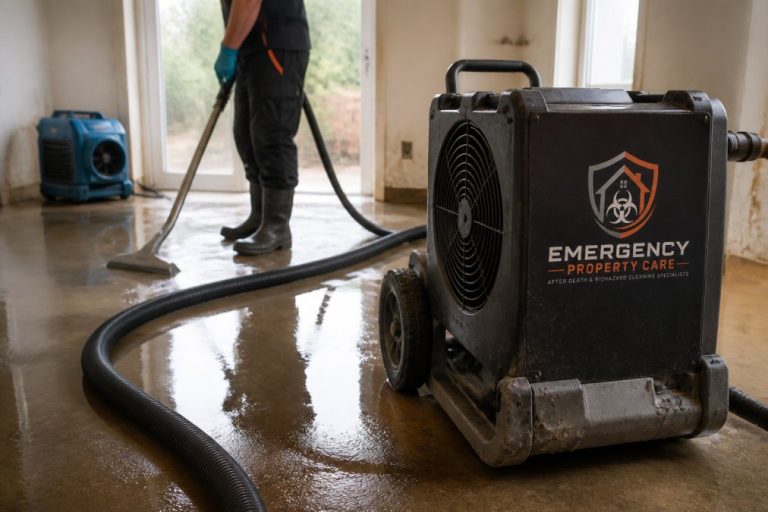
Removing visible wastewater does not confirm that floors, walls and cavities are dry. Dehumidification, airflow management and moisture monitoring can extend the project but may be necessary to prevent continuing dampness.
Out-of-hours attendance
Evening, weekend and bank-holiday attendance may cost more. Ask whether the surcharge applies only to attendance or also to every hour worked.
What Should an Emergency Cleanup Quotation Include?
Compare the scope rather than choosing only by the headline total. Ask the provider to confirm:
- Attendance: the call-out charge and any out-of-hours surcharge.
- Drainage work: whether unblocking, jetting, CCTV inspection or repairs are included.
- Affected areas: the rooms, floors, walls and contents included in the cleanup.
- Extraction: whether standing sewage and contaminated water will be removed.
- Material removal: which carpets, underlay, plasterboard or other materials are included.
- Cleaning: how visible contamination will be removed.
- Decontamination: which remaining surfaces will receive treatment.
- Waste: whether packaging, transport and disposal are included.
- Drying: which equipment, monitoring visits and electricity assumptions are included.
- Documentation: photographs, moisture records and completion information.
- Exclusions: pipe repairs, replacement flooring, decorating or reinstatement.
- Total payable: whether VAT and all expected charges are included.
A fixed price protects you only when the scope is clearly defined. Ask how hidden contamination or additional work will be reported and authorised before it proceeds.
Need a Drain-Backup or Sewage-Cleanup Assessment?
TrustedCare provides emergency assistance for wastewater extraction, contamination cleanup and structural drying in residential and commercial properties.
The Professional Sewage-Cleanup Process
1. Stop or control the source
The blocked or damaged drainage system must be cleared or isolated. Cleaning while wastewater continues entering the property will provide only temporary results.
2. Assessment and containment
The affected rooms, materials, contents and possible concealed contamination are recorded. Access is controlled to reduce cross-contamination into clean areas.
3. Wastewater extraction
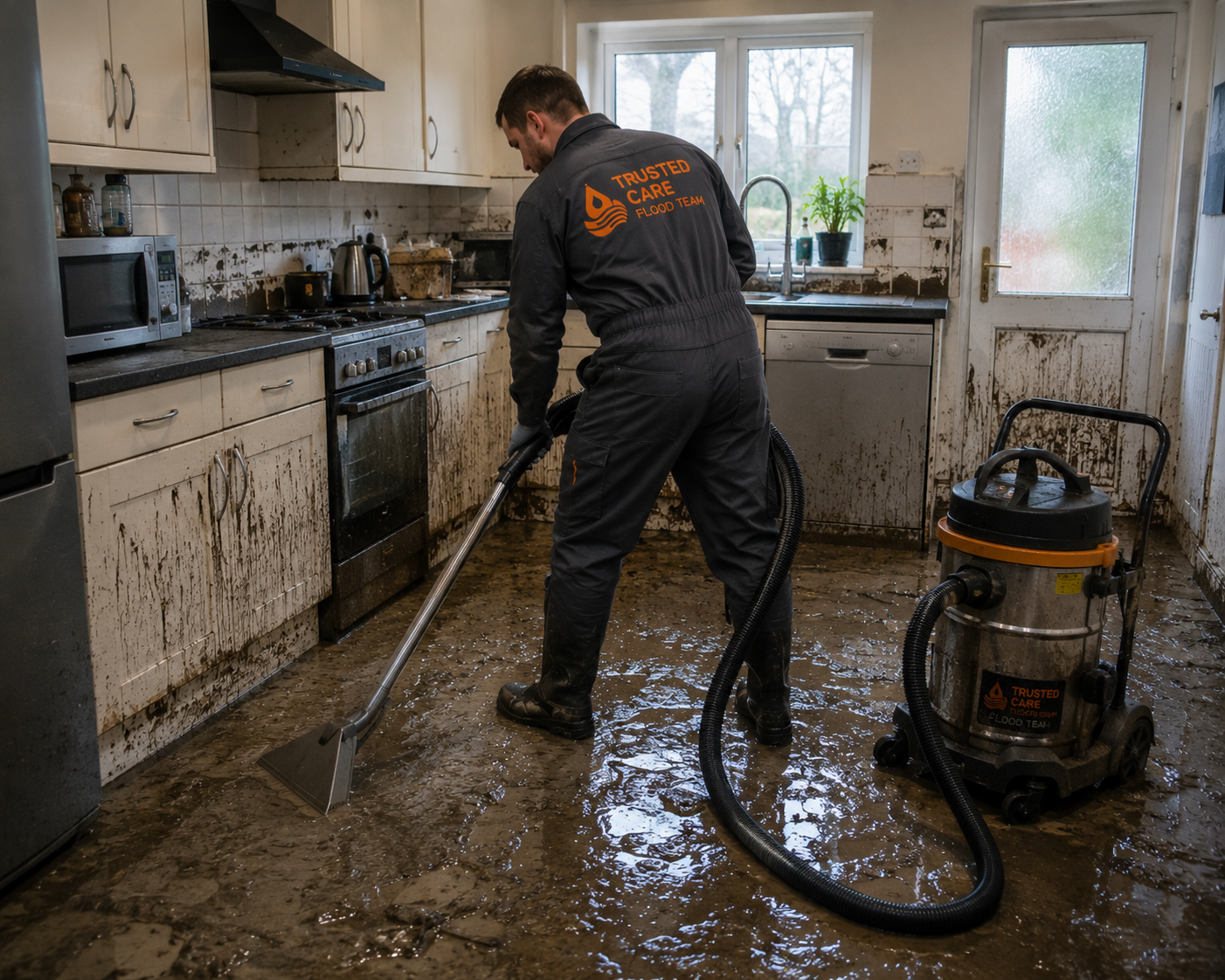
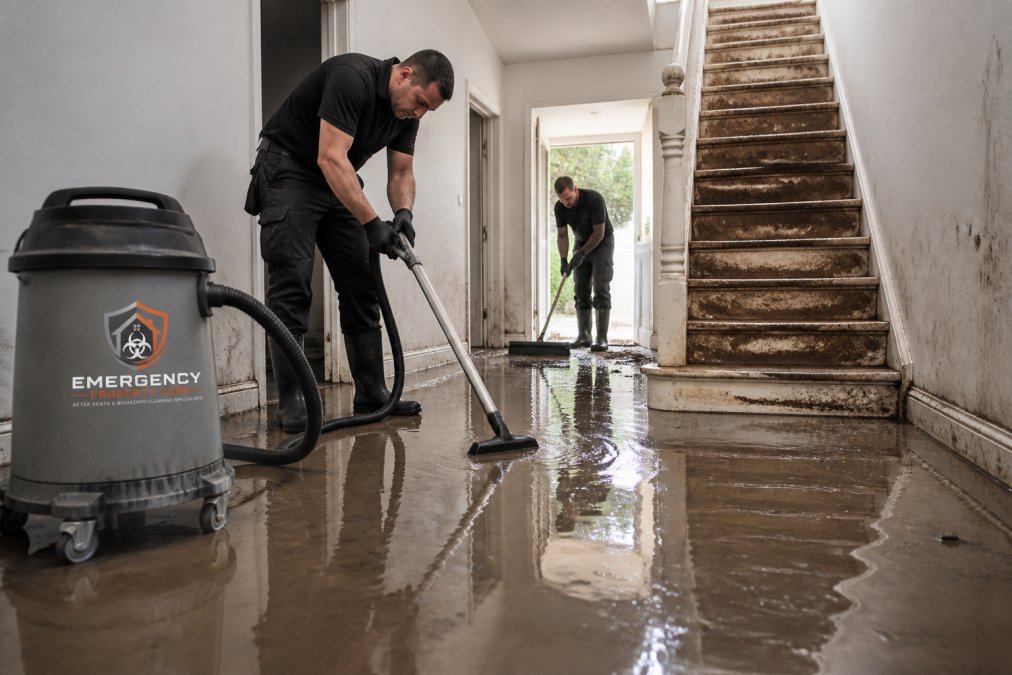
Standing wastewater is removed using equipment suitable for contaminated water. This stage removes the bulk liquid but does not complete the cleaning.
4. Controlled removal
Porous materials that cannot be reliably restored may require removal. Decisions should be based on contamination, material type, exposure time and the agreed scope.
5. Cleaning and decontamination
Visible organic material and surface contamination must be removed before the remaining surfaces receive appropriate treatment. Cleaning and decontamination are related but separate stages.
6. Structural drying
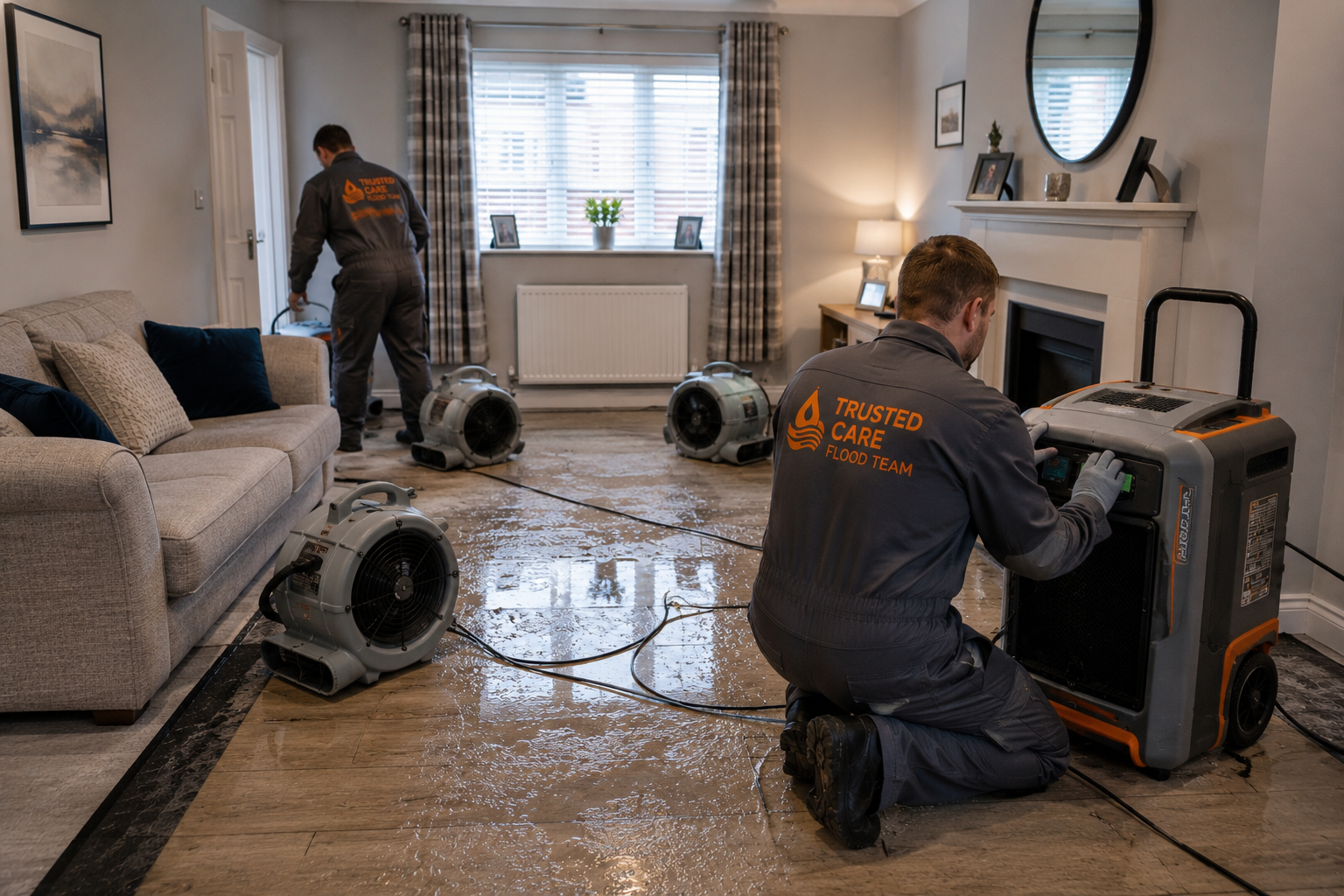
After contamination has been addressed, drying equipment can be installed to reduce moisture in floors, walls and cavities. Progress should be monitored rather than judged by appearance alone.
7. Inspection and documentation
The completed work is checked against the agreed scope. The client should receive the promised photographs, moisture information, waste records and details of outstanding repairs.
Read TrustedCare’s residential flood-damage cleanup guide for more information about cleaning and drying stages.
Landlords, Tenants and Drain-Backup Responsibility
Responsibility depends on where the blockage occurred, what caused it, the tenancy agreement and the applicable housing obligations.
Landlords
A landlord will commonly need to coordinate work involving the building’s drainage, structure and habitability. The landlord should notify the relevant insurer, arrange repairs and explain access or temporary accommodation arrangements to the tenant.
Tenants
A tenant should report the incident promptly, stop using affected drainage and protect personal possessions where this can be done safely. A tenant may be responsible where misuse or another breach is established, but this should not be assumed before the cause has been investigated.
Public sewers and shared drains
The water company may be responsible for certain public sewer or shared drainage faults. This does not necessarily mean it will automatically arrange or fund every part of the internal property cleanup.
The Landlord and Tenant Act 1985 contains repair obligations applying to many rented properties in England and Wales. Different legislation and responsibilities can apply in Scotland and to different tenancy types.
Ask the drainage contractor to identify where the blockage was found and, where possible, what caused it. This information may affect responsibility and insurance.
Insurance and Documentation
Buildings or contents insurance may cover some drain-backup cleanup costs, but cover varies. Policies can distinguish between accidental water damage, sewer backup, emergency access, gradual damage and damage caused by poor maintenance.
Contact the insurer promptly and ask:
- whether sewer or drain backup is covered;
- whether emergency mitigation can start immediately;
- whether the insurer requires an approved contractor;
- whether a loss adjuster must attend;
- what photographs and reports are required;
- whether damaged items must be retained;
- whether drain clearance and internal cleanup are treated separately;
- whether structural drying is covered; and
- whether an excess or policy limit applies.
Keep:
- photographs and videos taken before cleaning;
- the drainage contractor’s report;
- the cleaning assessment and quotation;
- a timeline showing when the problem was discovered and reported;
- records of conversations with the landlord, water company and insurer;
- receipts for emergency expenses;
- before, during and after photographs;
- moisture readings and drying records;
- waste documentation; and
- the final invoice.
The Association of British Insurers publishes general home-insurance information. The individual policy and insurer’s decision determine whether a specific incident is covered.
DIY or Professional Cleanup?
A local blockage where no wastewater has escaped may require only a drainage contractor. Professional contamination cleanup should be considered when sewage has entered the property or affected absorbent materials.
Stop DIY cleanup when:
- toilet waste or sewage has entered the room;
- more than a small hard-surface area is affected;
- carpet, underlay, plasterboard or insulation is wet;
- several rooms or shared areas are involved;
- the water has reached sockets or electrical equipment;
- the contamination has entered a basement or confined area;
- the source cannot be identified;
- the smell returns after surface cleaning;
- vulnerable occupants use the property; or
- the incident forms part of an insurance claim.
Do not use a domestic vacuum, pressure washer or household fan on sewage contamination. These methods can spread contaminated droplets and particles into unaffected areas.
Drain unblocking, sewage extraction, decontamination and structural drying are separate jobs. Make sure the quotation states exactly which stages are included.
Frequently Asked Questions
How much does emergency drain-backup cleaning cost?
A contained cleanup may fall within a broad £300–£1,500 planning range. Moderate contamination and drying may cost £1,500–£4,000, while widespread contamination and extensive removal can exceed £4,000. Drain clearance and repairs may be charged separately.
Does drain unblocking include cleaning the property?
Not automatically. Drain unblocking resolves the obstruction, while property cleanup can involve wastewater extraction, contaminated-material removal, cleaning, decontamination and structural drying.
Does home insurance cover sewage cleanup?
It may, but cover depends on the policy, the cause and any exclusions. Notify the insurer promptly and ask whether emergency mitigation can begin before the complete claim is agreed.
Who pays when a rented property has a sewage backup?
Responsibility depends on the location and cause of the blockage, the tenancy and applicable repair obligations. The landlord commonly coordinates building and drainage repairs, while liability may be considered separately after the cause is established.
Can sewage-damaged carpet be cleaned?
Carpet and underlay affected by sewage commonly require removal because contamination can penetrate through the carpet into the layers below. A site assessment is needed before deciding what can be restored.
Why is moisture monitoring required?
Floors and walls can remain wet after the visible water has gone. Moisture monitoring helps determine whether structural materials are drying and whether equipment should remain in operation.
Nationwide Emergency Assistance
Arrange a Drain-Backup Cleaning Assessment
Contact TrustedCare for assistance with sewage extraction, contamination cleanup and structural drying for homes, rental properties and commercial premises.
Residential, landlord, commercial and insurance-related enquiries welcome

TrustedCare Editorial Team publishes UK guidance on specialist cleaning and biohazard remediation, including after-death cleaning, flood restoration and contamination control. Content is written for homeowners, landlords and housing providers seeking clear, practical information.