Emergency Property Restoration: Response Guide
Contents
- What Emergency Property Restoration Covers
- First Steps After Property Damage
- Water and Flood Damage Cleaning
- Structural Drying and Moisture Assessment
- Fire, Smoke and Soot Damage Cleaning
- Biohazard and Sewage Contamination
- Insurance and Documentation
- When Professional Help Is Needed
- Frequently Asked Questions
Emergency property restoration is the process of making a damaged or contaminated property safe, limiting further deterioration and preparing it for repair or reoccupation. It can involve several different services depending on whether the incident includes flooding, sewage, fire, smoke, soot or biological contamination.
No two incidents require exactly the same response. Before work begins, the source of the damage, affected materials, contamination risks, access and immediate safety concerns must be considered.
TrustedCare specialises in the cleaning, decontamination and property-drying stages of recovery. Plumbing repairs, electrical work, structural surveys and building reinstatement may require separate qualified contractors.
What Emergency Property Restoration Covers
The term “property restoration” covers a broad range of work. The services required will depend on the cause and extent of the damage.
These may include:
- Initial property and contamination assessment
- Removal of standing water
- Cleaning following floodwater or sewage ingress
- Removal of unsuitable contaminated materials
- Moisture assessment and structural drying
- Soot and smoke-residue cleaning
- Odour-source identification and treatment
- Biohazard and after-death cleaning
- Cleaning and decontamination of affected surfaces
- Documentation of the work completed
Emergency cleaning is different from ordinary domestic cleaning. Water and contamination can enter flooring systems, wall cavities and other areas that may not appear damaged from the surface. Fire residues can also spread beyond visibly burnt areas.
The purpose of the initial assessment is to establish the actual scope of work rather than assume that every affected material must be removed or that surface cleaning alone will be sufficient.
TrustedCare does not advertise one guaranteed response time for every incident. Availability depends on the postcode, type of damage, access and the technicians and equipment required.
First Steps After Property Damage
The correct first steps depend on whether the property has been affected by water, fire, sewage or another type of contamination. Personal safety should always come before protecting belongings.
Do not enter an unsafe property
Do not re-enter a building affected by a serious fire, substantial flooding, damaged ceilings or suspected structural movement until the appropriate emergency service or qualified professional confirms that it is safe.
Stop the source only when safe
If water is coming from a burst internal pipe and the stopcock can be reached without entering standing water or approaching damaged electrical equipment, isolate the water supply. External flooding, drainage failures and sewage backups may require assistance from the water company, a plumber or a drainage contractor.
Avoid wet electrical equipment
Do not touch sockets, switches, appliances or electrical equipment that may have become wet. Do not enter water to reach the consumer unit. Electrical and gas equipment affected by flooding should be checked by an appropriately qualified person before being used again.
Keep occupants away from contamination
Restrict access to rooms affected by sewage, floodwater, soot or biological contamination. Keep children, pets and vulnerable occupants away from affected areas and avoid moving contaminated belongings through clean parts of the property.
Document visible damage safely
Take photographs and video from a safe position. Record the apparent source, rooms affected and any visible water line, soot deposits or damaged materials. Do not delay urgent safety measures merely to obtain photographs.
Contact the insurer
Notify the property insurer as soon as reasonably possible. Ask whether the insurer needs to inspect damaged items, appoint a loss adjuster or approve particular emergency work.
Water and Flood Damage Cleaning
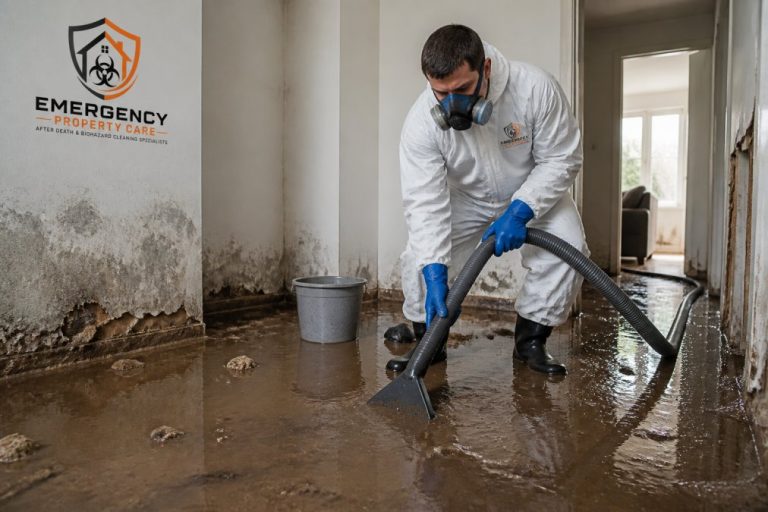
Water damage can originate from burst pipes, leaking appliances, roof damage, surface-water flooding, drainage problems or sewage backups. The source influences how the property should be cleaned and which materials may be retained.
Clean water from a recent internal leak presents different contamination concerns from external floodwater or sewage. However, even clean water can cause substantial damage when it enters absorbent materials or remains trapped beneath flooring.
A professional water-damage assessment may include:
- Identifying the source and confirming whether it has stopped
- Checking the rooms and materials affected
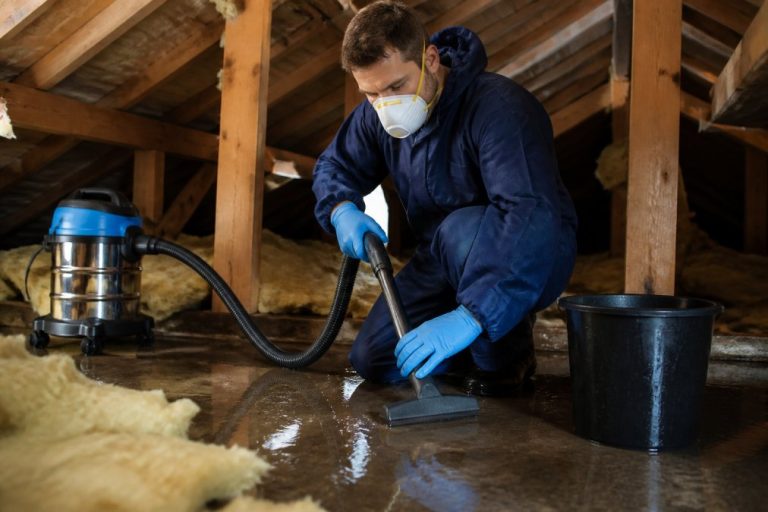
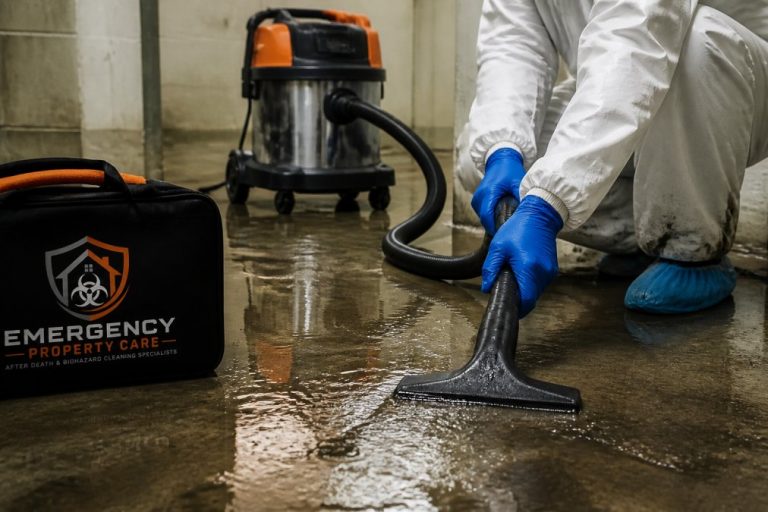
- Removing standing water where appropriate
- Assessing flooring, plasterboard, insulation and other absorbent materials
- Recording initial moisture readings
- Planning the cleaning and drying process
- Monitoring drying progress
External floodwater may contain sewage, chemicals, silt, sharp objects or other contaminants. Appropriate protective clothing and working methods should be selected following a risk assessment.
More information is available through our flood damage cleaning and structural drying service.
Structural Drying and Moisture Assessment
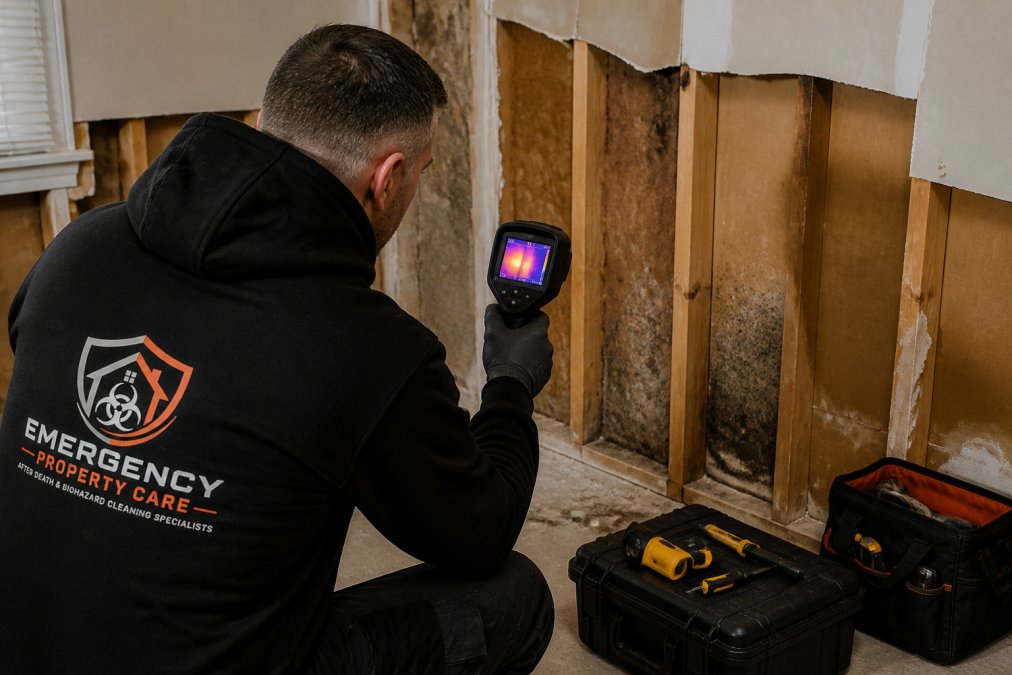
Removing visible water does not necessarily mean that the property is dry. Moisture may remain inside plasterboard, timber, insulation, screeds, wall cavities and beneath floor coverings.
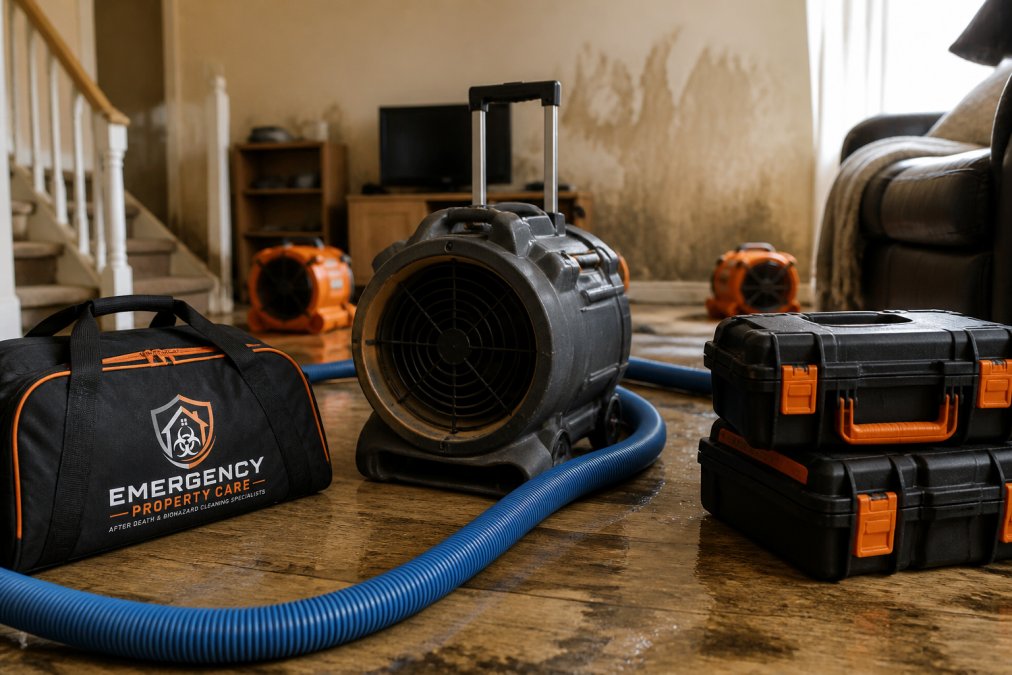
Depending on the construction and damage, drying may involve dehumidifiers, controlled air movement, heating, ventilation or more targeted techniques. Equipment should be selected and positioned for the particular building rather than installed according to a standard formula.
Drying time can be affected by:
- The amount of water present
- How long materials were exposed
- The type and thickness of the affected materials
- Whether moisture has entered enclosed spaces
- Temperature and humidity
- Ventilation and property access
- Whether unsuitable materials have been removed
There is no universal seven-day or fourteen-day drying period. Some incidents may require only limited drying, while extensive saturation can require a longer monitored programme.
Moisture measurements should be used to assess progress. Drying targets will depend on the materials and comparison with suitable unaffected areas; one fixed moisture percentage does not apply to every property.
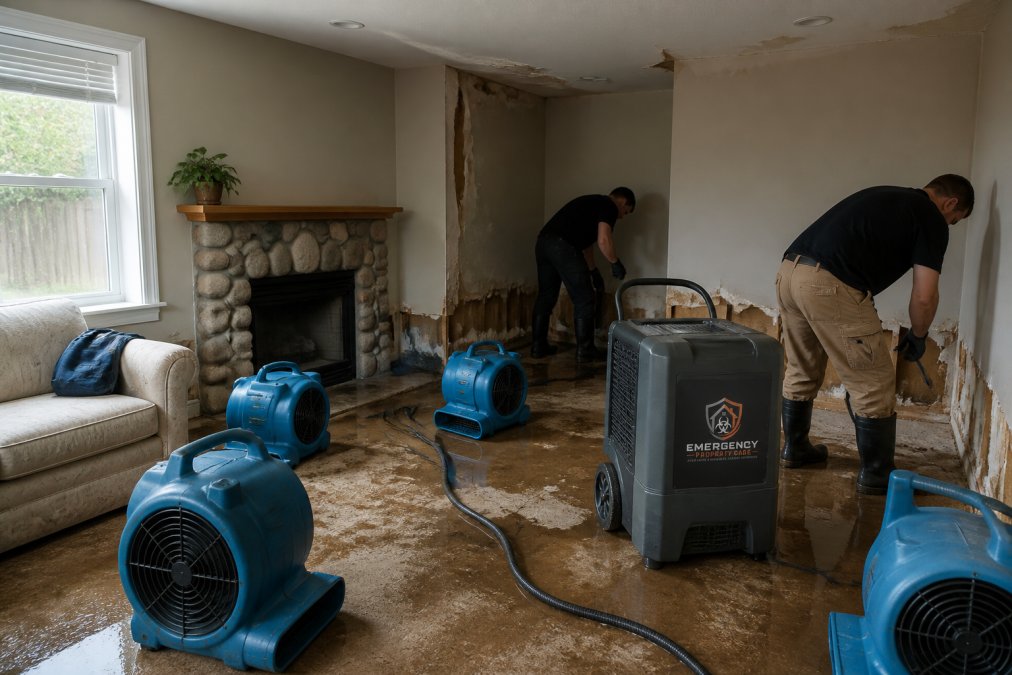
Do not use petrol or diesel generators indoors. Their exhaust gases contain carbon monoxide. Gas, oil and electrical equipment affected by water should be checked before being used.
Fire, Smoke and Soot Damage Cleaning
Fire damage cleaning normally begins after the fire service has finished its work and the property has been declared safe to enter. Structural repairs, electrical work and assessment of fire-damaged building elements may require separate qualified contractors.
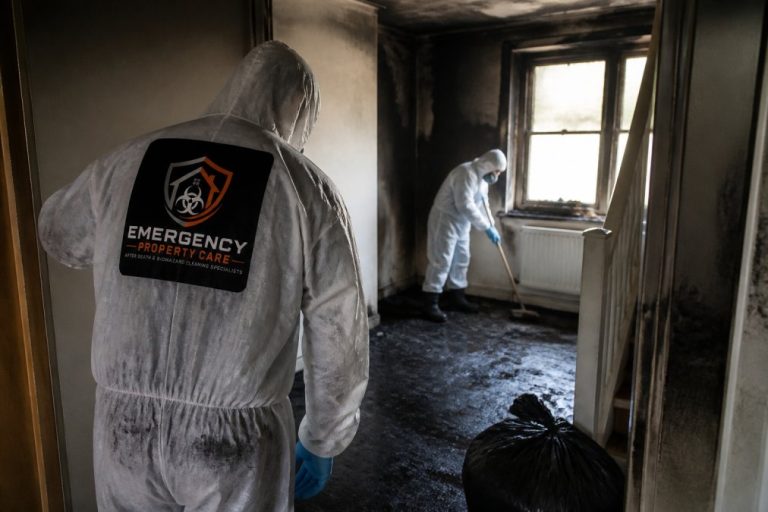
Smoke and soot can affect rooms and contents away from the original seat of the fire. The type of material burnt, fire temperature, ventilation and length of exposure can all influence the resulting residue and odour.
Initial cleaning work may include:
- Assessing the spread of soot and smoke residue
- Separating potentially salvageable and unsalvageable items
- Removing loose surface contamination using suitable methods
- Cleaning affected hard surfaces
- Assessing soft furnishings and other absorbent contents
- Identifying the source of persistent smoke odours
Incorrect cleaning can smear soot, drive residue deeper into surfaces or permanently mark delicate materials. Avoid wiping soot-covered walls and ceilings with wet household cloths before the residue and surface have been assessed.
TrustedCare’s role concerns specialist fire, smoke and soot cleaning. Major building repairs and reconstruction are separate services. Read more about our fire damage cleaning services.
Biohazard and Sewage Contamination
Biohazard cleaning may be required after an unattended death, trauma incident, blood contamination, sewage backup or another event involving potentially harmful biological material.
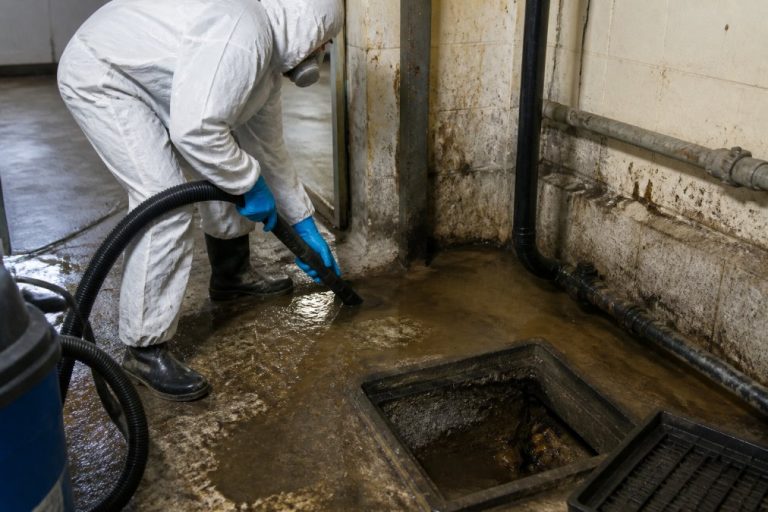
These situations require more than ordinary surface cleaning. The work may involve controlled access, appropriate personal protective equipment, removal of affected materials, cleaning and decontamination, odour-source treatment and suitable waste handling.
The exact process depends on the type of contamination, how far it has spread, the surfaces affected and how long it has been present. Not every affected item automatically requires disposal, but contaminated absorbent materials can be difficult to clean reliably.
HSE guidance identifies raw sewage and work inside sewage-contaminated properties as potential exposure risks. People should avoid unnecessary contact, protect cuts and prevent contaminated clothing or equipment from being carried into clean areas.
After-death cleaning also requires a discreet and compassionate approach. TrustedCare can discuss the circumstances confidentially and establish what assessment and cleaning support may be appropriate. See our after-death cleaning service.
Insurance and Property-Damage Documentation
Insurance coverage depends on the cause of the incident and the individual policy. TrustedCare cannot decide whether a claim will be accepted or guarantee the amount an insurer will pay.
Useful records can include:
- Photographs and video of the initial damage
- The date and apparent cause of the incident
- A list of affected rooms and belongings
- Reports from plumbers, electricians or other relevant contractors
- Cleaning and drying quotations
- Moisture readings where applicable
- Invoices and receipts
- A record of damaged materials removed from the property
Contact the insurer before disposing of damaged belongings where reasonably possible. Items that present an immediate health risk may need to be removed, so photographs and an itemised record should be retained.
The Association of British Insurers advises property owners to contact their insurer promptly, avoid putting themselves at risk and keep receipts for necessary emergency measures.
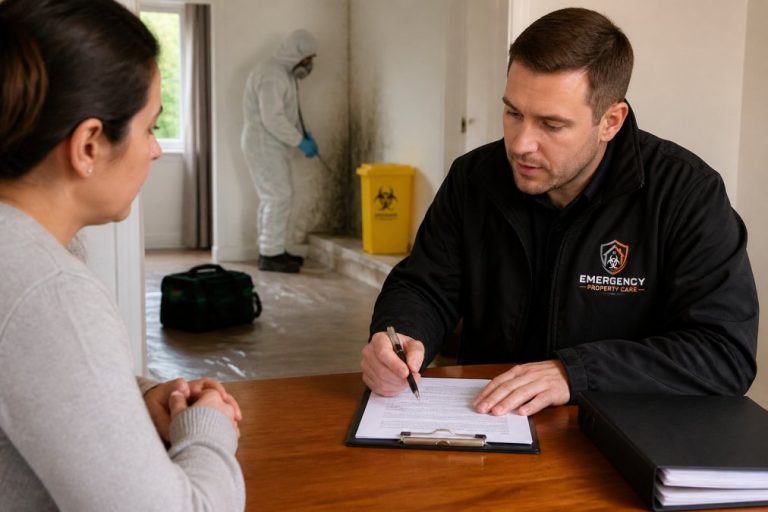
Ask the contractor what documentation will be provided before work starts. The exact records available will depend on the service and agreed scope.
When Professional Help Is Needed
Some minor clean-water leaks can be managed without a specialist restoration company when the source is stopped quickly and only a small, accessible area is affected. However, professional assessment should be considered where:
- Water has entered several rooms or storeys
- Flooring, insulation or wall cavities may be affected
- Sewage or external floodwater is involved
- Electrical systems have become wet
- Smoke or soot has spread through the property
- Blood, bodily fluids or decomposition are present
- Persistent odour remains after surface cleaning
- The property cannot be occupied safely
- Moisture levels need to be measured and monitored
Attempting unsuitable work does not automatically invalidate an insurance policy, but unsafe or ineffective action can spread contamination or increase damage. Contact the insurer and obtain appropriate professional advice before beginning substantial cleaning, removal or repairs.
Frequently Asked Questions
What does emergency property restoration include?
It can include water removal, cleaning, decontamination, soot and smoke cleaning, moisture assessment, structural drying and the removal of unsuitable affected materials. Plumbing, electrical, structural and rebuilding work may require separate qualified contractors.
Does TrustedCare provide a 24-hour emergency service?
TrustedCare does not advertise a universal 24/7 attendance promise. Contact us with the postcode, type of incident and areas affected so current availability and the appropriate next steps can be confirmed.
How quickly can property restoration begin?
That depends on the location, access, current availability, safety conditions and the technicians and equipment required. The source of the damage may also need to be stopped before cleaning or drying can progress.
How should I prepare a flooded property for restoration?
Keep occupants away from unsafe areas, stop the source only if it is safe, avoid wet electrical equipment, document visible damage and contact the insurer. Do not enter standing water to isolate utilities or recover belongings.
Does insurance cover emergency property restoration?
Coverage depends on the policy and cause of the damage. Sudden accidental damage may be treated differently from gradual deterioration, poor maintenance or an excluded event. Contact the insurer for a decision about the individual claim.
How long does structural drying take?
There is no fixed timeframe. Drying depends on the quantity of water, building materials, accessibility and environmental conditions. Moisture readings should be used to monitor progress instead of relying only on the number of days equipment has operated.
Can TrustedCare rebuild the property after cleaning?
TrustedCare’s principal role is specialist cleaning, decontamination and drying. Reinstatement, structural repairs, plumbing and electrical work may need to be completed by other appropriately qualified contractors.
Get Help With Emergency Property Cleaning
Contact TrustedCare with the property postcode, type of damage, apparent source and rooms affected. Photographs can help with the initial discussion. We will explain the next steps and confirm current availability without making unsupported promises about attendance or completion times.
Official Guidance
- GOV.UK: Flooding and health advice for the public
- Health and Safety Executive: Exposure to raw sewage
- Association of British Insurers: Flooding and insurance guidance

TrustedCare Editorial Team publishes UK guidance on specialist cleaning and biohazard remediation, including after-death cleaning, flood restoration and contamination control. Content is written for homeowners, landlords and housing providers seeking clear, practical information.