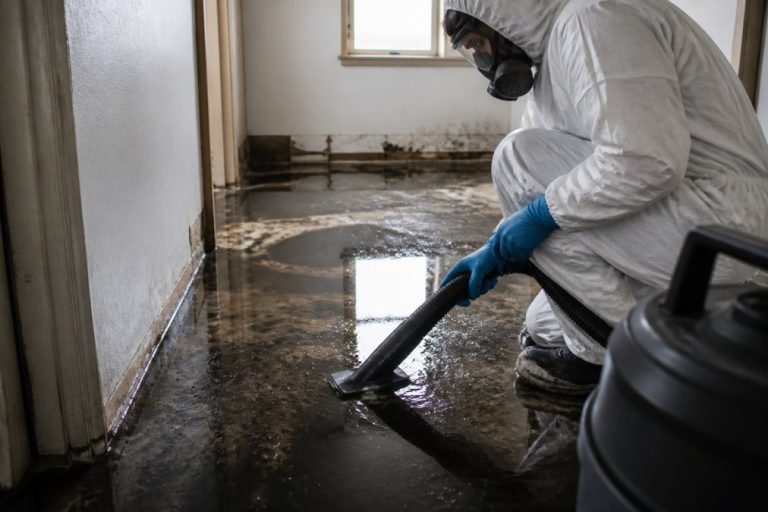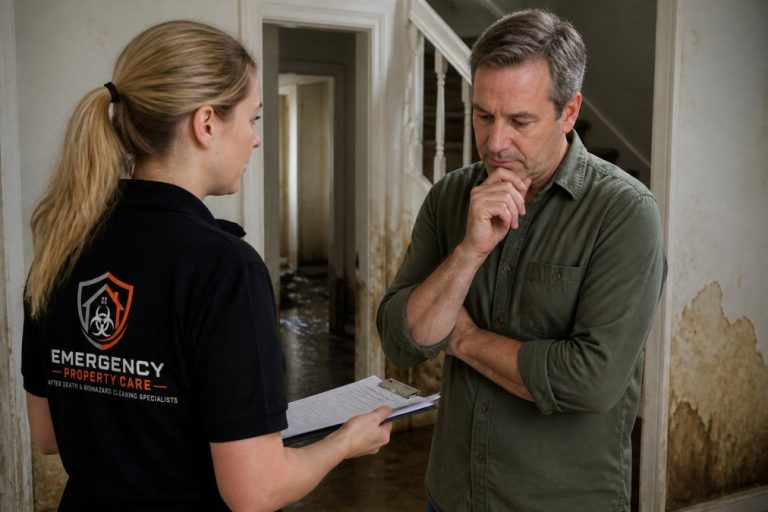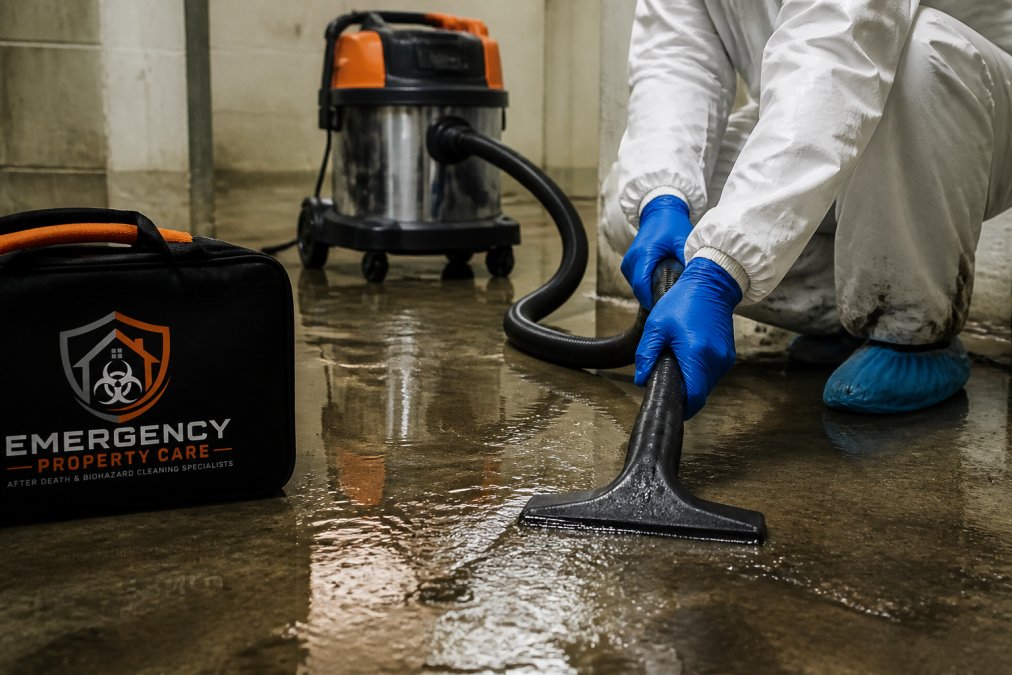
Emergency Sewage Cleanup for Businesses: 24/7 Response
Table of Contents
- Why Emergency Sewage Cleanup for Businesses Cannot Wait
- Sewage Cleanup Health and Safety Regulations You Must Know
- How Long Does Sewage Remediation Take: Realistic Timelines
- Commercial Sewage Decontamination Process: What Happens On Site
- Preventing Cross-Contamination and Biohazard Spread
- Working With Insurance and Documentation for Business Claims
- 24/7 Emergency Response: What to Do Right Now
Why Emergency Sewage Cleanup for Businesses Cannot Wait
A sewage backup inside a commercial property isn’t just an operational inconvenience, it’s a biohazard event that poses immediate health risks to staff, customers, and anyone who enters the space. When wastewater overflows or sewage ingresses into a building, contamination spreads rapidly through drainage systems, flooring, carpets, and fixtures. The longer the contamination remains, the more pathogens multiply and the deeper the cross-contamination penetrates structural materials.
Emergency sewage cleanup for businesses requires specialist intervention because standard cleaning methods cannot eliminate the bacterial contamination, category 3 water hazards, and microbial growth that sewage introduces. A commercial property affected by sewage backup faces not only health and safety liability but also regulatory compliance obligations, insurance claim documentation requirements, and potential business interruption. The clock is working against you from the moment sewage enters the building.
TrustedCare operates 24/7 across England, Scotland, and Wales to respond to commercial sewage emergencies. When a business owner or facility manager calls, the priority is rapid containment, safe decontamination, and full documentation for insurance purposes. This guide walks through the critical steps, regulations, timelines, and processes that define professional emergency sewage cleanup for businesses.
Sewage Cleanup Health and Safety Regulations You Must Know
The Control of Substances Hazardous to Health (COSHH) regulations require employers to protect staff from exposure to biological hazards present in sewage (hse.gov.uk). Sewage is classified as a hazardous substance containing pathogenic bacteria, viruses, and parasites that can cause serious infection through skin contact, inhalation, or ingestion. Any business affected by sewage contamination must treat the incident as a workplace safety event, not merely a cleaning task.
Under Health and Safety at Work etc. Act 1974, business owners have a legal duty to ensure the health and safety of employees and visitors. This means contaminated areas must be isolated immediately, warning signs posted, and access restricted until professional decontamination is complete. Failure to comply can result in enforcement action from the Health and Safety Executive (HSE).
The Environmental Protection Act 1990 governs the disposal of hazardous waste generated during sewage cleanup (legislation.gov.uk). Contaminated materials, carpets, flooring, furniture, and other porous items, must be classified as hazardous waste and disposed of through licensed waste facilities. TrustedCare manages this disposal compliance so your business avoids regulatory breaches.
For rental properties and commercial premises, the Environmental Health department may require proof that decontamination meets specific standards before the property can be re-occupied. This often includes ATP-verified sanitation testing to confirm pathogen elimination and microbial growth prevention. Documentation of the cleanup process, materials used, and test results becomes essential evidence for both regulatory compliance and insurance claims.
[Attempting DIY sewage cleanup](/how-to-safely-clean-sewage/) exposes staff to serious infection risk and creates liability if someone becomes ill. Professional cleanup is not optional, it’s a legal and health requirement.
How Long Does Sewage Remediation Take: Realistic Timelines
The duration of sewage remediation varies significantly based on the scale of contamination, the area affected, and the materials involved. A localized sewage backup affecting a single room or bathroom may take 1-2 days of intensive work. A building-wide sewer line failure affecting multiple floors, structural cavities, and extensive porous materials can require 5-7 days or longer.
The process itself follows a defined sequence: initial assessment and containment (2-4 hours), removal of contaminated materials (4-8 hours depending on volume), decontamination and sanitization of hard surfaces (6-12 hours), structural drying if water damage is present (24-72 hours), and final verification testing (4-8 hours). Rapid response times are critical because every hour delays increases pathogen spread and material damage.
TrustedCare’s rapid response commitment means technicians arrive on site quickly. Early intervention reduces the total remediation timeline and prevents secondary damage to structural elements. The sooner professional decontamination begins, the sooner your business can operate safely again. In cases where sewage has caused significant water damage, Flood Damage Cleaning and Drying services work alongside decontamination to restore structural integrity and prevent mould growth.
| Contamination Scale | Estimated Remediation Time | Key Variables |
|---|---|---|
| Single room/bathroom | 1-2 days | Material type, ventilation access |
| Multiple rooms | 2-4 days | Structural materials, cross-contamination spread |
| Building-wide | 5-7 days | Sewer line access, HVAC involvement, disposal logistics |
| Structural cavities | 7-14 days | Cavity access, drying requirements, material replacement |
Weather conditions, access to affected areas, and availability of disposal contractors can extend timelines. Transparent communication about realistic completion dates helps your business plan for reopening and insurance documentation.
Commercial Sewage Decontamination Process: What Happens On Site
Professional commercial sewage decontamination follows a systematic protocol designed to eliminate all pathogens, prevent cross-contamination, and restore the property to a safe operational state. The process begins with a full site assessment to determine the extent of sewage ingress, identify all affected materials, and establish containment zones.
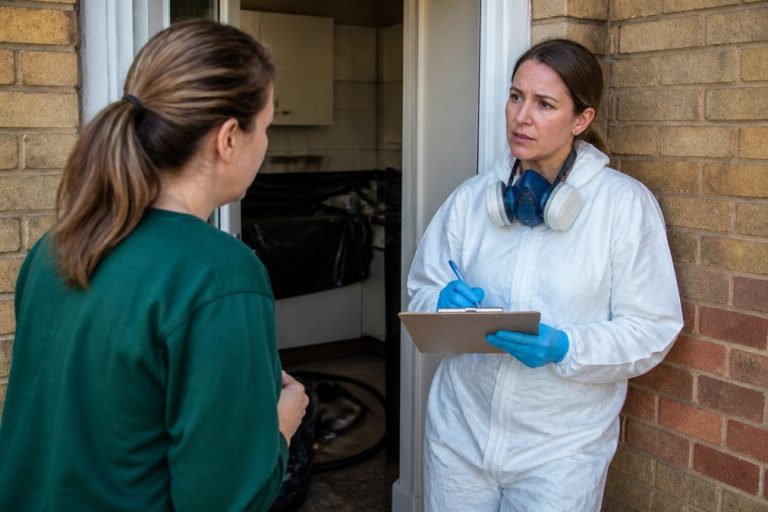
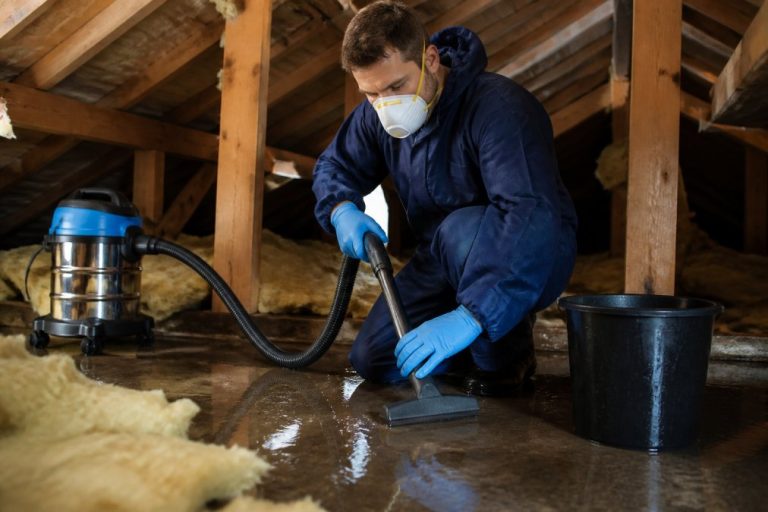
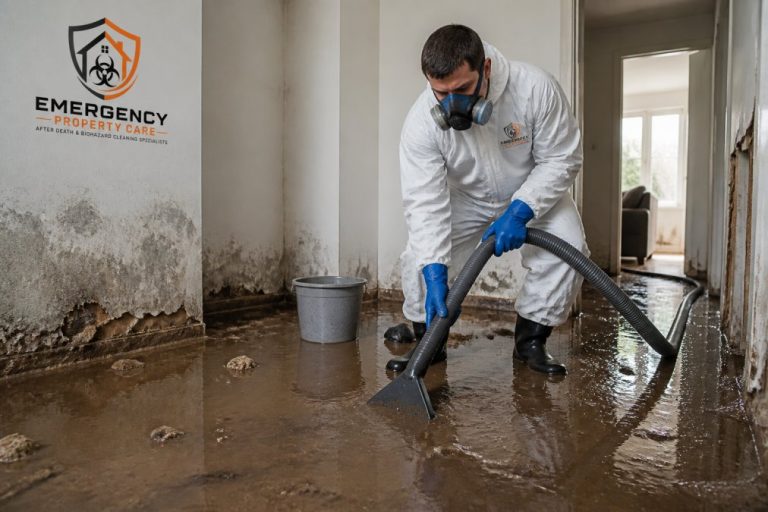
Technicians establish negative air pressure containment using portable HEPA filtration units to prevent airborne pathogen dispersal to unaffected areas. All staff wear appropriate PPE including protective suits, respirators, gloves, and eye protection. Contaminated materials are carefully removed and bagged in biohazard-rated containers for licensed disposal.
Hard surfaces undergo multi-stage decontamination: initial gross decontamination to remove visible sewage, chemical sanitization using approved disinfectants effective against category 3 water pathogens, and final ATP-verified testing to confirm microbial elimination. Porous materials like carpets, upholstery, and drywall that cannot be adequately decontaminated are removed and disposed of as hazardous waste.
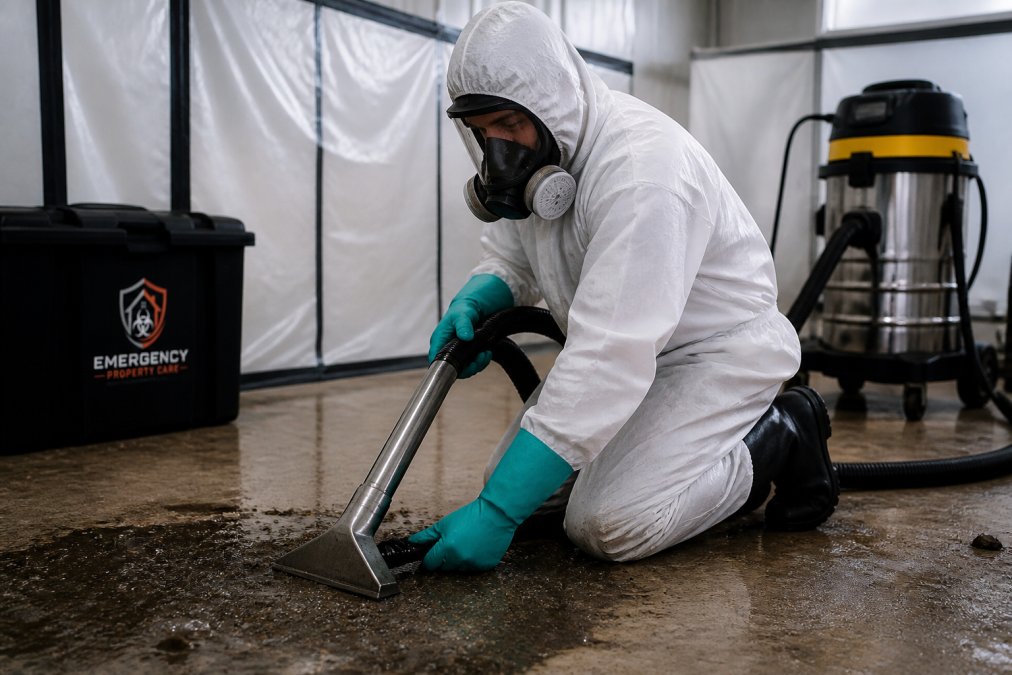
Structural drying follows decontamination to prevent mould growth and secondary microbial issues. Industrial dehumidifiers and air movers are positioned strategically to dry affected building materials. The drying phase typically requires 24-72 hours depending on humidity levels and material porosity.
Final verification includes ATP-verified sanitation testing of all treated surfaces to provide documented proof that pathogen levels meet safe re-occupancy standards. This documentation becomes critical for insurance claims and regulatory compliance verification. The entire process is photographed and documented to create a comprehensive record of work completed.
Request daily progress reports and photographic documentation during the remediation process. This creates a clear timeline for insurance adjusters and demonstrates due diligence in addressing the contamination.
Preventing Cross-Contamination and Biohazard Spread
Cross-contamination occurs when sewage pathogens spread from the initial contamination zone to unaffected areas of the building through foot traffic, shared air handling systems, or contact with contaminated surfaces. Preventing this spread is fundamental to professional decontamination and protects both staff safety and the integrity of the entire property.
Containment barriers are the first line of defence. Heavy-duty plastic sheeting seals doorways and compartmentalizes affected areas, preventing pathogen migration through the building. Negative air pressure systems draw contaminated air away from clean zones and filter it through HEPA units before exhaust. This ensures that any airborne pathogens are captured rather than circulating through the property.
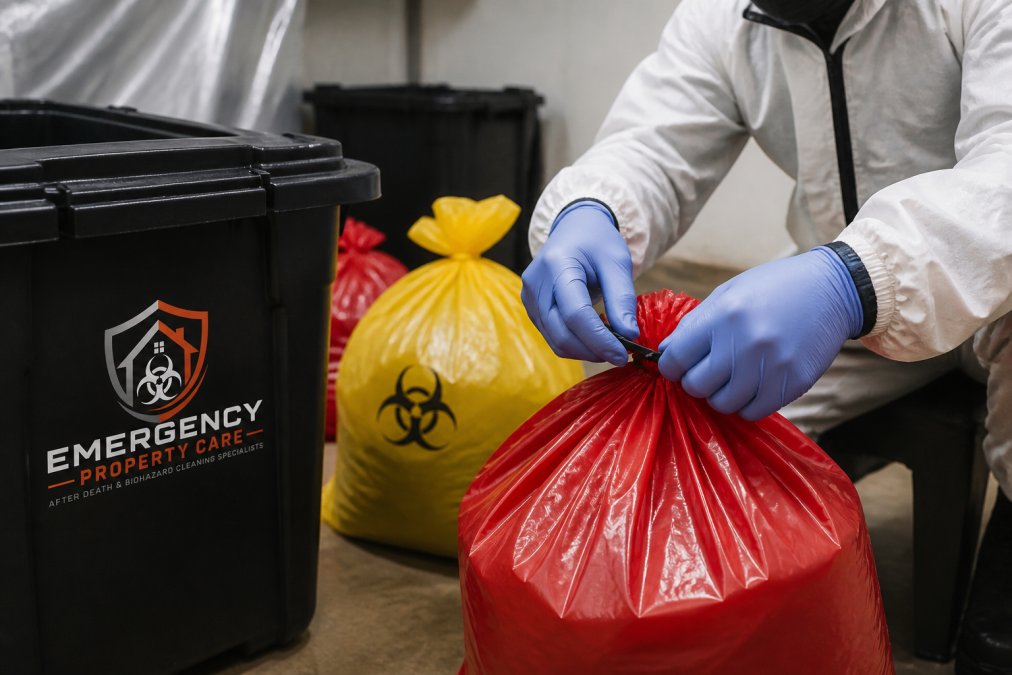
Colour-coded biohazard bags and sealed waste containers prevent cross-contamination during material removal. Contaminated items are double-bagged and labelled for safe transport to licensed hazardous waste disposal facilities. Staff moving between contaminated and clean zones follow strict protocols: removing outer PPE in designated areas, disposing of it in biohazard containers, and changing into fresh protective equipment before entering uncontaminated spaces.
Equipment used in contaminated areas is not transferred to clean zones. Cleaning tools, mops, and materials are either disposed of as hazardous waste or decontaminated separately using approved protocols. The HVAC system is isolated or cleaned to prevent sewage-contaminated air from circulating throughout the building.
Decontamination of personnel is equally important. Staff working in contaminated zones shower and change into clean clothing before leaving the site. This prevents pathogens from being carried into break rooms, offices, or other areas where cross-contamination could occur. A professional decontamination service manages these protocols systematically to eliminate the risk of spreading biohazards throughout your commercial property.
Working With Insurance and Documentation for Business Claims
Insurance claims for sewage damage require detailed documentation of the contamination, the remediation process, and the cost of restoration. Most commercial property policies cover sewage backup and related decontamination, but claims are only approved when proper evidence is provided. Starting documentation immediately after the incident occurs is essential for a successful claim.
Photograph the initial contamination before any cleanup begins. Document the affected areas, visible sewage, damaged materials, and the extent of spread. These photographs provide the insurance adjuster with visual evidence of the incident severity. Take photos of any signs of sewer line failure, drainage backups, or external sewage sources if visible.
Keep detailed records of the timeline: when the incident was discovered, when the emergency call was made, when professional remediation began, and when work was completed. Document all communication with TrustedCare and other contractors involved. This timeline demonstrates that you responded promptly and engaged qualified professionals, which strengthens the insurance claim.
Professional decontamination services like TrustedCare provide comprehensive documentation including detailed site assessments, itemized lists of materials removed, photographic evidence of each remediation stage, ATP-verified test results, and certificates of completion. This documentation becomes the foundation of your insurance claim and proves that the contamination was addressed to professional standards.
Work directly with your insurance company’s loss adjuster. Provide them with all documentation from the professional cleanup service and maintain open communication throughout the claim process. Many insurance providers have preferred contractors, but you retain the right to choose a qualified professional. TrustedCare works with loss adjusters and insurance companies regularly, understanding the documentation requirements that support successful claims.
Keep copies of all invoices, receipts, and service agreements. These financial records are essential for demonstrating the actual cost of remediation to your insurer. Retain all decontamination reports and test results for at least 7 years in case questions arise later regarding the property’s remediation history.
24/7 Emergency Response: What to Do Right Now
When sewage backup or overflow occurs in your commercial property, the first hours are critical. Immediate action minimizes contamination spread, protects staff health, and begins the documentation process that supports insurance claims.
Step 1: Isolate the affected area immediately. Stop all water use in the building if the sewage source is unknown. Post warning signs restricting access to contaminated zones. Do not allow staff to enter or attempt cleanup. Isolate the HVAC system if possible to prevent airborne pathogen circulation.
Step 2: Call TrustedCare’s 24/7 emergency line. Describe the location and extent of the contamination. Emergency sewage cleanup for businesses requires rapid professional response, waiting even a few hours allows pathogens to multiply and spread deeper into structural materials. TrustedCare’s technicians are trained to respond quickly.
Step 3: Document the incident before remediation begins. Take photographs of the contamination, affected areas, and any visible damage. Record the date, time, and circumstances of the incident. This documentation is essential for insurance claims and regulatory compliance.
Step 4: Notify your insurance company. Provide them with the incident details and the name of the professional decontamination service you’ve engaged. Most policies require notification within a specific timeframe. Early notification prevents claim denial due to delayed reporting.
Step 5: Communicate with staff. Inform employees that the area is unsafe and will be professionally remediated. Provide updates on the estimated timeline for re-occupancy. Transparency reduces anxiety and maintains confidence in management’s response.
Step 6: Prepare for business continuity. Identify alternative work locations or remote work options if the contaminated area affects critical operations. Develop a reopening plan with your professional decontamination service so staff know when the space will be safe to re-enter.
The first 2 hours after discovering sewage contamination determine how quickly remediation can begin and how much additional spread occurs. Immediate professional response is the difference between 1-2 days of remediation and 5-7 days of extended contamination and damage.
Emergency sewage cleanup for businesses is not a standard cleaning challenge, it’s a health and safety emergency requiring specialist expertise, compliance with COSHH and environmental regulations, and comprehensive documentation for insurance purposes. TrustedCare provides rapid 24/7 response across England, Scotland, and Wales, ensuring that commercial properties affected by sewage contamination receive professional decontamination, biohazard elimination, and full support for insurance claims. When sewage backup occurs, contact TrustedCare immediately to begin containment and remediation, protecting your staff, your property, and your business continuity.
Frequently Asked Questions
What are the main health risks of sewage exposure in a workplace?
Sewage contains pathogens including bacteria, viruses, and parasites that cause serious infections. Exposure risks include gastrointestinal illness, respiratory infection, and skin infections. Workers without proper PPE and decontamination face bacterial contamination that can persist on surfaces for weeks. Professional emergency sewage cleanup eliminates these hazards through proper sanitization and waste disposal, protecting both staff and customers.
Is professional sewage cleanup required by law for businesses?
Yes. The Health and Safety at Work etc. Act 1974 and COSHH Regulations require employers to eliminate hazardous waste including sewage biohazard. Category 3 water (black water from sewage) must be treated as hazardous waste. Failing to arrange professional decontamination breaches health and safety duties and exposes businesses to enforcement action, fines, and liability claims.
How quickly can emergency response teams arrive after a sewage backup?
TrustedCare operates 24/7, 365 days a year with rapid response times across England, Scotland, and Wales. Immediate action prevents pathogens from spreading, structural damage from worsening, and cross-contamination of unaffected areas. The faster professional teams begin sewage remediation, the lower the overall cost and downtime. Contact TrustedCare immediately when sewage overflow or drainage system failure occurs.
What does COSHH regulation require for sewage contamination in commercial properties?
COSHH (Control of Substances Hazardous to Health) requires risk assessment, elimination of exposure, and use of appropriate PPE and sanitization methods. Sewage is classified as a hazardous substance containing microbial growth and pathogens. Employers must ensure ATP-verified disinfection, proper waste removal and disposal, and documented decontamination. Professional sewage cleanup ensures full regulatory compliance and creates an audit trail for enforcement bodies.
Can a business stay open during sewage cleanup and remediation?
Typically no. Sewage contamination requires immediate closure to prevent staff and customer exposure to pathogens and biohazard. The commercial sewage decontamination process includes containment, structural drying, odour control, and air quality testing. Depending on contamination extent, businesses may reopen once ATP-verified hygiene certification is obtained. TrustedCare coordinates with insurance and local authorities to minimise downtime while ensuring safety compliance.
TrustedCare Copyright 2026

TrustedCare Editorial Team publishes UK guidance on specialist cleaning and biohazard remediation, including after-death cleaning, flood restoration and contamination control. Content is written for homeowners, landlords and housing providers seeking clear, practical information.