Biohazard Cleanup Insurance Claims: A Complete Guide
Table of Contents
- What You Need to Know About Biohazard Cleanup Insurance Claims
- Does Your Homeowners Insurance Cover Biohazard Cleanup?
- Immediate Actions to Take After a Biohazard Incident
- Step-by-Step Insurance Claim Process for Biohazard Cleanup
- Professional Biohazard Remediation Standards and Certification
- Why Insurance Claims Are Denied and How to Appeal
- Preparing Before an Incident: Policy Language and Riders
- Conclusion
Last Updated: August 25, 2026
What You Need to Know About Biohazard Cleanup Insurance Claims
A biohazard cleanup insurance claim is a formal request to your homeowners or landlord insurance provider to cover the costs of professional remediation following a traumatic incident, unattended death, or hazardous contamination. Understanding what your policy covers and how to navigate the claims process can mean the difference between financial recovery and substantial out-of-pocket expenses during an already difficult time.
Most standard homeowners policies do NOT automatically cover biohazard cleanup. You must verify your specific coverage before an incident occurs, understand your policy limits and deductibles, and know exactly what triggers coverage.
Does Your Homeowners Insurance Cover Biohazard Cleanup?
The short answer is: sometimes, but not always. Standard homeowners insurance policies vary significantly in what they cover regarding biohazard remediation.
Most comprehensive homeowners policies include coverage for sudden, accidental property damage, but biohazard cleanup following an unattended death, suicide, or crime scene typically falls into a grey area. Some insurers classify this as a maintenance or sanitation issue rather than property damage. Others exclude it outright. A few policies include it under specific riders or optional coverage.
The key distinction is whether the damage resulted from a covered peril. A death from natural causes, suicide, or homicide is not a “peril” in insurance terms, it’s an event. Property damage caused by the event may be covered under some policies, but the cleanup itself is often treated separately.
Assuming your homeowners insurance covers biohazard cleanup without verifying first is a costly mistake. Many claims are denied because the incident doesn’t meet the policy’s definition of a covered loss, or because the policyholder didn’t notify the insurer quickly enough.
Understanding Policy Limits and Deductibles
Every insurance policy has a coverage limit, the maximum amount the insurer will pay for a covered claim. For biohazard cleanup claims, limits are often surprisingly low in many standard policies, though some may offer higher limits under optional riders.
Your deductible is the amount you pay out of pocket before insurance coverage kicks in. Review your policy documents carefully and contact your insurer directly: “Does my policy cover professional biohazard cleanup? If so, what is my coverage limit and deductible?” Get the answer in writing.
Common Exclusions in Biohazard Policies
Insurance policies are built around exclusions. Standard homeowners policies typically exclude:
- Maintenance and sanitation issues. If classified as routine sanitation rather than property restoration, it’s not covered.
- Gradual or expected damage. Slow decomposition over weeks may be classified as gradual, disqualifying it from coverage.
- Unattended death claims. Many policies specifically exclude cleanup following an unattended death, regardless of cause.
- Suicide or self-harm. Some policies exclude coverage for incidents involving suicide or intentional self-harm.
- Crime scene cleanup. Homicide or violent crime scenes may be excluded or handled under separate liability provisions.
- Prior damage. If the property was already contaminated before the incident, the insurer may deny the claim.
- Lack of proper notice. If you don’t report the claim within a specified timeframe (often 30 days), the insurer can deny it.
- Uncertified contractors. Some policies only cover cleanup performed by licensed, insured professionals.
Read your policy’s exclusions section carefully. If language seems to exclude biohazard cleanup, contact your insurer to clarify.
Immediate Actions to Take After a Biohazard Incident
The first 24 to 48 hours after a biohazard incident are critical. Your actions during this window directly affect your ability to file a successful insurance claim and minimize property damage.
Step 1: Ensure safety and call emergency services if needed. If the incident involves a death, injury, or crime, contact the police or emergency services first. Do not disturb the scene or attempt cleanup yourself.
Step 2: Notify your insurance company immediately. Contact your homeowners or landlord insurance provider within 24 hours ([EXTERNAL_LINK: Insurance Information Institute | iii.org]). Provide a brief description of the incident and ask specifically about coverage for biohazard cleanup. Get the name of your assigned claims adjuster and their direct contact information. Request written confirmation of what is and isn’t covered.
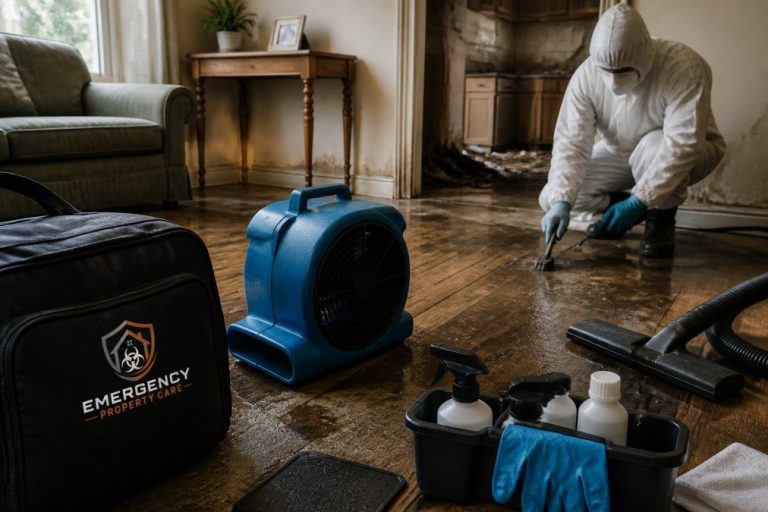
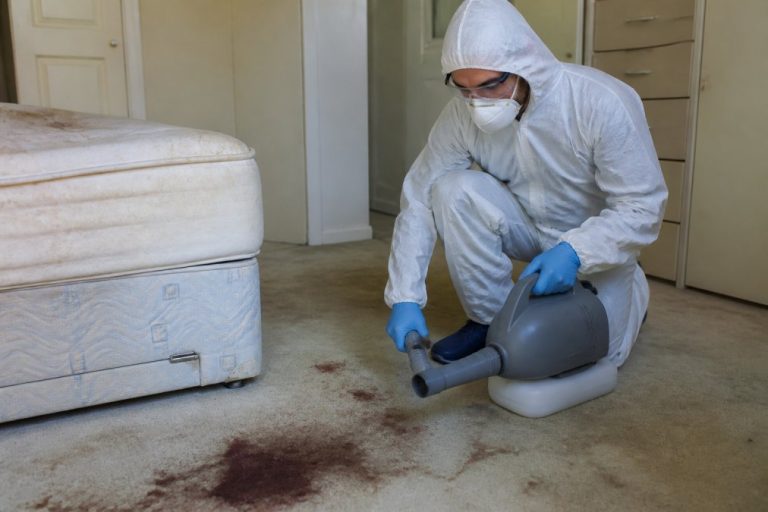
Step 3: Do not clean the property yourself. Biohazard contamination poses serious health risks. Improper cleanup can spread contamination, expose you to bloodborne pathogens, and potentially invalidate your insurance claim.
Step 4: Secure the property. If the incident has left doors or windows damaged, secure them to prevent further damage. Take photographs of the current condition for your claim documentation.
Step 5: Contact a professional biohazard remediation company. Once you’ve notified your insurer, contact a licensed, insured remediation specialist. Many companies provide preliminary assessment and damage estimates at no cost. Share this estimate with your insurance adjuster. If the incident involves an unattended death, professional After Death Cleaning services are essential to restore the property safely and thoroughly.

Step 6: Create a detailed incident timeline and preserve evidence. Document when the incident occurred, when it was discovered, who discovered it, and what actions you’ve taken. Keep all photographs, incident reports, police reports, medical examiner reports, and written communication with your insurer.
Step-by-Step Insurance Claim Process for Biohazard Cleanup
Filing a biohazard cleanup insurance claim involves several distinct steps, each with specific documentation requirements.
Step 1: Report the claim. Contact your insurance company by phone and follow up with written notification. Provide your policy number, the date of the incident, the property location, and a brief description. Ask for a claim number and your assigned adjuster’s name.
Step 2: Provide initial documentation. Submit photographs of affected areas, the incident report, and any medical or police reports related to the incident.
Step 3: Request a damage assessment. Ask whether your insurer will send an adjuster to inspect the property, or whether you should arrange for an independent assessment.
Step 4: Obtain remediation estimates. Contact professional biohazard remediation companies and request written estimates. The estimate should itemise all work, materials, and labour costs, and reference relevant industry standards.
Step 5: Receive claim determination. Your insurer will issue a written determination: approved, approved with conditions, or denied. This will specify what work is covered and your responsibility for costs exceeding the limit.
Step 6: Authorise remediation work and oversee completion. Once your claim is approved (or partially approved), you can authorise the remediation company to begin work. Be present during remediation to verify that the work matches the estimate and scope.
Step 7: Submit final documentation for reimbursement. Provide your insurer with the completed remediation report, itemised invoice, and photographs of completed work. If you’ve paid out of pocket, submit proof of payment.
The entire process typically takes 2 to 8 weeks.
Documentation Requirements for Claims
Insurance adjusters require specific documentation to process claims. Missing or incomplete documentation is a leading reason claims are delayed or denied.
Essential documentation includes:
- Proof of loss form. Your insurer will provide this. Complete it thoroughly and honestly.
- Incident report. Obtain a copy from police or emergency services, or create your own detailed written account.
- Photographs and video. Take clear, well-lit photographs of all affected areas before, during, and after remediation.
- Remediation estimate and invoice. Obtain a detailed, itemised estimate before work begins and the final invoice after completion.
- Professional certifications. Ask your remediation company for proof of licences, insurance, and relevant certifications.
- Receipts and proof of payment. Keep receipts and bank statements showing payment to the remediation company.
- Medical or coroner reports. If the incident involved a death, obtain the medical examiner’s or coroner’s report.
- Police reports. If the incident involved a crime, obtain the police incident report number.
- Communication records. Keep all emails, letters, and notes of phone calls with your insurer, including date, time, person’s name, and discussion details.
Organise this documentation in a folder with copies for yourself, your insurer, and your remediation company.
Working With Your Insurance Adjuster
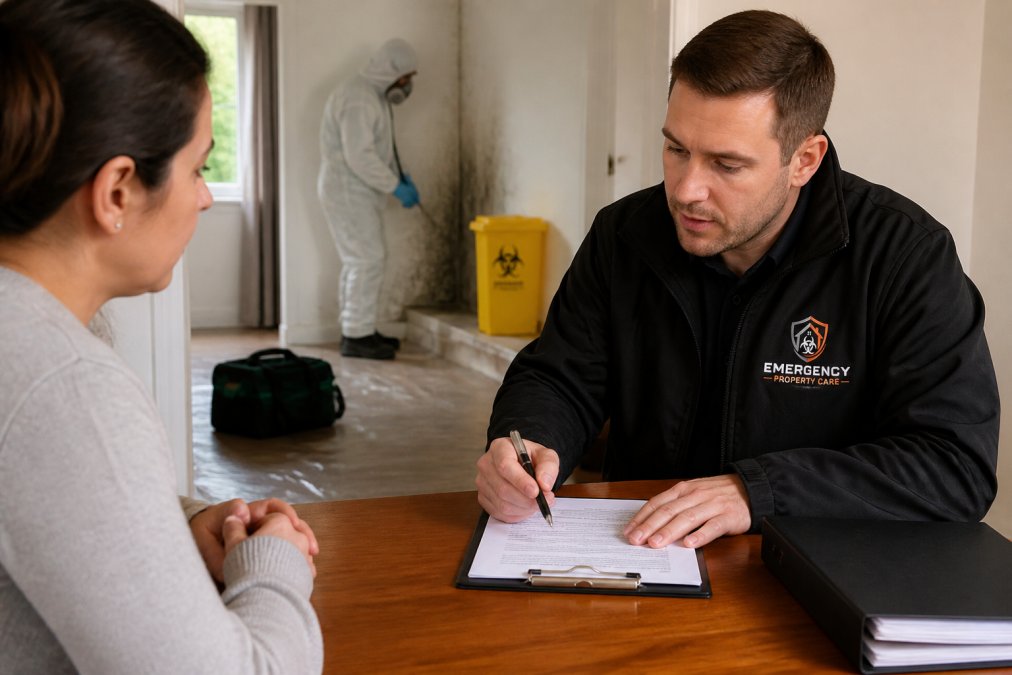
Your insurance adjuster is the key person in your claim process. Before their visit, confirm the date and time and prepare the property for inspection. Gather your documentation and have it ready to present. During the visit, be present and cooperative, show all affected areas, and take notes on what they say. After the visit, follow up with a written summary of the meeting for their confirmation.
If you disagree with the adjuster’s assessment, gather additional documentation supporting your position and submit it formally.
Professional Biohazard Remediation Standards and Certification
Professional biohazard remediation is a highly specialised service performed to strict industry standards and legal requirements. Understanding these standards helps you evaluate whether a remediation company is qualified and whether their work will satisfy your insurer’s requirements.
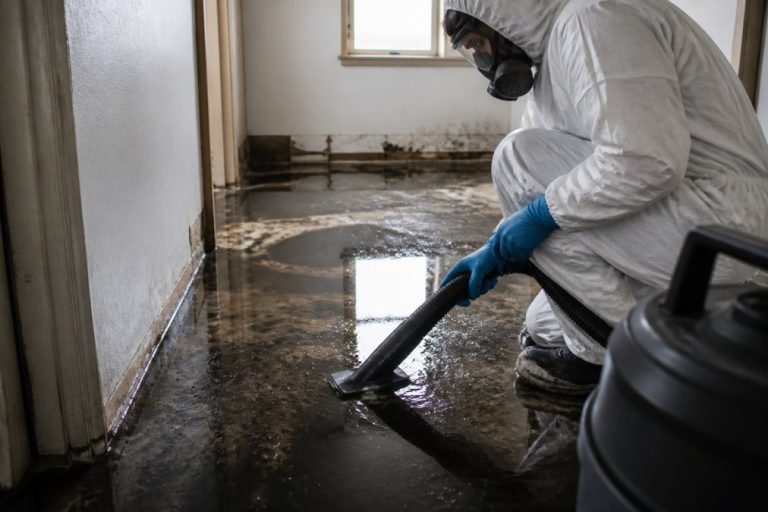
IICRC (Institute of Inspection, Cleaning and Restoration Certification) is the leading certification body for restoration professionals. IICRC-certified technicians have completed formal training in water damage restoration, fire damage restoration, and biohazard remediation. This certification is particularly important for complex incidents such as Flood Damage Cleaning and Drying or Fire Damage Cleaning, where contamination extends beyond the initial incident site.
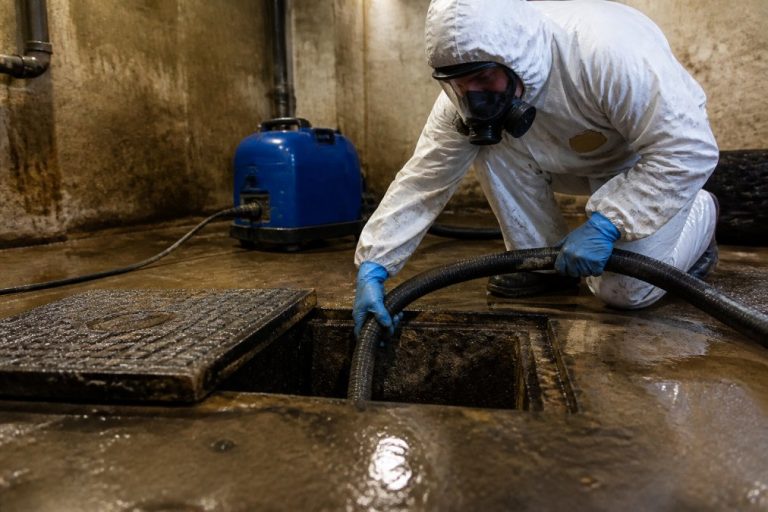
Professional remediation companies should hold current public liability insurance, employ staff trained in bloodborne pathogen handling and biohazard safety, use appropriate personal protective equipment and containment protocols, dispose of biohazardous waste according to legal requirements, provide documentation of their work including photographs and a completion report, and offer guarantees or warranties on their work. Adherence to health and safety regulations, such as those enforced by the Health and Safety Executive (HSE) in the UK, is crucial for safe and compliant biohazard cleanup.
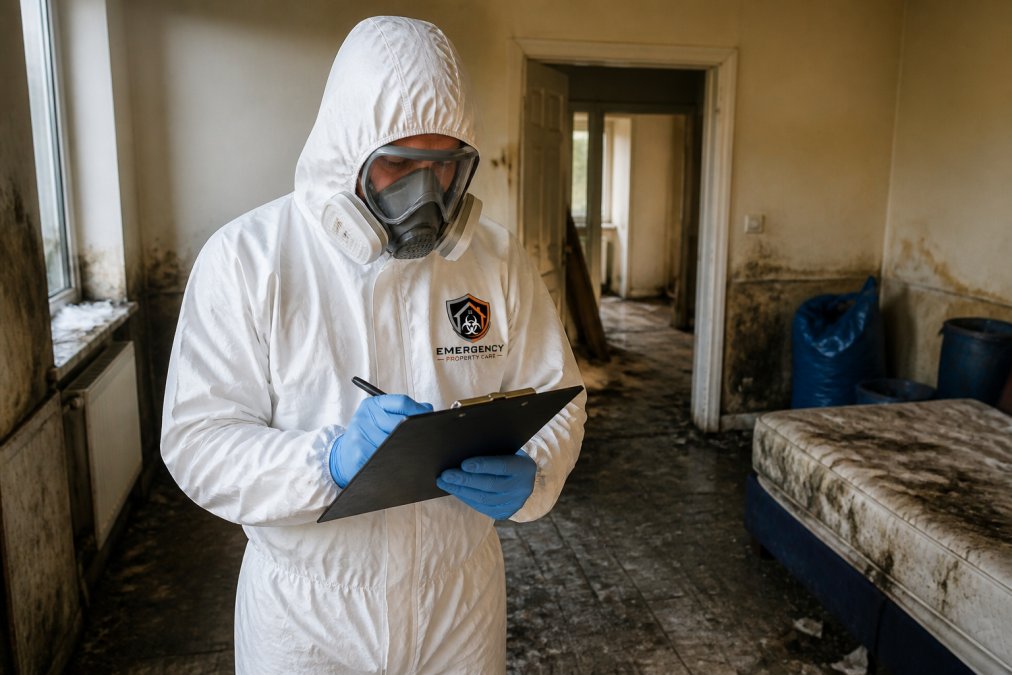
When evaluating a remediation company, ask for proof of certification, insurance, and references from previous clients. A reputable company will provide this information without hesitation. Insurers are more likely to approve claims and reimburse remediation costs when the work is performed by certified, insured professionals following recognised standards.
Why Insurance Claims Are Denied and How to Appeal
Not every biohazard cleanup claim is approved. Understanding common reasons for denial and knowing how to appeal improves your chances of a successful outcome.
Common Reasons for Claim Denial
- Policy exclusion. The incident falls within an explicit exclusion in your policy.
- Not a covered peril. Your policy covers property damage from specific causes but not from the cause of your incident.
- Insufficient coverage. Your claim exceeds your policy limit.
- Late notification. You didn’t report the claim within the timeframe specified in your policy (often 30 days) ([EXTERNAL_LINK: Insurance Information Institute | iii.org]).
- Lack of documentation. You didn’t provide sufficient proof of loss, incident reports, or remediation estimates.
- Uncertified contractor. You hired a remediation company that isn’t properly licensed or insured.
- Pre-existing damage. The property was already contaminated or damaged before the incident.
Filing a Denial Appeal
If your claim is denied, you have the right to appeal.
Step 1: Request a detailed denial letter. If your insurer hasn’t provided a written explanation, request one immediately. The letter must specify which policy provisions led to the denial and the insurer’s reasoning.
Step 2: Review the denial carefully. Identify the specific reason for the denial. Is it a policy exclusion, insufficient coverage, or a factual dispute?
Step 3: Gather additional evidence. Depending on the reason for denial, gather documentation that contradicts the insurer’s position.
Step 4: Consult with an insurance specialist or solicitor. If the claim is substantial or the denial seems unjustified, consider consulting with a solicitor who specialises in insurance disputes.
Step 5: Submit a formal appeal. Write a detailed letter to your insurer’s claims manager or appeals department. Explain why you believe the denial was incorrect, reference specific policy language, provide new evidence, and make a clear argument for why your claim should be approved.
Step 6: Follow up and escalate if necessary. Send your appeal by registered post. Follow up by phone after 2 weeks to confirm receipt. If your appeal is denied, you can escalate the dispute to the Financial Ombudsman Service (FOS), an independent body that resolves insurance disputes.
Appeals typically take 4 to 12 weeks but are often successful when the denial was based on a misinterpretation of the policy.
Preparing Before an Incident: Policy Language and Riders
The best time to understand your insurance coverage is before an incident occurs. Reviewing your policy now is far better than trying to interpret it during a crisis.
Review your homeowners or landlord policy for these key sections:
- Coverage A (Dwelling). Covers damage to the structure of your home. Biohazard cleanup might be covered under this section if classified as property damage.
- Coverage C (Personal Property). Covers your belongings. Some items may need replacement after biohazard contamination.
- Coverage D (Loss of Use). Covers temporary housing if your home is uninhabitable after an incident.
- Exclusions section. Look for language about unattended death, suicide, crime scenes, gradual damage, or sanitation issues.
- Optional riders or endorsements. Ask your insurer whether they offer a biohazard cleanup rider or similar endorsement that would expand your coverage.
Key policy language to understand:
- “Sudden and accidental.” This phrase limits coverage to unexpected events, not gradual damage.
- “Direct physical loss.” The damage must be a direct result of a covered peril, not an indirect consequence.
- “Professional remediation required.” Some policies only reimburse cleanup performed by licensed professionals.
Contact your insurer directly with questions. Ask them to confirm in writing: Does my policy cover biohazard cleanup? If so, what is my coverage limit and deductible? What incidents are covered? What documentation will you require for a claim? Do I need to purchase an optional rider for better coverage?
Having these answers in writing now means you’ll know exactly where you stand if an incident occurs.
Frequently Asked Questions
Does standard homeowners insurance cover biohazard cleanup?
Most standard homeowners policies do not automatically cover biohazard cleanup. Coverage depends on how the incident occurred. Sudden, accidental events like unattended deaths or sewage backups may qualify under property damage or liability sections, but intentional contamination or gradual hazards typically fall outside coverage. Review your policy’s specific wording or contact your insurer immediately to verify what your homeowners insurance policy covers before hiring professional remediation services.
What are the most common reasons biohazard cleanup claims are denied?
Insurance companies deny biohazard claims when the incident falls outside policy coverage (e.g., intentional damage or pre-existing conditions), when policyholders fail to document the damage thoroughly, when they hire uninsured or non-certified contractors, or when they exceed policy limits. Claims are also rejected if the homeowner delays reporting or attempts cleanup without professional assessment. Denial appeals require detailed evidence, so preserve all photographic evidence and obtain written estimates from licensed contractors before proceeding.
How long does a biohazard cleanup insurance claim typically take?
Most biohazard cleanup insurance claims take 4 to 8 weeks from initial report to settlement, depending on claim complexity and documentation quality. The timeline includes initial assessment (1-2 weeks), adjuster inspection (1-2 weeks), remediation estimate review (1 week), and final payment processing (1-2 weeks). Emergency response and professional cleanup can begin immediately while the claim processes, though you may need to pay out-of-pocket initially and seek reimbursement after settlement. Contact your insurer about interim coverage or emergency funds if urgent cleanup is required.
Should I contact my insurance company before hiring a biohazard cleaning service?
Yes, notify your insurer as soon as possible after a biohazard incident. This starts the claim process and protects your coverage. However, do not delay emergency cleanup if there is immediate health or safety risk. You can begin emergency response with professional remediation services while reporting the claim. Provide your insurer with the contractor’s details and obtain written estimates before authorising full remediation work. This coordination ensures your claim is documented properly and reimbursement is processed smoothly.
What should I avoid saying when reporting a biohazard cleanup claim?
Avoid admitting fault, speculating about the cause, or downplaying the severity of contamination. Do not say you attempted cleanup yourself or hired unlicensed workers, as this can void coverage. Never exaggerate the damage or claim for items unrelated to the incident, as insurers investigate thoroughly. Instead, stick to factual statements: when you discovered the incident, what you observed, and what professional assessment revealed. Let your documentation and professional remediation estimates speak for themselves. When in doubt, provide brief answers and let your adjuster guide the process.
Can I appeal a denied biohazard cleanup insurance claim?
Yes, you can appeal a claim denial. Request a detailed written explanation of why your claim was denied and review your policy language carefully. Gather additional evidence such as expert assessments, medical reports, or independent contractor evaluations that contradict the denial reason. Submit your appeal in writing with supporting documentation within the timeframe specified in your denial letter (typically 30-90 days). If the insurer denies your appeal, you may escalate to the Financial Ombudsman Service or seek legal advice from a solicitor specialising in insurance disputes.
If you’re facing a biohazard cleanup situation now, don’t navigate the insurance process alone. TrustedCare provides 24/7 emergency response and works directly with insurance adjusters to document your claim and ensure your remediation is performed to professional standards. Contact us today for immediate assessment and support with your insurance claim. We’re here to help you restore your property and recover your costs.
This article was written using GrandRanker

TrustedCare Editorial Team publishes UK guidance on specialist cleaning and biohazard remediation, including after-death cleaning, flood restoration and contamination control. Content is written for homeowners, landlords and housing providers seeking clear, practical information.